
Gourmand means a person who enjoys eating, often to excess, and who takes real pleasure in food. To use gourmand in a sentence, treat it as a countable noun for one person: “The gourmand ordered every dessert on the menu.” The word praises appetite more than it praises taste.
Gourmand at a glance
- Gourmand is a countable noun; the plural is gourmands.
- It names a person with a hearty appetite, never a dish or a restaurant.
- The dominant pattern is an article + gourmand + a verb of eating.
- Usual collocations are a true gourmand, a cheerful gourmand and an unabashed gourmand.
- The commonest error is confusing gourmand with gourmet, which describes refined taste.
What does gourmand mean?
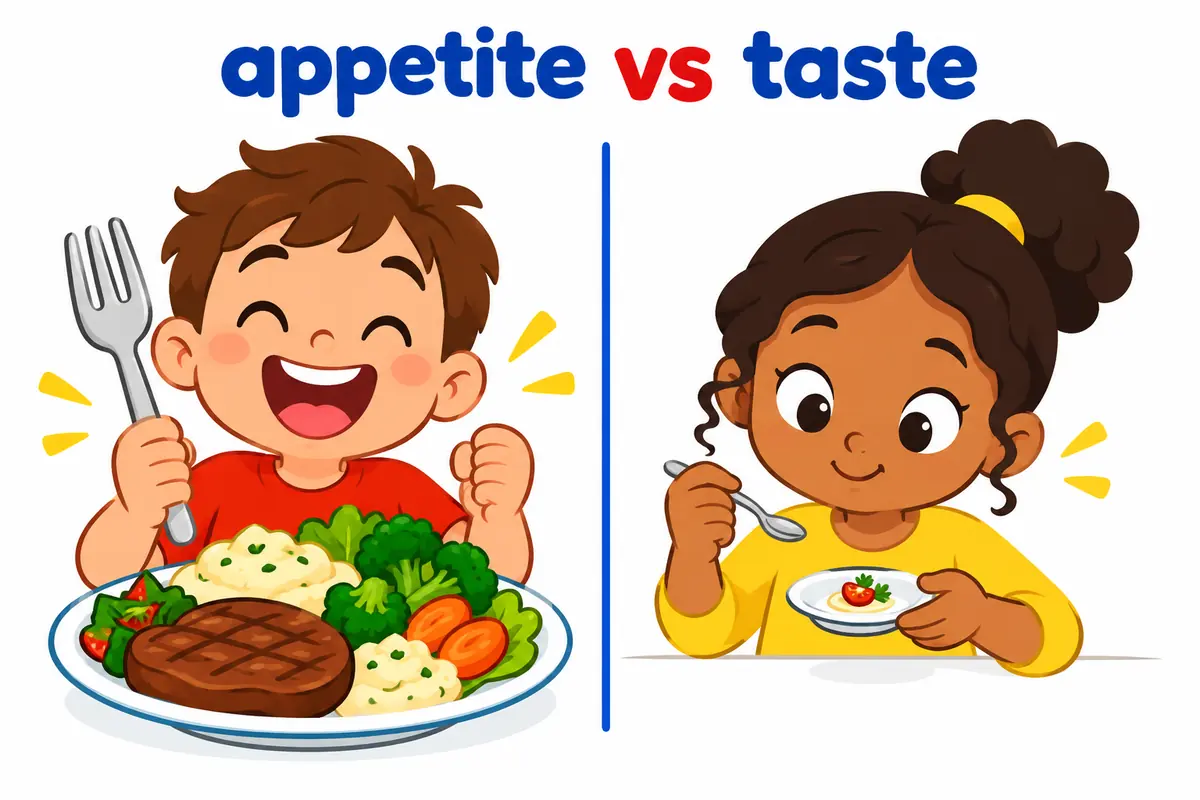
Gourmand is a noun meaning a person who enjoys eating and often eats a great deal. The Cambridge entry for gourmand gives that primary sense, and it sits between two neighbours that are easy to mix up. A gourmand loves quantity and pleasure; a gourmet judges quality and technique. The table keeps the two apart.
| Sense | Plain meaning | Example sentence |
|---|---|---|
| Hearty eater (main) | A person who loves food and eats heartily | The gourmand finished three helpings and asked about pudding. |
| Lover of good food (kind) | A person who takes keen pleasure in eating well | As a gourmand, she planned the whole trip around restaurants. |
| Overeater (critical) | A person whose fondness for food tips into excess | His doctor described him gently as a gourmand. |
One limitation is worth stating. Gourmand is not always a compliment: in older and more critical usage it means glutton, so a sentence can sound like a rebuke. Where you mean only a love of good food, a connoisseur of food is the safer, more flattering noun.
How do you use gourmand in a sentence?
Put the article before the noun and let the verb describe eating. Four patterns cover almost every real sentence, and the third shows the structure that turns the label into an affectionate judgement.
| Pattern | Example | What it signals |
|---|---|---|
| article + gourmand + eating verb | The gourmand sampled every stall at the market. | The plain subject-and-action pattern. |
| be + a gourmand | My uncle is a gourmand who plans holidays around menus. | Names the person and their habit. |
| a bit of a gourmand | She is a bit of a gourmand about cheese. | Softens the label so it sounds affectionate. |
| gourmand of / for + food | He is a gourmand of rare mushrooms. | Literary and specific about the food itself. |
Where the emphasis is refined choice rather than appetite, an epicure is the more exact noun, and a written menu note might call the same person a connoisseur.

Gourmand in a sentence: examples across contexts
Gourmand moves easily between warm and critical registers. The nine sentences below keep the same noun while changing who is speaking and what they imply.
| Context | Example sentence | Why this works |
|---|---|---|
| Family conversation | Grandpa is a gourmand, so we book the biggest table. | Explains a habit through a concrete plan. |
| Food writing | The chef cooked for a room of gourmands who wanted second helpings. | Uses the plural to name a whole appetite-driven audience. |
| Travel article | A gourmand could spend a week in this market alone. | Frames the place through the appetite it rewards. |
| Humorous self-description | I am a gourmand with the willpower of a paper bag. | The self-mocking tone fits the critical edge. |
| Health advice | A gourmand who ignores portion size pays for it later. | Uses the overeater sense with a neutral warning. |
| Restaurant review | Even a gourmand will find the tasting menu a serious challenge. | Sets appetite against the scale of the food. |
| Biography | By his own account he was a gourmand before he was a cook. | Uses the noun to sketch a character in one clause. |
| Academic prose | The essay reads the gourmand as a figure of consumer appetite. | Turns the noun into a cultural symbol. |
| Children s writing | The little gourmand ate the whole picnic by himself. | Keeps the noun light and playful for a young reader. |
Only the health sentence carries a clear rebuke. Everywhere else the noun leans warm, which shows how far the critical sense has faded.
Gourmand vs gourmet
Gourmand and gourmet share a French origin and a love of food, yet they praise different things, so swapping them changes the meaning of a sentence.
| Attribute | gourmand | gourmet |
|---|---|---|
| Core meaning | A person who eats heartily | A person with refined taste in food |
| What it praises | Appetite and enjoyment | Judgement and discrimination |
| Typical interest | Quantity and pleasure | Quality and provenance |
| Register | Warm, sometimes critical | Respectful and expert |
| Common collocation | an unabashed gourmand | a gourmet meal |
| Wrong use | A gourmand restaurant is wrong | A gourmet eater is idiomatic |
Verdict: choose gourmand for a big appetite and gourmet for a trained palate, and never use either to describe a place.
Seen together, the three words mark three appetites: a gourmet prizes taste, an ascetic refuses indulgence, and a moderate eater keeps pleasure within limits. A gourmand sits nearest the middle, enjoying food strongly but without the gourmet’s trained judgement.
Word forms and grammar of gourmand
Gourmand is a regular countable noun in English, and its plural and derived noun follow the same root. The table also lists the spelling that learners reach for by mistake.
| Form | Part of speech | Example |
|---|---|---|
| gourmand | noun, singular | A gourmand never skips the cheese course. |
| gourmands | noun, plural | The gourmands emptied every platter. |
| gourmandise | noun, the love of good food | Her gourmandise filled the kitchen with bread and butter. |
| gormand | non-standard spelling | Use gourmand, not gormand, in modern writing. |
Keep the noun separate from the adjective family: a gourmet meal is correct, and a glutton is the harsher, unflattering cousin of a gourmand.
Common mistakes with gourmand
- Incorrect:
He is a gourmet with a huge appetite.Correct: He is a gourmand with a huge appetite. Rule: Gourmet praises taste, gourmand praises appetite. - Incorrect:
This cafe is a gourmand.Correct: This cafe is a favourite of gourmands. Rule: The noun names a person, never a place. - Incorrect:
She has much gourmand.Correct: She is a gourmand. Rule: It is countable and takes an article, not a quantity word. - Incorrect:
a gourmand dinnerCorrect: a gourmet dinner. Rule: Use the adjective-like gourmet before a meal or a menu. - Incorrect:
He is a gourmand person.Correct: He is a gourmand. Rule: The noun needs no helper; it already names a person.
Practice using gourmand
Work through the six items, then check the reasoning rather than only the answer.
- Fill the gap: The ______ cleared every plate and ordered the tart.
- Choose the better word: She has a delicate palate, so call her a (gourmand / gourmet).
- Correct the error: This bakery is a gourmand.
- Build a sentence: use a bit of a gourmand about someone who loves cake.
- Spot the register: which fits a friendly card – the gourmand strikes again, or the overeater strikes again?
- Rewrite in the plural: A gourmand queued for an hour. Use gourmands.
Answers
- gourmand – the noun names the person who clears the plates.
- gourmet – a delicate palate points to refined taste, not appetite.
- This bakery is a favourite of gourmands – the noun describes people, not shops.
- Model answer: Uncle Ray is a bit of a gourmand when there is cake.
- The gourmand strikes again – it is warm and playful, while overeater sounds like a rebuke.
- Gourmands queued for an hour – the plural needs no article.
The bottom line
Use gourmand in a sentence for a person with a hearty love of food, and reach for gourmet when the praise is about taste rather than appetite. The two decision points are these: the noun names a person, never a place, and it carries a faint critical edge that gourmet does not. Where you want no edge at all, choose lover of good food or epicure.
Frequently asked questions about gourmand
Is gourmand a compliment?
It can be, but it is not always. The warm sense describes someone who revels in food, while the older critical sense edges toward glutton. Tone decides which reading a reader hears, so an affectionate phrase such as a cheerful gourmand keeps the compliment, and a bare description of overeating does not.
Can gourmand describe a woman?
Yes. Gourmand is not gendered, so a woman is a gourmand exactly as a man is. Some writers wrongly reach for a feminine form, but English uses the same noun for everyone. The plural is gourmands, and the article before it stays a or an according to the first sound.
How is gourmand pronounced?
Most speakers stress the second syllable, giving gor-MAND, and the final d is sounded. A French-style pronunciation without the final consonant also occurs, especially in food writing. Either is understood, so consistency within a single article matters more than choosing one over the other.
What is the plural of gourmand?
The plural is gourmands, formed by adding s in the ordinary English way. It never becomes gourmandes or gourmands with an apostrophe. When the word describes a group, no article is needed, so a sentence can begin simply with gourmands from across the city filled the hall.
Are you a gourmand looking to elevate your culinary skills? A gourmand is someone who takes great pleasure in food and is knowledgeable about its preparation and enjoyment. Whether you’re a seasoned chef or just getting started in the kitchen, understanding the nuances of ingredients and techniques can enhance your dining experience.
Exploring new flavors, experimenting with cooking methods, and learning about food culture can all contribute to becoming a better gourmand. By expanding your palate and refining your cooking skills, you can develop a deeper appreciation for the art of gastronomy. So grab your apron, sharpen your knives, and let’s embark on a delicious journey together.
7 Examples Of Gourmand Used In a Sentence For Kids
- Gourmand loves to eat delicious food.
- The gourmand always tries new dishes.
- A gourmand enjoys trying different cuisines.
- The gourmand likes to cook tasty meals.
- We can be a gourmand by trying different fruits and vegetables.
- The gourmand enjoys sweets and snacks.
- Being a gourmand means enjoying food with friends and family.
14 Sentences with Gourmand Examples
- Gourmand students often frequent popular food joints around campus for delicious meals.
- Attending food festivals is a favorite activity for many gourmand friends in college.
- When preparing for a study session, having some gourmand snacks on hand can be motivating.
- Exploring different cuisines is a passion for many gourmand individuals in college.
- Ordering in some gourmand treats is a great way to celebrate the end of exams.
- Hosting a potluck dinner is a fun way for gourmand classmates to showcase their cooking skills.
- Visiting local farmers markets can be a great way for gourmand students to discover fresh produce.
- Watching food documentaries together is a popular pastime for gourmand roommates.
- Gourmand food bloggers often share their culinary adventures on social media.
- Group cooking sessions can be a fun way for gourmand friends to bond over food.
- Attending cooking workshops is a fantastic opportunity for gourmand students to hone their culinary skills.
- Experimenting with new recipes is a thrilling experience for gourmand individuals in college.
- Planning a themed dinner party can be a creative outlet for gourmand students.
- Hosting a bake-off competition is a competitive yet enjoyable activity for gourmand friends.
How To Use Gourmand in Sentences?
When Gourmand is used a sentence, it refers to someone who enjoys good food and eating with enthusiasm. To use Gourmand effectively in a sentence, consider the following tips:
-
Placement: The word Gourmand is typically used as a noun, so it should be placed in a sentence where a noun is needed. For example, “He is a true gourmand who appreciates fine dining experiences.”
-
Context: To provide more context, you can include details about the person being described as a Gourmand. For instance, “As a gourmand with a refined palate, she always seeks out the best restaurants in town.”
-
Adjectives: You can enhance your sentence by adding adjectives that further describe the Gourmand. For instance, “The gourmand connoisseur savored each bite of the exquisite meal.”
-
Verb Usage: If you want to focus on the act of indulging in food, you can use verbs that complement the Gourmand. For example, “The gourmand devoured the five-course meal with gusto.”
Remember that using Gourmand in a sentence adds flair and specificity, so have fun incorporating it into your writing to accurately convey the passion for food and dining.
Conclusion
In conclusion, the sentences with “gourmand” illustrate a person who enjoys good food and beverages with great enthusiasm. These sentences showcase not only a passion for culinary experiences but also a discerning palate and appreciation for fine dining. Whether expressing admiration for a gourmand’s ability to savor intricate flavors or playfully teasing their indulgence in rich dishes, these sentences capture the essence of a true food connoisseur.
Overall, the sentences featuring “gourmand” paint a vivid picture of someone who takes pleasure in every aspect of dining, from the preparation of delectable meals to the moment of pure enjoyment while savoring them. These sentences reflect the joy and satisfaction that come from being a gourmand, someone who truly values the art of eating well.


