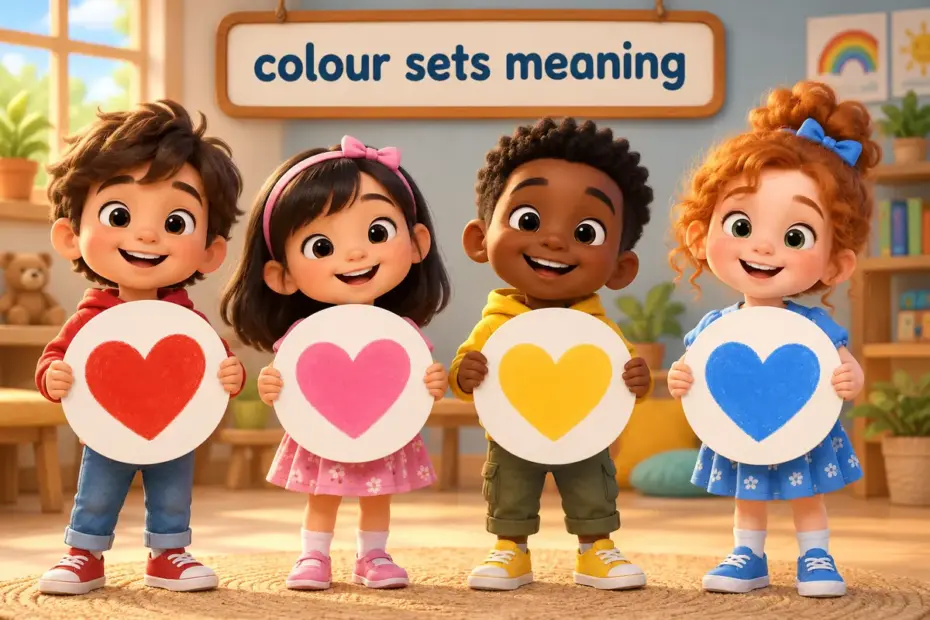
Heart emoji meanings split by colour first, because a red heart claims romance while a yellow heart offers friendship and a pink heart stays gentle. Shape adds a second layer, so a broken heart names loss and a sparkling heart adds excitement. The words around the heart settle the tone.
Heart emoji meanings at a glance
- A heart emoji names a feeling, and its colour narrows the feeling most of the time.
- The red heart claims romantic love, while the pink heart stays friendly and soft.
- The yellow heart suits friendship or a bright, cheerful mood.
- A broken heart names loss or heartbreak, not ordinary sadness.
- The commonest mistake is sending a red heart to someone who expects friendship.
What do heart emoji mean?
Colour carries most of the meaning, so a reader picks the shade before the words. The red heart is romantic, the pink heart is friendly, and a colour switch rarely signals a change of heart, because people often send the shade that matches their mood rather than a decision.
| Colour | Heart | Plain meaning | Everyday example |
|---|---|---|---|
| Red | red heart | romantic love and deep affection | Happy anniversary, red heart |
| Pink | pink heart | gentle affection and gratitude | Thanks for today, pink heart |
| Orange | orange heart | support with a cheerful edge | Go team, orange heart |
| Yellow | yellow heart | friendship and bright energy | Best friends forever, yellow heart |
| Green | green heart | nature, health or growth | New plant, green heart |
| Blue | blue heart | calm, trust or a cool mood | Quiet evening, blue heart |
| Purple | purple heart | admiration and a bold affection | You look stunning, purple heart |
| Black | black heart | dry humour or a dark aesthetic | Monday again, black heart |
A heart of any colour is a poor fit for a formal message, a professional complaint or a first contact with a stranger, where a heart can read as overfamiliar. The colour also shifts by community, so a shade that reads as friendship in one group can read as romance in another. When you are unsure how a shade will land, the words alone are the safer carrier of the feeling.
How do you use a heart emoji in a sentence?
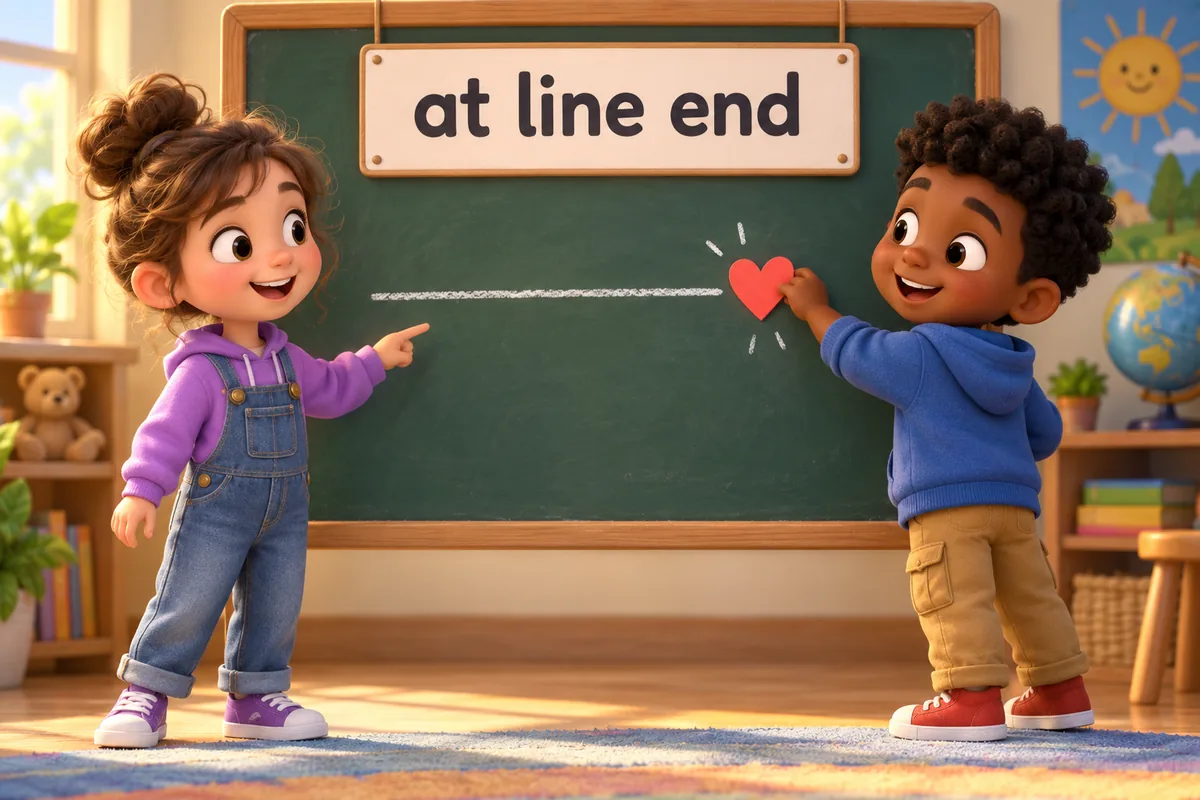
A heart usually lands at the end of the line it warms, so it colours everything before it. Sent to a kind friend, the pink heart nods to a heart of gold rather than to romance.
| Pattern | Example | What it signals |
|---|---|---|
| Heart at the end of a line | Miss you, red heart | Warmth across the whole sentence |
| Heart after one name | Well done, Sam, clapping hands and red heart | Affection aimed at one person |
| Heart alone as a reply | pink heart | A soft acknowledgement |
| Repeated hearts | Thank you, purple heart repeated three times | Extra praise |
| Heart with a matching colour word | Sunny day, yellow heart | The colour agrees with the mood |
Heart emoji meanings across contexts
The same heart changes weight with the setting, so read the relationship before you send. Writers reach for the adjectives for heart when a single colour is too blunt.
| Context | Sentence | Why it works |
|---|---|---|
| Text to a partner | Goodnight, red heart | Romantic and simple |
| Text to a close friend | Proud of you, yellow heart | Friendship without romance |
| Group chat | Great game everyone, orange heart | Shared cheer |
| Email to a teacher | Thank you for the help, no heart emoji | Keeps a school note measured |
| Social post | New puppy at home, sparkling heart | Adds excitement to good news |
| Condolence message | Thinking of you, no heart emoji | A heart can look too light for grief |
| Song lyric caption | A line I know by heart from this song, purple heart | Ties the phrase to the track |
| Customer support | Glad it works now, no heart emoji | Stays professional and calm |
| Diary note | Hard day, blue heart | Records a private mood |
| Congratulations to a friend | So proud, yellow heart | Warm without romance |
Which heart emoji should you use?
Start with the relationship, then pick the colour that matches it.
| Situation | Best heart | Why |
|---|---|---|
| Anniversary or a partner | Red heart | The clearest romantic signal |
| Thanks to a friend | Pink heart | Gentle and clearly platonic |
| Good luck before an exam | Orange heart | Support with a bright edge |
| A new friendship | Yellow heart | Warm without romance |
| End of a relationship | Broken heart | Names the loss directly |
| A professional thread | No heart | Keeps the tone formal |
Pick the heart that matches the relationship, and when the message is professional or sad, a heart usually does more harm than good.
How heart emoji are named and written
Colours share one shape but not one name. Sent when a relationship ends, the broken heart names the loss rather than a small setback. Song lyrics that people know by heart often carry a heart in the caption.
| Form | What it is | Example |
|---|---|---|
| Coloured heart | The basic shape in one of many colours | a red heart |
| Broken heart | The same shape split by a crack | a broken red heart |
| Sparkling heart | The plain heart with sparkle marks | a sparkling pink heart |
| Revolving hearts | Two or three hearts moving in a circle | revolving red and pink hearts |
| Combination | A heart beside another symbol | a heart beside a bouquet |
Common mistakes with heart emoji
Heart errors usually come from a colour that promises more than the words intend.
Incorrect: Thanks for the notes, red heart, to a new classmate Correct: Thanks for the notes, yellow heart, to a new classmate Rule: a red heart can claim romance the message does not mean
Incorrect: Condolences on your loss, red heart Correct: Condolences on your loss, no heart emoji Rule: a bright heart looks too light for grief
Incorrect: Dear Manager, report attached, red heart Correct: Dear Manager, please find the report attached. Rule: professional writing carries warmth in words, not hearts
Incorrect: I am upset with you, pink heart Correct: I am upset with you, and I want to talk Rule: a soft heart fights a serious complaint
Incorrect: Congrats, I am so happy, black heart Correct: Congrats, I am so happy, red heart Rule: a dark heart can read as dry humour or irony
Practice using heart emoji
Six short tasks check whether you can match a heart to a relationship and a mood.
- Fill in the blank: message a brand-new friend to say thanks, and the safest colour is blank.
- Choose the better heart: for a partner’s anniversary note, red or yellow?
- Correct the error: Condolences on your loss, red heart.
- Build a sentence: write a group-chat line that congratulates a team and adds a heart for shared cheer.
- Spot the register: which fits a school email, a thank you with a pink heart, or a thank you with no heart?
- Fill in the blank: to name the end of a relationship, send blank.
Answers
- a yellow or pink heart, because those shades read as friendship rather than romance.
- a red heart, because the anniversary sets a romantic tone that red matches.
- Remove the heart and keep the words, because a bright heart is too light for grief.
- So proud of this team, orange heart, because the shade shows warm shared support.
- a thank you with no heart, because a school email stays measured and a heart can seem overfamiliar.
- a broken heart, because that shape names loss directly.
The bottom line
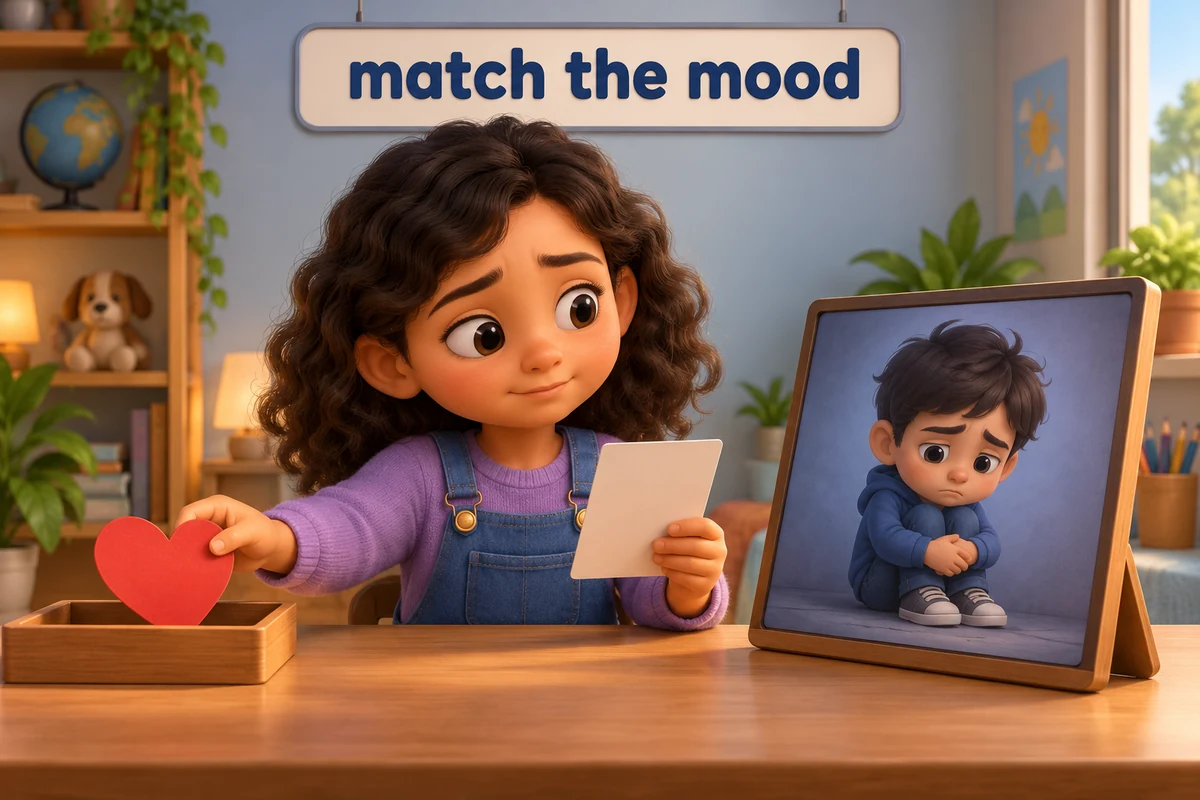
Heart emoji meanings start with colour and finish with shape, so the red heart claims romance, the pink and yellow hearts stay friendly, and the broken heart names loss. Read the relationship before you pick a shade, because the same heart can promise more than the words intend. In formal or sad messages, words alone usually carry the meaning better, and a heart saved for the right person lands harder than one sent everywhere.
Frequently asked questions about heart emoji
What is the difference between a red and a pink heart?
A red heart claims romantic love, while a pink heart stays gentle and often platonic. People send pink to a friend, a colleague they like or a family member to show affection without romance. When the relationship is new, pink is the safer of the two.
Does the yellow heart mean friendship?
It often does. The yellow heart carries brightness and warmth, so it suits a cheerful friendship or a sunny mood. Some people send it for luck as well. Because it rarely signals romance, it is a safe choice for a friend or a group.
When should I send a broken heart?
Send a broken heart when a relationship ends or when a plan falls apart and the loss is the point. For ordinary disappointment a sad face fits better, because the broken heart names heartbreak rather than a small setback. Match the size of the feeling to the size of the event.
Can a heart emoji be unprofessional?
It can, yes. In a professional thread a heart can read as overfamiliar, especially between people who have never met in person. A warm closing sentence usually carries the same friendliness without the risk, so keep hearts for people you know well.