Hocus Pocus in a Sentence: Meaning and Examples
Hocus-pocus is an informal, usually uncountable noun for words used in a magic trick or for confusing nonsense intended to hide the truth. In a sentence, context shows whether the phrase describes playful stage magic or dismisses a claim as deceptive or meaningless.
Key facts at a glance
- Hocus-pocus is an informal noun, commonly written with a hyphen.
- It can name a phrase used in a magic trick or confusing nonsense.
- The figurative sense can suggest trickery or an attempt to obscure facts.
- Use a clear context clue so readers know whether the tone is playful or critical.
- Avoid hocus-pocus in formal analysis when a precise term is available.
What does hocus-pocus mean?
Hocus-pocus has two main uses: words associated with a magic trick, and confusing or nonsensical language used to hide the truth. Oxford Learner’s Dictionaries includes both a form of words used during a trick and language or behavior intended to mislead people.
The phrase is informal and often humorous or skeptical. In a children’s story, it can sound playful; in a discussion of accounting or politics, it can accuse someone of using confusing claims. A context clue makes the intended tone clear.
How do you use hocus-pocus in a sentence?
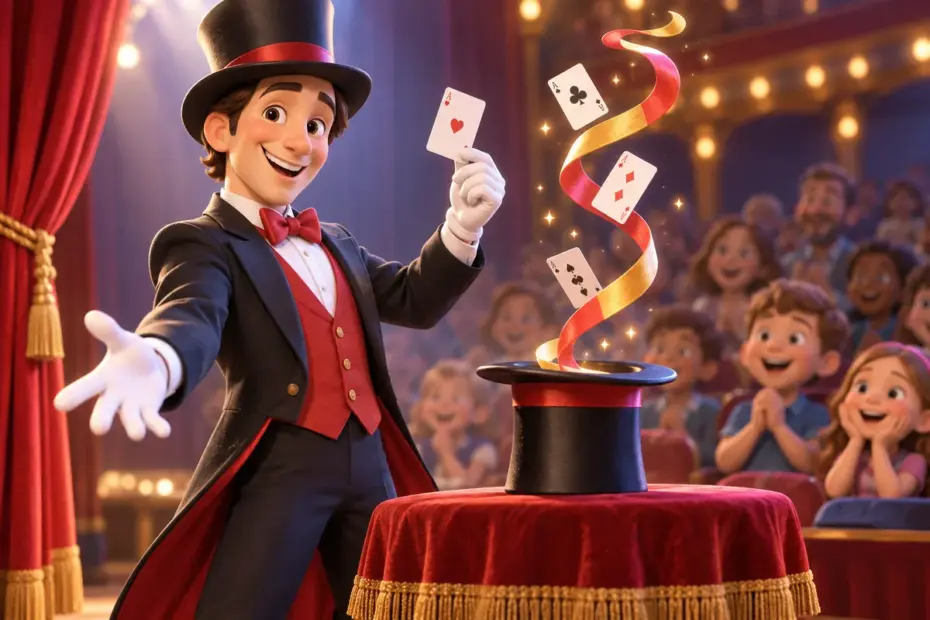
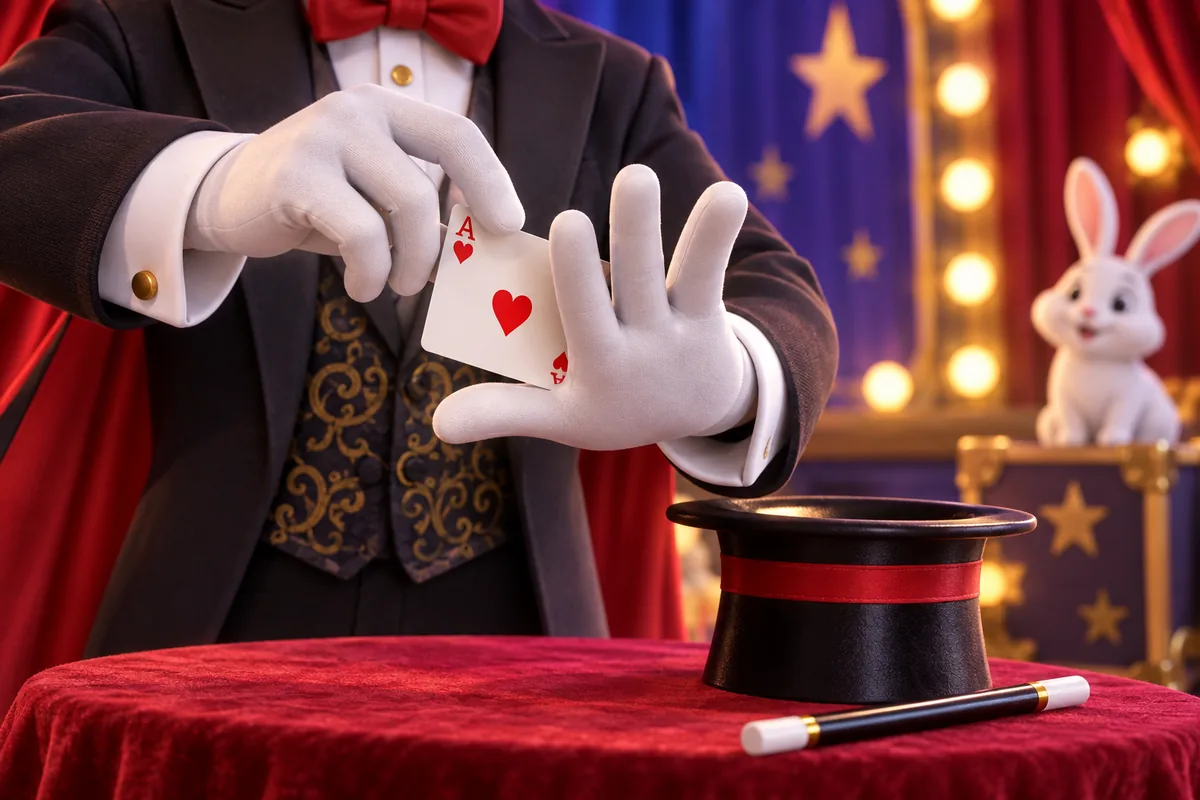
Use hocus-pocus as a noun: “The magician whispered hocus-pocus before revealing the card.” The sentence describes theatrical magic. For the figurative sense, write “The report explained the costs without financial hocus-pocus,” making the criticism apparent from the surrounding words.
The term is typically uncountable when it means nonsense or trickery. A writer might say “a bit of hocus-pocus” for one episode of confusing behavior, but “a hocus-pocus” is not the usual form.
When is the phrase playful or critical?
The meaning depends on context and tone. A magician’s patter can be called hocus-pocus affectionately, while a reader may call an unexplained fee “hocus-pocus” to suggest deliberate confusion. The word is not neutral in every setting because its figurative use can imply deception.
Choose a more precise word when accuracy matters. Use illusion for a staged visual effect, jargon for specialized vocabulary, or fraud only when evidence supports intentional deception. Hocus-pocus is vivid but informal and can overstate a criticism.

Hocus-pocus spelling and punctuation
The Oxford American entry spells the expression hocus-pocus with a hyphen, and Cambridge usage commonly uses the same form. You may encounter hocus pocus without a hyphen in casual writing, so keep one style consistent within an article or publication.
The phrase is not normally capitalized in the middle of a sentence. If it begins a sentence, capitalize its first letter as usual. Quotation marks are optional; use them when discussing the term itself rather than using it naturally in a sentence.
Frequently asked questions
Is hocus-pocus one word or two?
It is commonly written hocus-pocus with a hyphen, though informal writing sometimes uses hocus pocus as two words. Follow the dictionary or house style used by your publication and keep the spelling consistent throughout the same piece in edited writing.
Is hocus-pocus a real word?
Yes. Hocus-pocus is an established informal noun in modern English. Oxford Learner’s Dictionaries defines it both as words used by someone performing a magic trick and as confusing language or behavior intended to hide the truth in a misleading claim.
Does hocus-pocus always mean magic?
No. It can refer to magic-trick language, but it also means nonsense or confusing behavior that may conceal the truth. “The magician said hocus-pocus” is playful; “The proposal is financial hocus-pocus” criticizes the proposal as obscure or misleading without making a legal accusation.
What is a simple sentence with hocus-pocus?
“The magician used hocus-pocus before pulling a ribbon from the hat” is a simple literal example. A figurative example is “The guide explained the rules without hocus-pocus.” The surrounding details show whether the noun refers to entertainment or confusing talk.
Conclusion
Hocus pocus in a sentence examples make the word’s meaning concrete: use the term for its correct grammatical role, then add enough context to make the intended sense clear.
Do you believe in magic? “Hocus pocus” is a popular term used to describe the enchanting words or actions of a magician, often accompanied by a wave of a wand or hands. This phrase is commonly associated with the performance of a trick or illusion that appears to defy logic and reality.
In everyday conversation, “hocus pocus” is used figuratively to describe anything that seems mysterious, deceptive, or inexplicable. It captures the essence of tricks, sleight of hand, and misdirection commonly associated with the world of magic.
7 Examples Of Hocus Pocus Used In a Sentence For Kids
- Hocus pocus is a magical phrase.
- Say hocus pocus and make a wish.
- The magician used hocus pocus to perform tricks.
- Let’s all say hocus pocus together!
- When you say hocus pocus, something magical happens.
- Abracadabra and hocus pocus are fun magic words.
- Remember to say hocus pocus before trying to make something disappear.
14 Sentences with Hocus Pocus Examples
- When preparing for exams, some students resort to hocus pocus study methods.
- It’s important to avoid falling for hocus pocus promises of academic success.
- Don’t rely on hocus pocus tactics when it comes to understanding complex concepts.
- Some students believe in the power of hocus pocus rituals before important tests.
- It’s better to put in hard work and dedication rather than relying on hocus pocus for good grades.
- Avoid getting caught up in hocus pocus superstitions when it comes to academic performance.
- Hocus pocus will not magically improve your knowledge or skills overnight.
- Stay focused and avoid distractions like hocus pocus practices during exam season.
- Don’t waste time on hocus pocus methods when you could be studying effectively.
- Remember, success in college is about consistency and effort, not hocus pocus shortcuts.
- Be wary of anyone promising instant success through hocus pocus techniques.
- Trust in your abilities and hard work rather than resorting to hocus pocus for results.
- Avoid getting sidetracked by hocus pocus theories when working on research projects.
- Professors appreciate genuine effort and critical thinking, not hocus pocus solutions.
How To Use Hocus Pocus in Sentences?
To use “Hocus Pocus” in a sentence, you can follow these simple steps as a beginner:
-
Understand the meaning: “Hocus Pocus” is a phrase used in magic or trickery to distract or bemuse an audience, often associated with casting a spell or performing a magic trick.
-
Choose the context: Decide where you want to use the phrase, whether in a casual conversation, a piece of writing, or a presentation.
-
Integrate the phrase: Insert “Hocus Pocus” into your sentence where it fits naturally. For example, “The magician waved his wand and shouted ‘Hocus Pocus!’ before making the coin disappear.”
-
Use it playfully: Feel free to use “Hocus Pocus” in a playful or whimsical manner to add a touch of magic or mystery to your statement.
-
Practice: Try using the phrase in different contexts to become more comfortable with incorporating it into your vocabulary.
Remember, “Hocus Pocus” is a fun and light-hearted phrase that can be used creatively to spark intrigue or amusement. Don’t be afraid to experiment with how you incorporate it into your speech or writing.
Conclusion
In conclusion, the phrase “hocus pocus” is often used as a form of magical incantation in popular culture, but its origins can be traced back to a Latin-like incantation used by early conjurers. Today, it is commonly associated with tricks, illusions, and sleight of hand in the realm of magic and entertainment. Whether uttered in jest or to add an air of mystery, “hocus pocus” continues to captivate audiences and add a touch of enchantment to performances.
From the whimsical world of children’s stories to the dazzling displays of professional magicians, the phrase “hocus pocus” remains a whimsical and lighthearted expression of magic and wonder. Its enduring popularity and use in various mediums reflect our enduring fascination with the unknown and our desire to be mystified by the seemingly impossible.


