Human vs humane share a root but carry different ideas. Human means belonging to people or to the species, as in human rights, while humane means kind, merciful, and considerate, as in humane treatment. A human voice is a person’s voice, but a humane policy is a kind one.
Human vs Humane at a glance
- Human is an adjective and a noun about people as a species.
- Humane is an adjective meaning kind, merciful, and caring.
- Human describes what belongs to people; humane judges how people treat others or animals.
- Common partners: human rights, human error; humane treatment, a humane solution.
- The commonest error is writing human where humane is meant, as in a human policy for animals.
What do human and humane mean?
Human is an adjective meaning belonging to people, and a noun meaning a person. Humane is an adjective meaning kind, merciful, and concerned with reducing suffering. The Cambridge entry for human and the Cambridge entry for humane confirm the split, and one line shows it: a human hand belongs to a person, while a humane hand lends its help to someone in need.
| Sense | Word | Plain meaning | Example |
|---|---|---|---|
| Belonging to people | human | Of the human species | human language |
| A person | human (noun) | An individual of the species | Humans need water. |
| Kind and merciful | humane | Showing compassion | a humane decision |
| Reducing suffering | humane | Avoiding cruelty | humane traps |
| Considerate | humane | Acting with care for others | a humane workplace |
The two words are close enough on the page that a single letter decides the meaning. Human keeps to description and never carries praise, while humane always carries a value judgement about how someone treats a living creature.
The two adjectives come from the same family but answer different questions. Human asks what something belongs to, and humane asks whether a course of action shows mercy, so a humane policy is a compliment while a human policy merely names who made it.
What is the difference between human and humane?
The difference is description against judgement. Human states a fact about the species, while humane passes a moral judgement on how someone acts. A spelling neighbour such as ad vs add shows how one extra letter can turn a plain word into a different one.
| Criterion | Human | Humane |
|---|---|---|
| Core meaning | belonging to people | kind and merciful |
| Part of speech | adjective and noun | adjective |
| Focus | what people are | how people treat others |
| Typical nouns | rights, body, error, voice | treatment, solution, policy, approach |
| Opposite idea | animal, machine, divine | cruel or brutal |
| Register | neutral and scientific | moral and ethical |
| Common error | used for kindness | used for the species |
Choose human for facts about people, and humane for kindness in the way people act.
How do you use human and humane in a sentence?
Human works as an adjective or a noun, while humane works only as an adjective before the kind act or policy; to watch the kindness sense at work, read humane in a sentence.
| Pattern | Example | What it signals |
|---|---|---|
| human + noun | human rights | belonging to people |
| human (noun) | Every human needs shelter. | the species as a whole |
| humane + noun | humane treatment | kindness in conduct |
| be humane to + noun | Be humane to stray animals. | care toward others |
| a humane + abstract noun | a humane solution | an ethical choice |
Human and humane in a sentence: examples across contexts
The pair separates cleanly by meaning, and a related one-letter pair such as addition vs edition follows the same pattern.
| Context | Example sentence | Why this works |
|---|---|---|
| Public affairs | The charter protects the human rights of every citizen. | human names what belongs to people |
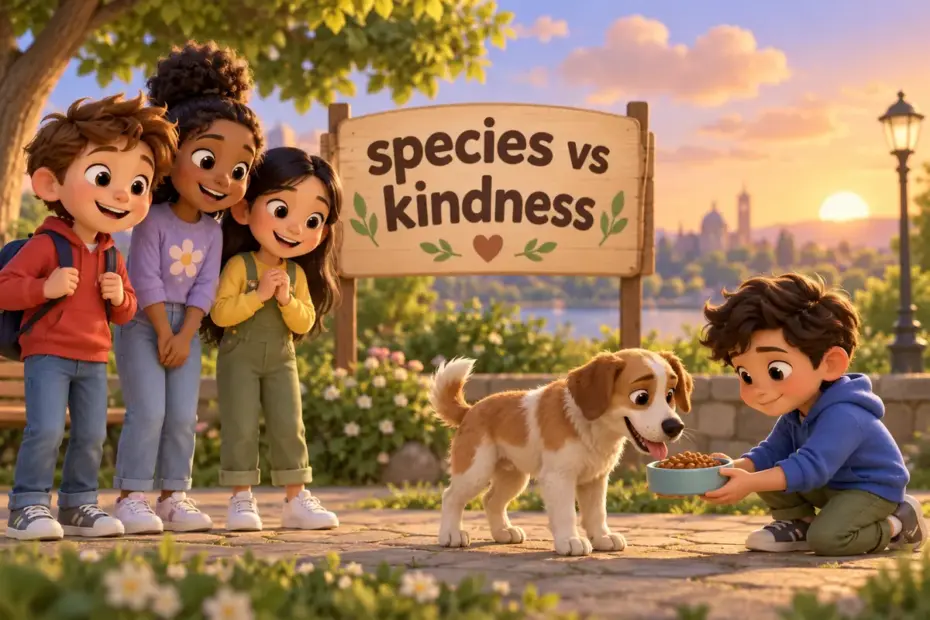
| Animal care | The shelter is known for its humane treatment of stray dogs. | humane means kind |
| Science writing | The human body cannot survive without water for long. | human describes the species |
| Workplace | A humane employer offers support during a crisis. | humane judges conduct |
| Technology | Human error caused most of the failures. | human marks the source |
| Law | The court called the conditions inhumane. | inhumane means cruel |
| Medicine | Doctors aim for humane care at every stage. | humane means merciful |
| History writing | Early humans migrated across the continent. | humans names the species |
| Environment | Humane methods reduce stress for farm animals. | humane reduces suffering |
| Everyday talk | It is only human to make mistakes. | an idiom about being a person |
| Volunteering | Volunteers gave the animals humane care at the shelter. | humane means kind treatment |
| Design | The new bus seat suits the human frame well. | human describes the body |
Which should you use?
Match the word to whether the sentence states a fact or praises a way of acting.
| Situation | Use | Example |
|---|---|---|
| Rights or features of people | human | human rights |
| A person, or people in general | human | a fellow human |
| Kind treatment of people or animals | humane | humane care |
| A kind, ethical solution | humane | a humane policy |
| Cruel treatment | inhumane | inhumane conditions |
Register is the second test. Human belongs to science, law and everyday description, where it names the species or its traits, while humane belongs to ethics, welfare and reviews of conduct, where it weighs how kindly someone or something is treated. The prefix in-, added to humane, gives the opposite, so inhumane describes cruelty and never the species.
Word forms and grammar of human and humane
| Form | Part of speech | Example |
|---|---|---|
| human | adjective | human error |
| human | noun | a fellow human |
| humans | noun, plural | Humans share the planet. |
| humanity | noun | a crime against humanity |
| humanly | adverb | as fast as humanly possible |
| humane | adjective | humane treatment |
| humanely | adverb | The animals were treated humanely. |
| humaneness | noun | the humaneness of the policy |
| inhumane | adjective | inhumane conditions |
Common mistakes with human and humane
Mistake 1: human for kindness. Incorrect: a human way to treat animals. Correct: a humane way to treat animals. Rule: kindness toward others is humane.
Mistake 2: humane for the species. Incorrect: humane rights. Correct: human rights. Rule: the rights of people are human rights.
Mistake 3: the adverb of humane. Incorrect: The cattle were moved humanly. Correct: The cattle were moved humanely. Rule: the adverb for kindness is humanely.
Mistake 4: the adverb of human. Incorrect: It is not humanely possible. Correct: It is not humanly possible. Rule: the adverb of human is humanly.
Mistake 5: inhumane and humane reversed. Incorrect: The shelter was praised for its inhumane care. Correct: The shelter was praised for its humane care. Rule: inhumane means cruel, and humane means kind.
Practice using human and humane
- Fill in the blank: The charity campaigns for better ___ rights around the world.
- Choose the better word: The new law requires (human / humane) treatment of farm animals.
- Correct the error: The prisoners were held in human conditions.
- Build a sentence: use humane to describe a kind solution to a problem.
- Spot the register: which fits an ethics report, (a) a humane approach, or (b) a human approach?
- Fill in the blank: Robots can work faster than is ___ possible.
Answers
- human, because the rights belong to people.
- humane, because the point is kindness to animals.
- The prisoners were held in inhumane conditions; cruel treatment is inhumane.
- The council found a humane solution to the housing shortage.
- (a), because the report judges how kindly people act.
- humanly, the adverb describing what people can do.
The bottom line
The human vs humane choice comes down to fact against kindness: human names the species and what belongs to it, and humane praises mercy, especially toward people and animals. Use human for rights, bodies and error, and humane for treatment, solutions and policies that reduce suffering. Add the prefix in- to humane for cruelty, and keep the two adverbs apart by asking whether the sentence is about people or about kindness.
Frequently asked questions about human and humane
What is the difference between human and humane?
Human describes people as a species, or what belongs to them, as in the human body. Humane describes kind and merciful conduct, as in humane treatment. One word names what we are, and the other praises how we behave, so they are related but never interchangeable.
Is it human or humane treatment?
The phrase is humane treatment, because the point is kindness and the avoidance of suffering. Human treatment would only mean treatment given by people or suited to people. A related word, inhumane, means cruel, and it is the opposite of humane rather than of human.
What is the adverb of humane?
The adverb of humane is humanely, as in the animals were handled humanely. The adverb of human is humanly, as in as fast as humanly possible. The two adverbs are easily confused, so check whether the sentence is about kindness, which takes humanely, or about human ability, which takes humanly.
Can humane describe people as well as animals?
Yes. Humane describes any kind, merciful conduct, whether the object is a person, an animal, or a policy. A humane prison, a humane employer, and a humane trap all show the same sense of reducing suffering. The word follows the quality of the treatment, not the species involved.