Skip to content

Latest English Guides

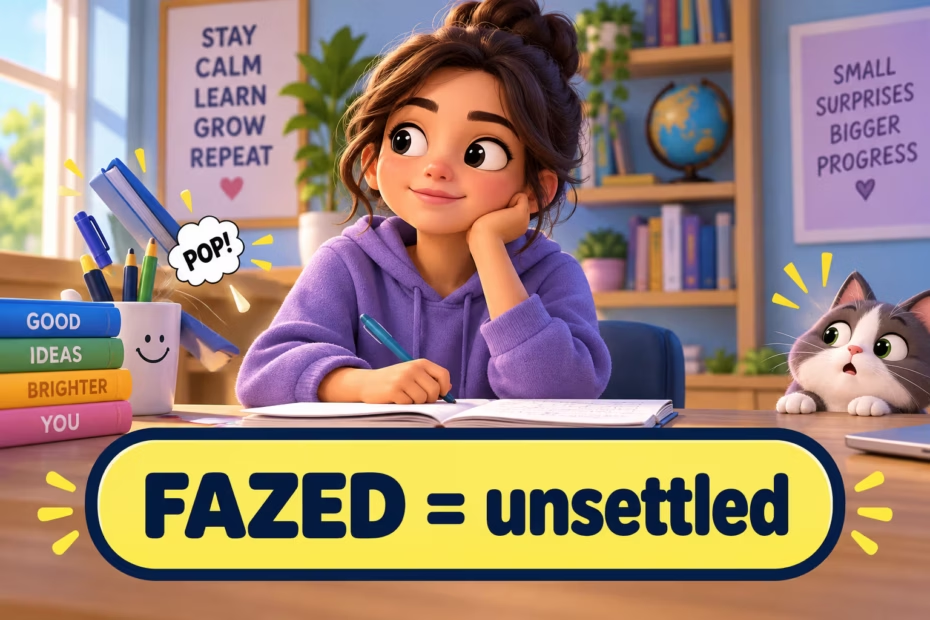
Fazed vs. phased: a calm student illustrates FAZED = unsettled.

Fazed vs. Phased: Meaning and 30+ Examples

    Are you ever fazed by the confusion between “fazed” and “phased”? Don’t worry, you’re not alone. As a language enthusiast, I’ve encountered countless instances where these two words are mistakenly interchanged. But fear not, because in this text, I’ll shed some light on the proper usage of “fazed” and “phased” to ensure you never mix them up again. We’ll explore their definitions, examples, and ev


    Two adults chatting at a formal dance.

    Coquet vs Coquette: Differences and Examples

      Do you ever find yourself unsure whether to use “coquet” or “coquette” in your writing? As a language enthusiast, I’ve often come across this dilemma. In this text, I’ll guide you through the appropriate usage of these two words, helping you avoid any confusion in the future.
      We’ll start by exploring the definitions and origins of both “coquet” and “coquette.” Understanding their meanings will pro

      A sculptor shaping stone with a chisel.

      Hews vs Hues: Differences and Examples

        Have you ever found yourself confused between “hews” and “hues”? Well, I’ll be the first to admit that I’ve been there too. Understanding the difference and using these two words appropriately can make a significant impact on your writing. In this text, I’ll guide you through the nuances of “hews” and “hues” and help you use them correctly in your everyday language. From their definitions to pract

        An angler preparing a fishing hook by a lake.

        Baited vs Bated: Differences and Examples

          Have you ever found yourself confused between the words “baited” and “bated”? Well, you’re not alone. These two words may sound similar, but they have distinct meanings and usage. In this text, I’ll shed light on the differences between “baited” and “bated” and help you use them appropriately in your writing.
          First, let’s tackle “baited.” When we say something is “baited,” it means that it has bee

          A carpenter shaping a timber with hand tools.

          Hew vs Hue: Differences and Examples

            Have you ever found yourself confused between the words “hew” and “hue”? You’re not alone. In this text, I’ll guide you on how to use these words appropriately and avoid any embarrassing mix-ups. Understanding the subtle differences between “hew” and “hue” is crucial for effective communication, whether you’re writing an essay, giving a presentation, or simply engaging in everyday conversations. S

            Climbers walking uphill on a mountain trail.

            Ascent vs Assent: Differences and Examples

              Have you ever found yourself confused between “ascent” and “assent”? Don’t worry, you’re not alone. As a language enthusiast, I’ve encountered this dilemma more times than I can count. In this text, I’ll shed light on the subtle yet significant differences between these two words and provide you with practical tips on how to use them appropriately. So, whether you’re a writer, a student, or simply

              Friendly classroom graphic labels come as a verb and cum as a formal noun linker.

              Understanding the Difference Between “Come” and “Cum” and Using Them Appropriately for Effective Communication

                Have you ever come across the words “come” and “cum” and wondered about their correct usage? Well, you’re not alone. As a language enthusiast, I’ve often encountered confusion surrounding these two words. In this text, I’ll investigate into the proper usage of “come” and “cum” to help you navigate the intricacies of the English language.
                Firstly, let’s address “come.” It’s a versatile verb that ca

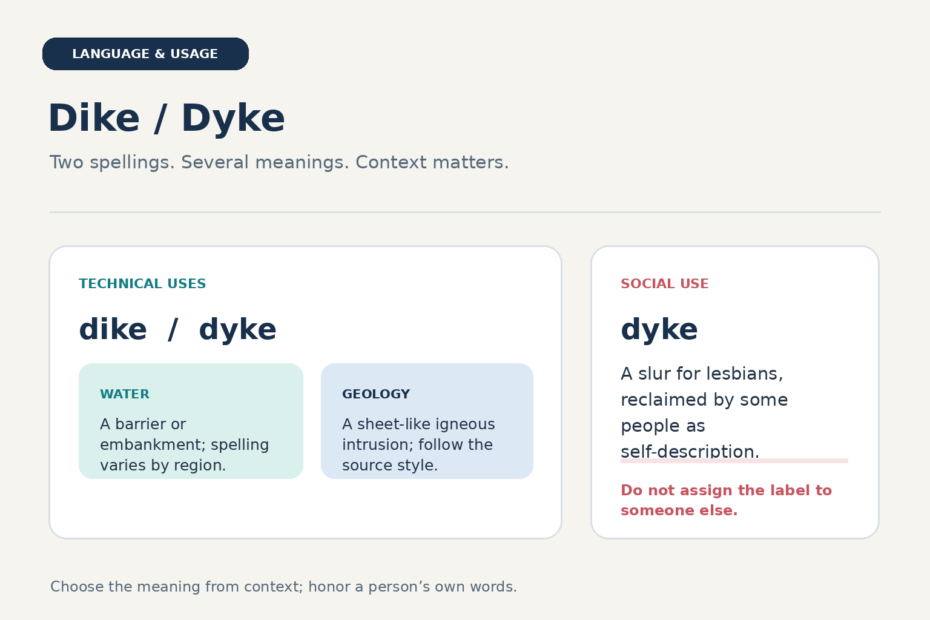
                Comparison chart: dike and dyke are regional spellings for water barriers and both appear in geology; dyke is also a slur reclaimed by some people.

                Dike vs. Dyke: Meaning, Spelling & Respectful Use

                  As a language enthusiast, I’ve always been fascinated by the subtle nuances and intricacies of words. One such pair of words that often causes confusion is “dike” and “dyke.” While they may sound similar, they have distinct meanings and contexts. In this text, I’ll investigate into the proper usage of these words and help you navigate the sometimes tricky waters of language. We’ll explore their or

                  A canoeist pushes a long pole against the riverbed while a survey worker records answers on a clipboard.

                  Poled vs. Polled: Meaning & Sentence Examples

                    Are you ever confused about when to use “poled” and when to use “polled”? Don’t worry, you’re not alone. These two words may sound similar, but they have distinct meanings and usage. In this text, I’ll shed light on the proper usage of “poled” and “polled” to help you avoid common mistakes and enhance your writing skills. Whether you’re a student, a professional, or simply someone who wants to imp

                    A person sitting by a rain-streaked window.

                    Mood vs Mooed: Differences and Examples

                      Ever been in a situation where you used the wrong word and felt a wave of embarrassment wash over you? Trust me, I’ve been there too. That’s why in this text, I’ll be diving into the confusing world of “mood” and “mooed” and how to use them appropriately. These two words may sound similar, but they have completely different meanings. Understanding the distinction between them is crucial for effect