Skip to content

Latest English Guides

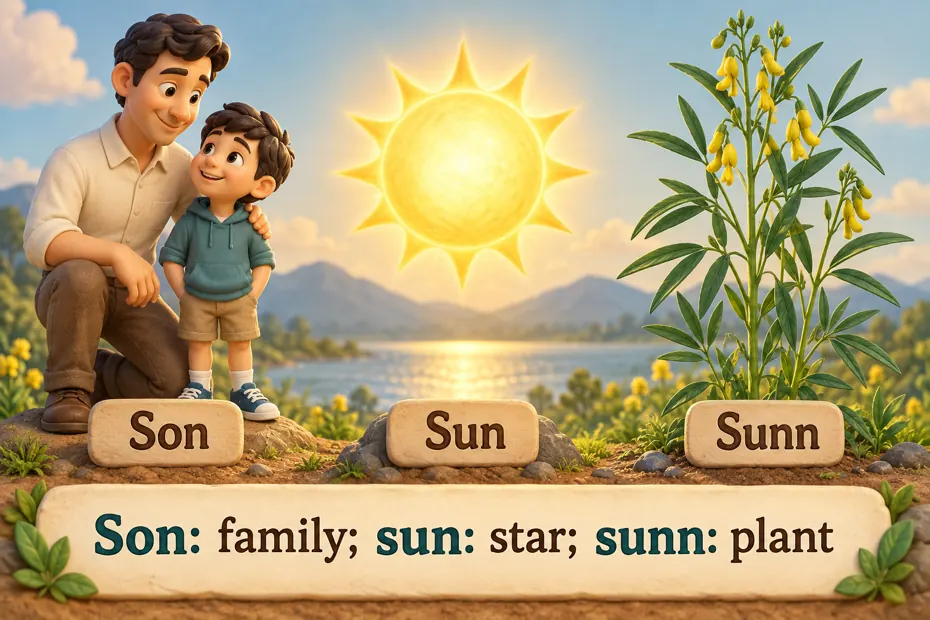
Son: family; sun: star; sunn: plant

Mastering the Proper Use of ‘Son,’ ‘Sun,’ and ‘Sunn’: A Guide to Precision and Clarity

    Hey there! Have you ever found yourself confused between “son,” “sun,” and “sunn”? Trust me, you’re not alone. These three words may sound similar, but they have completely different meanings. In this text, I’ll guide you on how to use them appropriately, so you never mix them up again.
    We’ll start by exploring the word “son.” As a noun, it refers to a male child in relation to his parents. It’s a

    Whither: destination; wither: decline

    Understanding the Difference: Whither vs Wither and How to Use Them Appropriately

      Whither vs wither: destination or decline? Whither means “to what place” or “toward what situation,” as in “Whither are we going?” Wither means to shrivel or lose vitality, as in “The flowers withered.” Whither sounds literary or old-fashioned in everyday conversation; wither remains an ordinary verb. Choose by meaning, not by the extra h. Whither… Read More »Understanding the Difference: Whither vs Wither and How to Use Them Appropriately

      Father: parent; fother: ship repair

      Understanding the Difference Between Father and Fother: Importance of Using Them Appropriately

        When it comes to the words “father” and “fother,” it’s easy to confuse them or assume they’re interchangeable. But, understanding the appropriate usage of these terms is crucial to effective communication. In this text, I’ll investigate into the differences between “father” and “fother” and provide insights on how to use them correctly.
        Many people mistakenly use “father” and “fother” interchangea

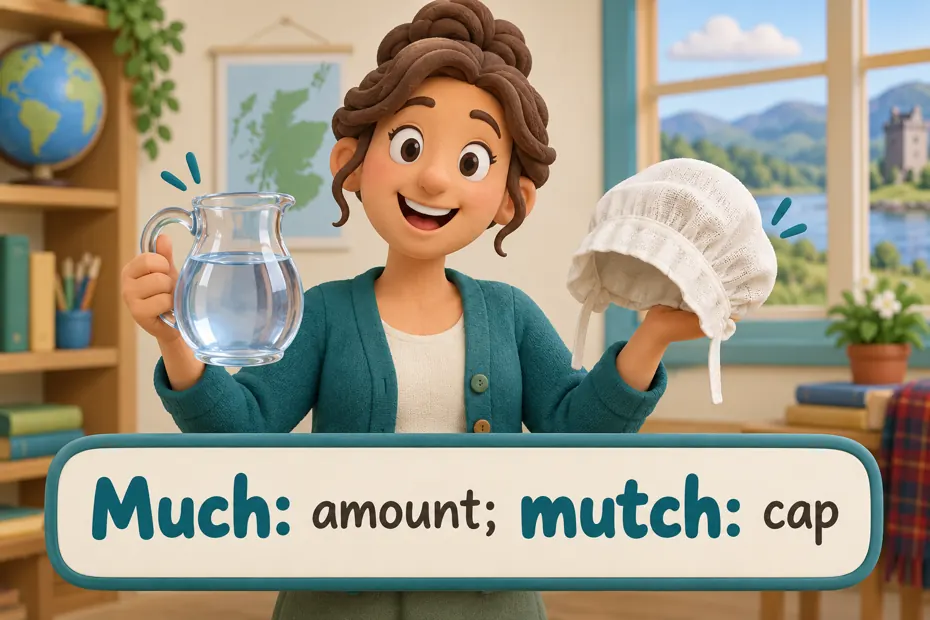
        Much: amount; mutch: cap

        Mastering Correct Word Usage: Much vs Mutch – Tips for Using “Much” Appropriately

          Hey there! Have you ever found yourself confused about when to use “much” and “mutch”? Well, you’re not alone! In this text, I’ll be diving deep into the correct usage of these two words and providing you with some helpful tips along the way.
          We all know that the English language can be a bit tricky at times, especially when it comes to similar-sounding words. But fear not, because by the end of t

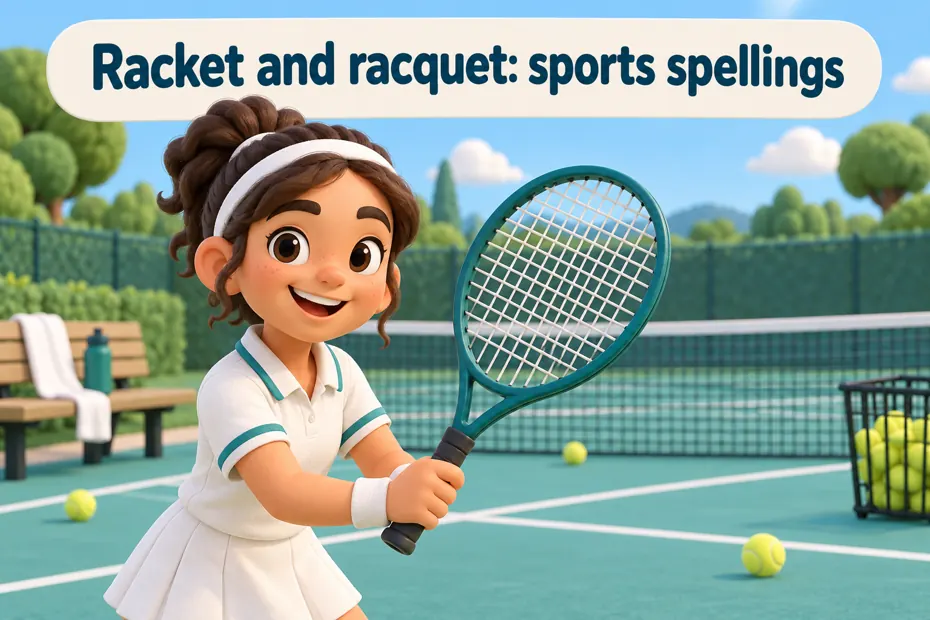
          Racket and racquet: sports spellings

          The Ultimate Guide to Using Racket, Rackett, and Racquet Appropriately

            Have you ever found yourself confused about the correct spelling of “racket,” “rackett,” or “racquet”? As an expert in the field, I’ll shed some light on this common dilemma and help you use these terms appropriately. In this text, I’ll explain the key differences between “racket,” “rackett,” and “racquet,” and provide clear guidelines on when and how to use each one. By the end, you’ll have a sol

            Gvsilla: check the source

            Understanding the Difference: How to Use “Gvsilla” and “Guerilla” Appropriately

              When it comes to the English language, there are countless words that can trip us up and cause confusion. One such pair is “gvsilla” and “guerilla.” These two words may sound similar, but their meanings and usage couldn’t be more different. In this text, I’ll guide you through the correct usage of these words, helping you avoid embarrassing mistakes and communicate with confidence. We’ll explore t

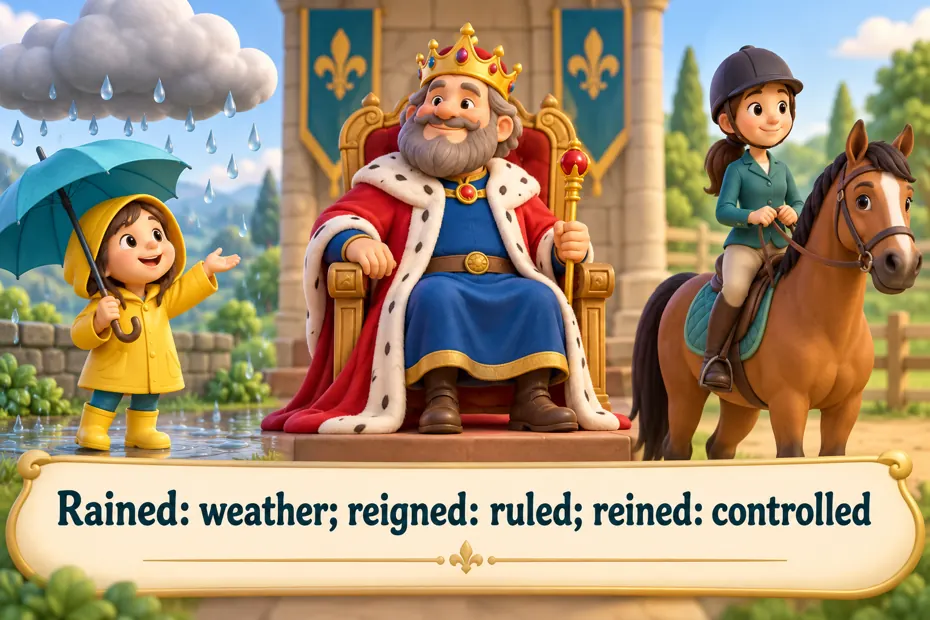
              Rained: weather; reigned: ruled; reined: controlled

              Understanding the Differences: Rained vs Reigned vs Reined – How to Use Them Appropriately

                Rained vs reigned vs reined: weather, rule, or control? Rained means rain fell, or something fell in a rain-like way. Reigned means ruled or prevailed. Reined means controlled or checked, literally with reins or figuratively. All three are regular past-tense and past-participle forms: rain → rained, reign → reigned, and rein → reined. Choose the… Read More »Understanding the Differences: Rained vs Reigned vs Reined – How to Use Them Appropriately

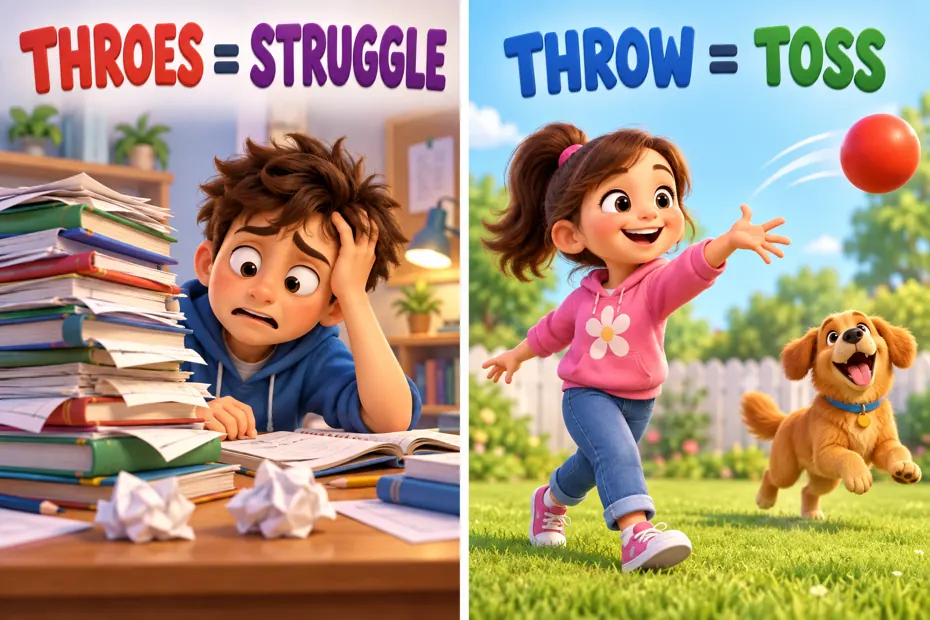
                Throes describes struggle; throw can mean toss

                Mastering the Difference Between Throe and Throw: Using Them Appropriately

                  Have you ever found yourself in a throe of confusion when it comes to using the words “throe” and “throw” correctly? Well, fear not, because I’m here to shed some light on this linguistic dilemma. In this text, I’ll guide you through the proper usage of these two words, ensuring that you never throw the wrong word into your sentences again.
                  Firstly, let’s tackle the word “throe.” Often mistaken fo

                  Populace names people; populous describes population; Populus is a tree genus

                  Understanding the Distinction: Populace vs Populous vs Populus: How to Use Them Appropriately

                    Populace vs populous vs Populus: the direct answer Populace is a noun meaning the people of a place. Populous is an adjective describing a place with many inhabitants. Populus, capitalized and normally italicized in botanical writing, is a tree genus. Write “the populace of a populous city” and “a tree in the genus Populus.” Populace… Read More »Understanding the Distinction: Populace vs Populous vs Populus: How to Use Them Appropriately

                    Boy names a child; buoy names a floating marker

                    Mastering the Proper Usage of “Boy” and “Buoy” to Avoid Confusion and Miscommunication

                      Have you ever found yourself confused between the words “boy” and “buoy”? Well, you’re not alone! In this text, I’ll guide you through the proper usage of these two commonly misused words. Understanding the difference between “boy” and “buoy” is essential for effective communication, whether you’re writing an essay, sending an email, or simply having a conversation.
                      First, let’s clarify the meanin

                      Complement means complete; compliment means praise

                      Mastering the Art of Complementing vs. Complimenting: How to Use Them Appropriately

                        Have you ever found yourself confused about when to use “complement” and when to use “compliment”? Well, I certainly have. In this text, I’ll investigate into the nuances of these two similar-sounding words and provide you with a clear understanding of how to use them appropriately. Understanding the difference between “complementing” and “complimenting” is not only essential for effective communi

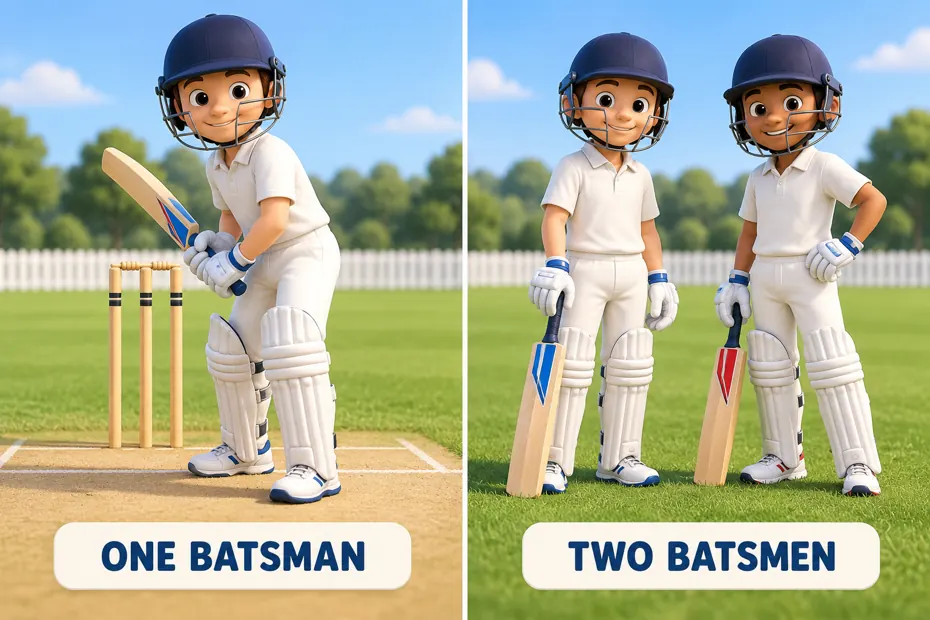
                        One batsman and two batsmen show singular and plural

                        Batsman vs Batsmen: Understanding the Correct Usage for Accurate Reporting

                          Have you ever wondered about the correct usage of “batsman” and “batsmen”? As a cricket enthusiast, I’ve often come across this dilemma myself. In this text, I’ll shed light on the appropriate usage of these terms and help you avoid any confusion.
                          When it comes to cricket, the terms “batsman” and “batsmen” are often used interchangeably. But, there is a subtle difference between the two that can m

                          Cel means animation sheet, cell has biology uses, and sell means trade for money

                          Cel vs Cell vs Sell: Understanding the Differences and Using Appropriately

                            Have you ever found yourself confused between “cel,” “cell,” and “sell”? These three words may sound similar, but they have completely different meanings. In this text, I’ll clarify the differences and help you understand when to use each one appropriately.
                            First, let’s start with “cel.” It’s a term often used in the world of animation and art to refer to a transparent sheet used for drawing or pa