Skip to content

Latest English Guides

Clamber means climb, clammer names a clam gatherer, clamor means noise

Understanding the Distinctions: Properly Utilizing Clamber, Clammer, and Clamvs

    Clamber, clammer, and clamor: a corrected quick answer Clamber means to climb or scramble with effort. A clammer is a person who gathers clams. Clamor means loud noise or an insistent demand; British spelling is clamour. If your sentence describes a noisy crowd, choose clamor, not clammer. If it describes a person working with clams,… Read More »Understanding the Distinctions: Properly Utilizing Clamber, Clammer, and Clamvs
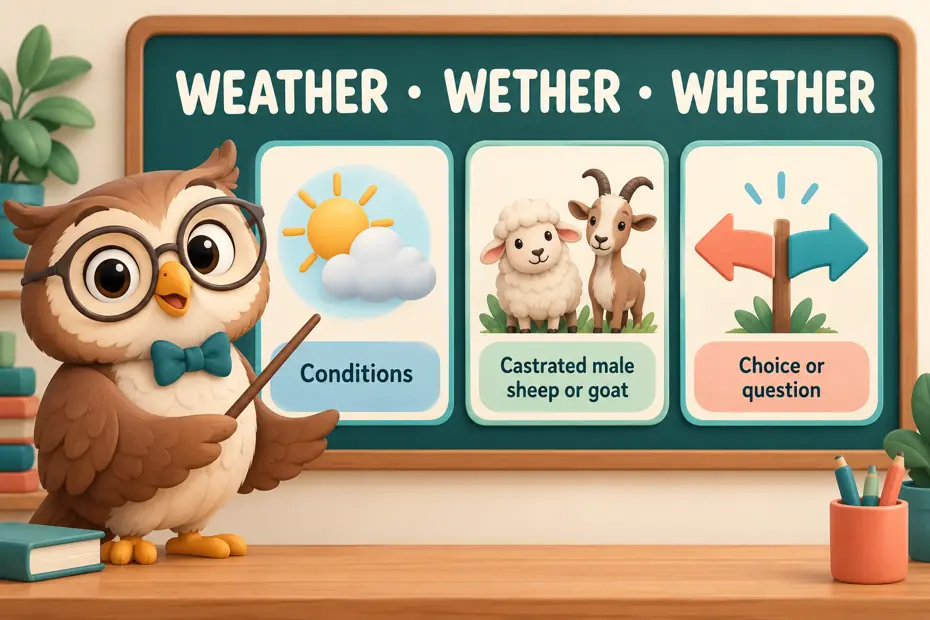
    Wether means a castrated male sheep or goat

    Choosing the Right Word: Understanding the Difference between Weather, Wether, and Whether

      Have you ever found yourself in a predicament, unsure of whether to use “weather,” “wether,” or “whether”? As a language enthusiast, I have encountered this confusion countless times. In this text, I’ll guide you through the proper usage of these commonly misused words, helping you avoid embarrassing mistakes in your writing. We’ll explore the differences between “weather,” referring to the atmosp

      A writing desk contrasts coordinated color swatches with a hotel courtesy tray, illustrating the two meanings

      Complementary vs. Complimentary: Meaning and Examples

        Are you confused about when to use “complementary” and “complimentary”? Well, you’re not alone. These two words may sound similar, but they have distinct meanings and usage. In this text, I’ll guide you through the proper usage of “complementary” and “complimentary,” helping you avoid common mistakes and enhance your communication skills.
        Understanding the difference between “complementary” and “c

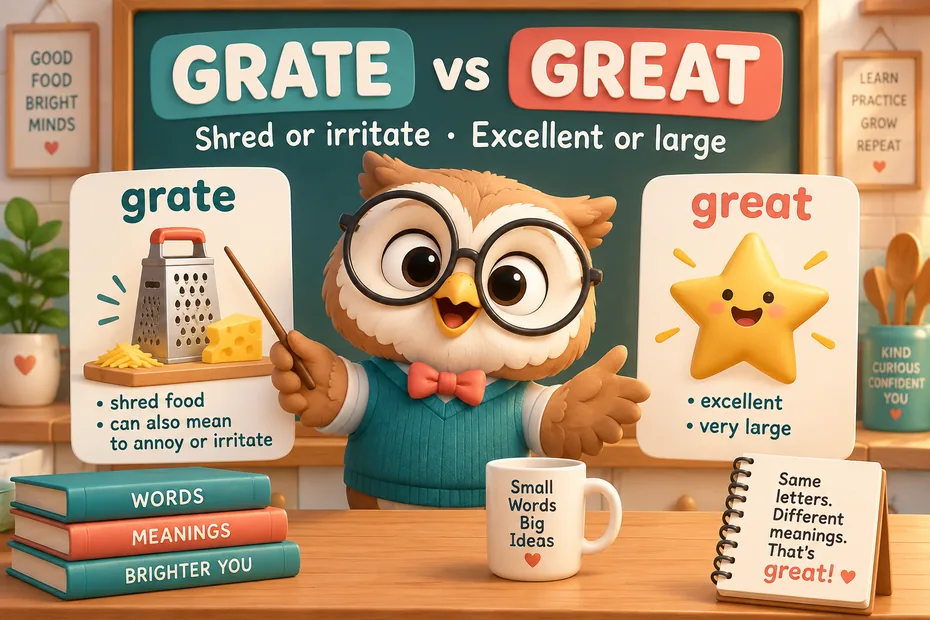
        Grate means shred or irritate; great can mean excellent or large

        Grate vs Great: Mastering Proper Usage for Enhanced Language Skills

          Have you ever found yourself confused between the words “grate” and “great”? Don’t worry, you’re not alone. These two words may sound similar, but they have completely different meanings. In this text, I’ll guide you on how to use “grate” and “great” appropriately, so you can avoid any embarrassing mix-ups.
          Firstly, let’s talk about “grate.” When you hear this word, think of a metal framework with

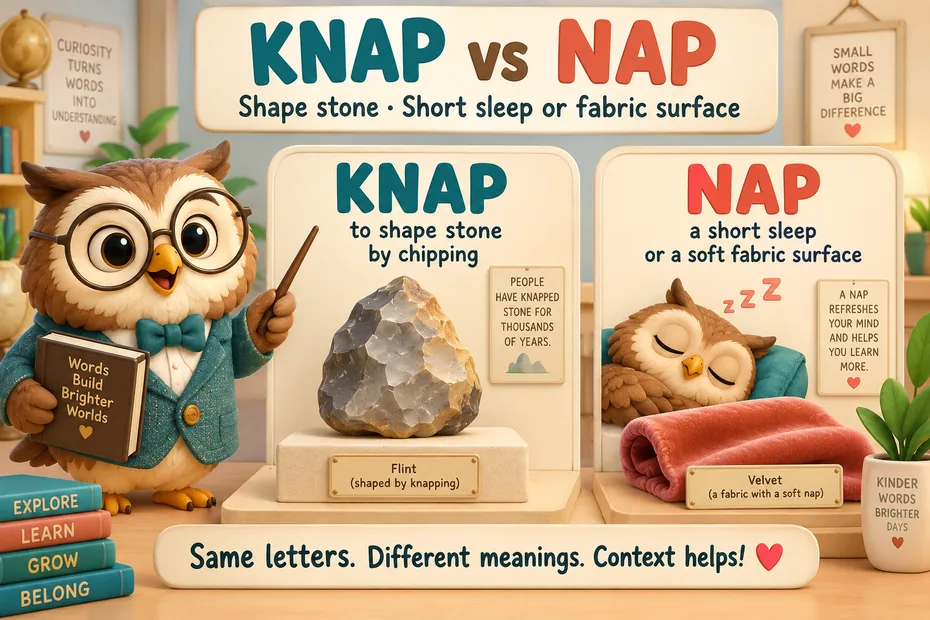
          Knap means shape stone; nap means short sleep or fabric surface

          Understanding the Difference: How to Properly Utilize Knap vs. Nap in Fabric Projects

            When it comes to choosing the right fabric for your projects, the difference between “knap” and “nap” can make all the difference. As a seasoned expert in the world of textiles, I’ve seen firsthand how the appropriate use of these terms can elevate the quality of your creations. In this text, I’ll investigate into the nuances of knap and nap, explaining what they are and how to use them correctly.

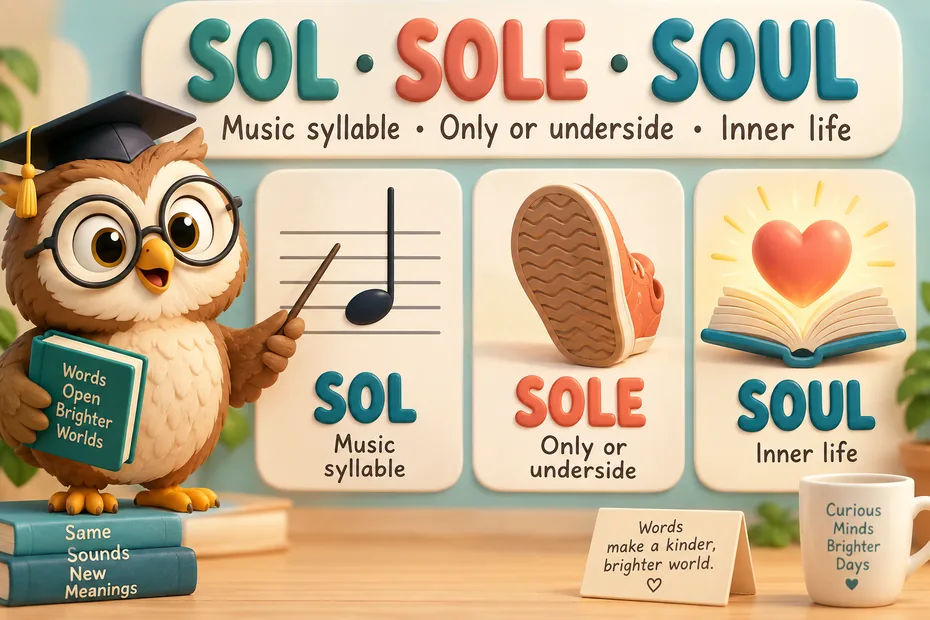
            Sol is a music syllable, sole means only or an underside, soul refers to inner life

            Navigating the Differences: Using “Sol,” “Sole,” and “Soul” Appropriately

              Have you ever found yourself confused between the words “sol,” “sole,” and “soul”? Don’t worry, you’re not alone. In this text, I’ll guide you through the proper usage of these three words, helping you avoid common mistakes and enhance your writing skills. Understanding the distinctions between “sol,” “sole,” and “soul” is crucial for effective communication, as each word carries a unique meaning

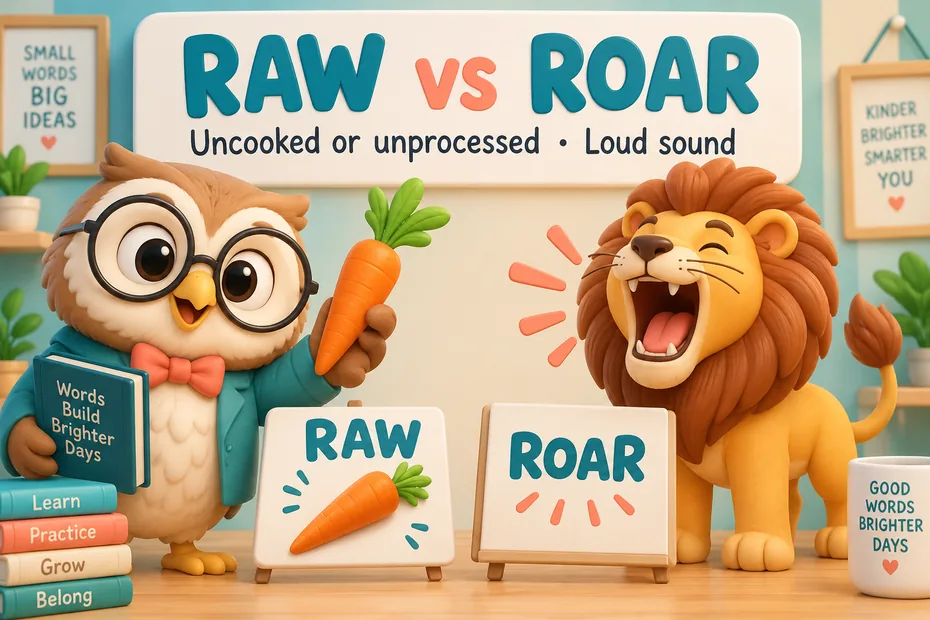
              Raw means uncooked or unprocessed; roar means a loud sound

              Understanding the Difference: Raw vs Roar Data and How to Use Them Appropriately

                Raw vs. roar: the corrected quick answer Raw usually describes something uncooked, unprocessed, unfinished, or emotionally exposed. Roar names or describes a loud sound. “The carrot is raw” describes the carrot’s state. “The lion gave a roar” names a sound. “The crowd roared” describes an action. The older discussion below introduces “roar data” as though… Read More »Understanding the Difference: Raw vs Roar Data and How to Use Them Appropriately

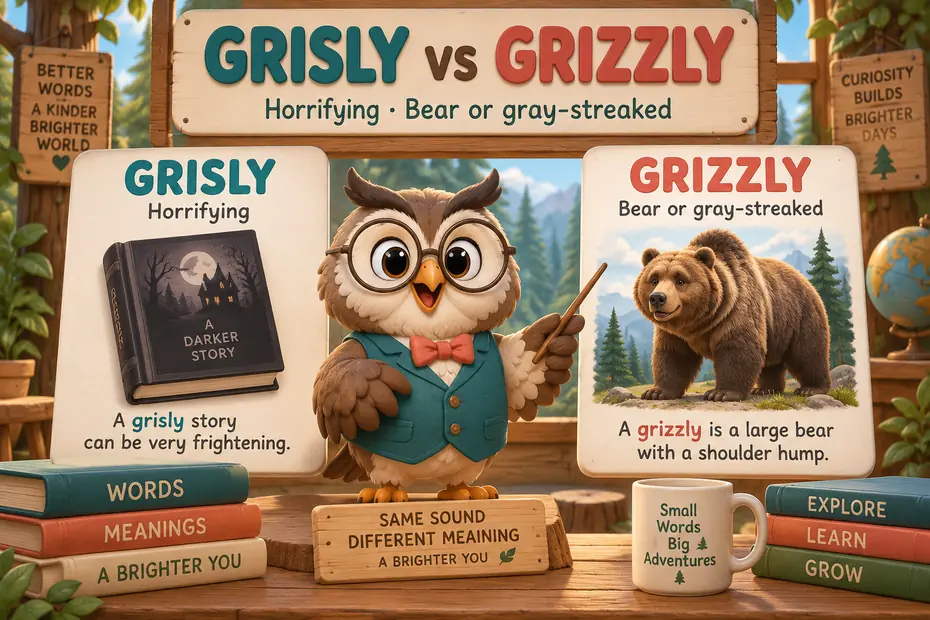
                Grisly means horrifying; grizzly names a bear or gray-streaked appearance

                Grisly vs Grizzly: Understanding and Using Them Appropriately

                  Have you ever found yourself confused between the words “grisly” and “grizzly”? Well, you’re not alone. As an experienced writer, I have encountered countless instances where these two words are mistakenly interchanged. In this text, I’ll shed light on the key differences between “grisly” and “grizzly,” and provide you with practical tips on how to use them appropriately.
                  First and foremost, let’s

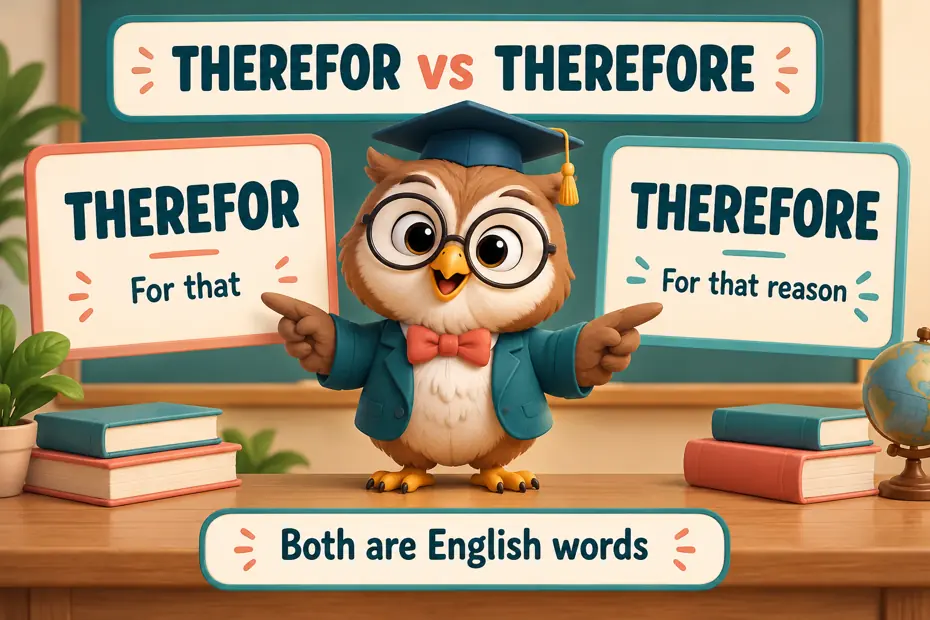
                  Therefor and therefore are both English words: for that and for that reason

                  Mastering the Usage of Therefvs vs Therefvse: Enhancing Clarity and Professionalism

                    Hey there! Have you ever wondered about the difference between “therefvs” and “therefvse”? Well, I’m here to shed some light on this often confusing topic. In this text, I’ll explain the correct usage of these two words and provide some helpful tips to ensure you’re using them appropriately.
                    You might be thinking, “Why does it even matter?” Well, using the right word can make a big difference in t

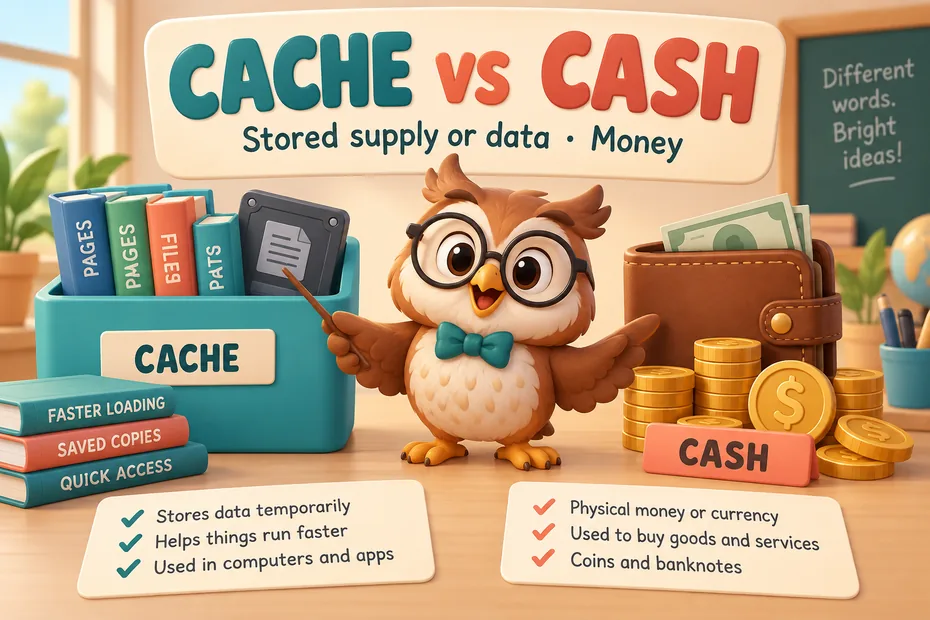
                    Cache means a stored supply or data; cash means money

                    Understanding the Differences: Cache vs Cash and How to Use Them Appropriately

                      Have you ever wondered about the difference between “cache” and “cash”? In this text, I’ll jump into the world of these two terms and explore how they are used appropriately. Understanding the distinction between cache and cash is essential, whether you’re a tech enthusiast or a financial guru. So, let’s begin on this journey together and unravel the secrets behind these words.
                      When it comes to ca

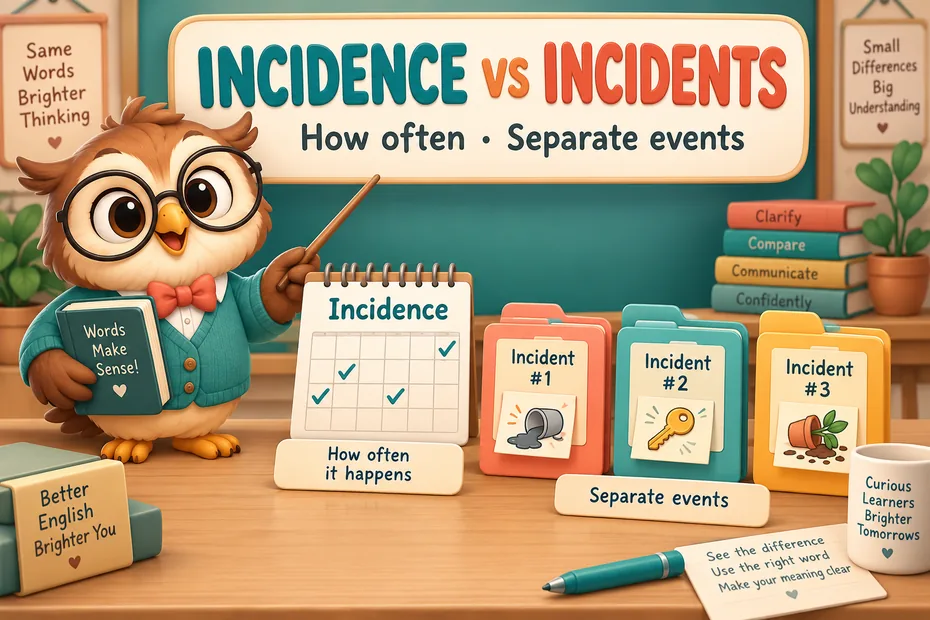
                      Incidence concerns occurrence or frequency; incidents are separate events

                      Understanding the Difference: Using “Incidence” and “Incidents” Appropriately

                        Have you ever wondered about the difference between “incidence” and “incidents”? Well, I’ll shed some light on this common confusion and help you use these words appropriately. In this text, I’ll explain the nuances between “incidence” and “incidents” and provide examples to illustrate their correct usage.
                        Understanding the distinction between these two words is crucial for effective communication

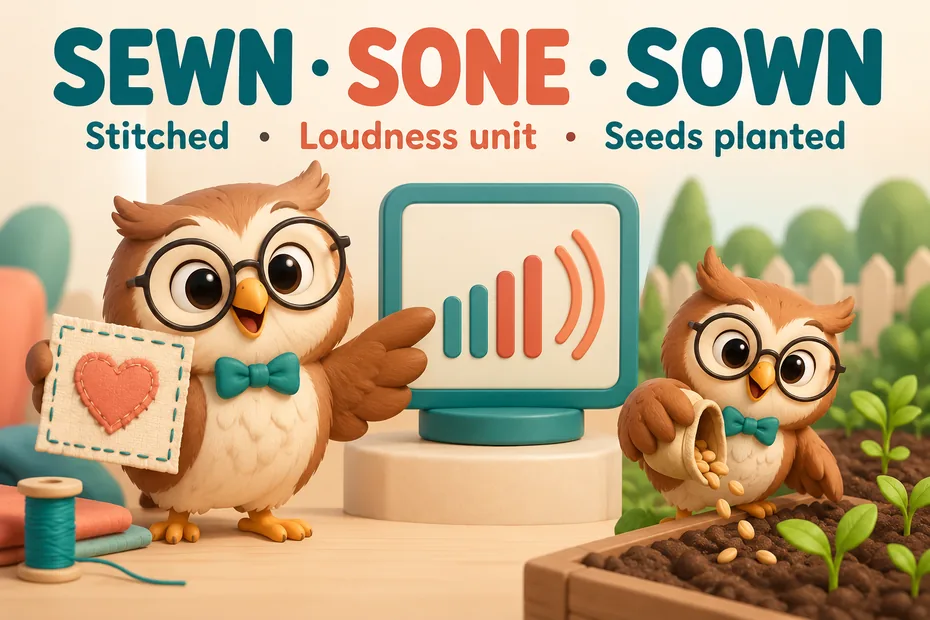
                        Sewn means stitched, sone is a loudness unit, sown refers to planting seeds

                        Mastering the Proper Use of “Sewn,” “Sone,” and “Sown” for Enhanced Grammar Accuracy

                          Have you ever found yourself confused about when to use “sewn,” “sone,” or “sown”? As a language enthusiast, I understand the struggle of exploring through the nuances of English grammar. In this text, I’ll guide you through the proper usage of these three words, ensuring that you never mix them up again. Whether you’re a writer, a student, or simply someone who wants to improve their language ski

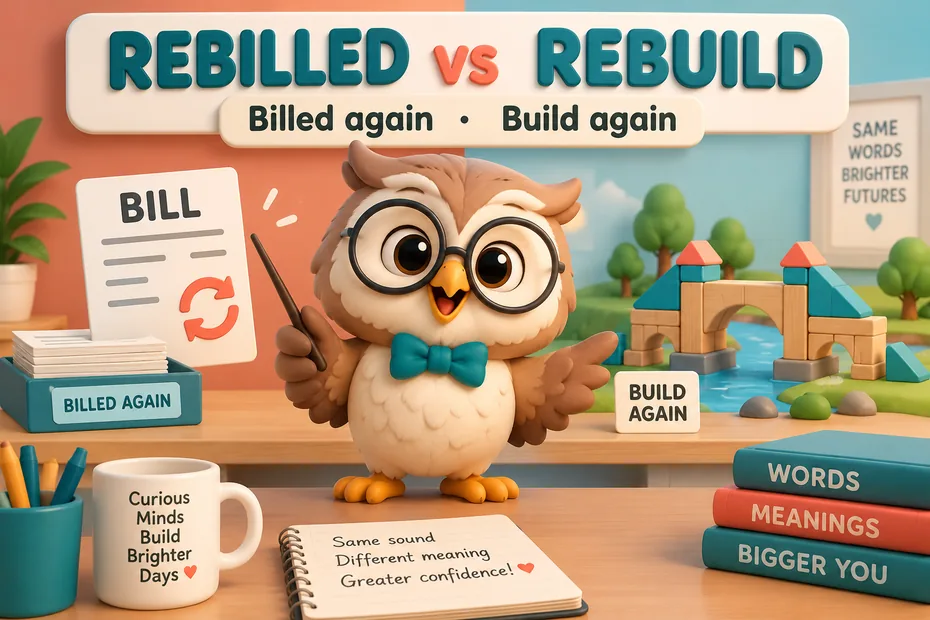
                          Rebilled means billed again; rebuild means build again or restore

                          Rebilled vs Rebuild: Understanding the Appropriate Usage for Effective Project Management

                            When it comes to managing projects, making the right decisions is crucial. One of the key choices that often arises is whether to rebill or rebuild. As an experienced project manager, I have encountered this dilemma countless times. In this text, I’ll investigate into the differences between rebilling and rebuilding and provide insights on when to use each approach appropriately.
                            Rebilling refers

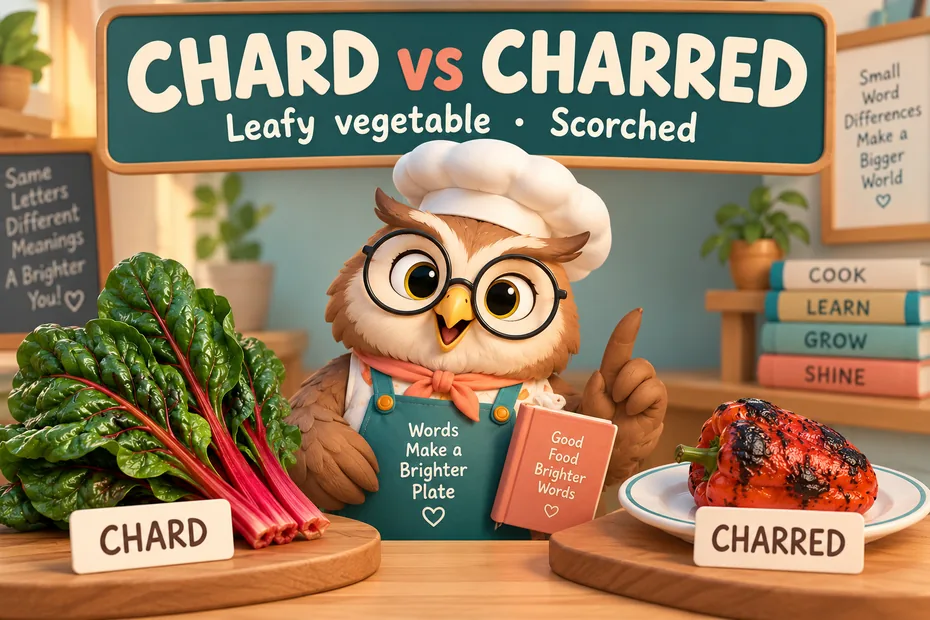
                            Chard is a leafy vegetable; charred means scorched

                            Mastering the Art of Using Chard vs Charred Appropriately: A Culinary Guide

                              Have you ever found yourself confused between two similar-sounding words that have entirely different meanings? Well, you’re not alone. In this text, I’ll be shedding light on the often misunderstood words “chard” and “charred.” As a language enthusiast, I’ve come across countless instances where these words have been used interchangeably, leading to confusion and miscommunication. But fear not, b