Sports in Spanish: Names and Useful Sentences
Sports in Spanish include fútbol for football or soccer, baloncesto for basketball, natación for swimming, and ciclismo for cycling. Learning the noun together with a useful sentence helps more than memorizing a translation alone. Pay attention to accent marks, regional vocabulary, and the difference between playing a game and practising an activity.
Key distinctions at a glance
- fútbol: football or soccer.
- baloncesto: basketball.
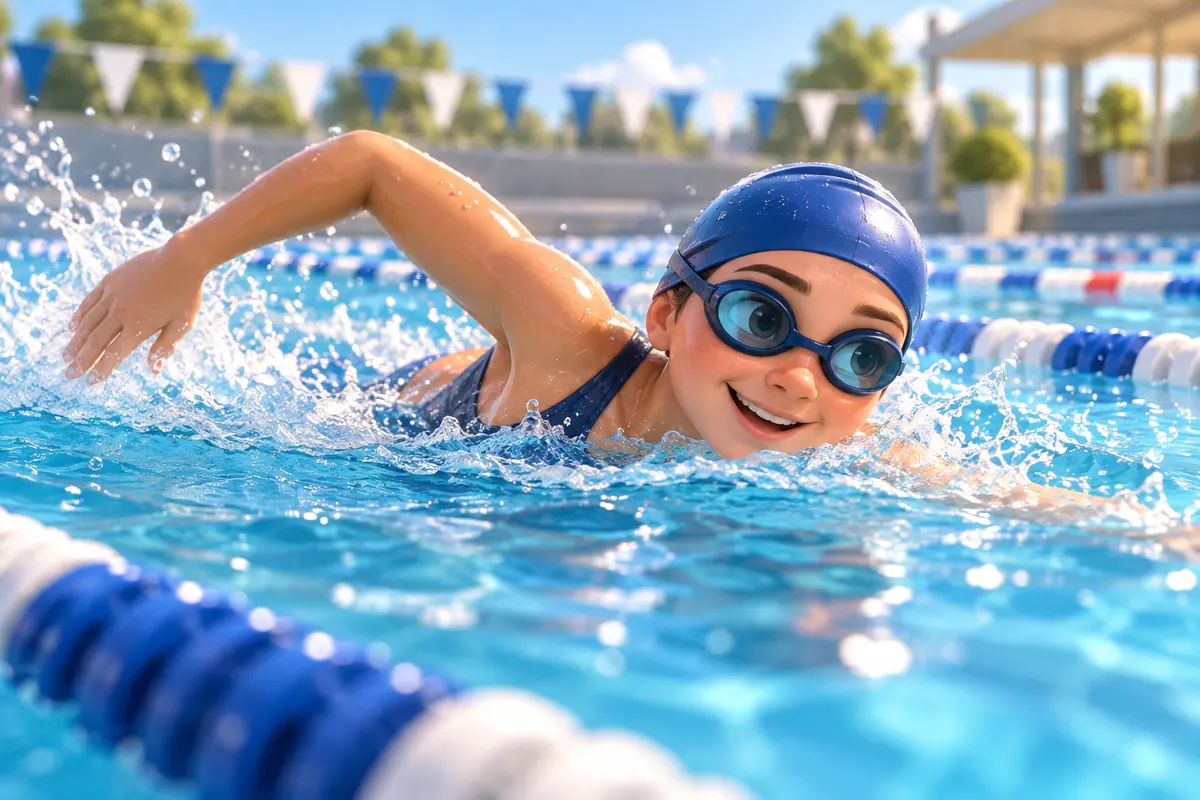
- natación: swimming.
- atletismo: track and field.
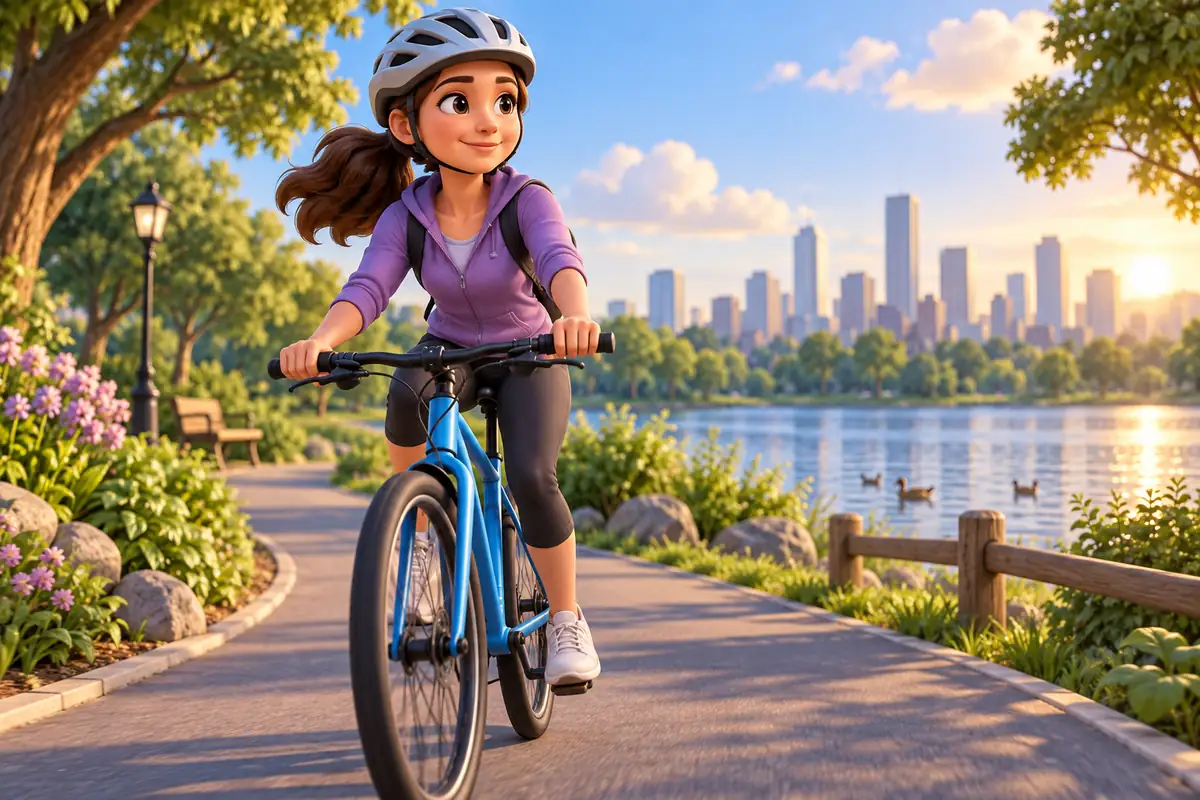
- ciclismo: cycling.
- tenis: tennis.
- balonmano: handball.
- voleibol: volleyball.
Which Spanish sport names are useful?
| Word or choice | Meaning | Example |
|---|---|---|
| fútbol | football or soccer | Me gusta el fútbol. |
| baloncesto | basketball | Juego al baloncesto. |
| natación | swimming | Practico natación. |
| atletismo | track and field | Me interesa el atletismo. |
| ciclismo | cycling | Practico ciclismo. |
| tenis | tennis | Juego al tenis. |
| balonmano | handball | El balonmano es un deporte de equipo. |
| voleibol | volleyball | Jugamos al voleibol. |
Which verbs are useful with sports?
Jugar is commonly used with games and sports, often with a: jugar al fútbol, where a plus el becomes al. Practicar is useful for practising an activity: practicar natación. Usage varies across Spanish-speaking regions, so treat these as helpful standard patterns rather than the only possible wording.
How should regional names be handled?
Baloncesto and básquetbol are both used for basketball; fútbol americano identifies American football when fútbol alone could be ambiguous. Keep the intended sport explicit. Do not translate football without knowing whether the speaker means association football or another code.
How can you practise the vocabulary?
Build short exchanges: “¿Qué deporte practicas?” and “Practico natación.” Add preferences with “Me gusta el tenis.” Read aloud while checking spelling, including the written accents in fútbol and natación. A vocabulary list should distinguish a sport from a general activity or a piece of equipment.
Which sources clarify the distinction?
RAE: deporte. RAE historical dictionary: baloncesto.
Frequently asked questions
Does fútbol mean American football?
Fútbol usually refers to association football, called soccer in some English-speaking countries. Use fútbol americano when you need to identify American football clearly. The English word football is ambiguous across regions, so translate the actual sport being discussed rather than relying on an isolated English label.
How do I say I play basketball?
“Juego al baloncesto” is a useful standard sentence. Baloncesto is one Spanish name for basketball, while básquetbol is also used in different regions. Learn the term common in the setting where you will speak, and keep the verb pattern attached to a complete example.
Do sport names need written accents?
Some do. Fútbol and natación contain written accent marks, while tenis and ciclismo do not. Check each word rather than adding accents by analogy. Written accents belong to standard spelling and can be practised alongside pronunciation when building vocabulary cards or writing example sentences.
How can a beginner learn the list effectively?
Choose a few sports the learner actually watches or practises, then use each name in a preference and an activity sentence. Contrast jugar with practicar in suitable examples. Revisit the words in a short conversation so the learner practises meaning, pronunciation, and grammar together.
Understanding the names of various sports in Spanish is essential for effective communication, especially for enthusiasts, travelers, and language learners. This comprehensive guide provides a list of 50 sports translated from English to Spanish, along with their pronunciations and contextual usage.
Table Containing List Of Sports In Spanish With Pronunciation
| Sports Name in English | Sports Name in Spanish | Pronunciation |
|---|---|---|
| Soccer | Fútbol | [ˈfutbol] |
| Basketball | Baloncesto | [balonˈθesto] |
| Tennis | Tenis | [ˈtenis] |
| Baseball | Béisbol | [ˈbeizbol] |
| Volleyball | Voleibol | [boleiˈbol] |
| Swimming | Natación | [nataˈθjon] |
| Running | Correr | [koˈrer] |
| Cycling | Ciclismo | [θiˈklismo] |
| Boxing | Boxeo | [bokˈseo] |
| Golf | Golf | [ɡolf] |
| Rugby | Rugby | [ˈraɡbi] |
| American Football | Fútbol Americano | [ˈfutbol ameɾiˈkano] |
| Table Tennis | Tenis de Mesa | [ˈtenis de ˈmesa] |
| Badminton | Bádminton | [ˈbadminton] |
| Handball | Balonmano | [balonˈmano] |
| Hockey | Hockey | [ˈxokei] |
| Ice Skating | Patinaje sobre Hielo | [patiˈnaxe ˈsoβɾe ˈjelo] |
| Skiing | Esquí | [esˈki] |
| Snowboarding | Snowboard | [ˈsnowboɾd] |
| Surfing | Surf | [suɾf] |
| Sailing | Vela | [ˈbela] |
| Diving | Buceo | [buˈθeo] |
| Archery | Tiro con Arco | [ˈtiɾo kon ˈaɾko] |
| Wrestling | Lucha Libre | [ˈluʧa ˈliβɾe] |
| Martial Arts | Artes Marciales | [ˈaɾtes maɾˈθjales] |
| Judo | Judo | [ˈʝuðo] |
| Karate | Karate | [kaˈɾate] |
| Taekwondo | Taekwondo | [taekwɔnˈdo] |
| Fencing | Esgrima | [esˈɡɾima] |
| Gymnastics | Gimnasia | [ximˈnasja] |
| Horse Riding | Equitación | [ekiθaˈθjon] |
| Polo | Polo | [ˈpolo] |
| Cricket | Críquet | [ˈkɾiket] |
| Skateboarding | Patineta | [patiˈneta] |
| Rock Climbing | Escalada | [eskalaˈða] |
| Canoeing | Piragüismo | [piɾaˈɣwismo] |
| Rowing | Remo | [ˈremo] |
| Weightlifting | Halterofilia | [alteɾoˈfilja] |
| Triathlon | Triatlón | [tɾjaˈtlon] |
| Snooker | Snooker | [ˈsnuker] |
| Bowling | Bolos | [ˈbolos] |
| Lacrosse | Lacrosse | [laˈkros] |
| Water Polo | Waterpolo | [ˈwateɾpolo] |
| Kiteboarding | Kitesurf | [ˈkaitsuf] |
| CrossFit | CrossFit | [kɾosˈfit] |
| Parkour | Parkour | [paɾˈkuɾ] |
| Fishing | Pesca | [ˈpeska] |
| Windsurfing | Windsurf | [ˈwintsurf] |
| Motor Racing | Automovilismo | [autoˈmoβilismo] |
| Yoga | Yoga | [ˈʝoɣa] |
List Of Sports in Spanish
1. Soccer (Football) – Fútbol
- Pronunciation: [ˈfutbol]
- Example: “El fútbol es el deporte más popular en muchos países hispanohablantes.” (Soccer is the most popular sport in many Spanish-speaking countries.)
2. Basketball – Baloncesto
- Pronunciation: [balonˈθesto]
- Example: “Me gusta jugar al baloncesto con mis amigos los fines de semana.” (I like to play basketball with my friends on weekends.)
3. Tennis – Tenis
- Pronunciation: [ˈtenis]
- Example: “El tenis requiere mucha agilidad y resistencia.” (Tennis requires a lot of agility and endurance.)
4. Baseball – Béisbol
- Pronunciation: [ˈbeizbol]
- Example: “El béisbol es muy popular en países como Estados Unidos y Japón.” (Baseball is very popular in countries like the United States and Japan.)
5. Volleyball – Voleibol
- Pronunciation: [boleiˈbol]
- Example: “El voleibol de playa es una actividad común en las costas españolas.” (Beach volleyball is a common activity on Spanish coasts.)
6. Swimming – Natación
- Pronunciation: [nataˈθjon]
- Example: “La natación es un excelente ejercicio para todo el cuerpo.” (Swimming is an excellent full-body exercise.)
7. Running – Correr
- Pronunciation: [koˈrer]
- Example: “Me gusta correr por el parque cada mañana.” (I like to run in the park every morning.)
8. Cycling – Ciclismo
- Pronunciation: [θiˈklismo]
- Example: “El ciclismo es una forma ecológica de transporte.” (Cycling is an eco-friendly form of transportation.)
9. Boxing – Boxeo
- Pronunciation: [bokˈseo]
- Example: “El boxeo requiere mucha disciplina y entrenamiento.” (Boxing requires a lot of discipline and training.)
10. Golf – Golf
- Pronunciation: [ɡolf]
- Example: “El golf es un deporte que se juega al aire libre en grandes campos.” (Golf is a sport played outdoors on large courses.)
11. Rugby – Rugby
- Pronunciation: [ˈraɡbi]
- Example: “El rugby es un deporte de contacto muy popular en algunos países.” (Rugby is a contact sport very popular in some countries.)
12. American Football – Fútbol Americano
- Pronunciation: [ˈfutbol ameɾiˈkano]
- Example: “El fútbol americano es muy popular en Estados Unidos.” (American football is very popular in the United States.)
13. Table Tennis – Tenis de Mesa
- Pronunciation: [ˈtenis de ˈmesa]
- Example: “El tenis de mesa es un deporte olímpico desde 1988.” (Table tennis has been an Olympic sport since 1988.)
14. Badminton – Bádminton
- Pronunciation: [ˈbadminton]
- Example: “El bádminton es un deporte de raqueta que se juega con una pluma.” (Badminton is a racket sport played with a shuttlecock.)
15. Handball – Balonmano
- Pronunciation: [balonˈmano]
- Example: “El balonmano es muy popular en Europa.” (Handball is very popular in Europe.)
16. Hockey – Hockey
- Pronunciation: [ˈxokei]
- Example: “El hockey sobre hielo es común en países fríos.” (Ice hockey is common in cold countries.)
17. Ice Skating – Patinaje sobre Hielo
- Pronunciation: [patiˈnaxe ˈsoβɾe ˈjelo]
- Example: “El patinaje sobre hielo es una disciplina olímpica.” (Ice skating is an Olympic discipline.)
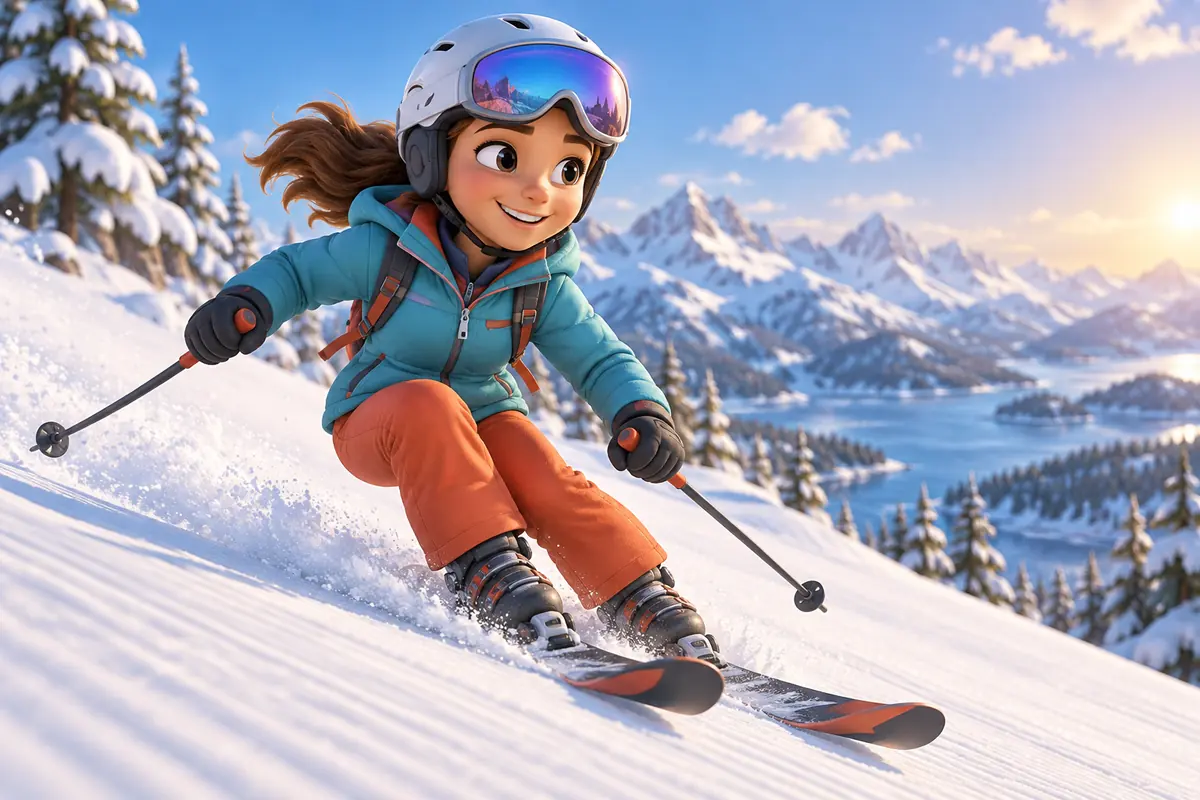
18. Skiing – Esquí
- Pronunciation: [esˈki]
- Example: “El esquí es popular en las montañas durante el invierno.” (Skiing is popular in the mountains during winter.)
19. Snowboarding – Snowboard
- Pronunciation: [ˈsnowboɾd]
- Example: “El snowboard es una actividad emocionante en la nieve.” (Snowboarding is an exciting activity in the snow.)
20. Surfing – Surf
- Pronunciation: [suɾf]
- Example: “El surf se practica en playas con buenas olas.” (Surfing is practiced on beaches with good waves.)
21. Sailing – Vela
- Pronunciation: [ˈbela]
- Example: “La vela es un deporte náutico que requiere habilidad.” (Sailing is a nautical sport that requires skill.)
22. Diving – Buceo
- Pronunciation: [buˈθeo]
- Example: “El buceo en aguas tropicales ofrece vistas impresionantes de la vida marina.” (Diving in tropical waters offers stunning views of marine life.)
23. Archery – Tiro con Arco
- Pronunciation: [ˈtiɾo kon ˈaɾko]
- Example: “El tiro con arco es un deporte que requiere precisión y concentración.” (Archery is a sport that requires precision and focus.)
24. Wrestling – Lucha Libre
- Pronunciation: [ˈluʧa ˈliβɾe]
- Example: “La lucha libre es muy popular en México.” (Wrestling is very popular in Mexico.)
25. Martial Arts – Artes Marciales
- Pronunciation: [ˈaɾtes maɾˈθjales]
- Example: “Las artes marciales incluyen disciplinas como el karate y el judo.” (Martial arts include disciplines like karate and judo.)
26. Judo – Judo
- Pronunciation: [ˈʝuðo]
- Example: “El judo es un arte marcial que se practica en todo el mundo.” (Judo is a martial art practiced worldwide.)
27. Karate – Karate
- Pronunciation: [kaˈɾate]
- Example: “El karate es una disciplina que combina fuerza y filosofía.” (Karate is a discipline that combines strength and philosophy.)
28. Taekwondo – Taekwondo
- Pronunciation: [taekwɔnˈdo]
- Example: “El taekwondo es un deporte olímpico desde 2000.” (Taekwondo has been an Olympic sport since 2000.)
29. Fencing – Esgrima
- Pronunciation: [esˈɡɾima]
- Example: “La esgrima es un deporte que combina estrategia y reflejos.” (Fencing is a sport that combines strategy and reflexes.)
30. Gymnastics – Gimnasia
- Pronunciation: [ximˈnasja]
- Example: “La gimnasia artística requiere fuerza y flexibilidad.” (Artistic gymnastics requires strength and flexibility.)
31. Horse Riding – Equitación
- Pronunciation: [ekiθaˈθjon]
- Example: “La equitación es un deporte que incluye saltos y doma clásica.” (Horse riding is a sport that includes jumping and dressage.)
32. Polo – Polo
- Pronunciation: [ˈpolo]
- Example: “El polo se juega a caballo y es muy popular en Argentina.” (Polo is played on horseback and is very popular in Argentina.)
33. Cricket – Críquet
- Pronunciation: [ˈkɾiket]
- Example: “El críquet es el deporte nacional en países como India y Pakistán.” (Cricket is the national sport in countries like India and Pakistan.)
34. Skateboarding – Patineta
- Pronunciation: [patiˈneta]
- Example: “La patineta es una actividad popular entre los jóvenes.” (Skateboarding is a popular activity among young people.)
35. Rock Climbing – Escalada
- Pronunciation: [eskalaˈða]
- Example: “La escalada requiere fuerza, equilibrio y coraje.” (Rock climbing requires strength, balance, and courage.)
36. Canoeing – Piragüismo
- Pronunciation: [piɾaˈɣwismo]
- Example: “El piragüismo es una actividad popular en ríos y lagos.” (Canoeing is a popular activity in rivers and lakes.)
37. Rowing – Remo
- Pronunciation: [ˈremo]
- Example: “El remo es un deporte en el que se navega usando remos.” (Rowing is a sport in which you navigate using oars.)
38. Weightlifting – Halterofilia
- Pronunciation: [alteɾoˈfilja]
- Example: “La halterofilia es un deporte olímpico que mide la fuerza.” (Weightlifting is an Olympic sport that measures strength.)
39. Triathlon – Triatlón
- Pronunciation: [tɾjaˈtlon]
- Example: “El triatlón combina natación, ciclismo y carrera.” (Triathlon combines swimming, cycling, and running.)
40. Snooker – Snooker
- Pronunciation: [ˈsnuker]
- Example: “El snooker requiere precisión y planificación estratégica.” (Snooker requires precision and strategic planning.)
41. Bowling – Bolos
- Pronunciation: [ˈbolos]
- Example: “Jugar a los bolos es una actividad divertida para todas las edades.” (Bowling is a fun activity for all ages.)
42. Lacrosse – Lacrosse
- Pronunciation: [laˈkros]
- Example: “El lacrosse es un deporte rápido y dinámico.” (Lacrosse is a fast and dynamic sport.)
43. Water Polo – Waterpolo
- Pronunciation: [ˈwateɾpolo]
- Example: “El waterpolo combina natación y estrategia de equipo.” (Water polo combines swimming and team strategy.)
44. Kiteboarding – Kitesurf
- Pronunciation: [ˈkaitsuf]
- Example: “El kitesurf es una actividad emocionante en playas con viento.” (Kiteboarding is an exciting activity on windy beaches.)
45. CrossFit – CrossFit
- Pronunciation: [kɾosˈfit]
- Example: “El CrossFit es una rutina de entrenamiento intensa y popular.” (CrossFit is an intense and popular workout routine.)
46. Parkour – Parkour
- Pronunciation: [paɾˈkuɾ]
- Example: “El parkour es el arte de moverse por obstáculos urbanos.” (Parkour is the art of moving through urban obstacles.)
47. Fishing – Pesca
- Pronunciation: [ˈpeska]
- Example: “La pesca es una actividad relajante y popular.” (Fishing is a relaxing and popular activity.)
48. Windsurfing – Windsurf
- Pronunciation: [ˈwintsurf]
- Example: “El windsurf combina habilidades de navegación y equilibrio.” (Windsurfing combines navigation skills and balance.)
49. Motor Racing – Automovilismo
- Pronunciation: [autoˈmoβilismo]
- Example: “El automovilismo es un deporte emocionante que atrae a millones.” (Motor racing is an exciting sport that attracts millions.)
50. Yoga – Yoga
- Pronunciation: [ˈʝoɣa]
- Example: “El yoga promueve la relajación y el bienestar físico.” (Yoga promotes relaxation and physical well-being.)
Discovering Sports Vocabulary in Spanish
Learning the names of sports in Spanish is an enriching experience that enhances your language skills while deepening your cultural understanding. Sports are a universal language, but knowing their Spanish equivalents can open up conversations, connections, and opportunities, especially in Spanish-speaking countries or communities. Whether you’re a soccer fan talking about “fútbol” or an adventurer passionate about “esquí” (skiing), having this vocabulary is essential.
Why Learn Sports Names in Spanish?
Sports vocabulary is frequently used in everyday conversations, news, and social media. If you’re traveling to Spain, Mexico, or any Latin American country, you’ll often hear terms like “baloncesto” (basketball) or “voleibol” (volleyball) in casual chats or during sports broadcasts. By familiarizing yourself with these terms, you can better engage in discussions, follow local sports events, or simply enjoy the camaraderie of shared interests.
Cultural Significance of Sports
Understanding sports in Spanish isn’t just about learning words; it’s about understanding cultural nuances. For instance, “lucha libre” (wrestling) holds iconic status in Mexico, while “fútbol” is a national passion in Spain and many Latin American countries. Each sport carries traditions and stories that give you a deeper appreciation of the culture.
Benefits of Sports Vocabulary
Adding sports vocabulary to your repertoire enhances your ability to discuss diverse topics in Spanish. It’s particularly helpful for students, travelers, and sports enthusiasts looking to connect with Spanish-speaking friends, colleagues, or locals.
Conclusion
From “natación” (swimming) to “tenis de mesa” (table tennis), this list of sports in Spanish equips you with essential terms for engaging conversations. Whether you’re cheering for your favorite team or planning a sports-filled adventure, this vocabulary bridges the gap between language and culture.
By learning these sports names in Spanish, you not only expand your vocabulary but also enhance your ability to discuss global sports and activities with Spanish speakers. Whether you’re a traveler, a sports enthusiast, or a language learner, knowing these terms adds depth to your conversations and experiences.