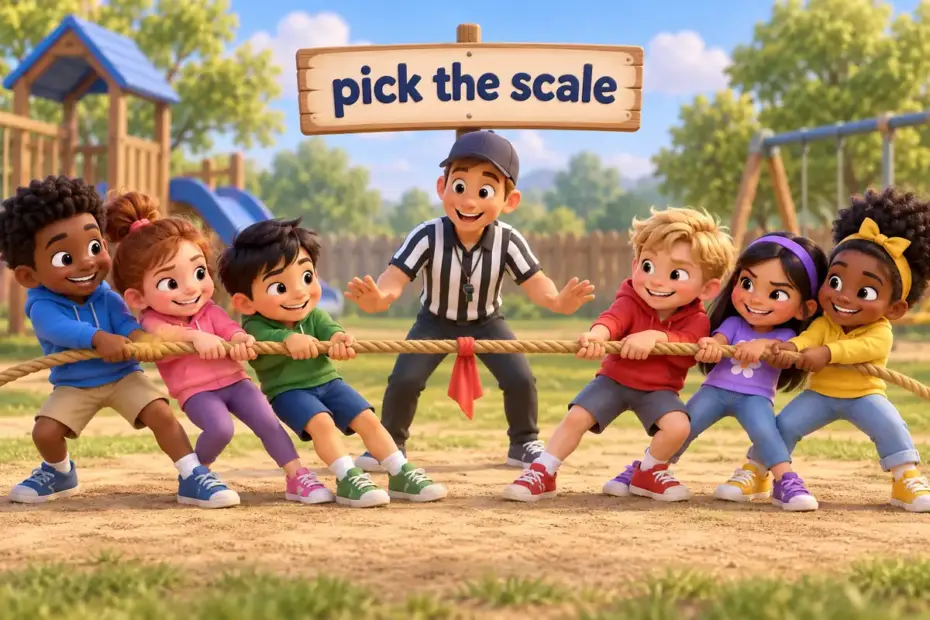
Other words for fight in English split by scale, from a brawl in a playground to a clash between armies. The word works as both a noun and a verb, so the right substitute depends on whether you mean a scuffle or a struggle, and a quarrel is verbal while combat is not.
Other words for fight in English at a glance
- Fight is both a noun and a verb, so its substitutes must match the job in the sentence.
- Brawl, scuffle and skirmish are small or brief; battle and combat are large and serious.
- Quarrel, dispute and argument are verbal, while clash covers both words and blows.
- Struggle suits effort against a difficulty as well as a physical contest.
- The commonest error is using battle for a small private argument, which a quarrel or a dispute describes better.
What does fight mean?
Fight means to use force or strong effort against an opponent, and as a noun it names that contest. The word stretches from a playground scuffle to a soldier’s combat, so it is unusually broad. A close phrasal cousin, fight back, means to resist after being attacked rather than to start the contest.
| Word | Scale | Physical or verbal | Example |
|---|---|---|---|
| brawl | small, messy | physical | A brawl broke out near the gate. |
| scuffle | brief | physical | There was a short scuffle in the queue. |
| skirmish | small clash | physical, military | Troops met in a border skirmish. |
| quarrel | small | verbal | They had a quarrel about money. |
| battle | large | physical or figurative | The battle for the market lasted a year. |
Fight is the wrong choice when the contest is settled in words alone, where quarrel, dispute or argument is more precise. A fight implies force that an argument does not. A fight can also be figurative, as in a fight for justice, where no one throws a punch, and the noun is often softened to scrap or tussle for a playful contest.
How do you use fight and its synonyms in a sentence?
The word changes pattern with its part of speech, and the table sets out the frames learners can copy.
| Pattern | Example | What it signals |
|---|---|---|
| fight + for + cause | They fought for better pay. | Aim or purpose of the effort. |
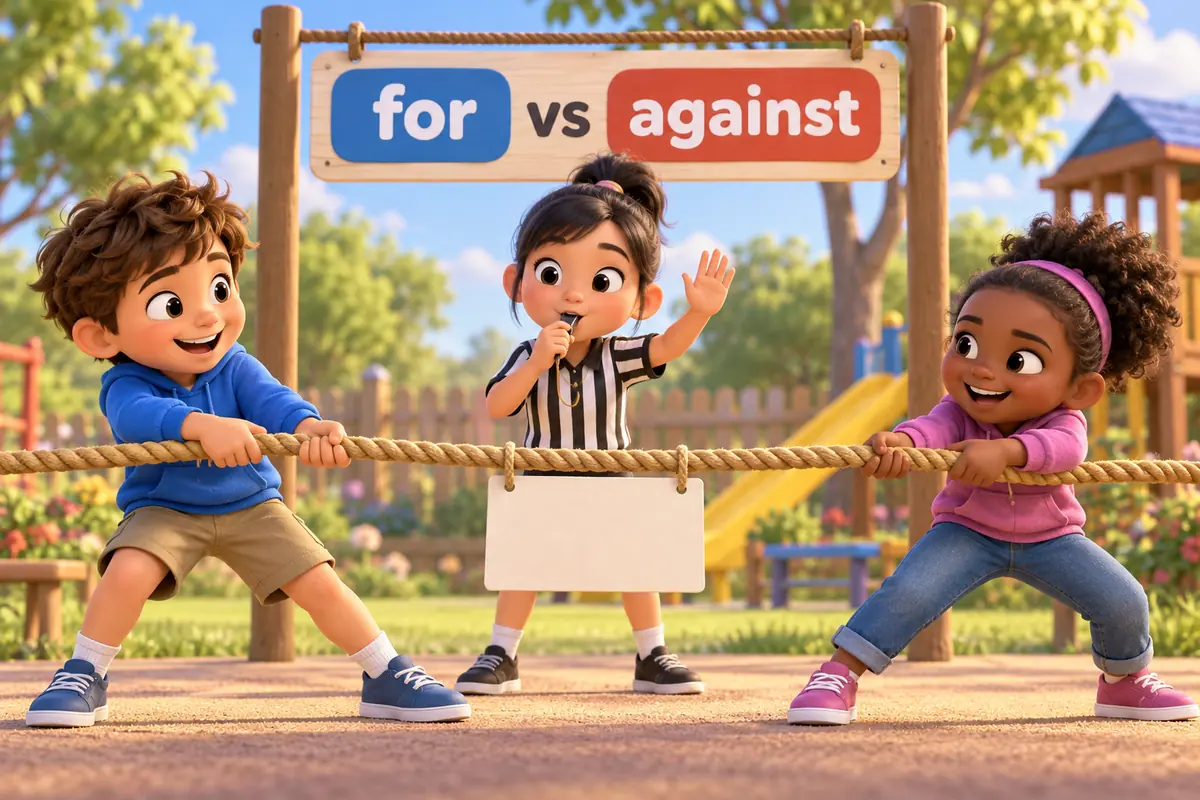
| fight + against + opponent | The team fought against relegation. | The thing being resisted. |
| fight + off + object | He fought off the cold. | Keeping something away. |
| a fight + over or about + issue | There was a fight about the rules. | The subject of the dispute. |
A related phrase, fight off, keeps an illness or an attacker at a distance rather than defeating it outright. The noun rarely names a person directly; writers say the fight between the two sides rather than the fight of them.
Other words for fight: examples across contexts
The substitute should match the scale and the register. The table shows the same idea in ten different settings.
| Context | Sentence | Why this works |
|---|---|---|
| News report | A brawl broke out after the final whistle. | Brawl suits a small, messy public fight. |
| Sports story | The two teams fought for the title all season. | Fight for names a shared aim. |
| Legal writing | The dispute went to arbitration. | Dispute fits a formal, verbal contest. |
| History essay | The battle decided the fate of the region. | Battle matches a large, decisive clash. |
| Classroom | The children had a quarrel over the crayons. | Quarrel is gentle and verbal. |
| Workplace email | We should not turn this into a fight. | Fight reads as a caution against conflict. |
| Fiction | A brief scuffle echoed down the alley. | Scuffle paints a short physical moment. |
| Health writing | Your body fights off the virus on its own. | Fight off suits resistance to illness. |
| Comment piece | It is a fight for the future of the town. | Fight for frames a long campaign. |
| Story for children | The knights clashed at the castle gate. | Clash keeps a big conflict light enough for kids. |
The word also takes many describing adjectives; see adjectives for fight. In sports writing the verb often names a shared goal, so both teams can fight for the same prize without fighting each other.
Which word for fight should you use?
Match the word to the scale and the register. The table maps five common situations to a firm recommendation.
| Situation | Best word | Why |
|---|---|---|
| A small public scuffle | brawl | Names a brief, messy physical clash. |
| A family argument | quarrel | Keeps the contest verbal and personal. |
| A formal disagreement | dispute | Neutral and precise in writing. |
| A long campaign | battle | Frames a large, drawn-out contest. |
| Resisting illness | fight off | Names resistance rather than attack. |
When in doubt, choose the word that names the scale most plainly, because a reader should not have to guess how serious the contest is.
Word forms and grammar of the fight family
The family spreads across parts of speech, which is why learners mix the forms.
| Form | Part of speech | Example |
|---|---|---|
| fight | verb | They fought all afternoon. |
| fight | noun | The fight lasted only a minute. |
| fighter | noun | She is a determined fighter. |
| fighting | verb form | Fighting stopped at dusk. |
| fought | past tense | He fought in two campaigns. |
A vivid idiom is fight tooth and nail, which means to resist with all your strength, and it stays fixed in that form. Fighting also forms compounds such as firefighting and infighting, which pack a struggle into one word. The past tense fought is irregular, so it never becomes fighted.
Common mistakes with fight and its synonyms
We had a battle about the washing-up.Corrected: We had a quarrel about the washing-up. Rule: battle is too large for a small domestic dispute.He fought with the cold.Corrected: He fought off the cold. Rule: resistance to illness takes fight off.They fought for each other.Corrected: They fought against each other. Rule: against names the opponent, for names the aim.The dispute erupted into a quarrel of words.Tighten it: The quarrel stayed verbal. Rule: dispute and quarrel are both verbal, so the pair is redundant.She is a fight person.Corrected: She is a fighter, or she is determined. Rule: the quality takes the noun fighter, not the bare verb.
Practice using other words for fight in English
- Fill the blank: A ____ broke out near the stadium gate.
- Choose the better word for a family disagreement: (battle / quarrel).
- Correct the error: He fought with the flu for a week.
- Build a sentence about a long campaign, using battle as a noun.
- Pick the word for a short physical clash in a car park.
- Fill the blank: Your body ____ off the virus on its own.
- Which phrase means to resist with all your strength, and does it change form?
Answers
- A brawl broke out near the stadium gate. Brawl fits a small public scuffle.
- Quarrel. It keeps the contest verbal and personal.
- He fought off the flu for a week. Resistance to illness takes fight off.
- The battle for the market lasted a year. Battle frames a large, drawn-out contest.
- Scuffle. It names a brief physical moment.
- Your body fights off the virus on its own. Fight off names resistance.
- Fight tooth and nail. It is a fixed idiom and never changes shape.

The bottom line
Other words for fight in English let you set the scale and the register, from a small scuffle to a decisive battle. Choose quarrel or dispute for words, brawl or skirmish for blows and fight off for resistance to illness. The exact word tells the reader how big the contest is and whether it uses fists or arguments.
Frequently asked questions about other words for fight in English
What is a synonym for a small fight?
Scuffle and brawl both name small physical fights, with brawl suggesting more mess and noise. For a spoken contest, quarrel or argument is the right word. Skirmish works when the clash is brief and military, so it rarely fits a household disagreement.
What is the difference between a fight and a battle?
A fight is the broad word and can be small or private, while a battle is large and often decisive. A fight may last a minute; a battle can last days or become a long figurative campaign. Use battle when the scale and the stakes are high.
Is quarrel the same as argument?
They are close, but a quarrel sounds more personal and a little older, often within a family. An argument is more neutral and common. Neither involves force, so both differ from a fight, which implies physical action unless the context says otherwise.
Can fight be a noun and a verb?
Yes, fight works as both. As a verb it takes for to name an aim and against to name an opponent, as in they fought for better pay. As a noun it usually follows there was or a fight broke out. The form changes the pattern, not the meaning.