Skip to content
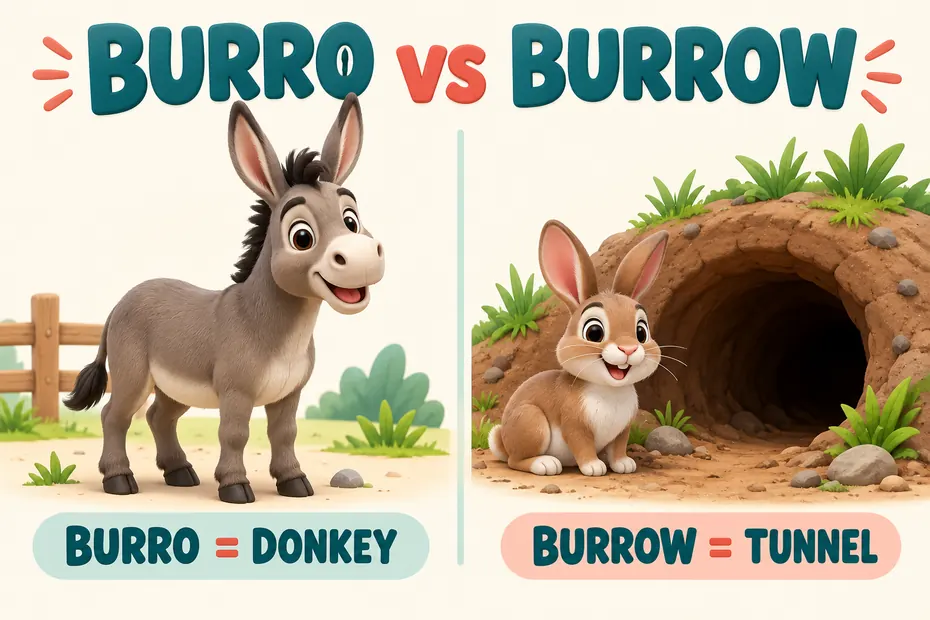
Burro means donkey; burrow means animal tunnel or shelter.

Burro vs Burrow: Meanings, Examples and Borough Clarification

    Are you confused about when to use “bvsough,” “burro,” or “burrow”? Well, you’re not alone. These three words may sound similar, but they have completely different meanings and uses. In this text, I’ll guide you through the appropriate usage of each word, helping you avoid embarrassing mistakes and enhance your language skills. Whether you’re a native English speaker or learning the language, unde


    Immanent means within; imminent means soon.

    Understanding the Difference: Immanent vs. Imminent and How to Use Them Appropriately

      Have you ever found yourself confused between the words “immanent” and “imminent”? Don’t worry, you’re not alone. These two words may sound similar, but they have distinct meanings that are often misused. In this text, I’ll guide you through the proper usage of “immanent” and “imminent” so that you can confidently use them in your writing.
      Immanent and imminent are often confused due to their simi

      Chased describes pursuit; chaste can describe simple design.

      Using “Chased” vs “Chaste” Appropriately: Practical Tips for Understanding the Difference and Avoiding Confusion

        Have you ever found yourself confused between the words “chased” and “chaste”? Don’t worry, you’re not alone. As an expert writer, I’ve encountered countless instances where these two words are mistakenly interchanged. In this text, I’ll guide you through the correct usage of “chased” and “chaste” and help you avoid embarrassing mix-ups in your writing. We’ll explore the meanings, contexts, and ex

        Paw names an animal foot; pour describes a flowing action.

        Paw vs Pour: Meanings, Examples and the Paws or POVs Clarification

          Have you ever found yourself confused about when to use “paw,” “povs,” or “pour”? Don’t worry, you’re not alone. In this text, I’ll guide you through the proper usage of these commonly confused words, helping you avoid embarrassing mistakes. Whether you’re a native English speaker or learning the language as a second language, understanding the differences between “paw,” “povs,” and “pour” is esse

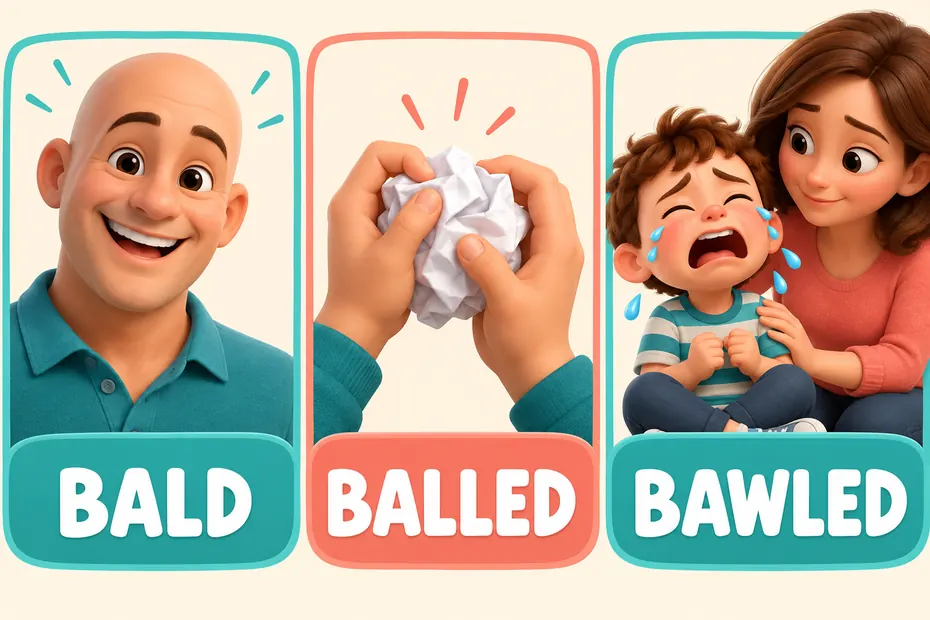
          Bald describes missing hair; balled means formed a ball; bawled means cried loudly.

          Understanding the Distinctions and Appropriate Usage of Bald, Balled, and Bawled

            Are you confused about the differences between “bald,” “balled,” and “bawled”? Don’t worry, I’ve got you covered. As a language expert, I often come across these words being misused, and it’s time to set the record straight. In this text, I’ll walk you through the correct usage of these words, so you can confidently express yourself without any confusion. From the smooth scalp of a bald person to

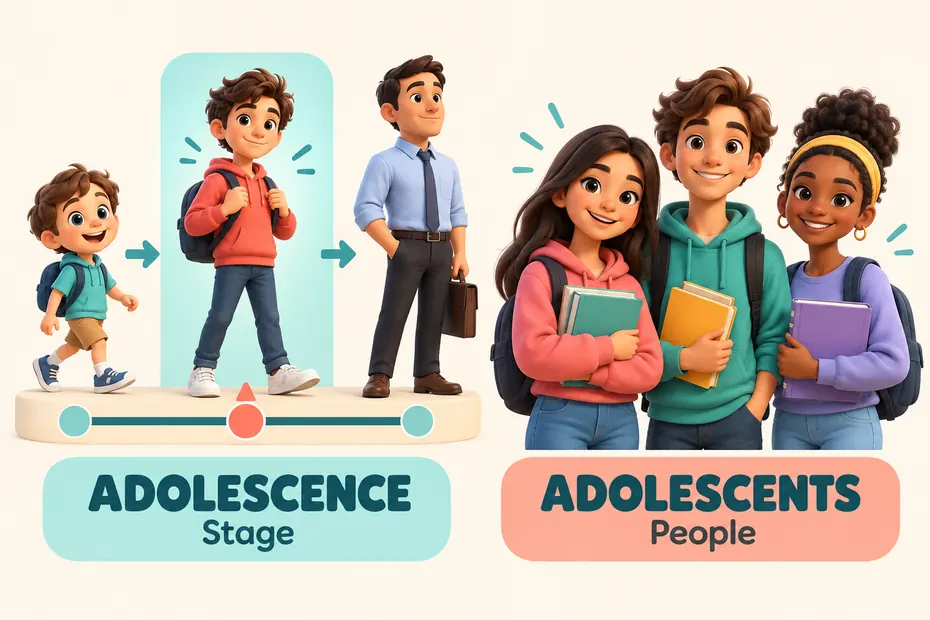
            Adolescence names a stage; adolescents names the people.

            Understanding the Difference: Adolescence vs Adolescents and How to Use Them Appropriately

              As an expert blogger with years of experience, I’ve come across a common confusion when it comes to the terms “adolescence” and “adolescents.” In this text, I’ll shed light on the difference between these two terms and how to use them appropriately. Understanding the distinction is crucial for effective communication, especially when discussing the developmental stage of young individuals. So, let

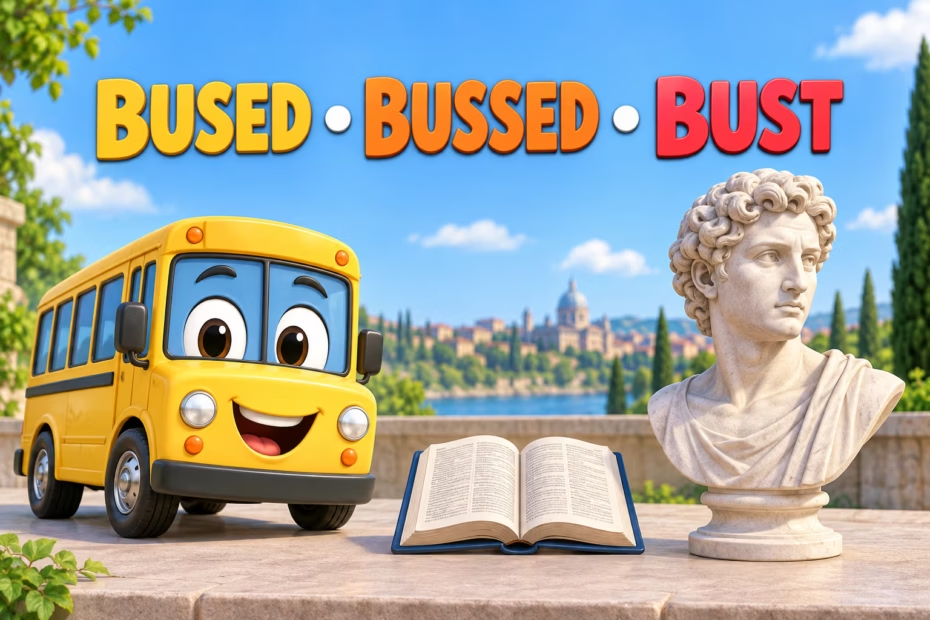
              Cartoon yellow bus, open dictionary, and marble bust beneath the title Bused, Bussed, Bust.

              Bused vs Bussed vs Bust: Understanding and Using Them Appropriately

                Quick Answer: Bused vs. Bussed vs. Bust Quick answer: For the transportation verb, both “bused” and “bussed” are accepted past-tense and past-participle spellings. Cambridge maps “bused” mainly to U.S. usage and “bussed” mainly to U.K. usage, while Merriam-Webster lists both. “Bust” is a separate word: its verb can mean break, and its noun can mean… Read More »Bused vs Bussed vs Bust: Understanding and Using Them Appropriately

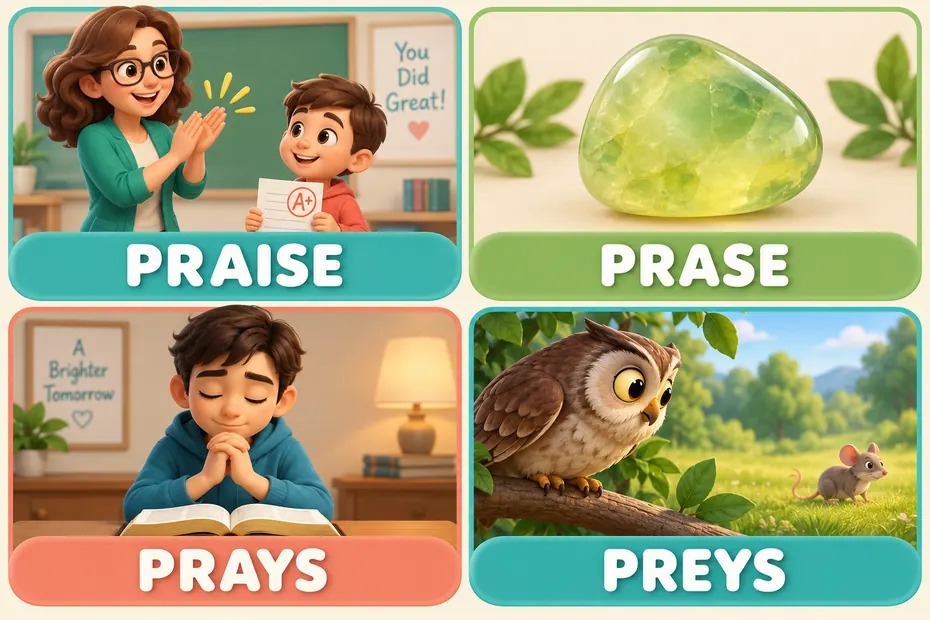
                Praise, prase, prays and preys have distinct meanings.

                Understanding and Using “Praise,” “Prase,” “Prays,” and “Preys” Appropriately

                  Have you ever found yourself confused about when to use “praise,” “prase,” “prays,” or “preys”? Don’t worry, you’re not alone. These words may sound similar, but they have completely different meanings and uses. In this text, I’ll guide you through the correct usage of each word, helping you avoid embarrassing mistakes in your writing. Whether you’re a student, a professional, or simply someone wh

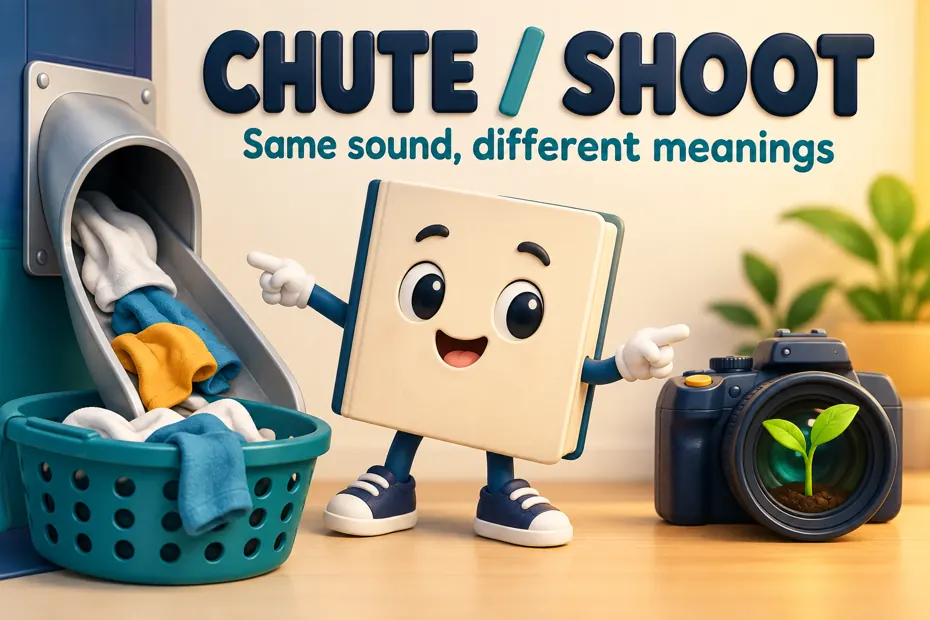
                  Book mascot compares a laundry passage, camera, and plant shoot.

                  Understanding the Difference Between Chute and Shoot: Proper Usage Explained

                    When it comes to using the words “chute” and “shoot,” it’s crucial to understand their appropriate usage to avoid any confusion. In this text, I’ll provide a clear distinction between these two commonly confused terms and guide you on how to use them correctly in your writing. Whether you’re a seasoned writer or just starting out, mastering the proper usage of these words will enhance the clarity

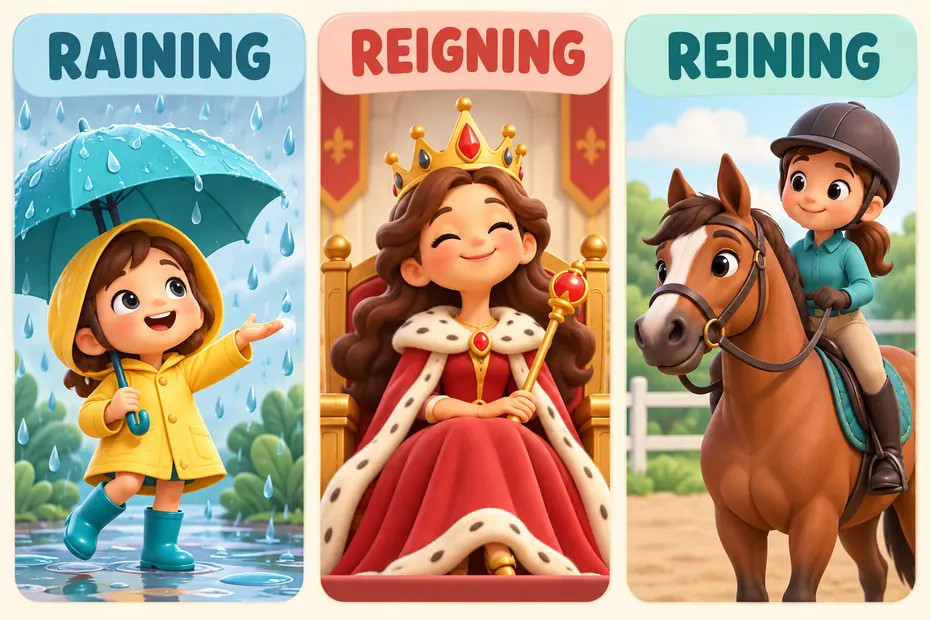
                    Raining concerns falling rain, reigning concerns rule and reining concerns guidance or restraint.

                    Understanding the Difference: Raining vs Reigning vs Reining and How to Use Each Appropriately

                      Raining vs Reigning vs Reining: Which Word Fits? Raining means rain is falling, or something is falling abundantly like rain. Reigning means ruling, holding a title, or prevailing. Reining means guiding with reins or restraining something, especially in reining in. All three normally sound alike. Choose by meaning: weather, rule, or restraint. Correction to the… Read More »Understanding the Difference: Raining vs Reigning vs Reining and How to Use Each Appropriately

                      Lead can mean guide, lede names a news opening and Lied can name an art song.

                      Understanding “Lead vs Lede vs Lied: Using Appropriately” for Effective Writing

                        Are you confused about the correct usage of lead, lede, and lied? Well, you’re not alone. As a seasoned writer, I’ve encountered this dilemma countless times. In this text, I’ll shed light on the differences between these three words and provide you with the knowledge you need to use them appropriately. Whether you’re a journalist, a blogger, or simply someone who wants to enhance their writing sk

                        Bloc commonly names a shared-purpose group; block can name a piece of material.

                        Bloc vs Block: Understanding and Using Them Appropriately for Effective Communication

                          Bloc vs Block: Which Spelling Should You Use? Bloc usually names people, groups or countries acting together for a shared purpose. Block commonly names a piece of material, a city section, a grouped quantity, or an obstacle; as a verb it can mean obstruct. For everyday editing, choose voting bloc, building block, and block the… Read More »Bloc vs Block: Understanding and Using Them Appropriately for Effective Communication