Skip to content
A writer compares two open reference books with blank pages.

Cite vs Sight vs Site: Sources, Seeing, and Places

    As a seasoned writer, I’ve come across countless instances where the confusion between “cite,” “sight,” and “site” has caused some serious communication mishaps. It’s a common mistake, but one that can be easily avoided with a little knowledge and practice. In this text, I’ll investigate into the differences between these three words and provide you with some tips on how to use them appropriately.


    Two people take turns speaking across a small table.

    Manners Meaning and the Unsupported Form Manvss

      Have you ever found yourself in a situation where you weren’t sure how to act? Maybe you were torn between being polite and following the latest trends. In today’s rapid world, the line between manners and manvss (man versus society) can often become blurred. In this text, I’ll explore the importance of using appropriate behavior in various situations and how it can impact our relationships and in

      An organizer hands over a blank card at a desk.

      Waiving vs Waving: Exempting and Signaling

        Have you ever found yourself unsure whether to use “waiving” or “waving” in your writing? It’s a common dilemma that can lead to confusion and mistakes. But fear not, because in this text, I’ll guide you through the proper usage of these two words. Understanding when to use “waiving” and when to use “waving” is crucial for effective communication. Whether you’re writing an email, a blog post, or a

        A curved rope section rests on a sailor’s workbench.

        Bight vs Bite vs Byte: Curves, Teeth, and Data

          Have you ever found yourself confused between the words “bight,” “bite,” and “byte”? Well, I’ll be your guide through the maze of these similar-sounding words and help you use them appropriately. In this text, I’ll break down the differences between bight, bite, and byte, and provide clear examples to ensure you never mix them up again.
          We’ll start by exploring the word “bight,” which refers to a

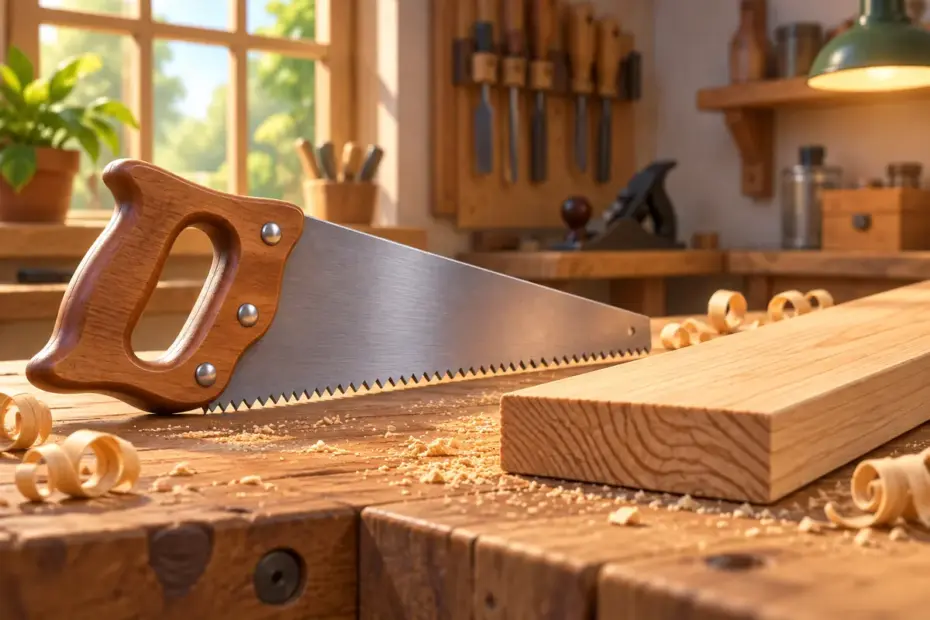
          A carpenter’s saw rests beside a wooden board.

          Saw vs Soar: Seeing, Tools, and Rising

            Have you ever found yourself confused about when to use “saw,” “soar,” or “svse” in your writing? Well, you’re not alone. These three words may sound similar, but they each have distinct meanings and usage. In this text, I’ll guide you through the proper usage of “saw,” “soar,” and “svse,” so you can confidently incorporate them into your writing.
            First, let’s tackle “saw.” It’s a simple past tens

            A person turns away while another holds a plain note card.

            Callous vs Callus: Insensitivity and Thickened Skin

              Have you ever found yourself confused between the words “callous” and “callus”? Well, I’ll let you in on a little secret – you’re not alone! Many people struggle with distinguishing between these two terms. But fear not, because in this text, I’ll guide you through the proper usage of “callous” and “callus” and help you avoid any embarrassing mix-ups.
              First, let’s clarify the difference between th

              A tray holds three empty cups on a table.

              Tray vs Trey: Carrying Surfaces and the Number Three

                Are you tired of using “tray” and “trey” interchangeably? As a language enthusiast, I’ve encountered this confusion countless times, and it’s time to set the record straight. In this text, I’ll guide you on the appropriate usage of “tray” and “trey” to ensure you never mix them up again. We’ll explore the subtle differences between these two words and provide practical examples to help you grasp t

                A comb and a brush rest beside a strand of hair.

                Hair vs Hare: Strands and an Animal

                  Have you ever found yourself confused between “hair” and “hare”? Don’t worry, you’re not alone. As a language enthusiast, I’ve come across this common mix-up countless times. In this text, I’ll shed light on the difference between “hair” and “hare” and provide you with practical tips on how to use them appropriately.

                  Firstly, let’s clarify the basics. “Hair” refers to the strands that grow on our