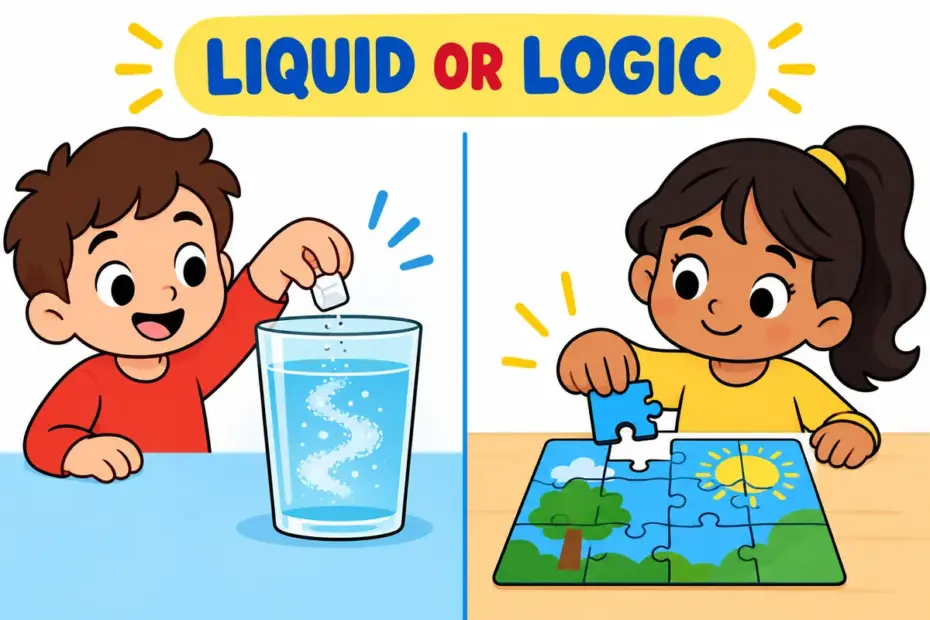
Soluble vs solvable is an easy pair to confuse, so start with the noun: soluble means able to dissolve in a liquid, while solvable means able to be solved. Powders and gases are soluble, while equations, riddles and disputes are solvable. Checking the noun settles the choice.
Soluble vs solvable at a glance
- Soluble is an adjective describing substances that dissolve in a liquid.
- Solvable is an adjective describing problems, equations or disputes that can be solved.
- The usual nouns are sugar, salt, gas and powder for soluble, and puzzle, equation and dispute for solvable.
- The deciding question is whether something dissolves or whether something can be answered.
- The commonest error is writing a soluble problem for a solvable one.
What does soluble mean and what does solvable mean?
Soluble is an adjective meaning able to dissolve in a liquid, as sugar is soluble in water. Solvable is an adjective meaning able to be solved, as a puzzle or an equation is solvable. The Cambridge entry for soluble and the entry for solvable keep the two apart: one word describes dissolving, the other describes an answer.
| Distinct use | Word | Plain meaning | Example sentence |
|---|---|---|---|
| Dissolves | soluble | Mixes into a liquid and disappears | Sugar is soluble in warm water. |
| Can be answered | solvable | Has a solution that can be found | The equation is solvable in two steps. |
| Can be settled | solvable | Can be resolved by agreement | The dispute is solvable with a mediator. |
One limitation is worth stating plainly. Soluble once meant able to be explained or solved, and that older sense survives in a few formal phrases, but in modern writing a soluble problem sounds like a chemistry error. The negatives hide a second trap: insoluble can mean both cannot dissolve and cannot be solved, while unsolvable means only the second. Where something can be made clear rather than dissolved, understandable to a beginner is the plainer adjective.
Soluble vs solvable compared
Soluble answers the question does it dissolve, and solvable answers the question can it be solved, so the two words almost never compete for the same noun. The table below sets the deciding criteria side by side.
| Attribute | soluble | solvable |
|---|---|---|
| Describes | Substances and gases | Problems, puzzles and equations |
| Key question | Does it dissolve in a liquid? | Can it be solved? |
| Typical nouns | Sugar, salt, oxygen, powder | Equation, riddle, dispute, puzzle |
| Main field | Chemistry, cooking and medicine | Maths, logic and everyday planning |
| Opposite | Insoluble | Unsolvable; insoluble also fits but is ambiguous |
| Register | Technical to neutral | Neutral |
| Risk of confusion | High, because of the old sense | Low |
Verdict: choose soluble for anything that dissolves and solvable for anything that has an answer, and treat a soluble problem as a mistake even though older writers allowed it.
How do you use soluble and solvable in a sentence?
Soluble normally takes in plus a liquid, while solvable normally takes by or with plus the solver or the method. Both adjectives grade with more, less, highly or barely, and neither one is used as a verb.
| Pattern | Example | What it signals |
|---|---|---|
| soluble + in + liquid | Salt is soluble in water. | The standard chemical frame. |
| highly/readily + soluble | The powder is highly soluble. | Grades how easily it dissolves. |
| solvable + by/with + method | The puzzle is solvable by young children. | Names who or what can solve it. |
| solvable + problem/equation | It is a solvable problem. | The standard frame for a fixable difficulty. |
| barely/hardly + solvable | The riddle is barely solvable. | Grades how close the solution is. |
The prepositions are the reliable test: if in a liquid fits after the adjective, the word is soluble. When the difficulty is practical rather than logical, tractable for a stubborn task is the more precise adjective, because tractable implies a manageable problem rather than a solved one.
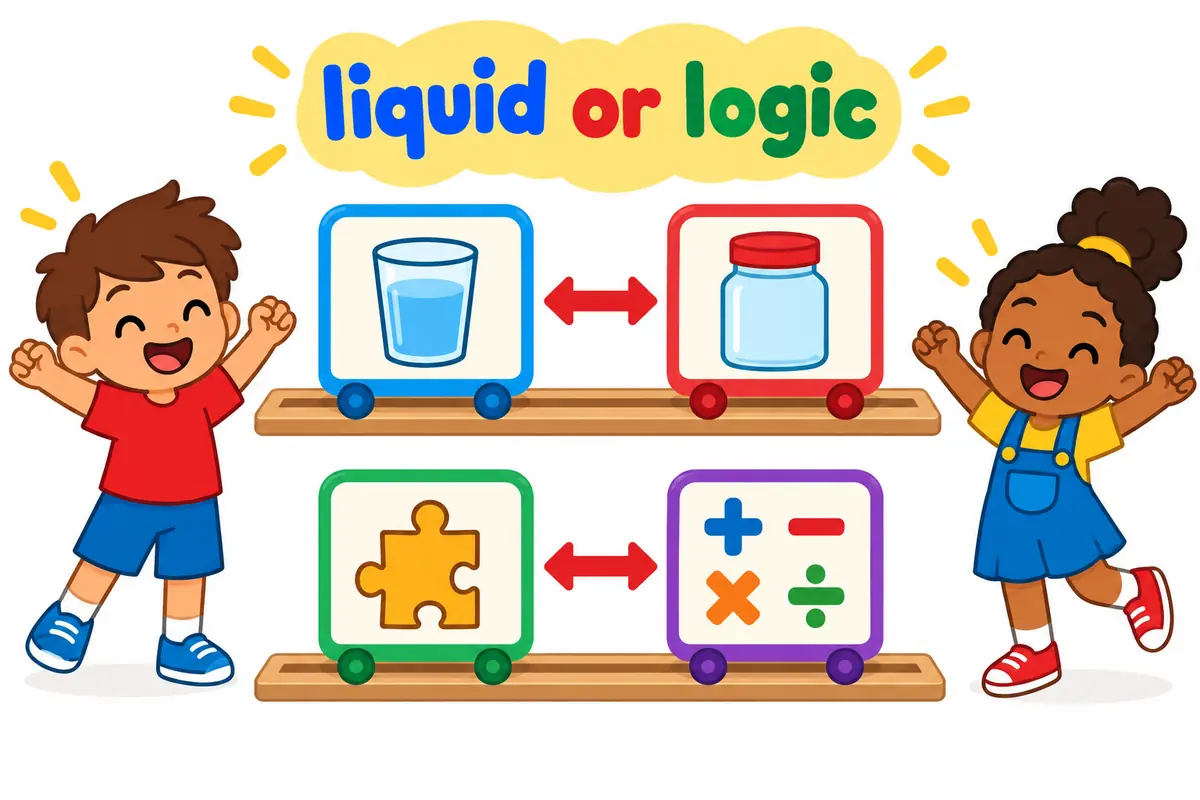
Soluble and solvable in a sentence: examples across contexts
Each example below uses only the adjective that fits its noun, and the contrast is clearest where the two subjects sit close together.
| Context | Example sentence | Why this works |
|---|---|---|
| Chemistry lab | Copper sulphate is soluble in water. | A substance and a liquid: the chemical frame. |
| Cooking | The recipe uses a soluble powder so it mixes evenly. | Describes how an ingredient behaves in liquid. |
| Environmental science | Carbon dioxide is soluble in seawater. | A gas dissolving, which keeps the sense technical. |
| Maths class | The puzzle is solvable once you spot the pattern. | A problem with a method, not a liquid. |
| Physics | The equation is solvable for two unknowns. | Solvable names what can be worked out. |
| Workplace email | This schedule clash is solvable with a small change. | A practical difficulty with an answer. |
| News report | Negotiators called the dispute solvable. | Solvable carries the idea of a settlement. |
| Everyday conversation | That crossword is only solvable with a dictionary. | The method is named after by means of with. |
| Academic writing | The model treats the gas as highly soluble. | An adverb grades the dissolving sense. |
| Product label | The granules are soluble in warm water. | A plain instruction, with in plus the liquid. |
The chemistry rows all pair the adjective with a liquid, while the maths and dispute rows pair it with a method or a settlement. Where the thing to be explained is a document rather than a puzzle, explicable by a simple rule is the closer word.
Which should you use?
Match the noun to the adjective, and the choice is almost mechanical. The table below maps the situations readers ask about most.
| Situation | Use | Why |
|---|---|---|
| A powder that vanishes in water | soluble | The behaviour is dissolving, so the liquid frame fits. |
| A riddle, equation or dispute with an answer | solvable | The behaviour is solving, so the logic frame fits. |
| A problem in a modern report | solvable | The old sense of soluble would read as an error. |
| Something easy to make clear | understandable | Neither chemical word describes explanation. |
| A difficulty that can be managed | tractable | Tractable stresses control, not a finished answer. |
When in doubt, ask whether the sentence mentions a liquid; if it does, the answer is soluble, and if it does not, the answer is solvable.
Word forms and grammar of soluble and solvable
Both are adjectives with matching nouns ending in -ity, and both have negative forms that learners mix up. The table sets the two families side by side.
| Form | Part of speech | Example |
|---|---|---|
| soluble | adjective | Sugar is soluble in water. |
| solubility | noun | Solubility rises as the water warms. |
| insoluble | adjective, opposite | Oil is insoluble in water. |
| solvable | adjective | The problem is solvable. |
| solvability | noun | No one questioned the solvability of the task. |
| unsolvable | adjective, opposite | The riddle seemed unsolvable at first. |
Keep the negatives straight: insoluble and unsolvable are not fully interchangeable, because insoluble also carries the older meaning of cannot be solved. For a question that can be answered rather than an equation that can be worked out, answerable to the committee is the natural adjective.
Common mistakes with soluble and solvable
- Incorrect:
It is a soluble problem.Correct: It is a solvable problem. Rule: Problems are solved, so they take solvable; only substances are soluble. - Incorrect:
Salt is solvable in water.Correct: Salt is soluble in water. Rule: Dissolving takes soluble, while solving belongs to puzzles and equations. - Incorrect:
This equation is soluble.Correct: This equation is solvable. Rule: An equation is worked out, not dissolved, so it needs solvable. - Incorrect:
The disagreement is soluble with a mediator.Correct: The disagreement is solvable with a mediator. Rule: A dispute is settled by people, so solvable fits. - Incorrect:
The sugar is unsolvable in cold water.Correct: The sugar is insoluble in cold water. Rule: The opposite of soluble is insoluble; unsolvable belongs to problems. - Incorrect:
a solvable tablet for headaches.Correct: a soluble tablet for headaches. Rule: A tablet dissolves, so the chemical adjective applies.
Practice using soluble and solvable
Work through the seven items, then check the reasoning as well as the answer.
- Fill the gap: Sugar is ______ in warm water.
- Choose the better word: The maths puzzle is (soluble / solvable) with a single rule.
- Correct the error: This is a soluble problem for the whole team.
- Build a sentence: use soluble + in + liquid about a spoonful of salt.
- Spot the register: which belongs on a medicine label — dissolves easily in water, or is great at solving itself?
- Rewrite the negative: The stain will not dissolve in cold water. Use the opposite of soluble.
- Build a sentence: use solvable + with + method about a budget shortfall.
Answers
- soluble — the liquid frame follows the adjective.
- solvable — a puzzle is solved, not dissolved.
- This is a solvable problem for the whole team — problems take solvable.
- Model answer: The salt is soluble in warm water.
- Dissolves easily in water — a label keeps the chemical adjective and avoids a vague claim.
- The stain is insoluble in cold water — insoluble is the opposite of soluble.
- Model answer: The budget shortfall is solvable with one small cut.
The bottom line
Soluble vs solvable comes down to the noun: soluble describes a substance that dissolves in a liquid, and solvable describes a problem that has an answer. Two nuances decide most sentences: the older sense of soluble as solvable now reads as a mistake, and the negatives differ, because insoluble can mean both cannot dissolve and cannot be solved while unsolvable means only the second. When the difficulty is merely manageable, tractable is the sharper word.
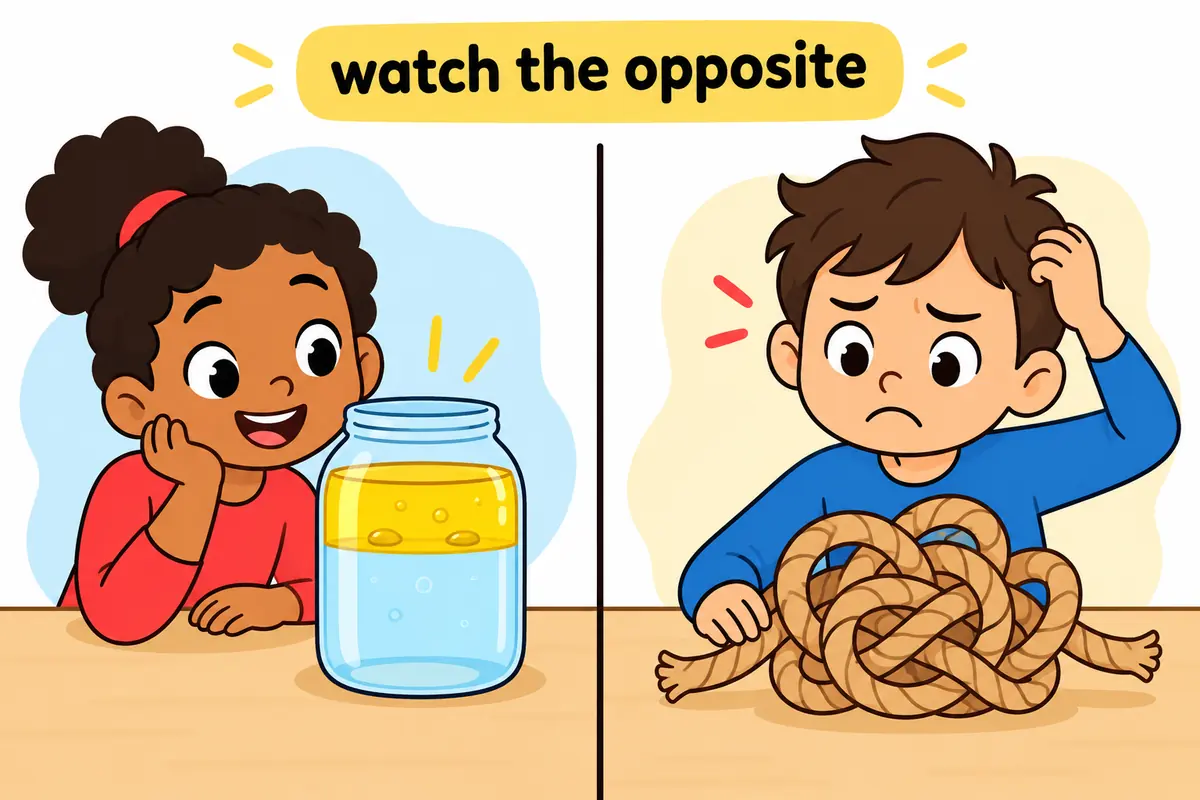
Frequently asked questions about soluble vs solvable
What is the opposite of soluble?
The opposite of soluble is insoluble, as in oil is insoluble in water. Insoluble also has a second life in formal writing, where it can mean cannot be solved, which is why solvable pairs more cleanly with unsolvable for problems. Keep the two opposites apart.
Can soluble mean solvable?
Soluble carried that sense in older writing, and a few formal phrases still use it, but in modern English a soluble problem sounds like a mistake. Use solvable for anything that has a solution, and keep soluble for substances that dissolve in a liquid. The dividing line is dissolving versus solving.
Do soluble and solvable share a root?
Both come from the same Latin verb solvere, which means to loosen or set free, and that is why their meanings brush against each other. Dissolving loosens a substance into a liquid, while solving loosens a problem from its difficulty. The shared root explains the confusion without justifying it.
Is solvable a real word?
Yes. Solvable is a standard adjective for problems, puzzles and equations, and its noun is solvability. Some learners prefer solvable to soluble for anything with a solution, and that preference matches modern usage. It is the safe choice whenever no liquid is involved.