Temperate Zone in a Sentence: Meaning & Examples
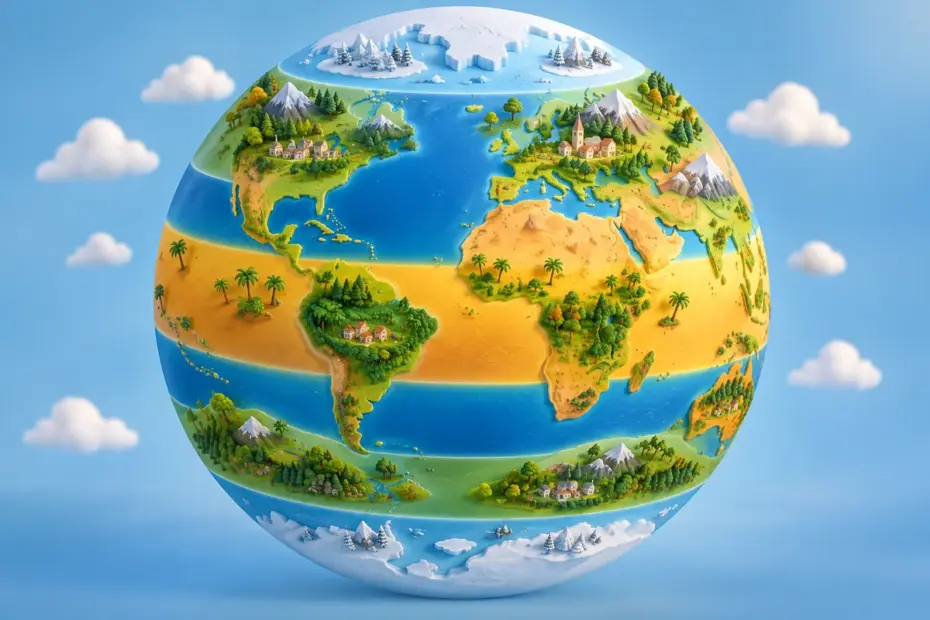
A temperate zone is a broad geographic belt between the tropics and polar regions, but the phrase can also refer to mild or continental climate groups in a classification system. In a sentence, use context to show whether you mean latitude, regional climate, or a particular place’s seasonal pattern.
Key facts at a glance
- Earth has northern and southern temperate latitude zones between tropical and polar regions.
- A latitude zone is a geographic idea; a climate classification describes long-term conditions.
- NOAA describes climate using averages and patterns measured over decades.
- Temperate regions vary with latitude, elevation, nearby oceans, terrain, and circulation.
- Do not assume every temperate location has four equally distinct seasons.
What does temperate zone mean in a sentence?
National Geographic Education describes temperate zones as the two broad latitude bands between the tropical zones near the Equator and the polar zones at high latitudes. The phrase may also be used more loosely for places with moderate climates, so specify the meaning when precision matters.
Example: “The atlas shaded the temperate zone between the tropics and polar regions.” This sentence uses the geographic sense, not a claim that every location in the band shares one weather pattern.
Temperate zone versus temperate climate
A temperate zone refers to a broad location on the globe; a temperate climate describes recurring temperature and precipitation patterns. NOAA’s overview of climate types places “temperate” among broad climate groups, while also noting that climate reflects long-term conditions rather than a single day’s weather.
| Phrase | What it emphasizes | Example |
|---|---|---|
| temperate zone | Geographic belt between tropical and polar regions | “The expedition crossed the temperate zone.” |
| temperate climate | Long-term regional conditions | “The coast has a mild temperate climate.” |
| temperate region | A place described broadly by position or climate | “Several temperate regions have wet winters.” |
Why do temperate regions differ?
Latitude does not determine local climate by itself. Distance from the ocean, elevation, mountain barriers, prevailing winds, and ocean currents can change temperature and rainfall. A coastal town and an inland plateau can both lie in a temperate zone yet have noticeably different seasonal ranges.

Also distinguish meteorological seasons from astronomical seasons. NOAA’s National Centers for Environmental Information explains that meteorological seasons use three-month calendar groupings for climate statistics, while astronomical seasons follow solstices and equinoxes. In the Southern Hemisphere, seasonal timing is reversed relative to the Northern Hemisphere.
Examples using temperate zone
- “The lesson compared plants found in the temperate zone with tropical species.”
- “Our route crossed a temperate zone before reaching the northern forest.”
- “The temperate zone includes places with very different rainfall patterns.”
- “The map labels the temperate zone by latitude, not by one temperature range.”
- “Researchers studied how seasonal changes affect wildlife in a temperate region.”

Frequently asked questions about temperate zone
Where is the temperate zone located?
The temperate zones lie in the two broad mid-latitude belts, between the tropical regions near the Equator and the polar regions. A geography text may draw these as latitude bands; local climate still varies with altitude, nearby water, terrain, and atmospheric circulation.
Does every temperate zone have four seasons?
No. Many temperate places have marked seasonal changes, but the timing and strength of those changes differ. Some regions have wet and dry seasons, while maritime locations may have milder temperature swings. “Four seasons” is a useful description for some places, not a universal rule.
Is temperate zone the same as temperate climate?
Not exactly. Temperate zone often points to a broad geographic belt by latitude, whereas temperate climate describes long-term weather patterns. Writers sometimes use the terms loosely, so identify whether a sentence is about a map location or observed climate conditions.
What is a clear sentence with temperate zone?
“The class mapped how forests and grasslands vary across the temperate zone.” This example uses the phrase geographically and avoids suggesting that the entire zone has identical weather. A more specific sentence can name a country, coast, elevation, or climate pattern.
Conclusion
Use temperate zone in a sentence to identify a mid-latitude region, and add local details when describing climate. The distinction keeps geographic position separate from the varied conditions people, plants, and animals experience there.
Curious about the temperate zone and what it encompasses? The temperate zone refers to a geographical region on Earth characterized by mild climate conditions, moderate temperatures, and distinct seasons.
This zone lies between the polar regions and the tropics, offering a pleasant environment that supports a wide variety of plant and animal life. Whether you’re interested in exploring different ecosystems or understanding global weather patterns, the temperate zone plays a crucial role in the planet’s ecological balance.
7 Examples Of Temperate Zone Used In a Sentence For Kids
- Some animals live in the temperate zone where the weather is not very hot or cold.
- The temperate zone has four seasons: spring, summer, fall, and winter.
- People who live in the temperate zone wear different clothes depending on the season.
- Trees in the temperate zone lose their leaves in the fall and grow new ones in the spring.
- Many fruits and vegetables grow well in the temperate zone because of its moderate climate.
- Some animals hibernate in the temperate zone during the cold winter months.
- The temperate zone is a great place for people to enjoy outdoor activities like hiking and camping.
14 Sentences with Temperate Zone Examples
- The temperate zone is known for its mild climate, making it an ideal place for outdoor activities all year round.
- Many college students in India aspire to study abroad in universities located in the temperate zone for a different academic experience.
- It is interesting to learn about the diverse ecosystems and wildlife that thrive in the temperate zone.
- Understanding the impact of climate change on the flora and fauna of the temperate zone can be eye-opening for environmental science students.
- Geography students often study the geographical features and weather patterns of the temperate zone as part of their coursework.
- Some students dream of backpacking through the temperate zone to explore its natural beauty and cultural heritage.
- The architecture of buildings in the temperate zone showcases a perfect blend of style and functionality, which can inspire students pursuing design or architecture.
- Psychologists may study how the changing seasons in the temperate zone affect people’s moods and mental health.
- Botany students may undertake research projects to investigate the adaptability of different plant species to the varying climatic conditions of the temperate zone.
- The culinary arts students may experiment with cooking recipes using ingredients native to the temperate zone to develop their culinary skills.
- Students pursuing anthropology may analyze the historical significance of ancient civilizations that thrived in the temperate zone.
- Studying the economic policies of countries in the temperate zone can provide valuable insights for students majoring in economics or international relations.
- Literature students may explore how poets and writers from the temperate zone draw inspiration from nature and the changing seasons in their works.
- Students interested in photography may capture the breathtaking landscapes and wildlife of the temperate zone to enhance their skills in visual storytelling.
How To Use Temperate Zone in Sentences?
Temperate Zone refers to the area on Earth between the Tropic of Cancer and the Arctic Circle in the Northern Hemisphere, and between the Tropic of Capricorn and the Antarctic Circle in the Southern Hemisphere. While using the term “Temperate Zone” in a sentence, it is important to remember that it describes regions with moderate climates, distinct seasons, and neither extremely hot nor extremely cold temperatures.
To use the term Temperate Zone in a sentence, you can say something like, “The country of Germany is located in the Temperate Zone, experiencing mild summers and cool winters.” This sentence showcases how you can indicate the location of a place within the moderate climate region.
Another example could be, “Many fruits and vegetables thrive in the Temperate Zone, where they can benefit from the balanced seasonal changes.” This sentence highlights how the term can be used to refer to the ideal conditions for certain types of produce to grow.
By incorporating the term Temperate Zone into your sentences, you can effectively communicate about regions with moderate climates around the world. Remember to use it in context to describe the specific characteristics of areas within this climate zone.
Conclusion
In summary, sentences with the term “temperate zone” denote regions on Earth characterized by moderate climates, neither extremely hot nor cold. Examples of these could include: “Many countries in the temperate zone experience four distinct seasons throughout the year,” or “The temperate zone is ideal for agriculture due to its mild weather conditions.” Such sentences illustrate the transitional nature of these regions, where a balance in temperature maintains a comfortable environment for various forms of life to thrive.
Understanding the concept of the temperate zone is crucial for appreciating the diversity of climates and ecosystems present on our planet. These sentences serve to highlight the significance of these regions in influencing weather patterns, flora and fauna distribution, and human settlements, showcasing the vital role they play in sustaining life on Earth.


