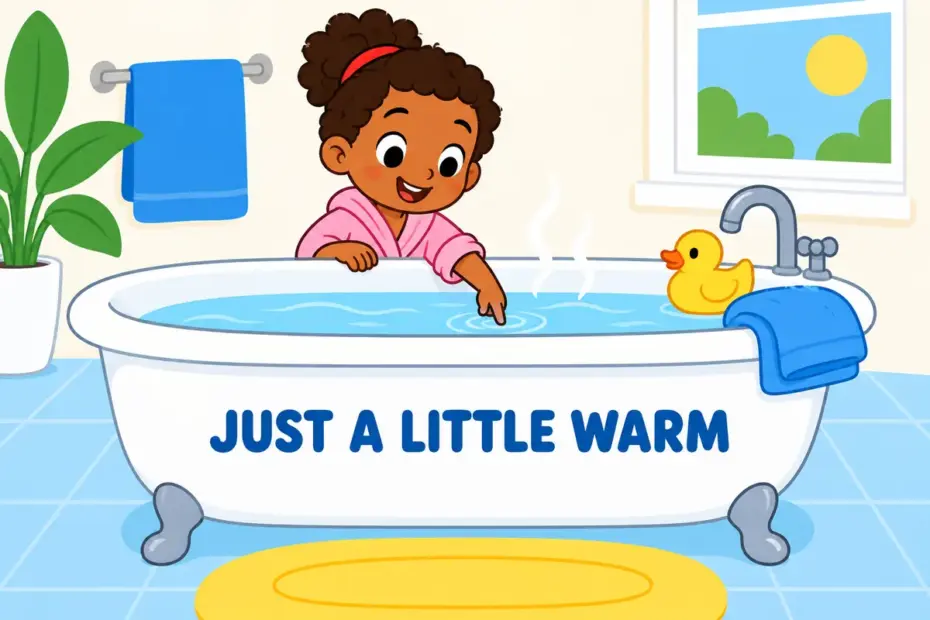
Tepid means only slightly warm, or, of a reaction, clearly unenthusiastic. To use tepid in a sentence, decide which sense you need: a tepid bath describes temperature, while tepid applause describes a crowd that is barely impressed. The adjective covers both, but the figurative sense is far more common in news writing.
Tepid at a glance
- Tepid is an adjective meaning slightly warm, or, of a reaction, noticeably unenthusiastic.
- It describes water, baths, drinks and rooms in the literal sense.
- It describes applause, responses, welcomes and interest in the figurative sense.
- Tepid sits before its noun and belongs to neutral, slightly negative description.
- The commonest error is using it for enthusiasm when the intended meaning is mild warmth, or the reverse.
What does tepid mean?
Tepid is an adjective meaning only slightly warm, and, by extension, lacking enthusiasm. The Cambridge entry for tepid records both the temperature sense and the figurative one, and the table below keeps them separate. The literal sense is physical; the figurative sense is social.
| Sense | Plain meaning | Example sentence |
|---|---|---|
| Temperature | Slightly warm, between cold and hot | The water in the jug had gone tepid. |
| Reaction | Unenthusiastic, showing little interest | The plan met a tepid response from the board. |
| Welcome | Polite but visibly cool | Visitors received a tepid welcome at the desk. |
Tepid is not the same as cold, and it is not the same as enthusiastic. Its force lies in the middle, which is why it sounds faintly disappointed even when it is only describing bathwater. That middle position is the limitation to keep in mind before writing a sentence.
How do you use tepid in a sentence?
Tepid is an attributive adjective: it stands directly before the noun it describes, whether that noun is a liquid or a reaction. The five patterns below cover almost every natural sentence.
| Pattern | Example | What it signals |
|---|---|---|
| tepid + liquid noun | He rinsed the cloth in tepid water. | The literal sense, naming a mild temperature. |
| tepid + reaction noun | The idea drew tepid interest. | The figurative sense, naming weak enthusiasm. |
| a tepid + response / welcome / reception | The chair gave a tepid welcome to the proposal. | Polite but clearly unimpressed. |
| go / turn tepid | The tea had turned tepid by the time we sat down. | Shows cooling or fading over time. |
| leave someone tepid | The trailer left audiences tepid. | States the lack of excitement directly. |
Where the meaning is clearly cold rather than mildly warm, a sharper word works better, and warm or cool sets a firmer temperature. Tepid always keeps something of the middle.

Tepid in a sentence: examples across contexts
Tepid moves between the kitchen and the boardroom without changing shape. The nine sentences below show both senses, and each one keeps the adjective directly before its noun.
| Context | Example sentence | Why this works |
|---|---|---|
| Kitchen | Run the syrup under tepid water to loosen it. | A practical instruction using the literal sense. |
| Bath | Tepid baths can soothe a feverish child. | The classic temperature collocation. |
| News report | The reforms drew a tepid response from unions. | The figurative sense, common in reporting. |
| Business writing | Sales figures were tepid in the second quarter. | Describes weak performance without saying bad. |
| Restaurant review | The dessert arrived tepid and underwhelming. | Combines temperature with a critical edge. |
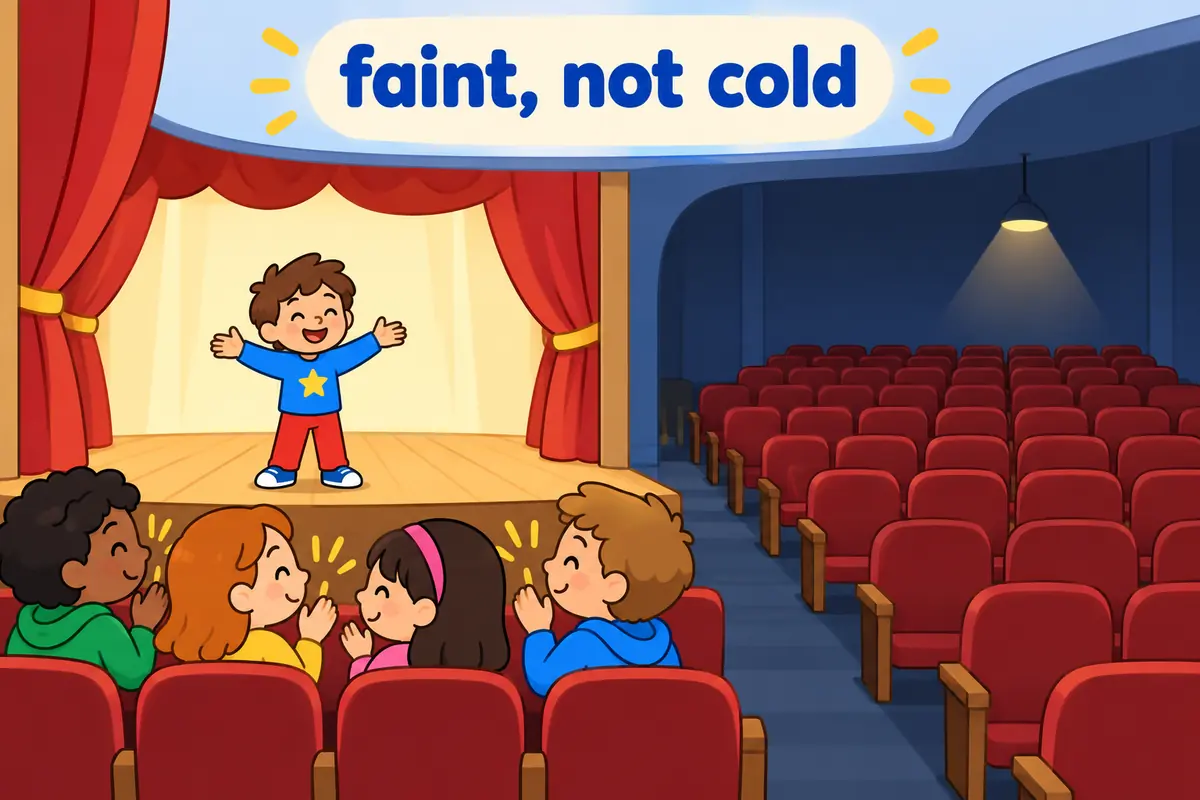
| Theatre review | The play earned tepid applause on opening night. | Balance of politeness and faint praise. |
| Weather note | A tepid breeze drifted through the open window. | Physical sense applied to air. |
| Sport report | The team began with a tepid first half. | Figurative sense applied to effort. |
| Everyday conversation | The soup is a bit tepid; can you warm it up? | The informal first choice for lukewarm food. |
Notice that the figurative examples nearly all describe a group response, such as applause, a reception or figures. Tepid rarely describes one person’s private feeling, because it is a word about what others can observe.
Tepid vs lukewarm
Tepid and lukewarm are close enough to be swapped, and the difference is small but real. Tepid tends to mean slightly warm and often carries the unenthusiastic sense; lukewarm is the neutral, everyday word for the same temperature range. The table separates them.
| Attribute | tepid | lukewarm |
|---|---|---|
| Core meaning | Slightly warm; faintly uninterested | Moderately warm; mildly positive |
| Feeling it adds | Faint disappointment | Neutral or slightly approving |
| Typical nouns | water, response, applause, welcome | water, bath, reception, support |
| Register | Journalistic and slightly critical | Everyday and neutral |
| Common pairing | tepid response | lukewarm water |
| Opposite idea | boiling, enthusiastic | cold, wholehearted |
Verdict: choose tepid when the mildness carries a hint of disappointment, and lukewarm when you only need the neutral temperature word.
Word forms and grammar of tepid
Tepid is a plain adjective with a small, tidy family. The adverb and nouns are less common but useful, and the related adjectives below show where the meaning sits.
| Form | Part of speech | Example |
|---|---|---|
| tepid | adjective | They served tepid tea. |
| tepidly | adverb | The audience applauded tepidly. |
| tepidity | noun | The tepidity of the welcome surprised her. |
| tepidness | noun | He noticed the tepidness of the reply. |
| mild | adjective, near neighbour | A mild breeze crossed the field. |
| indifferent | adjective, near neighbour | The crowd seemed indifferent to the result. |
The adjective does not inflect, so there is no tepider or tepidest in standard use. Writers who need a comparison say slightly more tepid or less tepid instead. An insipid drink, by contrast, is dull in flavour, which is a different complaint from being tepid.
Common mistakes with tepid
- Incorrect:
The crowd gave a tepid cheer of wild excitement.Correct: The crowd gave a tepid cheer. Rule: Tepid means weak enthusiasm, so a phrase such as wild excitement contradicts it. - Incorrect:
She was tepid about her holiday, which she loved.Correct: She was enthusiastic about her holiday, which she loved. Rule: Tepid cannot describe strong positive feeling. - Incorrect:
We ate a tepid meal fresh from the oven.Correct: We ate a hot meal fresh from the oven. Rule: Food straight from the oven is hot, not tepid. - Incorrect:
His tepid was obvious.Correct: His tepid response was obvious. Rule: The word is an adjective, so it needs the noun it describes. - Incorrect:
The soup was warmly tepid.Correct: The soup was a little warm. Rule: Warmly describes manner, not temperature, so it cannot modify tepid.
Practice using tepid
Work through the six items, then read the reason beside each answer.
- Fill the gap: The proposal met a ______ response from the committee.
- Choose the better word: Add a little (tepid / warm) water so the sugar dissolves without cooking.
- Correct the error: The audience clapped tepid with great enthusiasm.
- Build a sentence: use tepid water about cleaning a delicate cloth.
- Spot the register: which belongs in a restaurant review — the soup arrived tepid, or the soup was dead cold, mate?
- Rewrite with the adverb: The crowd applauded without much feeling. Use tepidly instead.
Answers
- tepid — the reaction is unenthusiastic rather than hostile.
- warm — the instruction needs a useful temperature, not a disappointed one.
- The audience clapped tepidly — the adverb form is tepidly, and it already carries the meaning.
- Model answer: She wiped the delicate cloth with tepid water and a little soap.
- The soup arrived tepid — a review keeps a measured tone while signalling mild disappointment.
- The crowd applauded tepidly — the adverb modifies the verb applauded.
The bottom line
Use tepid in a sentence for something only slightly warm or for a reaction with little heat in it. The two facts that settle most choices are these: the adjective always comes before its noun, and the figurative sense carries a hint of disappointment that the plain phrase a bit warm does not. When you mean strong approval, unenthusiastic is blunter and often clearer.
Frequently asked questions about tepid
What temperature is tepid water?
Tepid water is gently warm, roughly the temperature of a comfortable bath or of skin, well below hot and well above cold. It is not a precise measurement, so cooks and carers use the word when exact degrees do not matter. Recipes that ask for tepid water mean it should feel barely warm to the touch.
Is tepid warmer than lukewarm?
The two words describe almost the same temperature, though many speakers feel that tepid sits a little cooler than lukewarm. Lukewarm is the neutral everyday choice, while tepid often carries a faint note of disappointment. In practice, either word works for bathwater or food, and context decides the tone.
What does a tepid response mean?
A tepid response is a reaction that shows little enthusiasm without being openly hostile. A tepid welcome, a tepid round of applause or tepid sales figures all suggest polite, subdued interest rather than support. The word lets a writer criticise gently, which is why it appears so often in reviews and reporting.
Is tepid a negative word?
Tepid is mildly negative in its figurative use, because it signals low enthusiasm. In its literal use it is neutral, simply naming a temperature between cold and hot. A tepid bath is not a criticism, but a tepid response usually is. The surrounding noun, not the adjective alone, tells you which sense is active.
Have you ever used the word “tepid” in a sentence and wondered what it truly means? Tepid is an adjective that describes something that is lukewarm or moderately warm in temperature.
When using tepid to describe something, you are indicating that it is neither hot nor cold, but somewhere in between. This word is commonly used to express a lack of enthusiasm or excitement about something.
7 Examples Of Tepid Used In a Sentence For Kids
- The tepid water in the pool felt nice on a hot day.
- I like to drink tepid milk before bedtime.
- Be careful when drinking tepid soup, it might still be hot!
- The tepid breeze gently blew through the trees.
- Let’s fill the bathtub with tepid water for your bath.
- The tepid tea was just the right temperature to sip.
- Can you feel the tepid sand between your toes at the beach?
14 Sentences with Tepid Examples
- The professor received tepid responses from the students during the lecture.
- The cafeteria served tepid coffee to the sleepy students during the early morning classes.
- The class discussion on the new topic was met with a tepid reaction from the students.
- The career fair had a tepid turnout, disappointing many students looking for job opportunities.
- The student council’s proposal was met with tepid enthusiasm from the student body.
- The weather on campus was tepid in the early days of the semester.
- The response to the new sports event was tepid, with only a few students showing interest.
- The library’s new study area received a tepid response from students.
- The campus event had a tepid turnout due to conflicting schedules with exams.
- The student’s reaction to the guest speaker’s lecture was tepid, with some finding it uninteresting.
- The feedback on the new course offered by the department was _tepid, as many students found it too challenging.
- The debate competition had a tepid response from students, with only a few participants signing up.
- The student government election generated a tepid interest among the student body.
- The response to the new study group initiative was tepid, as many students preferred to study alone.
How To Use Tepid in Sentences?
To use the word “Tepid” in a sentence, you can follow these simple steps:
-
Understand the meaning of Tepid: The word “tepid” is an adjective that describes something that is lukewarm or slightly warm in temperature. It can also be used to describe something that is showing little enthusiasm or interest.
-
Think of a context: Consider scenarios where you can use the word Tepid appropriately. For example, you could use it when describing a lukewarm bath, a mildly warm beverage, or a lackluster reception to an idea.
-
Construct your sentence: Use Tepid in your sentence to convey the desired meaning. For instance, “After letting the coffee sit for a while, it became tepid and unappetizing.” Or, “The team’s response to the new project proposal was tepid, showing little excitement.”
-
Check your sentence: Ensure that the sentence makes sense and effectively communicates the meaning of Tepid in the context you have chosen.
By following these steps, you can effectively incorporate the word Tepid into your writing or speech to enhance your vocabulary and express yourself more precisely. Experiment with using Tepid in various contexts to gain a deeper understanding of its usage and broaden your language skills.
Conclusion
In conclusion, tepid responses, reactions, or actions are lukewarm, showing minimal enthusiasm or interest. Tepid can be used to describe feelings, attitudes, or even weather that lacks intensity or passion. Tepid sentences may convey a lack of conviction, enthusiasm, or warmth, often failing to truly engage or persuade the listener. It is important to be aware of the impact tepid expressions can have on communication, as they may not effectively convey the intended message or emotion.
Avoiding tepid language and actively choosing words that reflect genuine enthusiasm, conviction, or engagement can help in communicating more effectively and authentically. By being mindful of our choice of words and expressions, we can ensure that our messages are clear, engaging, and convey the intended tone and emotion to enhance understanding and connection with others.


