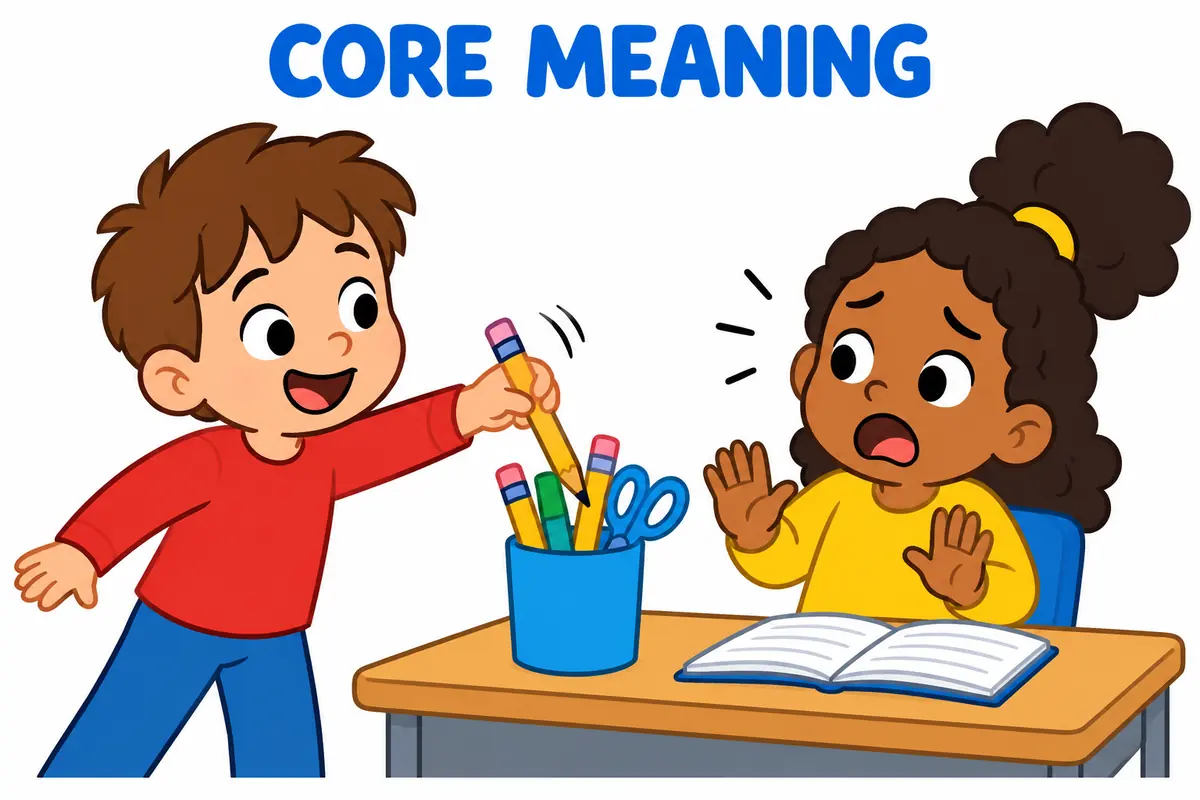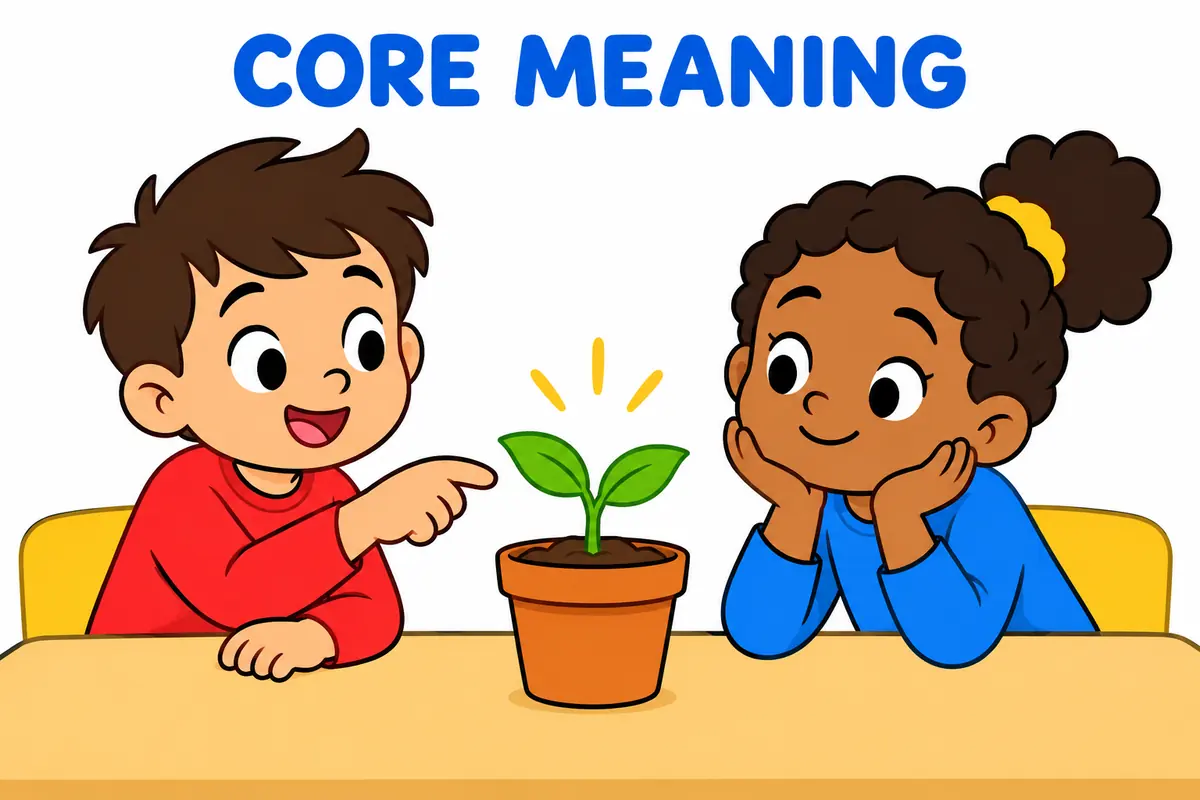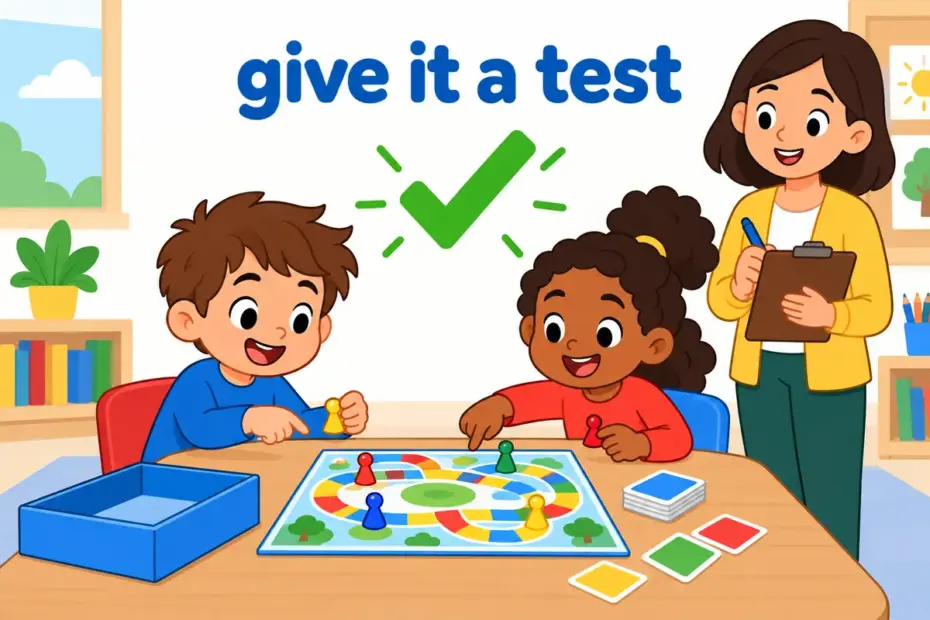
Try out is a phrasal verb meaning to test something to see whether it works, or to compete for a place on a team. To use try out in a sentence, keep the object with the verb when you mean testing: “we tried out the new app”. The audition sense takes for instead: “she tried out for the choir”.
Try out at a glance
- Try out is a separable phrasal verb; its forms are tries out, tried out and trying out.
- The testing sense takes a direct object, as in try out the recipe.
- The audition sense is intransitive and takes for, as in try out for the team.
- A pronoun object must sit between try and out: try it out, never try out it.
- The noun is written as one word, tryout.
- The register is informal, so test or pilot often suits formal writing better.
What does try out mean?
Try out is a phrasal verb meaning to test something by using it, or to attempt to join a team or cast. The Cambridge entry for try out records both the test-use sense and the competition sense, and the two behave differently in a sentence. A cook tries out a recipe in her own kitchen, while a singer auditions for a part in front of judges.
| Sense | Plain meaning | Example sentence |
|---|---|---|
| Test something | Use it to see whether it works | We tried out the new app before the launch. |
| Audition or compete | Attempt to join a team or cast | She tried out for the choir on Friday. |
| Give someone a trial | Let a person work briefly to judge fit | The firm tried out two interns that spring. |
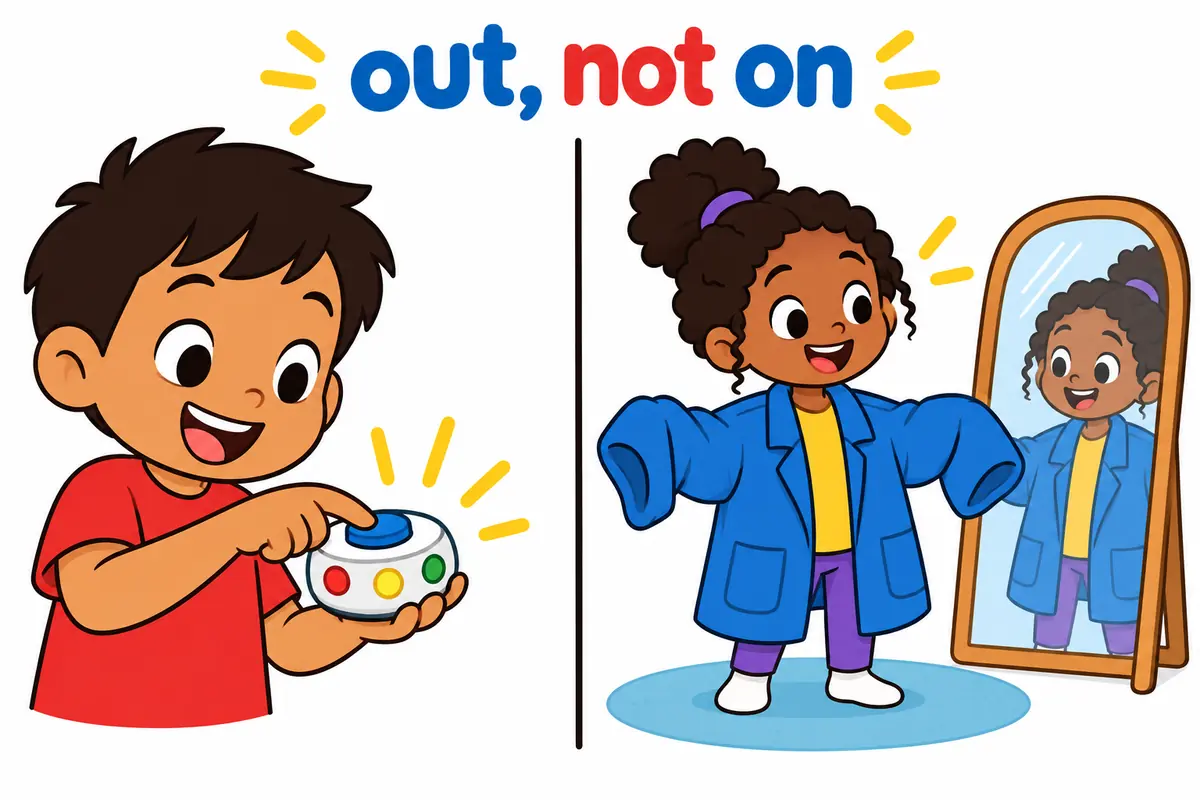
One limitation is worth stating plainly. Try out is informal in the testing sense, and it is not the same as try on. You try out a method to learn whether it works, but you try on a coat to learn whether it fits, and mixing the two produces a sentence no native speaker would say.
How do you use try out in a sentence?
The testing sense is separable, which means the object may follow out or sit between try and out. The audition sense is intransitive and needs for to introduce the team or role. A pronoun object must always take the middle position, so try it out is correct and try out it is not.
| Pattern | Example | What it signals |
|---|---|---|
| try + out + object | We tried out the recipe on Sunday. | Object after out; standard separable order. |
| try + object + out | We tried the recipe out on Sunday. | Object in the middle; equally standard. |
| try + pronoun + out | Try it out before you buy. | A pronoun must split the verb and particle. |
| try out for + noun | He tried out for the relay team. | Intransitive audition sense with for. |
| be tried out | The scheme was tried out in two schools. | Passive, common in policy writing. |
The rule for pronoun placement is the one learners break most often. Because out is a particle rather than a preposition, a pronoun cannot follow it, which is why try out it sounds wrong to a native ear.
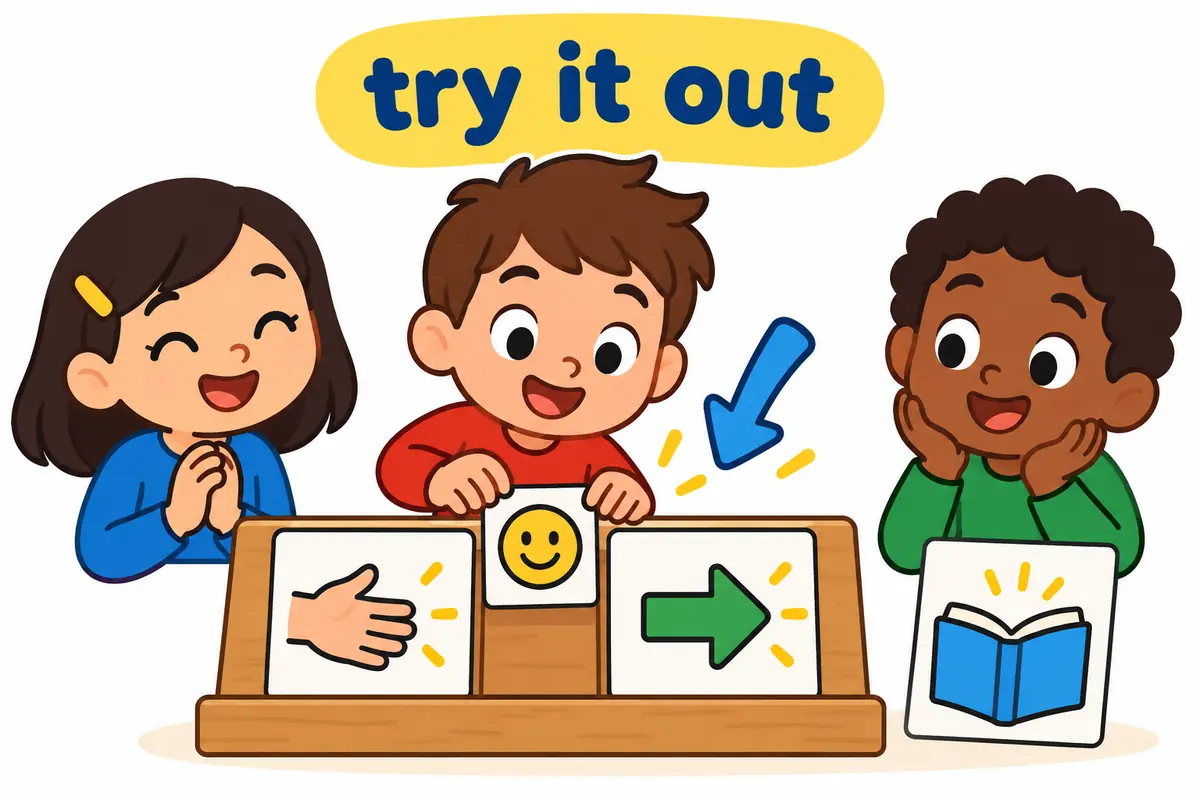
Try out in a sentence: examples across contexts
Try out moves from kitchens to gyms, and the ten sentences below show both senses in their natural settings. Watch where the object lands in each one.
| Context | Example sentence | Why this works |
|---|---|---|
| Classroom | The teacher tried out a new reading game with the class. | Testing sense with an object after out. |
| Kitchen | I tried the sauce out on my family before the dinner. | Object in the middle, which is native and idiomatic. |
| Technology | Try it out for a week before you cancel. | A pronoun splits the verb and particle. |
| Sports | Twenty players tried out for the two open places. | The audition sense takes for and a number. |
| Music | She tried out for the school band and won a seat. | Names the role and the result. |
| Workplace email | We would like to try out the supplier on one project. | Polite testing use in a business tone. |
| Science | Researchers experimented and tried out three coatings. | Testing sense with a measured subject. |
| Retail | The bakery sampled and tried out two new loaves. | Shows a small-scale test before a full launch. |
| Drama club | Anyone can try out for the winter play. | Audition sense with a general subject. |
| Policy | The town tried out a car-free street last summer. | Testing sense applied to a public scheme. |
The rows that describe testing keep an object close to the verb, while the rows about auditions use for and no direct object. That single change is the clearest signal of which sense is in play. The two frames never mix, so a sentence such as we tried out for the new software is wrong because for belongs only to the audition sense.
Try out vs try on
Try out and try on differ in what is being tested. Try out asks whether something works; try on asks whether something fits or suits.
| Attribute | try out | try on |
|---|---|---|
| Meaning | Test whether something works | Test whether something fits |
| Typical object | A method, app, recipe or team place | Clothes, shoes or a hat |
| Grammar | Separable; for in the audition sense | Separable; no for |
| What it answers | Does it work? | Does it suit me? |
| Register | Informal | Neutral |
| Example | Try out the keyboard before you buy. | Try on the jacket before you buy. |
Verdict: use try out for methods, tools and team places, and try on only for things you wear, because the two phrasal verbs answer different questions. A coat is fitted in front of a mirror, a method is proven at the bench, and each verb keeps to its own object.
Word forms and grammar of try out
Try out inflects through try, and its noun loses the space. The table also lists a verb that often replaces it in formal writing and a phrasal verb built on the same particle.
| Form | Part of speech | Example |
|---|---|---|
| try out | phrasal verb, base | We try out every new tool first. |
| tries out | phrasal verb, third person singular | She tries out the filter each month. |
| tried out | phrasal verb, past and participle | They tried out the idea in two towns. |
| trying out | phrasal verb, present participle | He is trying out for the rowing club. |
| tryout | noun | The tryout lasted two hours. |
| pilot | verb, formal | The council piloted the scheme in one district. |
The particle out also builds back out, which means to withdraw from a commitment, so the same word can mark a test in one verb and a retreat in another. The base verb try also stands alone, as in try the soup, but the particle adds the idea of a brief, low-risk test.
Common mistakes with try out
- Incorrect:
Try out it before the meeting.Correct: Try it out before the meeting. Rule: A pronoun object must sit between try and the particle out. - Incorrect:
She tried out the team last week.Correct: She tried out for the team last week. Rule: The audition sense is intransitive and takes for. - Incorrect:
We tried out on the new software.Correct: We tried out the new software. Rule: The testing sense takes a direct object, not for. - Incorrect:
He tried on for the basketball team.Correct: He tried out for the basketball team. Rule: Try on belongs to clothes; try out is the verb for auditions. - Incorrect:
Her first try out was frightening.Correct: Her first tryout was frightening. Rule: The noun is written as one word.
Practice using try out
Work through the seven items, then read the reasoning rather than only the answer.
- Fill the gap: The chef ______ the new dessert on the regulars.
- Choose the better word: Before the final, the band will (try out / try on) two new songs.
- Correct the error: She tried out the swimming squad on Tuesday.
- Build a sentence: use try it out about a library app a friend should test.
- Rewrite with a full noun: Try it out. Replace the pronoun with the keyboard in both orders.
- Spot the register: which belongs in a policy paper, the council tried out the plan in one ward, or the council had a go at trying out the plan?
- Change the sense: We tried out the new printer. Rewrite it with the audition sense about a netball team.
Answers
- tried — the past tense matches the sentence and the object follows out.
- try out — songs are tested for effect, not fitted like clothing.
- She tried out for the swimming squad on Tuesday — the audition sense needs for.
- Model answer: You should try it out for a week before you decide.
- Both orders work with a noun: Try out the keyboard, and Try the keyboard out, with the pronoun only in Try it out.
- The council tried out the plan in one ward — a policy paper keeps a plain, formal tone.
- Model answer: She tried out for the netball team on Thursday.
The bottom line
Use try out in a sentence to test whether something works, or to compete for a place on a team, and let the object decide the pattern. Two details govern most sentences: a pronoun object splits the verb and particle, and the audition sense always takes for. For formal writing, test and pilot carry the testing sense without the informal tone.
Frequently asked questions about try out
Is tryout one word as a noun?
Yes. The noun is written as a single word, tryout, and it names the trial event itself, as in the tryout lasted two hours. The hyphenated try-out appears only as a rare modifier, and the verb keeps its space. Keeping the verb and noun apart avoids the commonest spelling error with this word.
What preposition follows try out for an audition?
The audition sense takes for, as in she tried out for the choir. For introduces the team, role or cast that the person hopes to join. The plain for is required; of and to do not work here. In the testing sense no preposition is needed at all, because the verb takes an object instead.
Can try out take a pronoun object?
It can, but the pronoun must sit between try and out. Write try it out or try them out. The order try out it is not grammatical, because out is a particle and particles do not accept pronouns after them. Full nouns are more flexible and may go on either side.
Is try out informal?
In the testing sense try out is informal and fits conversation, blogs and internal notes. A formal report would use test, pilot or trial instead. The audition sense is neutral and appears in sports and arts writing without any informal shading, so register depends entirely on which sense you are using.