
Unctuous in a Sentence: Meaning & Examples
Unctuous usually describes speech or behavior that seems excessively flattering, warm, or ingratiating in a way the writer distrusts; the adjective can also describe rich, oily food textures. Because the social sense is strongly disapproving and formal, identify what it modifies and use it only when that critical tone is intended.
Key facts at a glance
- Unctuous is an adjective with more than one use.
- For behavior, it means excessively flattering or friendly in a false, unpleasant way.
- Cambridge labels the behavior sense formal and disapproving.
- Food writing may use unctuous for a rich, oily, or creamy texture.
- Context reveals whether the word criticizes a manner or describes a sensory quality.
What does unctuous mean in a sentence?
Cambridge Dictionary defines the common behavior sense as showing too much praise, interest, or friendliness in a false and unpleasant way. The word is formal and disapproving, so it tells readers that the speaker views the warmth as excessive or insincere.
Example: “The salesperson’s unctuous compliments made the customer uneasy.” Here unctuous criticizes the manner of the compliments; it does not simply mean polite or friendly.
How is unctuous used for food?
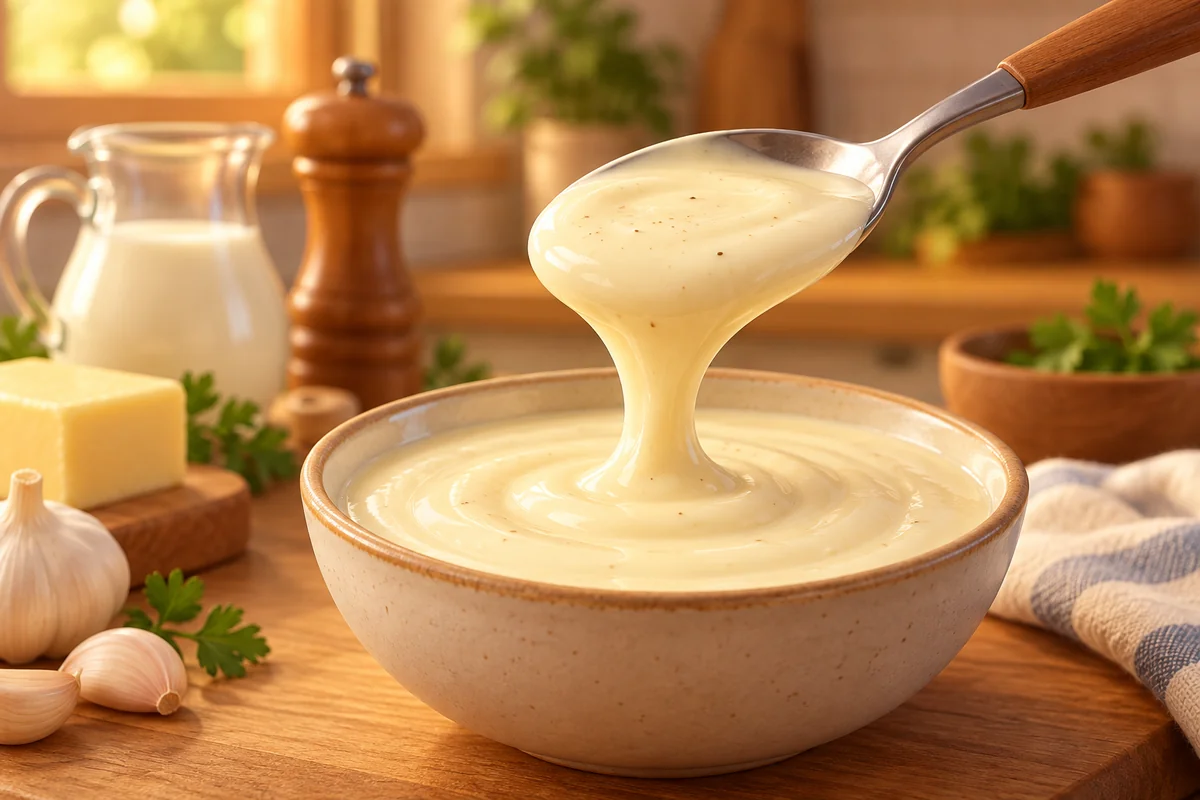
Food writers may use unctuous to describe a thick, smooth, rich, or oily texture, such as a creamy sauce. Cambridge’s entry for unctuously includes this food-related use. In a restaurant review it may be appreciative, though some readers still hear an oily or heavy connotation.

| Context | Meaning | Example |
|---|---|---|
| Behavior | Overly smooth or insincere praise | “His unctuous greeting sounded rehearsed.” |
| Food texture | Rich, oily, or creamy quality | “The unctuous sauce coated the roasted vegetables.” |
What words are close to unctuous?
For a person’s manner, possible alternatives include smarmy, ingratiating, fawning, or oily, but they differ in register and force. Warm and courteous are not synonyms because they do not imply insincerity. Choose a substitute only if its tone matches.
- Use unctuous when the overdone friendliness is central.
- Use effusive for abundant enthusiasm without necessarily suggesting deceit.
- Use polite for considerate behavior that is not being criticized.
Example sentences with unctuous
- “The unctuous host praised every guest in the same practiced tone.”
- “Her unctuous apology sounded less sincere than the brief note that followed.”
- “The critic called the sauce unctuous because its rich texture lingered on the palate.”
- “He rejected the unctuous sales pitch and asked for the facts.”
Frequently asked questions about unctuous
What is a simple sentence with unctuous?
“The unctuous salesman praised the product too eagerly.” The adjective describes praise that seems excessive and insincere, not merely friendly. Because unctuous is formal and disapproving, use it when the sentence is meant to criticize the manner in formal prose.
Is unctuous always negative?
No. It is usually negative when describing behavior, where it suggests false or excessive friendliness. Food writing can use it for a rich, oily, or creamy texture, sometimes appreciatively. The noun being described and surrounding details help readers recognize which sense is intended.
Can you describe a person as unctuous?
Yes, but the description is a strong criticism: it suggests that the person’s friendliness or praise feels insincere and overdone. For a neutral compliment, choose courteous, warm, or gracious. Use unctuous only when that negative judgment is intended. It sounds critical.
What is the difference between unctuous and oily?
Oily usually describes a greasy substance or surface directly. Unctuous can describe rich food texture, but when applied to a person’s manner it is figurative and disapproving, suggesting smooth but insincere behavior. The surrounding noun changes the reader’s interpretation in most everyday uses.
Conclusion
Use unctuous in a sentence when you mean either insincere, excessive flattery or a rich, oily food texture. Because the behavior sense is strongly disapproving, choose the word deliberately and give context for the intended meaning.
Have you ever encountered a word that seemed to slip through your fingers like an unctuous snake? Well, “unctuous” may just be that sneaky term you’ve been searching for.
Used to describe someone who may come across as excessively flattering or insincerely smooth, unctuous is a word that conveys an oily, overly polished demeanor that can often make people feel a little uneasy.
7 Examples Of Unctuous Used In a Sentence For Kids
- Unctuous oil can make your hair shiny.
- She smiled with an unctuous expression at her friend.
- The chef used unctuous butter to make the cookies.
- An unctuous lotion can make your skin soft.
- The cat licked its unctuous fur to clean itself.
- The snake’s scales felt unctuous to touch.
- The baby’s cheeks were unctuous after being kissed by her mother.
14 Sentences with Unctuous Examples
- Unctuous professors often try to impress their students with flowery language and complex theories.
- Many college students find it difficult to stay awake during an unctuous lecture that lacks engagement.
- The student council leader’s unctuous speech won over the hearts of his peers during the election campaign.
- It’s important for college students to be wary of unctuous classmates who might try to manipulate them for personal gain.
- Some students prefer straightforward and concise explanations over unctuous presentations that feel insincere.
- The professor’s unctuous praise of the student’s work raised suspicions that he was trying to curry favor.
- It’s not uncommon for college students to encounter unctuous recommendations from seniors who are looking to gain something in return.
- The guest speaker’s unctuous demeanor rubbed some students the wrong way, making it hard for them to take his advice seriously.
- When faced with a particularly unctuous assignment, it’s important for students to focus on the task at hand and not get distracted by unnecessary details.
- A student who is skilled in debating can effectively dismantle an opponent’s unctuous arguments.
- The unctuous behavior of certain professors can create a toxic academic environment that hinders students’ growth.
- In group projects, it’s important for college students to communicate effectively and avoid being seen as unctuous by their peers.
- Students who excel at public speaking can use their skills to engage their audience without resorting to unctuous tactics.
- The student’s unctuous attempt to impress his crush with grand gestures fell flat when she saw through his insincerity.
How To Use Unctuous in Sentences?
To unctuous is to describe something that is overly flattering or excessively ingratiating in a way that seems insincere. When using the word unctuous in a sentence, it’s important to remember its negative connotation and association with insincerity.
Here’s a simple guide on how to use unctuous in a sentence for beginners:
- Start your sentence with a subject that you want to describe as overly flattering or ingratiating.
- Use the word unctuous to convey the insincere or excessive nature of the behavior or speech.
- Make sure the context of the sentence reflects the negative connotation of the word.
For example, you could say, “The salesman’s unctuous compliments made me feel uneasy as I suspected he was just trying to make a sale.” In this sentence, the word unctuous is used to highlight the insincere and excessive flattery of the salesman’s compliments.
Remember, when using unctuous in a sentence, it’s important to consider the context and ensure that the negative connotation of the word is clear. This will help you effectively convey the sense of insincerity or excess that is associated with the term.
Conclusion
In conclusion, unctuous behavior is characterized by insincere flattery, exaggerated politeness, and a smug or oily demeanor. People who exhibit unctuous behaviors often come across as overly smooth and overly flattering, with an underlying motive to gain favor or manipulate others. When identifying unctuous behavior, it is important to look out for excessively flattering or insincere compliments, as well as a lack of authenticity or genuine emotion in interactions.
Individuals who frequently use unctuous language or exhibit unctuous behavior may be perceived as deceitful or manipulative by others. Recognizing and addressing unctuous behavior in oneself or in others can help cultivate more authentic and genuine interactions, fostering trust and meaningful relationships in both personal and professional settings.


