Vegetable in a Sentence: Meaning & Examples
In a food-related sentence, a vegetable is an edible plant or plant part, as in “A carrot is a crunchy vegetable.” The countable noun has the plural form vegetables, and the word also works as an adjective in phrases such as vegetable soup. Use the food sense clearly, since calling a person a “vegetable” can be offensive.
- Noun: a plant or plant part used as food, especially in savory dishes.
- Number: vegetable is countable; the plural is vegetables.
- Adjective: vegetable can mean made from or related to plants, as in vegetable oil.
- Usage note: food categories are culinary; a food may have a different botanical classification.
What does vegetable mean in a sentence?
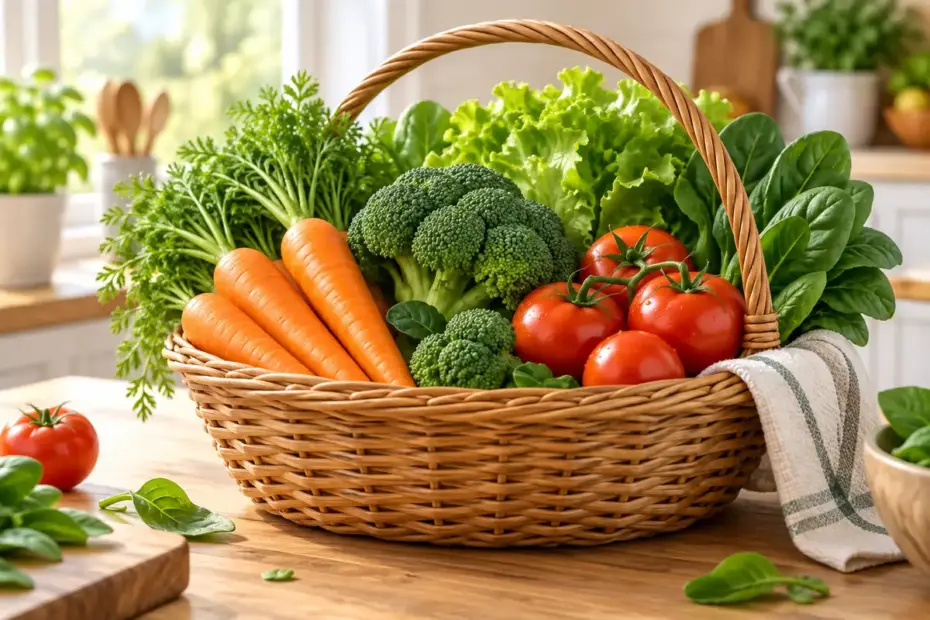
Cambridge Dictionary defines the food noun vegetable as a plant or plant part used as food, especially in dishes that are not sweet. The word can name a root such as a carrot, a leaf such as spinach, or a flower such as broccoli.
For example, “We added a fresh vegetable to the soup” uses the singular count noun. Cambridge also lists a plant-related adjective use, as in vegetable matter. A separate use of vegetable to label a person is marked offensive; avoid it because it can dehumanize someone.
How do you use vegetable as a noun?
Use a vegetable for one item and vegetables for more than one. A determiner or quantity phrase makes the count clear: “one vegetable,” “several vegetables,” or “a bowl of vegetables.” The singular can also appear before another noun in a compound such as vegetable soup.
| Form | Example |
|---|---|
| Singular noun | A vegetable roasted beside the potatoes. |
| Plural noun | Fresh vegetables filled the market basket. |
| Compound modifier | We made vegetable soup for lunch. |

Can vegetable be used as an adjective?
Yes. Vegetable can modify a noun to mean made from or related to plants. In “She used vegetable oil,” the adjective identifies oil obtained from plant sources; in “The students studied vegetable matter,” it describes plant material. Cambridge Dictionary records this adjective sense separately from the food noun.
Do not confuse a noun used as a modifier with a different dictionary meaning: in vegetable soup, vegetable tells what kind of soup, while in “The vegetable was fresh,” it names the food itself.
Why can a tomato be called a vegetable?
Vegetable is a culinary food category rather than a single botanical plant part. A tomato develops from a flower and contains seeds, so it is botanically a fruit; in cooking and food-group contexts, it is commonly treated as a vegetable. The University of Illinois Extension explains both classifications.
That distinction is useful in sentences: “The tomato is a fruit botanically, but it is used as a vegetable in the salad.” Similar everyday categories reflect how a food is prepared or served, while botanical terms describe plant structure.
Frequently asked questions
What does vegetable mean in a sentence?
In food-related writing, a vegetable is an edible plant or part of a plant. “The cook chopped a vegetable for the stew” uses the singular noun, while “Leafy vegetables filled the basket” uses its plural. The exact food category may depend on culinary context.
Is vegetable countable or uncountable?
Cambridge Dictionary marks the food noun vegetable as countable. Use a vegetable for one item and vegetables for several, as in “We bought three vegetables.” In some recipes, the word can also modify another noun, as in vegetable curry. This is a common food-related pattern.
Can vegetable be an adjective?
Yes. As an adjective, vegetable can mean made from or related to plants. Examples include “vegetable oil,” which is oil obtained from plant sources, and “vegetable matter,” which means plant material. In “She washed the vegetable,” however, the word is a noun.
Is a tomato a fruit or a vegetable?
A tomato is botanically a fruit because it develops from a flower and contains seeds. In cooking, people commonly use it as a vegetable. The two labels refer to different classification systems, so “The tomato is a fruit botanically and a vegetable in the salad” is accurate.
Previously published article
The earlier article is included below in full for continuity; its original HTML is preserved exactly as captured in the authenticated source snapshot.
Have you ever wondered what a “vegetable” really means in the culinary world? In cooking terms, a vegetable is a plant or part of a plant that is used as food. Vegetables can be consumed either raw or cooked and are typically savory in taste.
From leafy greens like spinach and kale to root vegetables like carrots and potatoes, the variety of vegetables available is vast. Including vegetables in your diet is essential for maintaining a healthy lifestyle due to their high nutrient content. Whether steamed, roasted, or blended into a smoothie, vegetables can be prepared in numerous ways to create delicious and nutritious meals.
7 Examples Of Vegetable Used In a Sentence For Kids
- Carrots are a vegetable that help us see better.
- Tomatoes are a red vegetable that we can eat in a salad.
- Cucumbers are a long and green vegetable you can have in a sandwich.
- Spinach is a leafy vegetable that makes us strong.
- Broccoli is a green vegetable that looks like a tree.
- Bell peppers are colorful vegetables that taste sweet.
- Potatoes are a vegetable that can be fried or mashed.
14 Sentences with Vegetable Examples
- Vegetables are an essential part of a healthy diet and should be included in every meal.
- It is important to consume a variety of vegetables to ensure you are getting all the necessary nutrients.
- Cooking and meal prepping with vegetables can be a fun and creative way to improve your diet.
- Buying seasonal vegetables from local markets is a great way to support farmers and get fresh produce.
- Learning how to cook different vegetables can help you save money on eating out and lead to healthier food choices.
- Incorporating more vegetables into your diet can help with weight management and overall well-being.
- Experimenting with different ways of preparing vegetables can make them more appealing and tasty.
- Snacking on raw vegetables like carrots and cucumbers is a great way to curb hunger and boost your vitamin intake.
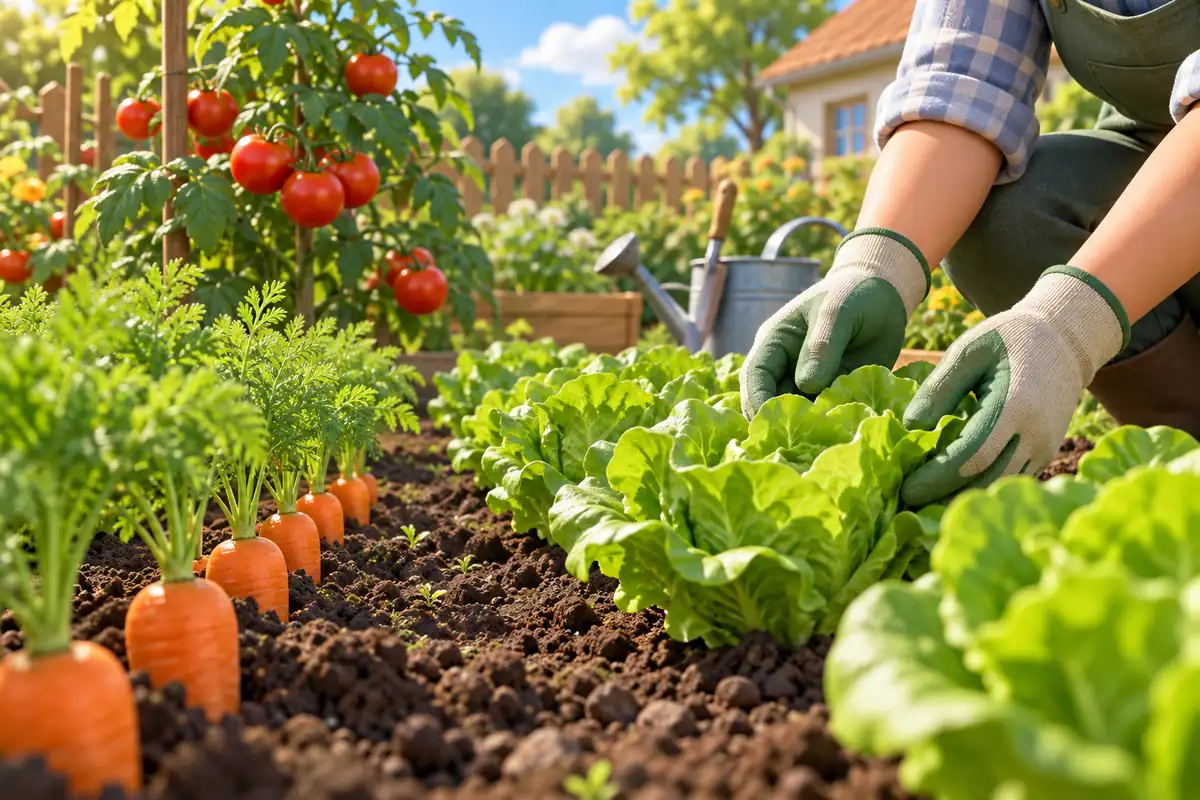
- Joining a community garden or starting your own can be a fun way to grow your own vegetables and learn more about sustainable living.
- Attending cooking classes or workshops focused on vegetables can help you expand your culinary skills and knowledge.
- Supporting local restaurants that offer a variety of vegetable dishes can inspire you to try new foods and flavors.
- Organizing a potluck with friends where everyone brings a different vegetable dish can be a fun and affordable way to socialize.
- Vegetables like spinach, broccoli, and bell peppers are rich in antioxidants and can help boost your immune system.
- Including a side of vegetables with your meals can help keep you full and satisfied while also providing essential nutrients.
How To Use Vegetable in Sentences?
Vegetable is a noun used to describe a type of plant or part of a plant that is used as food by humans. When you want to talk about a specific plant-based food item like broccoli, carrot, or spinach, you can use the word vegetable.
To use vegetable in a sentence, it’s important to remember a few key points. First, always place the word vegetable in a sentence where it makes sense. For example, “I enjoy eating vegetables with every meal.”
Secondly, you can use vegetable to describe something related to plant-based foods, such as “Her favorite vegetable dish is a colorful stir-fry.” Here, the word vegetable is used to express the type of dish being referred to.
Lastly, you can use vegetable in a sentence to talk about something that is healthy and nutritious, like “Including plenty of vegetables in your diet is essential for good health.” In this sentence, vegetables are highlighted as being beneficial for one’s well-being.
By following these guidelines, beginners can effectively use the word vegetable in a sentence to communicate about plant-based foods and their importance in a healthy diet.
Conclusion
In conclusion, incorporating a variety of vegetables into your diet is essential for maintaining good health. Vegetables are rich in essential vitamins, minerals, and fiber that support overall well-being and can help reduce the risk of chronic diseases. Examples of vegetable-packed dishes include salads, stir-fries, and soups, which provide a delicious way to increase vegetable intake.
By experimenting with different cooking methods and flavor combinations, you can discover new ways to enjoy vegetables and make them a staple in your daily meals. Whether steamed, roasted, or blended into a smoothie, vegetables offer endless possibilities for creating nutritious and tasty dishes that will benefit your health in the long run. Remember to include a colorful array of vegetables in your meals to ensure you are getting a diverse range of nutrients for optimal health.


