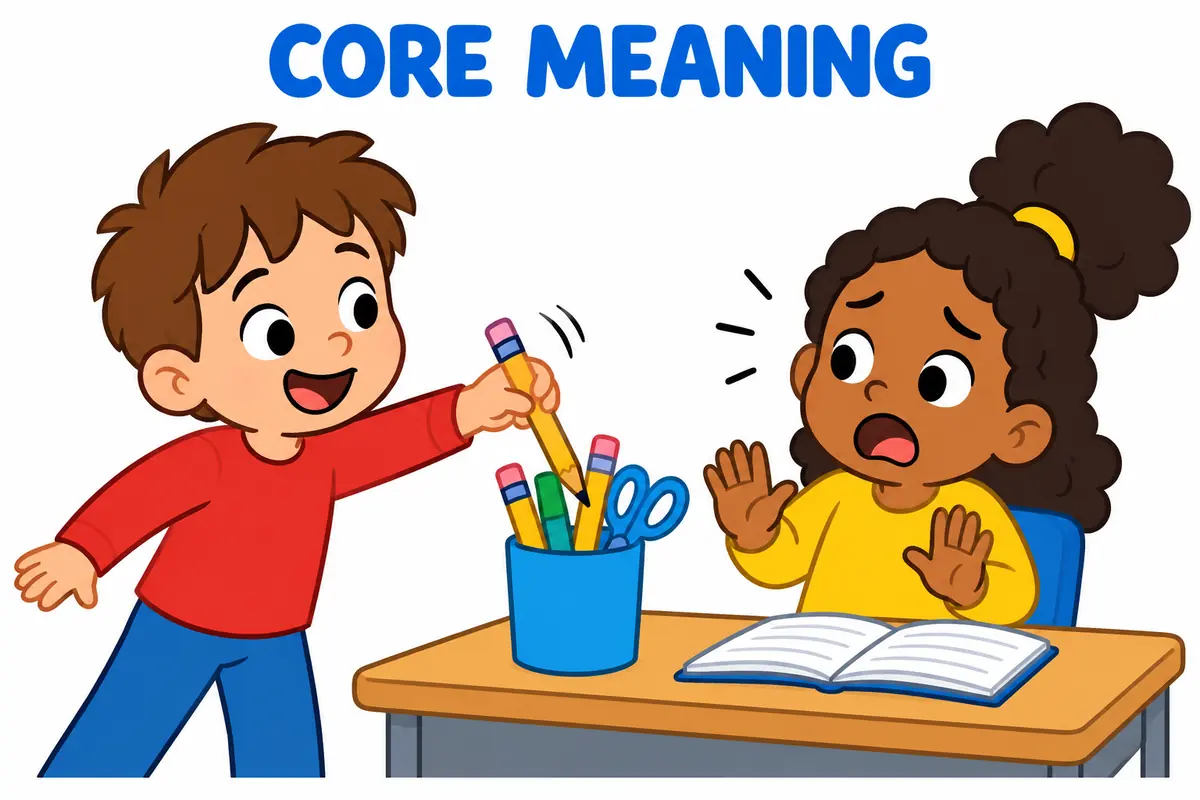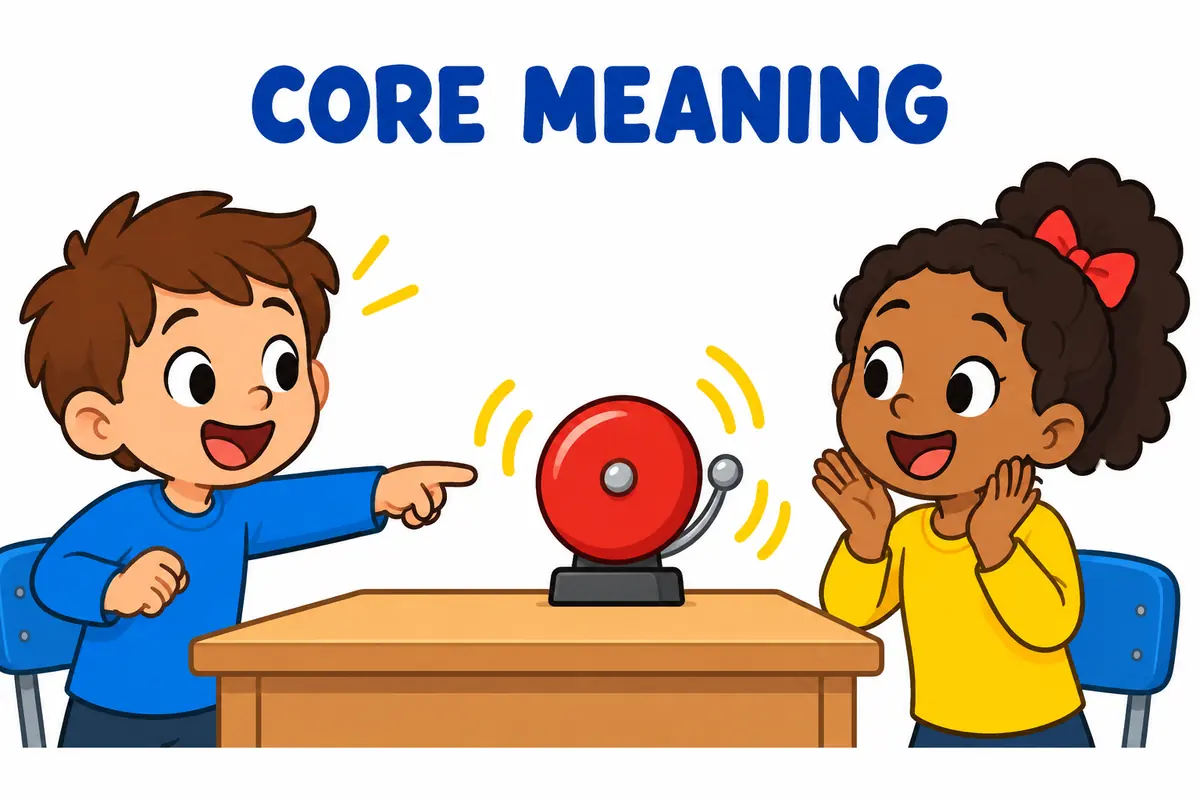
Visceral describes a feeling that arrives through the body before the mind can argue with it, and to use visceral in a sentence you pair it with that reaction: “a visceral fear of the dark.” The adjective also keeps an older medical sense that refers to the internal organs, so context decides the meaning.
Visceral at a glance
- Visceral is an adjective; its adverb is viscerally and its anatomical noun is viscera.
- The dominant pattern is visceral plus noun, as in a visceral reaction or visceral fear.
- Its everyday sense is instinctive and bodily; its medical sense means relating to the internal organs.
- Visceral belongs to criticism, memoir and medical writing more than to ordinary conversation.
- The commonest error is stretching visceral to mean merely intense or generally negative.
What does visceral mean?
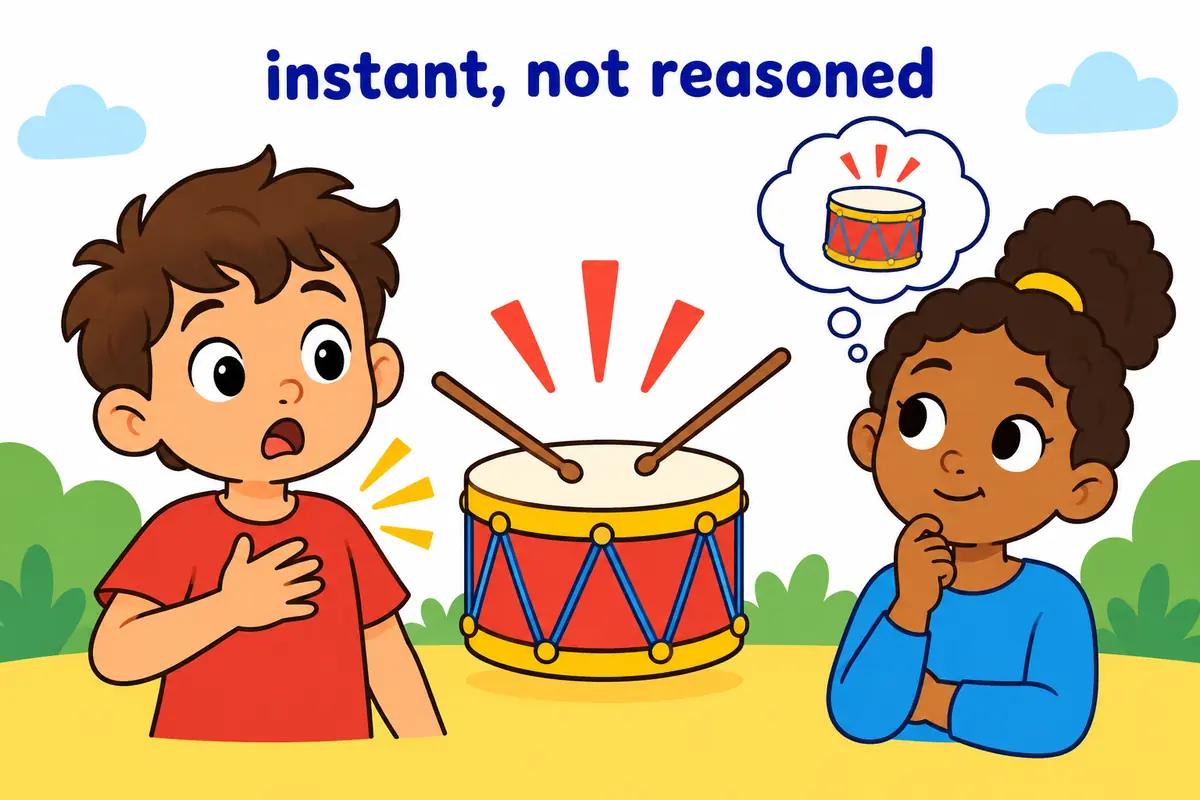
Visceral is an adjective meaning felt deep in the body rather than produced by careful thought, or, in medicine, relating to the internal organs. The Cambridge entry for visceral keeps the two senses apart, and the gap between them is wide. A visceral fear of heights comes from the gut, while visceral fat sits around the organs and is measured by a scan. The everyday sense is not the opposite of reason, but it does describe the moment before reason begins. A feeling that is present from birth can also be called innate, though innate points to origin while visceral points to how the feeling lands.
| Sense | Plain meaning | Example sentence |
|---|---|---|
| Instinctive feeling | A strong reaction felt in the body, not reached by thought | The old house gave her a visceral sense of dread. |
| Deeply rooted | Held so strongly that the feeling seems physical | He had a visceral attachment to the harbour where he grew up. |
| Anatomical | Relating to the internal organs, especially the gut | The scan looked for visceral fat around the liver. |
One limitation is worth stating plainly. Visceral does not mean simply strong, and it does not mean correct. A visceral dislike can be rooted in nothing more than an unlucky first meeting, and a gut reaction is often wrong. The adjective says where a feeling comes from, not whether it deserves to be trusted.
How do you use visceral in a sentence?
Put visceral directly before the noun it describes, or let it follow a linking verb when the feeling is the subject. Six patterns cover almost every real sentence, and the fixed phrase on a visceral level is the one readers meet most often in reviews and essays.
| Pattern | Example | What it signals |
|---|---|---|
| visceral + noun | The documentary produced a visceral shock. | The adjective names the kind of reaction, its commonest job. |
| a visceral + noun | She had a visceral dislike of hospitals. | An article marks the feeling as one strong instance. |
| be / feel + visceral | The grief was visceral and immediate. | A linking verb puts the feeling at the centre of the clause. |
| more / most visceral | The closing scene is the most visceral in the film. | A comparison along a scale of intensity. |
| visceral + noun + to / toward | His visceral loyalty to the club never faded. | The reaction is directed at a specific object. |
| on a visceral level | The drumbeat works on a visceral level. | A fixed phrase that names the register of the effect. |
Two patterns repay attention. The attributive use, as in a visceral reaction, keeps the word close to a noun and stays neutral, while the predicative use, as in the fear was visceral, makes the feeling itself the subject and so sounds more literary. Readers sometimes reach for raw when the feeling is exposed rather than deep, but the two adjectives are not interchangeable.

Visceral in a sentence: examples across contexts
Visceral keeps one meaning and changes its company. The ten sentences below travel from a classroom to a clinic, and each one names the feeling or the reaction in a different register.
| Context | Example sentence | Why this works |
|---|---|---|
| Classroom | The war diary gave the class a visceral sense of what the soldiers endured. | A concrete source shows how a feeling reaches the reader. |
| Workplace email | The team felt a visceral resistance to the new schedule. | The reaction is named before anyone explains it. |
| Film review | The final chase delivers the most visceral sequence in the series. | Criticism uses it to rank intensity. |
| Music writing | The bass works on a visceral level before a single lyric lands. | The fixed phrase names a bodily effect. |
| News report | Relief in the flooded town was visceral when the water finally fell. | A crowd reaction makes the abstract feeling physical. |
| Medical writing | Visceral fat is linked to several long-term conditions. | The anatomical sense appears in a clinical sentence. |
| Memoir | I had a visceral pull toward the kitchen whenever it rained. | The first person is normal in this register. |
| Sports commentary | The crowd let out a visceral roar as the ball crossed the line. | A shared reaction suits a live event. |
| Advertising copy | The campaign aimed for a visceral response rather than an argument. | The word names the intended effect on the audience. |
| Academic prose | Participants reported a visceral discomfort at the images. | A hedged report keeps the finding formal. |
Only the memoir and the news report use the first or second person, and both do so because somebody is present to feel the reaction. The medical sentence is the outlier that keeps the oldest meaning of all.
Visceral vs emotional
Visceral and emotional sit close together, and a writer who swaps them changes a sentence. An emotional response is felt and can be reasoned about, while a visceral reaction arrives through the body before any reasoning starts. A speech can make an audience emotional for an hour, but a shock of cold water produces a visceral gasp in a second.
| Attribute | visceral | emotional |
|---|---|---|
| Core meaning | Felt in the body, instinctive | Connected with feeling, can be reasoned |
| Where it starts | A physical, automatic reaction | An inner state that builds over time |
| Speed | Immediate, before thought | Gradual, shaped by thought |
| Typical subjects | Fear, disgust, delight, loyalty | Reunions, speeches, farewells, memories |
| Register | Criticism, memoir, medicine | Everyday speech and formal writing |
| Opposite | Calculated, cerebral | Detached, unfeeling |
Verdict: choose visceral when the body reacts before the mind, and emotional when the feeling is real but could still be talked about. A judgement reached quickly and quietly is better called intuitive, because intuition works through the mind even when it feels sudden.
Word forms and grammar of visceral
Visceral is a regular adjective that does not inflect, but it builds an adverb and carries an anatomical noun with a Latin plural. The table also lists the false friend that writers confuse it with.
| Form | Part of speech | Example |
|---|---|---|
| visceral | adjective, base form | The scene was visceral. |
| more visceral | adjective, comparative | Her second novel is more visceral. |
| most visceral | adjective, superlative | It is the most visceral moment of the play. |
| viscerally | adverb | The audience reacted viscerally. |
| viscera | noun, plural | The surgeon examined the viscera. |
| viscous | adjective, different meaning | Honey is a viscous liquid. |
The adverb is covered in more detail on the page for viscerally, and it nearly always modifies a verb of reaction, as in the crowd recoiled viscerally. Keep viscous, which describes a thick fluid, away from this family in meaning even though the two words look alike.
Common mistakes with visceral
- Incorrect:
The pizza was visceral.Correct: The pizza was greasy and rich. Rule: visceral describes a bodily feeling, not food or flavour. - Incorrect:
She had a visceral thought about the answer.Correct: She had an intuitive thought about the answer. Rule: thoughts belong to the mind, so visceral cannot modify a step of reasoning. - Incorrect:
The argument was visceral.Correct: The argument was bitter. Rule: a dispute is not a bodily feeling, so intense is not a substitute for visceral. - Incorrect:
He was visceral about the loss.Correct: His reaction to the loss was visceral. Rule: the word describes a reaction, not a person. - Incorrect:
The viscous fear gripped him.Correct: The visceral fear gripped him. Rule: viscous describes a thick liquid, not a feeling.
Practice using visceral
Work through the six items, then read the reasoning rather than only the answer.
- Fill the gap: The sudden bang produced a ______ jolt of fear.
- Choose the better word: After the reunion, the family felt (visceral / emotional) and talked for hours.
- Correct the error: The soup was too visceral to pour.
- Build a sentence: use on a visceral level about a piece of music.
- Spot the register: which fits a medical report — visceral fat around the liver, or a gut feeling about the liver?
- Rewrite with the adverb: The crowd reacted in a way that came from the body. Use viscerally.
Answers
- visceral — the bang produces a reaction in the body before thought.
- emotional — the family feeling builds over time and can be discussed, so it is not purely bodily.
- The soup was too viscous to pour — viscous means thick, which is the intended sense.
- Model answer: The drumbeat works on a visceral level.
- Visceral fat around the liver — a report uses the anatomical sense, not the idiom.
- The crowd reacted viscerally — the adverb modifies the verb of reaction.
The bottom line
Use visceral in a sentence when a feeling rises through the body faster than thought, and let the noun or linking verb carry the reaction. Two nuances decide most sentences: the word normally sits before its noun, and it tells you where a feeling comes from rather than whether it is right. Where a belief has simply lasted a long time, deep-seated is the truer description, because the point there is endurance rather than instinct.
Frequently asked questions about visceral
Is visceral a positive or negative word?
Visceral is neither. It describes where a feeling comes from, so it can mark disgust, delight or fear with equal ease. A visceral love of the sea is as natural as a visceral dread of it. The word only turns negative when a writer uses it to suggest that a reaction is unthinking or unreasonable.
What does a visceral reaction feel like?
A visceral reaction feels physical and automatic. The stomach tightens, the skin prickles or the breath catches before any explanation forms. People often describe it as a gut feeling because the sensation seems to sit below the ribs rather than in the head, and it arrives too quickly to have been reasoned out.
Can visceral be used in medical writing?
Yes. In medicine, visceral means relating to the internal organs, especially those in the abdomen. A scan may measure visceral fat around the liver, and a surgeon may speak of the viscera, the organs themselves. This technical sense is older than the everyday one and remains standard in clinical reports.
Does visceral always mean instinctive?
No. The everyday sense is instinctive or bodily, but the medical sense is purely anatomical and carries no idea of instinct. Context tells the two apart: a visceral fear is a feeling, while visceral fat and visceral muscle are physical structures. A reader who knows both senses will rarely mistake one for the other.