Skip to content
Cession vs session: transfer versus an activity period

Differentiating Cession vs Session: Understanding How to Use Them Appropriately

    Cession or session? Transfer versus a meeting period Cession means yielding or transferring something to another; session means a meeting or a period devoted to an activity. Write “The treaty described the cession of territory” for a transfer and “The afternoon session begins at two” for an event period. The two words normally sound alike,… Read More »Differentiating Cession vs Session: Understanding How to Use Them Appropriately

    Variance vs variants: difference or spread versus different versions

    Mastering Precision: Using Variance vs Variants Correctly to Enhance Communication Clarity

      When it comes to language, precision is key. One area where this precision often gets overlooked is in the usage of similar-sounding words. Take “variance” and “variants,” for example. While they may sound similar, they have distinct meanings and should be used appropriately. In this text, I’ll investigate into the differences between “variance” and “variants” and provide you with practical tips o

      Raising, rasing, razing: lift or increase, archaic form, demolish

      Mastering the Difference Between Raising, Rasing, and Razing for Effective Communication in English

        Raising, rasing, or razing? Choose the action and the register Raising means lifting, increasing, collecting, rearing, or bringing something up; razing commonly means demolishing a structure; rasing is a documented form of the archaic verb rase. Write “The students are raising funds” for collecting money and “The crew is razing the old shed” for demolition.… Read More »Mastering the Difference Between Raising, Rasing, and Razing for Effective Communication in English

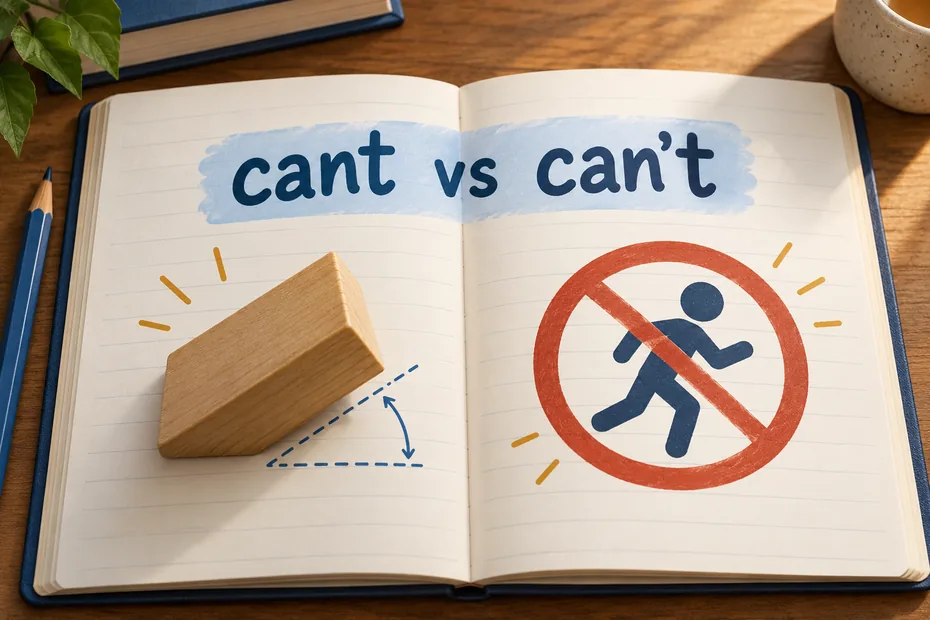
        Cant vs can't: tilt, speech, and cannot

        The Difference Between “Cant” and “Can’t”: Using Appropriately for Clear Communication

          Hey there! Have you ever been confused about when to use “cant” versus “can’t”? Well, you’re not alone! In this text, I’ll jump into the nuances of these two words and help you understand how to use them appropriately.
          “Cant” and “can’t” may sound similar, but they have completely different meanings and uses. Understanding the distinction between them is essential for effective communication. Whet

          Politic vs politick: prudent choice and campaigning

          Understanding the Difference: Politic vs Politick and How to Use Them Appropriately

            Have you ever found yourself confused about when to use “politic” versus “politick”? Well, fear not, because in this text, I’ll provide you with a clear understanding of how to use these words appropriately. As an expert in language and communication, I’ve encountered this common dilemma many times. Understanding the subtle differences between “politic” and “politick” is crucial for effective comm

            Pain vs pane: discomfort and glass sections

            Pain vs Pane: Understanding and Using them Appropriately

              As an expert writer, I’ve come across countless instances where confusion arises between two similar-sounding words. One such pair is “pain” and “pane.” While they may sound alike, their meanings couldn’t be more different. In this text, I’ll jump into the nuances of these words and provide you with a comprehensive guide on using them appropriately. From understanding their definitions to explorin

              Leave vs lieve: modern departure and dialectal vocabulary

              Mastering the Difference: Properly Using ‘Leave’ and ‘Lieve’ for Effective Communication

                Have you ever found yourself confused about when to use “leave” and when to use “lieve”? Don’t worry, you’re not alone. In this text, I’ll guide you through the proper usage of these two words, helping you avoid common mistakes and communicate with clarity.
                “Leave” and “lieve” are often used interchangeably, but they have distinct meanings and should be used in different contexts. Understanding th

                Bold vs bowled: descriptive adjective and past action

                Understanding the Differences: Properly Utilizing ‘Bold’ vs ‘Bowled’ for Effective Communication

                  Hey there! Have you ever been confused about when to use “bold” and when to use “bowled” in your writing? Well, you’re not alone! In this text, I’ll walk you through the subtle differences between these two words and help you use them appropriately.
                  We all know that choosing the right words can make a huge impact on the clarity and effectiveness of our communication. Whether you’re a writer, a stu

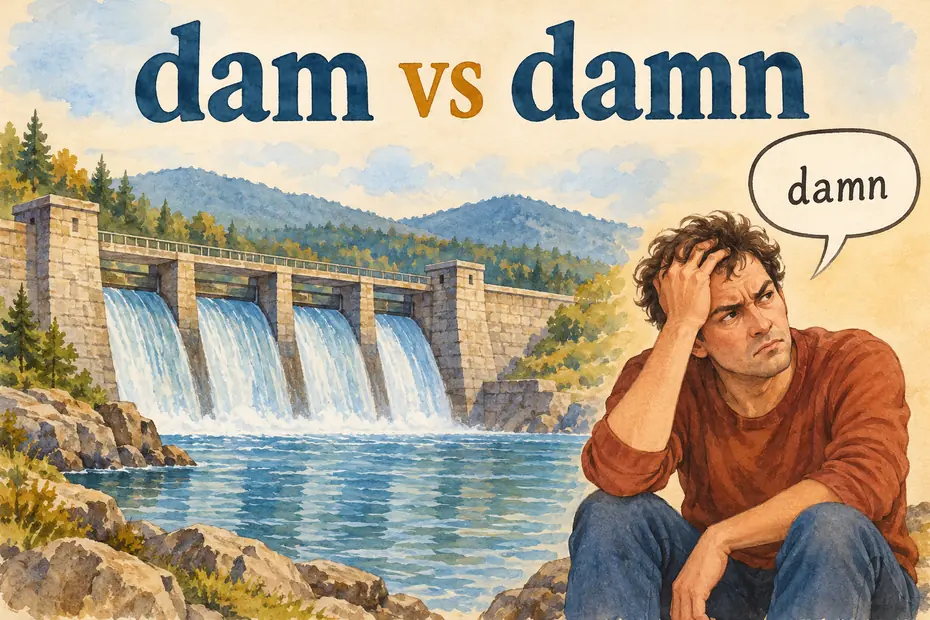
                  Dam vs damn: barrier and strong-expression meanings

                  The Usage and Differences between “Dam” and “Damn”: Using Appropriately

                    Have you ever found yourself hesitating between using “dam” or “damn” in your writing? As a language enthusiast and professional writer, I’ve encountered this dilemma countless times. In this text, I’ll guide you through the appropriate usage of “dam” and “damn” to ensure your writing is both accurate and impactful.
                    We’ll start by clarifying the differences between these two words and their respec

                    A backpack rests beside a neatly made bunk bed.

                    Hostel vs Hostile: Lodging and Attitude

                      Hostel vs Hostile: Lodging and Attitude Hostel usually names a lodging facility, while hostile describes opposition, unfriendliness, or an unfavorable environment. In hostel vs hostile, choose hostel for the place and hostile for the attitude or conditions. A hostel can be welcoming or hostile; the type of accommodation alone does not establish how visitors are… Read More »Hostel vs Hostile: Lodging and Attitude

                      Cast: actors; caste: social group

                      Using Cast vs Caste Appropriately: Understanding Definitions and Context

                        When it comes to the English language, there are often words that sound similar but have completely different meanings. One such pair that often causes confusion is “cast” and “caste.” As an expert blogger, I’ve encountered this confusion countless times, and today I’m here to shed some light on the topic. In this text, I’ll explain the differences between “cast” and “caste” and provide you with s

                        Adieu: goodbye; ado: fuss

                        Adieu vs Ado: Mastering the Art of Using Them Appropriately

                          Adieu means goodbye or farewell. Ado means fuss, trouble, or unnecessary delay. Use adieu when someone is leaving and ado when discussing commotion or getting on with something. The standard introduction is “without further ado,” meaning without more delay—not “without further adieu,” which would refer to another goodbye. Adieu vs ado: key facts Adieu expresses… Read More »Adieu vs Ado: Mastering the Art of Using Them Appropriately

                          Brunet / brunette: dark hair

                          Differences and appropriate usage of brunet vs brunette explained

                            Hey there! Are you confused about when to use “brunet” and when to use “brunette”? Well, you’re not alone! In this text, I’ll break down the differences between these two terms and provide some tips on how to use them appropriately. So, let’s dive right in and clear up the confusion once and for all.
                            When it comes to describing someone with brown hair, the terms “brunet” and “brunette” are often u