Yawl vs Ketch: Choosing the Right Two-Masted Rig
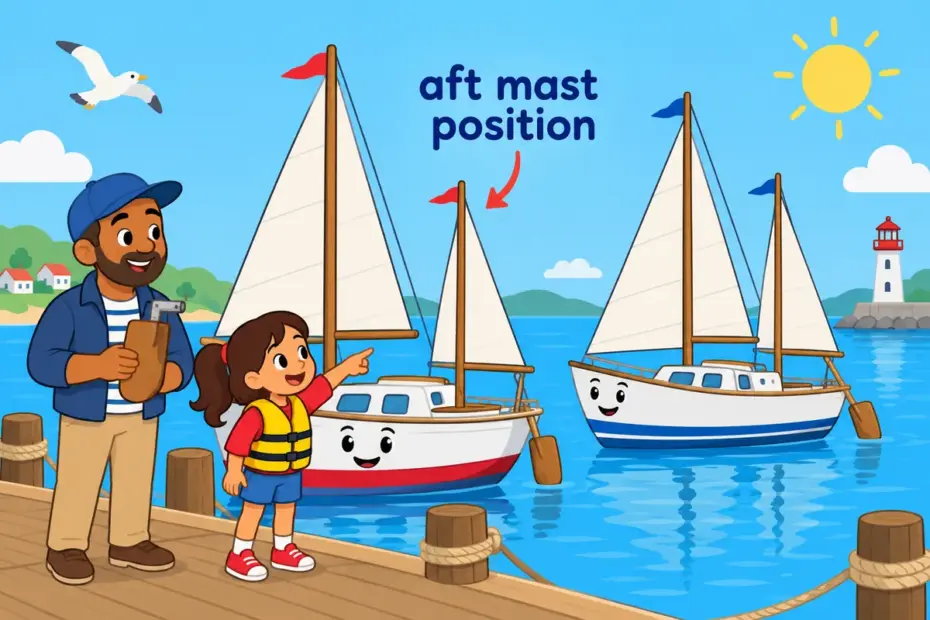
Yawl vs ketch comes down to where the small after mast stands. Choose a ketch when its mizzen mast sits ahead of the rudder post and adds drive; choose a yawl when that mast sits behind the rudder post and mainly balances the helm. Both are two-masted rigs, so the choice turns on steering and sail area.
Yawl vs ketch at a glance
- Yawl and ketch are both two-masted sailboat rigs with a tall mainmast forward and a shorter mizzen aft.
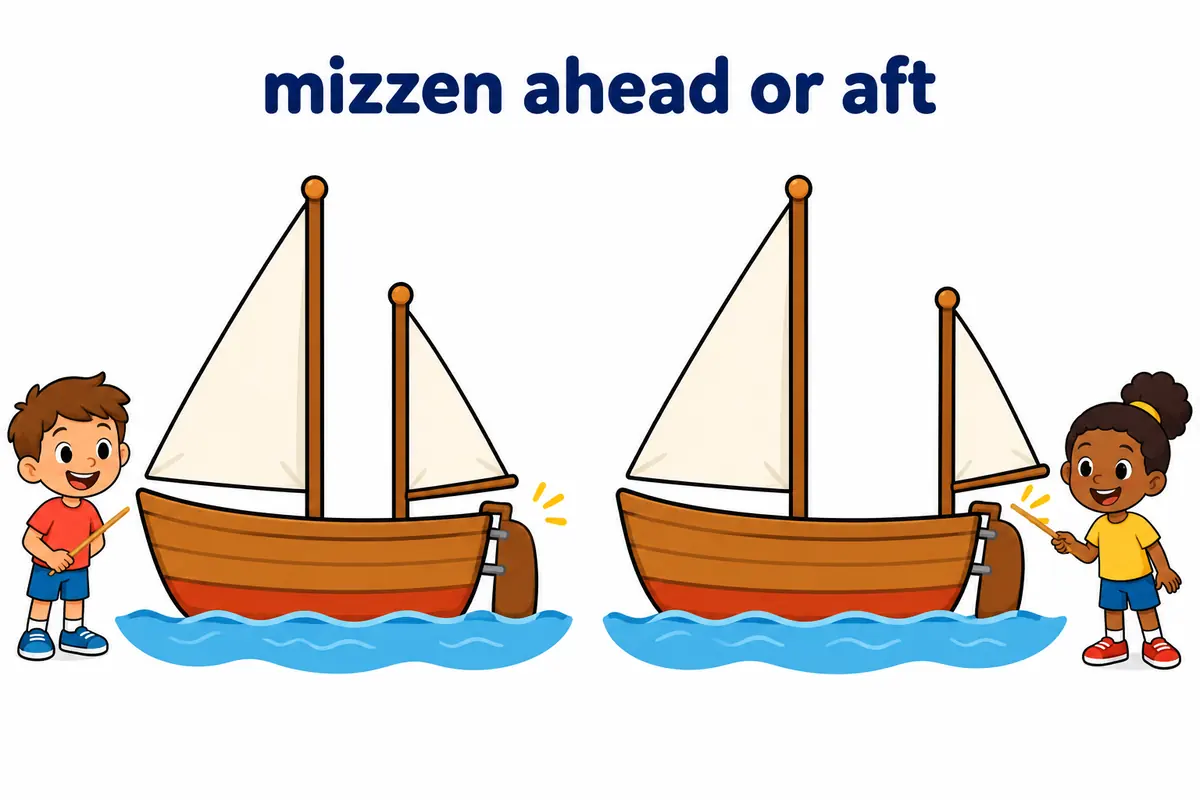
- On a ketch, the mizzen mast stands forward of the rudder post and the mizzen is a working sail.
- On a yawl, the mizzen mast stands aft of the rudder post and the small mizzen mostly trims balance.
- The ketch carries more sail area aft and is the common cruising rig; the yawl is older, classic and light on the helm.
- The word yawl also names a small ship boat, so context decides which meaning is live.
Yawl vs ketch: the master comparison
The table below sets the two rigs side by side on the criteria that actually change how a boat feels to sail. The single measurement that matters most is the position of the mizzen mast relative to the rudder post, because it decides whether the after sail can help steer.
| Attribute | Yawl | Ketch |
|---|---|---|
| Mizzen mast position | Aft of the rudder post | Forward of the rudder post |
| Mizzen size | Small, often called a jigger | Larger working sail |
| Rudder relationship | Mast behind the rudder | Mast ahead of the rudder |
| Main role of the mizzen | Balance and trim | Drive and balance |
| Steering feel | Very light helm, easy balance | More power, slightly heavier helm |
| Sail area aft | Less sail area carried aft | More sail area carried aft |
| Typical use | Classic, ocean and small-crew sailing | Cruising and long-distance liveaboard |
| Handling short-handed | Easy to balance under small sails | Easy to shorten sail, with more drive |
The verdict is narrow but firm: the ketch is the working two-master and the yawl is the balancing two-master. A yawl is not simply a smaller ketch, and a ketch is not a yawl with a bigger sail. The rudder post divides them, and a sailor who remembers that one line can classify almost any two-masted boat at a glance.
What does yawl mean?
Yawl is a noun naming a two-masted sailboat whose short mizzen mast stands aft of the rudder post, behind the helmsman, where it balances rather than drives. The Cambridge entry for yawl records this rig sense and the older sense of a ship boat. On a yawl the mizzen sail, also called a jigger or dandy, is deliberately small, so it trims the balance of the hull without adding much speed.
The older sense still appears in writing about traditional boats, where a yawl is the small craft carried aboard a larger vessel. In that sense the yawl is defined by size and use, not by rig. A careful sentence keeps the two meanings apart, because a harbour notice about a ship boat and a review of a two-masted hull use the same word for different things.
What does ketch mean?
Ketch is a noun naming a two-masted sailboat whose mizzen mast stands forward of the rudder post, so the after sail drives the boat as well as balancing it. The Cambridge entry for ketch records the rig. A ketch carries a larger mizzen than a yawl and is the more common modern cruising rig, because the after sail can be reduced first as the wind rises.
Because the mizzen sits ahead of the rudder, it works with the rudder instead of trailing behind it, and that is the physical reason a ketch feels more powerful. Designers use the extra sail area aft to spread the load over two masts, which keeps each sail smaller and easier for a short crew to handle. This is why the ketch survives on cruising boats while the yawl has become a classic choice.
How do you use yawl and ketch in a sentence?
Both words name a rig and a type of boat, so they behave like ordinary countable nouns. The patterns below show the subject, adjective and comparison positions each word can occupy.
| Pattern | Example | What it signals |
|---|---|---|
| article + yawl or ketch | We sailed a ketch across the channel. | Naming one boat and its rig |
| the + yawl or ketch + name | The ketch Blue Gull lay at anchor. | A specific vessel, named |
| yawl-rigged or ketch-rigged | A ketch-rigged hull is easy to shorten. | Compound adjective for a rig type |
| plural yawls or ketches | The harbour held three ketches and a yawl. | A mixed fleet or group |
| yawl against ketch | A yawl balances; a ketch drives. | Contrasting the two rigs directly |
Yawl and ketch in a sentence: examples across contexts
| Context | Example sentence | Why this works |
|---|---|---|
| Sailing magazine | The ketch reached downwind with its mizzen drawing hard. | Shows the mizzen working as a drive sail. |
| Classic boat review | The yawl balanced on a light helm with only its jigger set. | Shows the yawl mizzen balancing. |
| Broker listing | This ketch carries a mizzen staysail for light air. | Describes gear in a sale. |
| Marina conversation | I would pick a yawl for short-handed ocean work. | States a preference with a reason. |
| Training manual | On a ketch, reef the mizzen first as the wind builds. | Gives a practical instruction. |
| History page | The old yawl once served as a ship boat and later as a rig. | Notes the older sense of the word. |
| Race report | The yawl ghosted past the committee boat in the evening calm. | Evokes light-wind balance. |
| Shipyard note | The ketch sail plan spreads canvas over two masts. | Technical summary of the rig. |
A cutter is the single-masted alternative for sailors who want a simpler rig, and the choice between one mast and two often matters more than the yawl and ketch question itself. A traditional craft with two masts is usually one of these three types, so the words overlap in the same marina conversations.
Which should you use?
The right word, and the right rig, depends on how the boat will be used and by whom.
- Cruising with family and wanting to shorten sail early: choose a ketch, because the large mizzen can be reefed first while the main stays full.
- Single-handing a classic hull and valuing a light, balanced helm: choose a yawl, because the small mizzen trims rather than drives the bow.
- Buying an older wooden boat: expect a yawl more often, since the rig was popular before modern cruising designs.
- Wanting the widest choice of production boats: choose a ketch, which is still built in greater numbers and sells on easily.
- Valuing a distinctive traditional silhouette: a yawl, with its tiny stern jigger, is the more unusual profile at anchor.
None of these rules is absolute, since a well-sailed yawl can cross an ocean and a well-sailed ketch can win a club race. The point is that the word should match the rig, and the rig should match the crew, so a recommendation about a vessel is really a recommendation about its sailing plan.
Word forms and grammar of yawl and ketch
| Form | Part of speech | Example |
|---|---|---|
| yawl | noun for the rig or boat | They rowed the yawl ashore. |
| yawls | plural noun | Two yawls waited at the buoy. |
| yawl-rigged | compound adjective | A yawl-rigged hull balances well. |
| ketch | noun for the rig | The ketch hoisted its mizzen. |
| ketches | plural noun | Ketches fill this marina. |
| ketch-rigged | compound adjective | The ketch-rigged boat is easy to shorten. |
Both words also combine with mast and rig in technical writing, as in a two-masted ketch rig or a yawl mast stepped at the stern. The compound adjectives yawl-rigged and ketch-rigged are hyphenated because they modify a noun, while the bare words stand alone when they name the boat itself.
Common mistakes with yawl vs ketch
- Incorrect: The ketch has its mizzen mast behind the rudder post. Correct: The yawl has its mizzen mast behind the rudder post. Rule: Only a yawl steps the mizzen aft of the rudder.
- Incorrect: A yawl carries a large mizzen that drives the boat. Correct: A ketch carries a large mizzen that drives the boat. Rule: The ketch mizzen works; the yawl mizzen balances.
- Incorrect: Ketches have one mast. Correct: Ketches have two masts. Rule: Both ketch and yawl are two-masted rigs.
- Incorrect: A yawl is only a small rowing boat. Correct: A yawl can be a ship boat or a two-masted sailboat. Rule: The word carries both senses and context decides.
- Incorrect: The yawl ketch sailed west. Correct: The yawl sailed west. Rule: A boat is one rig or the other, never both at once.
Practice using yawl vs ketch
These six exercises test mast position, the mizzen role and the two senses of yawl.
- Fill in the blank: On a ____, the mizzen mast stands ahead of the rudder post.
- Choose the better word: The (yawl / ketch) ghosted along with only its small jigger set.
- Correct the error: A ketch balances its helm with a tiny stern sail.
- Build a sentence: use yawl about a small boat carried on a larger ship.
- Spot the register: which sentence suits a technical manual? (a) Reef the mizzen first on a ketch. (b) Our ketch looks lovely at sunset.
- Fill in the blank: The old ____ had two masts and a very light helm.
Answers
- ketch: the mizzen ahead of the rudder is the ketch signature.
- yawl: a small jigger that only balances marks the yawl.
- A yawl balances its helm with a tiny stern sail: that is the yawl trait.
- Sample: The crew lowered the yawl and rowed to the shore.
- (a): an instruction about reefing belongs in a manual, not a scenic note.
- yawl: a light helm with two masts fits the balancing rig.
The bottom line
Yawl vs ketch is decided by one measurement: the mizzen mast sits aft of the rudder post on a yawl and forward of it on a ketch. That position explains everything else, from the tiny balancing jigger on the yawl to the larger working mizzen that adds drive on the ketch. Choose a ketch for cruising power and easy reefing, a yawl for a light classic helm, and check the aft mast before naming either one.
Frequently asked questions about yawl vs ketch
What is the main difference between a yawl and a ketch?
The main difference is where the short mizzen mast stands. On a ketch the mizzen sits forward of the rudder post and adds drive. On a yawl the mizzen sits aft of the rudder post and mostly balances the helm. Mast position, not mast count, separates the two rigs.
Is a yawl or a ketch better for cruising?
A ketch is the more common cruising choice because its larger mizzen works and can be reefed first in rising wind. A yawl suits sailors who prize a light, easily balanced helm and a classic silhouette. Neither dominates, so the best rig depends on how the boat will be sailed.
Can a yawl mean a small boat?
Yes. Yawl has two senses. It names a two-masted sailboat with the mizzen aft of the rudder, and it also names a small ship boat, often rowed or lightly sailed. Context tells you which meaning applies, so a harbour scene can use either one.
How can you tell a yawl from a ketch at a glance?
Look at the after mast and the rudder. If the short mizzen mast stands ahead of the rudder post, the boat is a ketch. If it stands behind the rudder post, right at the stern, it is a yawl. The yawl mizzen is usually the smaller of the two.