Heathen is a noun and adjective for someone outside an established religion, especially as judged by that religion’s followers. To use heathen in a sentence, place it before a noun or after an article, as in “The missionaries called the islanders heathens.” The word is dated and often offensive.
Heathen at a glance
- Heathen is a noun and an adjective meaning outside an established religion.
- The plural is heathens, and the collective the heathen is older and dated.
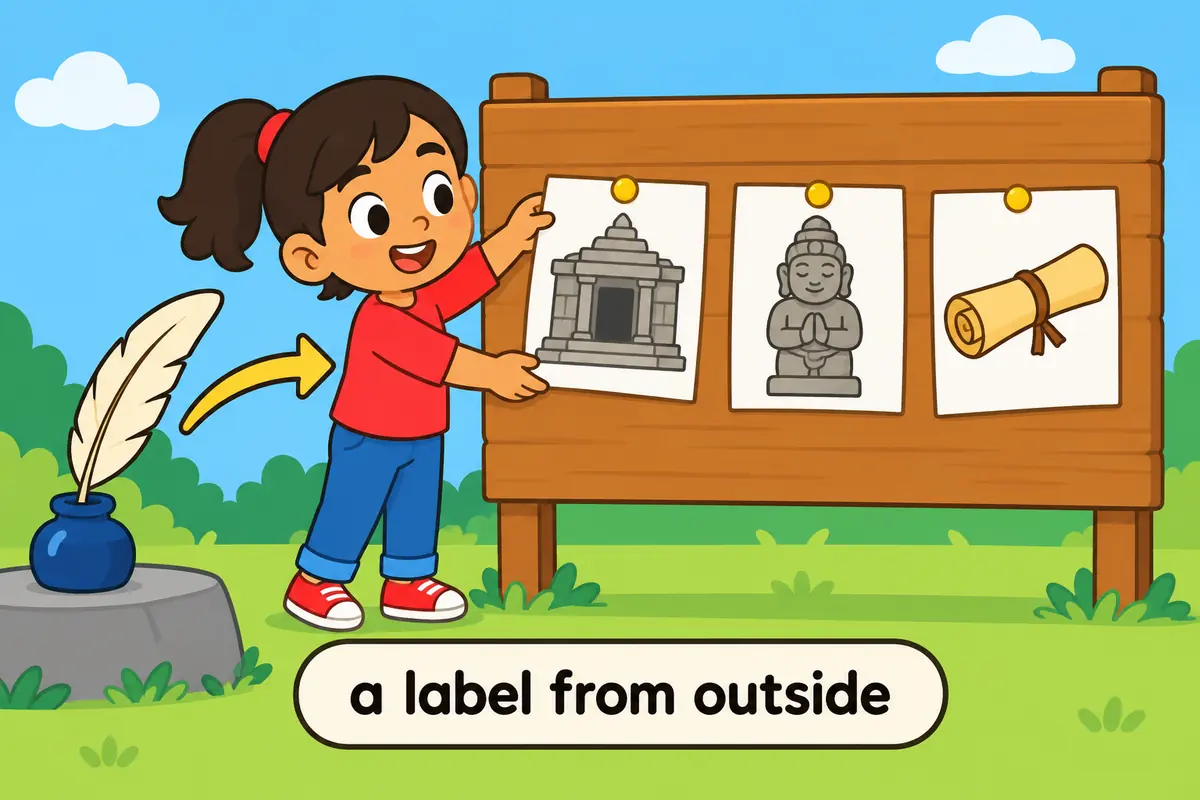
- The label is applied from the outside by the faith doing the judging.
- Its register is dated, historical and frequently offensive.
- The usual companions are heathen gods, heathen customs and heathen hordes.
- The commonest error is treating heathen as a neutral synonym for atheist.
What does heathen mean?
Heathen is a noun meaning a person who does not belong to a widely practised religion, especially as judged by the members of one. The Cambridge entry for heathen also records the adjective use, as in heathen customs, and both forms share the sense that the person stands outside an established faith. The related word atheist is quite different: an atheist holds no belief in any god, which is a position, while a heathen is defined from the standpoint of a particular religion.
| Sense | Plain meaning | Example sentence |
|---|---|---|
| Outside a major faith | A person whose religion is not one of the established ones | Missionaries described the islanders as heathens. |
| Dated and derogatory | An uncivilised or godless person, in older hostile use | The old pamphlet sneered at the heathen foe. |
| Adjective | Belonging to a religion outside the established one | The museum displays heathen amulets. |
One limitation is worth stating plainly. Heathen is a label an established faith applies to outsiders, so it says as much about the speaker as about the person described, and in modern writing it is usually offensive or dated. For neutral prose, name the actual religion or use the scholarly term pagan.
How do you use heathen in a sentence?
Heathen works as a countable noun, as a collective noun and as an adjective, and the choice among the three changes the tone. Four patterns cover almost every real sentence.
| Pattern | Example | What it signals |
|---|---|---|
| a / the + heathen (noun) | The travellers were treated as heathens. | Countable noun for one person or a group. |
| the heathen (collective) | Old sermons warned against the heathen. | A dated collective use, now almost always historical. |
| heathen + noun (adjective) | The temple held heathen idols. | Attributive adjective before the thing described. |
| call / regard + someone + as + heathen | Court records call them heathen rebels. | Names the speaker who applies the label. |
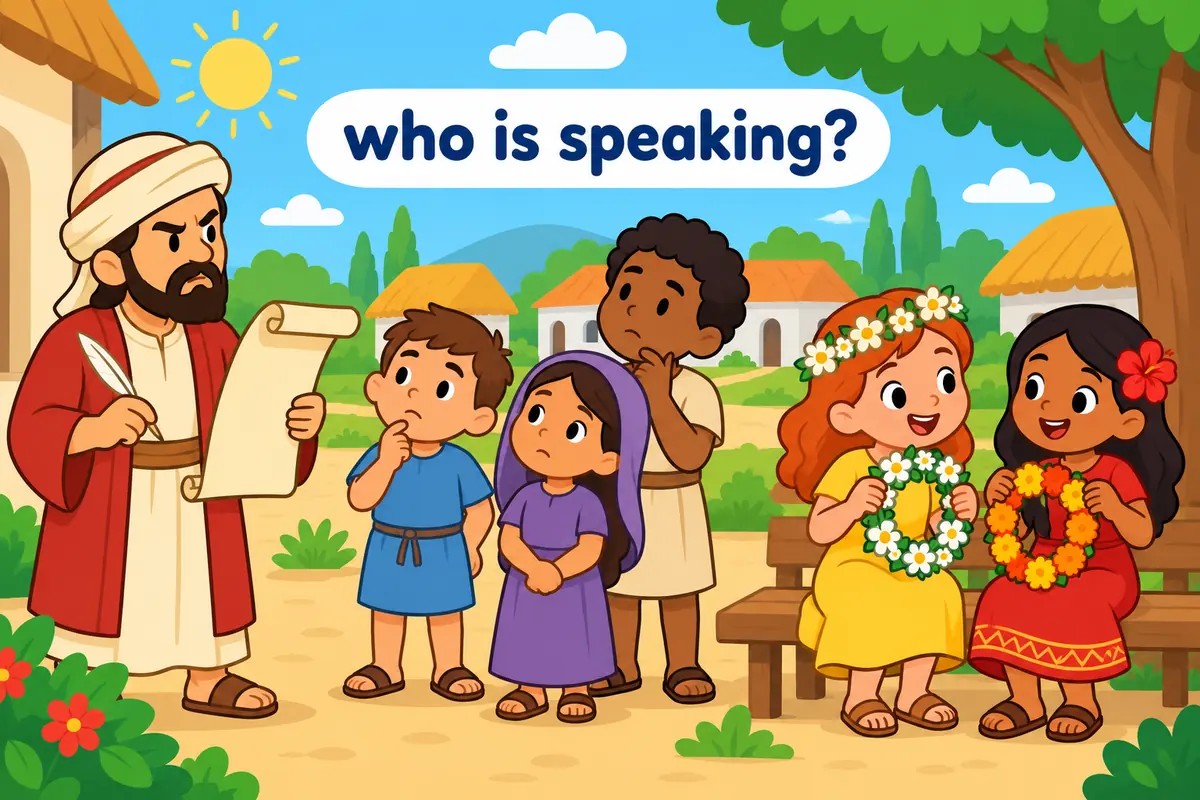
The practitioner rule is simple: keep the person who applies the label visible in the sentence, because heathen has no neutral use when the source of the judgement is hidden.
Heathen in a sentence: examples across contexts
Heathen labels the same outsiders in every period, but the tone shifts from neutral history to open contempt. The ten sentences below keep the word while moving from a classroom to a courtroom, and each one names who is doing the labelling.
| Context | Example sentence | Why this works |
|---|---|---|
| Classroom | The Romans called the tribes beyond the frontier heathens. | A historical frame keeps the term descriptive rather than insulting. |
| Religious history | Monks recorded the missionaries preaching to the heathen. | Shows the word as it was used by the people who wrote the records. |
| News report | Officials denied that the campaign described villagers as heathens. | Quotes the label in order to distance the paper from it. |
| Museum label | The display explains how heathen shrines became churches. | Uses the adjective for objects, where it reads as period vocabulary. |
| Literary essay | The poet borrows the pulpit voice to mock the heathen below. | The borrowed voice signals that the contempt belongs to a character. |
| Religious studies | Scholars now avoid heathen for the neutral term pagan. | States the modern academic preference directly. |
| Legal writing | The 1730 statute used heathen as a ground for exclusion. | Quotes the word as evidence inside a formal summary. |
| Biography | He left the mission after calling his hosts heathen to their faces. | Makes the insult the turning point of a personal story. |
| Travel writing | Her diary calls the dancers heathen, then praises their grace. | The contradiction exposes the prejudice of the writer. |
| Conversation | My uncle jokes that the family are heathens for skipping church. | The self-mocking use softens the word enough for speech. |
Only the last sentence uses the word without a historical frame, and it works because the speaker turns the label on themselves rather than on strangers. That self-directed use is the only register where the word survives comfortably in present-day speech.
Heathen vs pagan, infidel and heretic
Heathen belongs to a set of old labels, and each one draws its line in a different place. pagan has become the neutral scholarly term for a polytheistic or nature-centred tradition, infidel means someone who does not accept a particular faith, and heretic means someone inside a faith who rejects its official teaching.
| Attribute | heathen | pagan | infidel |
|---|---|---|---|
| Core meaning | Outside the established religion | Following an older, often polytheistic faith | Rejecting a particular faith |
| Where the person stands | Outside, by an outsider’s judgement | Outside, named neutrally | Outside, from that faith’s viewpoint |
| Register today | Dated and often offensive | Neutral, scholarly | Archaic and hostile |
| Typical subject | A people or a group | A tradition or a person | A person or a whole community |
| Common collocation | heathen gods | pagan festival | infidel army |
Verdict: use pagan when you want the neutral label for an older religion, name the exact faith when you can, and treat heathen as a quotation from the past rather than a word you apply yourself.
Word forms and grammar of heathen
Heathen has a small family of forms, and two of them are easy to confuse with unrelated words. The table lists the real ones and the non-standard shapes to avoid.
| Form | Part of speech | Example |
|---|---|---|
| heathen | noun and adjective | A heathen altar stood on the hill. |
| heathens | noun, plural | The chronicle lists the heathens by name. |
| heathenish | adjective, derived | Critics called the ceremony heathenish. |
| heathendom | noun, collective, rare | The map marked the edge of heathendom. |
| heathenism | noun | Mission reports described local heathenism. |
| Heathenry | proper noun, modern revival | Heathenry is a present-day religion for some. |
The participial near-neighbour idolater narrows the idea to a worshipper of images, which is only one of the charges the older label carried.
Common mistakes with heathen
- Incorrect:
He is a heathen, so he believes in no god at all.Correct: He is an atheist, so he believes in no god at all. Rule: An atheist rejects all gods, while a heathen follows a religion that the speaker regards as outside the established faith. - Incorrect:
The report said the tribe were heathens in a neutral tone.Correct: The report described the tribe as pagan. Rule: Heathen carries centuries of contempt, so neutral writing uses pagan or names the religion. - Incorrect:
The villagers refused to heathen to the warning.Correct: The villagers refused to hearken to the warning. Rule: Hearken means to listen; heathen names a person or a religion. - Incorrect:
The pilgrims were heathenly treated.Correct: The pilgrims were treated as heathens. Rule: There is no adverb heathenly; use the noun with as or the adjective heathenish. - Incorrect:
She studies heathen, an old religion.Correct: She studies Heathenry, a modern revival. Rule: Lower-case heathen is the old label, while Heathenry is the name some practitioners use today.
Practice using heathen
Work through the six items, then check the reasoning rather than only the answer.
- Fill the gap: The old chronicle calls the northern tribes ______.
- Choose the better word: A modern scholar would write that the festival was (heathen / pagan).
- Correct the error: The neighbours are heathens, so they worship no god at all.
- Build a sentence: use heathen + noun about a carved stone in a museum.
- Spot the register: which belongs in an academic article — heathen rites, or pagan rites?
- Rewrite the label: The settlers called the people godless. Use the noun heathens.
Answers
- heathens — the plural noun names the people a record labelled from outside.
- pagan — the neutral scholarly term suits a modern description.
- The neighbours are atheists, so they worship no god at all — heathen is not a synonym for atheist.
- Model answer: A heathen altar stood beside the museum entrance.
- pagan rites — academic writing keeps the neutral term.
- The settlers called the people heathens — the noun names those judged to be outside the faith.
The bottom line
Use heathen in a sentence only when you are quoting an older, hostile label or writing about the people who used it, and keep visible whoever is doing the judging. The two nuances that decide most sentences are these: heathen names someone outside an established faith rather than a person with no faith at all, and the word carries enough contempt to be offensive in modern neutral prose. Where the word feels sharp, pagan or the name of the actual religion is the safer choice.
Frequently asked questions about heathen
What does heathen mean?
Heathen means a person who is outside a widely established religion, particularly as judged by the followers of one. Historically, Christians applied the word to people who were not Christian, and similar uses appear in other traditions. It can be a noun or an adjective, as in heathen gods. The word is now dated and often offensive.
Is heathen an insult?
It often is. Heathen has spent centuries as a hostile label that outsiders applied to other people, so it reads as dated and contemptuous. Some practitioners of a present-day religion call themselves Heathen by choice, but that self-identification does not make the word safe for outsiders to use. Neutral writing prefers pagan or the name of the faith.
What is the difference between heathen and pagan?
Both once labelled people outside an established religion, but the two words have drifted apart. Pagan has become the neutral scholarly term for an older, often polytheistic tradition, while heathen keeps its demeaning edge. A pagan festival is a neutral description, whereas calling a people heathen sounds like a quotation from an old sermon.
Is heathen a noun or an adjective?
Heathen is both. As a countable noun it names a person, with heathens as the plural and the older collective the heathen. As an adjective it comes before the thing described, as in heathen customs. The derived adjective heathenish and the nouns heathenism and heathendom also exist, though most of them are rare outside historical writing.