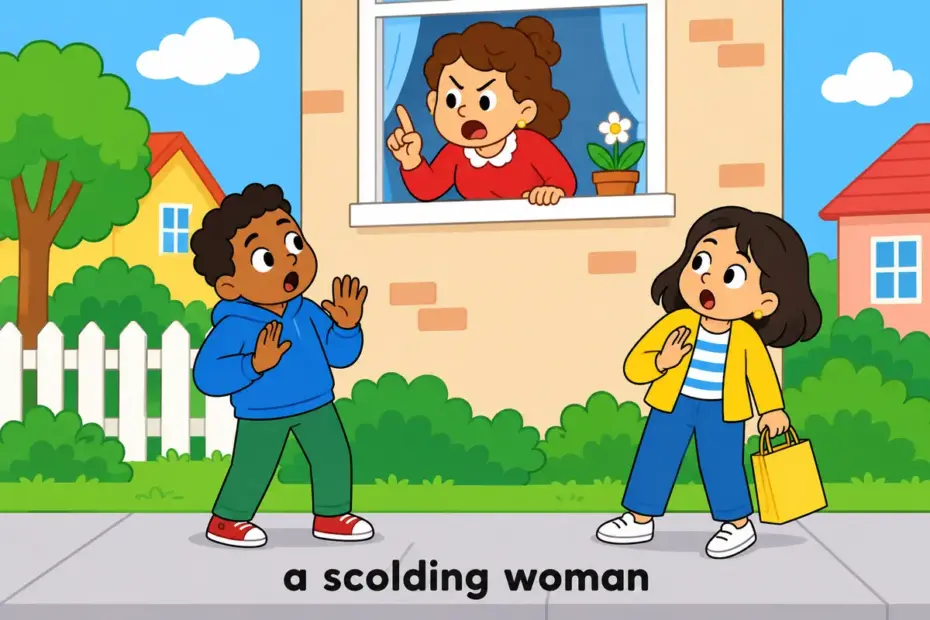
Harridan means a bad-tempered, scolding woman, and the word is a dated insult rather than a neutral label. To use harridan in a sentence, treat it as a countable noun, as in “The landlady was a harridan who terrified her tenants.” Because the term shows contempt, writers keep it in fiction or reported speech, not in fair description.
Harridan at a glance
- Harridan is a countable noun, and its plural is harridans.
- It means a bad-tempered, aggressive woman, especially one who scolds and nags.
- The word is strongly disapproving and now sounds dated, so it insults the woman it names.
- It usually appears with old, shrieking, scolding or shrill, and with a or the.
- Close synonyms are fishwife, termagant, shrew and vixen, each with its own shade.
- The commonest error is treating harridan as a neutral word for a strict woman.
What does harridan mean?
Harridan is a countable noun meaning a bad-tempered, scolding woman whose anger and nagging dominate the people around her. The Cambridge Dictionary entry for harridan marks the word as old-fashioned and disapproving, and that judgement belongs to the word itself. A harridan does not merely disagree; she harangues, nags and drives people away with her temper.
| Sense | Plain meaning | Example sentence |
|---|---|---|
| Scolding woman | A bad-tempered woman who nags and shouts | The tenants called the landlady a harridan behind her door. |
| Domineering woman | A woman who bullies or overrules everyone around her | In the play, the owner’s wife is a harridan who controls the payroll. |
| Stock character | A type used in comedy and satire | Victorian farces often end with the harridan chasing the clerk off stage. |
| Figure of complaint | A label applied to a woman the speaker resents | The diarist dismissed every female reformer as a harridan. |
One honest limitation belongs here. Harridan is not a medical or neutral word, and it does not mean a strong or independent woman. It carries real contempt, it is applied only to women, and it has largely faded from serious writing; where you simply mean that someone is firm, use firm or demanding instead.
How do you use harridan in a sentence?
Harridan behaves like most countable nouns, so the article and the verb agreement decide whether the sentence sounds natural. The five patterns below cover almost every real use, from a single insult to a group description.
| Pattern | Example | What it signals |
|---|---|---|
| a / the + harridan | The gatekeeper was a harridan who fined everyone late. | Singular countable use; the insult lands on one named woman. |
| call / label + someone + a harridan | The column called the minister a harridan. | Reported name-calling, which lets the writer keep a distance from the slur. |
| the harridan + relative clause | The harridan who ran the laundry reduced two girls to tears. | Defines the woman by the scolding behaviour that earns the word. |
| plural harridans | The poster showed the three campaigners as harridans. | Groups women under one insult, which readers hear as unfair. |
| possessive + harridan | Her tone earned her the office label of harridan. | Ties the word to reputation rather than to a single act. |
Harridan in a sentence: examples across contexts
Harridan keeps its sting wherever it appears, but the register shifts with the kind of writing. Each row below shows a different context and names the reason the sentence works.
| Context | Example sentence | Why this works |
|---|---|---|
| Literature | The housekeeper was a harridan, and the children learned to walk past her door on tiptoe. | A relative clause shows the behaviour that earns the label. |
| Drama | In the farce the harridan bursts in, and the servants scatter. | Names a stock type, so no individual woman is insulted. |
| Newspaper column | Critics branded the head teacher a harridan, a charge her union rejected at once. | Reported name-calling keeps the journalist neutral. |
| Historical writing | Diarists of the period called any woman who spoke in public a harridan. | Shows the word’s dated hostility without endorsing it. |
| Conversation | My aunt called the new chair a harridan, and nobody at the table disagreed. | Informal reported speech, where the insult belongs to the speaker. |
| Academic criticism | The novel sets its harridan against a silent, dutiful heroine. | Names a literary type rather than a real person. |
| Screenwriting | Give the harridan one moment of kindness before the final scene. | Directions for a character, not a judgement on an actor. |
| Political commentary | The cartoon drew the mayor as a harridan with a rolling pin. | Attributes the slur to an illustrator’s frame. |
| Personal essay | I feared I would be remembered as the harridan of the committee. | First person shows the speaker turning the insult on herself. |
| Translation | The translator chose harridan for a word that is milder in the original. | Flags a choice that imports contempt the source text lacked. |
| Local news | Neighbours described the woman as a harridan, then admitted they barely knew her. | Puts the slur in the mouths of others and hints at its unfairness. |
| Book review | The memoir turns the family harridan into a figure of real tenderness. | Shows a writer reclaiming the insult for a sympathetic portrait. |
Harridan vs fishwife, termagant and scold
Four words describe a scolding woman, and they are not interchangeable. Fishwife adds coarseness and a loud public voice; termagant suggests a violent, turbulent temper; scold names the act rather than the person. Harridan sits between them, and its age is part of its force.
| Attribute | harridan | fishwife | termagant |
|---|---|---|---|
| Core image | A sharp-tongued, domineering woman | A coarse woman who shouts in public | A violent, turbulent woman |
| Main implication | Nagging control of others | Vulgar noise | Fierce aggression |
| Datedness | Old-fashioned and literary | Old-fashioned | Very old-fashioned, almost archaic |
| Where it appears | Novels, drama, reported insults | Older journalism and fiction | Historical and fantasy writing |
| Everyday alternative | bully, tyrant | loudmouth | fury |
The verdict is simple: use harridan for a domineering, scolding woman in fiction or reported speech, choose fishwife when the noise is coarse and public, and reach for termagant only when the temper is violent and the tone deliberately archaic. Where you merely mean that someone nags, the verb nag states the behaviour without insulting a whole person. Two further words sharpen the choice: vixen suggests a sharp, spiteful manner rather than loud scolding, and a termagant resembles a figure of fury more than a mere nag.
Word forms and grammar of harridan
Harridan has one standard noun form and one plural, and it is occasionally pressed into service as a noun modifier. The table also records the forms learners try to build and should avoid.
| Form | Part of speech | Example |
|---|---|---|
| harridan | noun, singular | The role calls for a harridan with a soft centre. |
| harridans | noun, plural | Two harridans rule the boarding house in the novel. |
| harridan (attributive) | noun used as a modifier | Her harridan reputation kept callers away. |
| harridan-like | compound adjective, informal | He fled her harridan-like scolding. |
| harridanish | non-standard adjective, avoid | Use harridan-like or scolding instead. |
| harridaned | non-standard verb, avoid | Harridan is a noun; use scolded or nagged. |
The word is unusual because it exists only as a judgement, never as a description anyone would accept. That is why the verb form does not survive: scold covers the action, while harridan freezes it into a label attached to a woman.
Common mistakes with harridan
- Incorrect:
The foreman was a harridan.Correct: The woman who ran the shift was a harridan. Rule: Harridan is used only of a woman, so it cannot describe a man. - Incorrect:
She harridaned the whole team for being late.Correct: She scolded the whole team for being late. Rule: Harridan is a noun, not a verb; use scold, nag or berate. - Incorrect:
Our manager is a harridan because she keeps deadlines.Correct: Our manager is strict about deadlines. Rule: Firmness alone does not make a harridan; the word implies contempt and loud anger. - Incorrect:
A harridan is simply a strong woman.Correct: A harridan is a bad-tempered, scolding woman, and the word is an insult. Rule: Strength and scolding are different ideas, and only one carries the slur. - Incorrect:
The harridan was married to a harridan.Correct: The harridan was married to a mild, patient man. Rule: Keep the term to women, and keep the singular and plural straight. - Incorrect:
She was a harridan of a boss.Correct: Her boss was harsh and quick to scold. Rule: Harridan is not a general intensifier; it names a particular kind of woman.
Practice using harridan
- Fill in the blank: The landlady was a ______ who inspected every room twice a day.
- Choose the better word: The reporter described the campaigner as a (harridan / determined) woman.
- Correct the error: The judge harridaned the lawyers for wasting time.
- Build a sentence: use call someone a harridan about a fictional aunt in a story.
- Spot the register: which belongs in a school report on a play – the harridan drives the plot, or my teacher is a total harridan?
- Rewrite in the plural: The novel has one harridan in the kitchen. Make it two.
- Replace with a plain word: The committee feared the harridan who chaired it.
Answers
- harridan — the indefinite article and the relative clause fit a singular countable noun.
- determined — harridan imports an insult a straight report should not carry.
- The judge scolded the lawyers for wasting time — harridan is never a verb.
- Model answer: The children called their aunt a harridan, though she was only brisk.
- The harridan drives the plot — a school report keeps the insult inside the play.
- The novel has two harridans in the kitchen — add the plural s to the countable noun.
- The committee feared the chair, who was harsh and quick to scold — the plain words describe without the slur.
The bottom line
Use harridan in a sentence only when you mean a bad-tempered, scolding woman and you accept the word’s sting, because it is a dated insult rather than a description. The two decisions that matter are gender and tone: harridan applies only to women, and it always shows contempt, so it belongs in fiction, quotation or reported name-calling. Where you mean that someone is strict, firm or forceful, those plainer words carry your meaning without the slur.
Frequently asked questions about harridan
Is harridan an offensive word?
Yes. Harridan is a disapproving, old-fashioned insult aimed at women, and dictionaries mark it as such. It suggests uncontrolled scolding and contempt, so a fair description of a real person should use strict, demanding or bad-tempered instead. The word survives mainly in fiction, historical writing and reported name-calling.
What is another word for harridan?
Close alternatives are fishwife, termagant, shrew and vixen. Fishwife stresses coarse public shouting, termagant a violent temper, shrew a nagging tongue, and vixen a sharp, spiteful manner. All are old-fashioned and all insult a woman, so choose one only when you want that harsh tone rather than neutral description.
Can harridan describe a man?
No. Harridan is defined as a woman, so calling a man a harridan reads as a mistake, and the usual effect is comic or confusing rather than insulting. For a man, writers use tyrant, bully or loudmouth. If you need an insult that works for either sex, choose bully, nag or scold.
Is harridan still used today?
Harridan has faded from serious writing and now feels dated, which is why it appears mostly in fiction, history and reported insults. Modern journalism prefers plainer words. When the term does appear, its age adds contempt, so a writer who uses it is usually signalling disapproval of the label as much as of the woman.