Detente means the easing of hostility between countries or rival groups, a slow thaw rather than a peace treaty. To use detente in a sentence, name the two sides and the cooling of tension: “The two states reached a fragile detente.” The noun names a process, not a single agreement.
Detente at a glance
- Detente is a noun, often written détente with an accent in careful British and American writing.
- It names a relaxing of tension between rivals, not a formal peace.
- It appears with reach, maintain, build, fragile and lasting, and with between two parties.
- Detente belongs to politics, diplomacy and history writing.
- The commonest error is confusing detente with the verb detonate, which means to explode.
- The plural detentes is rare and usually avoided in careful prose.
What does detente mean?
Detente is a noun meaning an easing of hostility or strained relations between countries, especially when each side gains from reduced tension. The Cambridge entry for detente records the sense of a lessening of tension between nations. The easing is gradual and can be reversed.
| Sense | Plain meaning | Example sentence |
|---|---|---|
| Diplomatic thaw | A reduction of tension between states | The summit produced a cautious detente. |
| Strategic relaxation | A slow reduction of military tension | The treaty began a long detente between the rival fleets. |
| Informal thaw | An easing between rival groups or people | A quiet detente grew between the two departments. |
One limitation is worth stating plainly. Detente is not peace and not a treaty. It describes a period of reduced tension that can end without warning, and it usually stops short of resolving the underlying dispute. Where a formal end to fighting is meant, use truce or ceasefire instead.
The word is most often met in history and news writing about the Cold War, where detente names the period of reduced tension between the superpowers in the 1970s. It carries no promise that the rivalry has ended, only that the temperature has dropped. That is why analysts speak of a fragile detente: the thaw depends on both sides continuing to want it.
How do you use detente in a sentence?
The noun follows verbs such as reach and maintain, and it often takes an adjective that judges how stable the thaw is. Five patterns cover almost every natural sentence.
| Pattern | Example | What it signals |
|---|---|---|
| reach / achieve + a detente | The rivals reached a detente. | Marks the start of the easing. |
| a fragile / lasting + detente | a fragile detente | The adjective judges how stable it is. |
| detente + between + two parties | a detente between the two states | Names both sides. |
| detente + with + party | detente with a neighbour | One-sided phrasing, common in politics. |
| during the detente | During the detente, trade resumed. | Places events inside the thaw. |
A detente often begins as a smaller diplomatic thaw, with contacts resumed before any treaty is signed.
Choosing between reach, build and maintain is a matter of time. You reach a detente at the moment tension drops, you build one over months of small contacts, and you maintain one by keeping those contacts alive. A detente that nobody maintains tends to freeze again, which is why the adjective fragile recurs so often beside the noun.
Detente in a sentence: examples across contexts
Detente changes register more than meaning. These sentences move from a history essay to a workplace note, and each one names the two sides and the tension that eased.
| Context | Example sentence | Why this works |
|---|---|---|
| History essay | The detente of the 1970s followed years of dangerous rivalry. | Places the noun in a named period. |
| News report | The neighbours reached a cautious detente after the border talks. | Pairs the noun with reach and an adjective of degree. |
| Diplomatic writing | A lasting detente requires trade as well as treaties. | Uses the noun as a condition to be built. |
| Workplace note | A quiet detente between the two teams ended the turf war. | Extends the word to rival groups. |
| Political analysis | Accord came slowly, and the detente held for a decade. | Contrasts a formal accord with a looser thaw. |
| Academic prose | The detente did not settle the dispute; it only lowered the temperature. | States the limitation inside the sentence. |
| Sports writing | A summer detente brought the two clubs back to the negotiating table. | Shows the word used playfully for organisations. |
| Personal writing | After the argument, a careful detente grew between the brothers. | Extends the noun to a private easing. |
| Diplomatic history | Settlement of the border question made the detente possible. | Shows what must come first. |
| Editorial | The detente was real but shallow, and everyone knew it. | Judges the thaw without overstating it. |
Two of these sentences judge how deep the thaw went. That judgement is where detente differs most from truce.
Note the difference between a detente and a reset. A reset throws away the old relationship and starts again; a detente keeps the relationship and removes some of its danger. That is why a detente is usually partial, uneven and easy to reverse, and why the word so rarely appears without a qualifier in front of it.
Detente vs truce
Detente and declare a truce both describe a pause in hostility, and they are not interchangeable. A truce is a formal agreement to stop fighting; a detente is a gradual cooling that needs no document.
| Attribute | detente | truce |
|---|---|---|
| Meaning | A gradual easing of tension | An agreement to stop fighting |
| Formality | An informal process | A formal arrangement |
| Duration | A period, often years | A set pause, often days |
| Underlying dispute | Usually unresolved | Temporarily set aside |
| Typical collocations | fragile detente, era of detente | declare a truce, truce holds |
| Register | Diplomacy and history | Military and news |
Verdict: choose detente for a slow cooling of hostility between rivals, and truce for a declared halt to fighting. A detente can contain a truce, but a truce alone is not a detente.
Word forms and grammar of detente
Detente is a noun with no English verb, and its closest spelling neighbour is the verb detonate. The table lists the family and the traps.
| Form | Part of speech | Example |
|---|---|---|
| detente | noun | The detente lasted a decade. |
| détente | noun, accented variant | The era of détente ended abruptly. |
| detentes | noun, plural (rare) | Two separate detentes eased the region. |
| detonate | verb — different meaning | The crew detonated the charge safely. |
| detonation | noun — different meaning | The detonation was heard for miles. |
Because detente has no English verb, writers who want an action either use the noun with reach and build or turn to loosen, ease or thaw. The tempting verb detente does not exist, and detonate is a different word with a different meaning, so a sentence about diplomacy can never use it.
Common mistakes with detente
Most errors treat a process as a document or confuse the noun with the verb detonate. Each pair below shows the wrong sentence, the corrected sentence and the rule that explains the fix.
- Incorrect:
The countries signed a detente.Correct: The countries reached a detente. Rule: Detente is a process, not a document you sign; use reach, build or maintain. - Incorrect:
The bomb will detente at noon.Correct: The bomb will detonate at noon. Rule: Detonate is the verb meaning to explode; detente is a noun meaning a thaw. - Incorrect:
They detente their differences.Correct: They reached a detente over their differences. Rule: Detente is a noun and is never used as a verb. - Incorrect:
The detente was between the war.Correct: The detente eased tension between the rivals. Rule: Between needs two parties, not an event. - Incorrect:
Detente means the war is over.Correct: Detente means the tension has eased. Rule: Detente reduces hostility but does not end the underlying conflict.
Practice using detente
Work through the eight items, then check the reasoning rather than only the answer.
- Fill the gap: The two governments reached a fragile ______ after months of talks.
- Choose the better word: The generals agreed to a two-day (detente / truce) to collect the wounded.
- Correct the error: The leaders signed a detente at the summit.
- Build a sentence: use a detente between about two rival school teams.
- Spot the register: which belongs in a history essay — the era of detente, or things kind of calmed down?
- Rewrite with the adjective phrase: Tension eased slowly. Use a gradual detente.
- Fix the confusable: The engineers will detente the charges at dawn.
- Explain the difference: when is truce wrong and detente right?
Answers
- detente — the noun names the gradual easing, and fragile judges how stable it is.
- truce — a short, formal halt to fighting is a truce; a detente is a longer thaw.
- The leaders reached a detente at the summit — detente is reached, not signed.
- Model answer: A cautious detente between the two teams ended the annual rivalry.
- The era of detente — a history essay keeps the technical noun and avoids vague phrasing.
- A gradual detente followed the talks — the noun carries the easing when no single verb fits.
- The engineers will detonate the charges at dawn — to explode is detonate, not detente.
- Use truce for a formal halt to fighting and detente for a slow easing of tension that resolves nothing.
The bottom line
Use detente in a sentence for the gradual easing of hostility between rivals, and let the noun follow reach, build or maintain: a fragile detente. The two nuances that decide most sentences are that a detente is a process rather than a signed agreement, and that it lowers tension without ending the dispute. Where fighting must stop on a set date, truce is the precise word. A lasting detente may open the way to reconciliation between the rivals, though it stops well short of full peace.
Frequently asked questions about detente
Is detente a formal agreement?
No. A detente is a process or a period, not a signed document. Countries reach, build or maintain a detente, and it can fade without any formal ending. A treaty may accompany one, but the detente itself is the gradual cooling of hostility rather than the paper that records it.
What is the difference between detente and detonate?
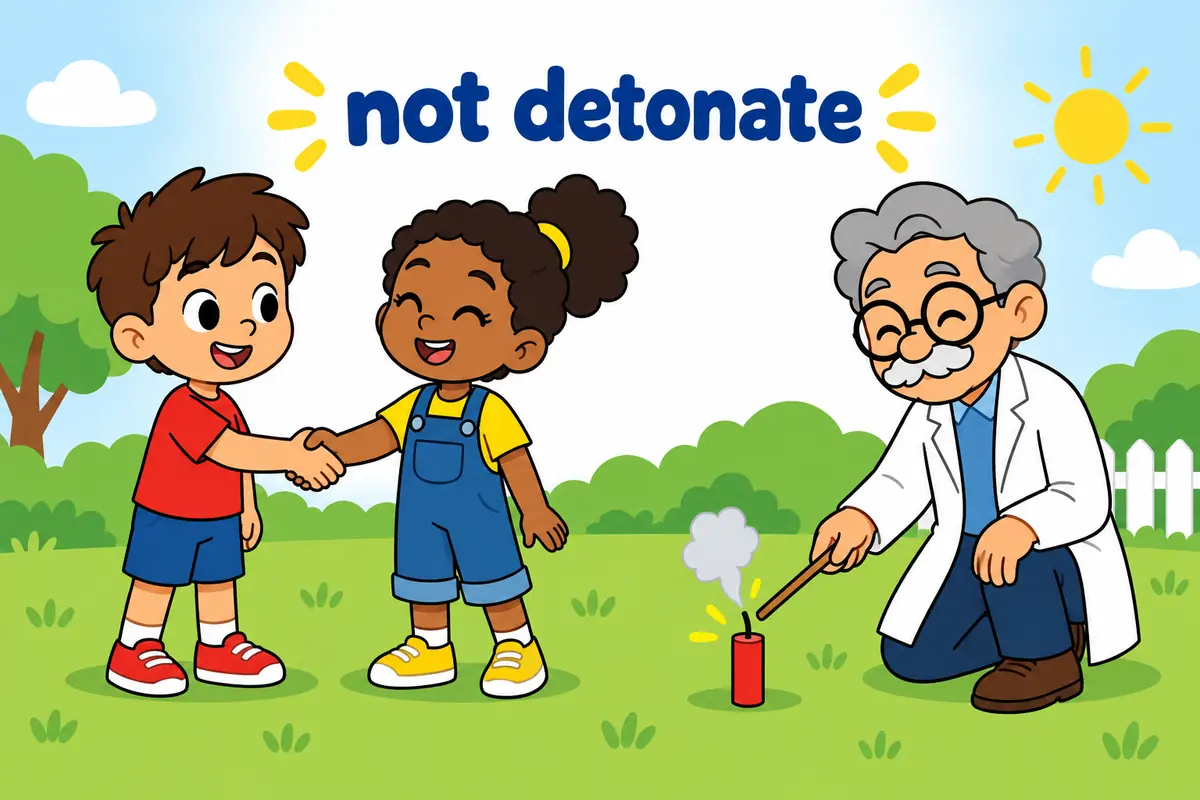
Detente is a noun meaning an easing of tension between rivals. Detonate is a verb meaning to explode, as in the crew detonated the charge. The two words differ by a few letters and share nothing in meaning, so a sentence about a bomb needs detonate and a sentence about diplomacy needs detente.
Does detente have an accent?
The word comes from French, so careful writers often spell it détente with an acute accent on the first e. In English the accent is optional, and detente without one is widely accepted, especially in headlines and news copy. Keep one spelling consistent within a single article.
What is the opposite of detente?
The opposite is an escalation or a deterioration of relations, when tension between rivals rises instead of easing. A detente relaxes a standoff, while escalation sharpens it. The phrase the cold war thawed describes a detente, and the cold war froze again describes its reversal.