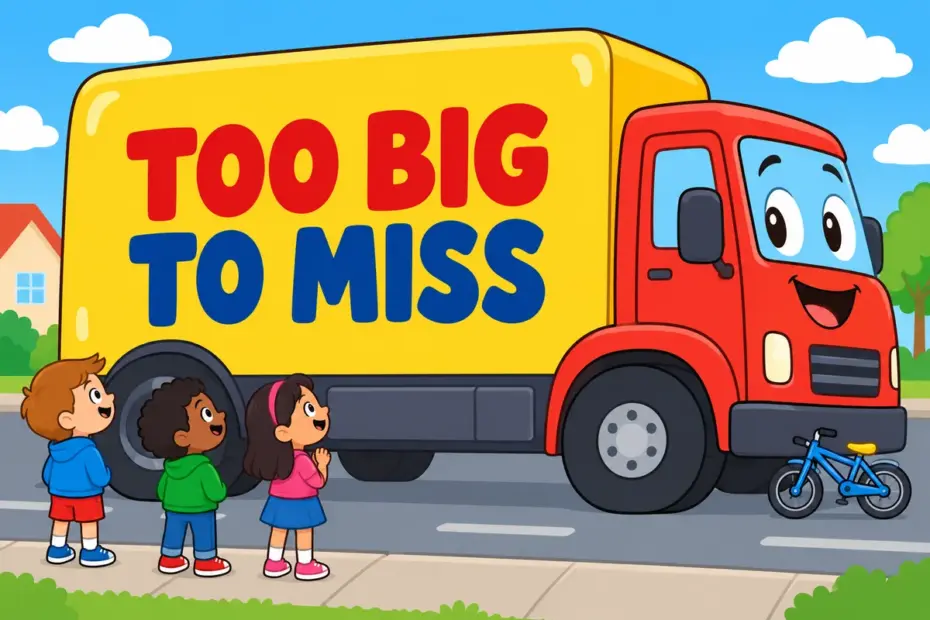
Behemoth means something enormous in size, scale or power, and writers use it when big is far too small a word. To use behemoth in a sentence, pair it with the giant thing itself: “The delivery truck was a behemoth that filled the lane.” The noun is countable, so it needs a or the.
Behemoth at a glance
- Behemoth is a countable noun meaning a thing of enormous size or power; the plural is behemoths.
- It names very large machines, animals, buildings, companies and institutions.
- It often carries awe, complaint or a hint of menace, depending on the writer’s tone.
- Before another noun it works attributively: a behemoth mining company.
- The commonest error is dropping the article, as in the company became behemoth.
What does behemoth mean?
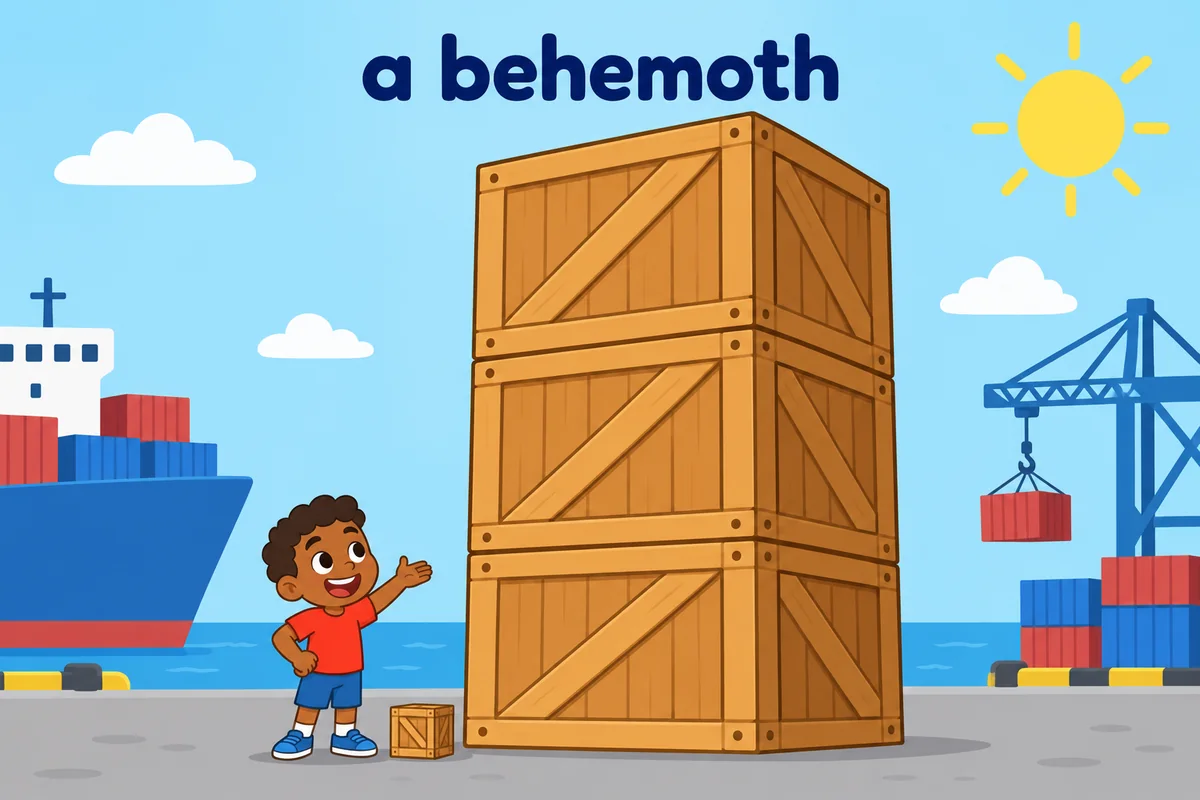
Behemoth is a noun meaning something that is enormous in size or power. The Cambridge entry for behemoth gives the core sense of something very large and powerful. The word is older than its modern use: it arrives in English as the name of a mighty beast, and writers have since applied it to anything that dwarfs its surroundings.
Three recurring senses cover almost every sentence. The first is sheer size, as with an aircraft or a piece of machinery. The second is institutional power, where the behemoth is a company, a state or an army. The third is the original beast of legend, which survives in fantasy and, more loosely, in any creature presented as impossibly large.
| Sense | Plain meaning | Example sentence |
|---|---|---|
| Huge physical thing | A machine, vehicle or structure of vast size | The combine harvester is a behemoth beside the small tractor. |
| Powerful organization | A company or institution of great size and reach | The bank grew into a behemoth with branches on five continents. |
| Legendary beast | A creature of myth, or an animal of startling bulk | The story describes a behemoth that drank whole rivers dry. |
| Attributive use | Used before a noun as a description | A behemoth airline dominates the route. |
One limitation is worth stating plainly. Behemoth is not neutral in the way large is. It almost always carries a reaction, whether awe, dread or exasperation, so it suits opinion and colour more than dry measurement. For a bare fact, the adjective an enormous warehouse keeps the description cooler, and a beast of a machine is the informal cousin that trades dignity for energy.
How do you use behemoth in a sentence?
Behemoth behaves like a normal countable noun. Give it an article or a determiner, and let the sentence name what makes the thing immense: its size, its reach or its appetite. Five patterns cover nearly every real sentence, and the attributive pattern is the one that most often trips writers, because it turns the noun into a modifier.
| Pattern | Example | What it signals |
|---|---|---|
| a / the + behemoth | The rescue ship was a behemoth of steel. | The standard countable use with an article. |
| behemoth of + noun | It is a behemoth of a stadium. | Emphasises the category the giant belongs to. |
| grow / become a behemoth | The startup became a behemoth within a decade. | Traces a change in scale over time. |
| behemoth + noun | A behemoth retailer squeezed the high street. | Attributive use before another noun. |
| the behemoths of + field | The behemoths of shipping set the freight rates. | Groups the dominant players in a field. |
The practitioner rule is simple: if the thing is merely large, say large; if its size or power changes how people behave, behemoth earns its place. The word’s force comes from scale that dwarfs its neighbours, so a behemoth is measured against everything around it rather than on an absolute scale. Because the noun does the describing, writers rarely need an adjective at all: a behemoth refinery says more than an enormous refinery, because it also hints at market power and appetite.
Behemoth in a sentence: examples across contexts
Behemoth shifts easily between registers. The eleven sentences below run from a classroom to a finance report, and each names the thing being dwarfed.
| Context | Example sentence | Why this works |
|---|---|---|
| Classroom | The dictionary on the shelf was a behemoth next to our paperbacks. | A familiar scale makes the size vivid. |
| Storytelling | A behemoth rose from the lake and blocked out the sun. | Uses the legendary sense for awe. |
| Workplace email | We cannot match the behemoth on price, only on service. | Names a competitor by scale rather than by name. |
| News report | The state energy behemoth reported record output. | Compresses ownership and scale into one noun. |
| Business analysis | Two behemoths now control most of the market. | Plural makes an oligopoly instantly visible. |
| Travel writing | The cruise ship is a behemoth that carries as many people as a town. | A comparison turns an abstract scale concrete. |
| Engineering | The tunnel-boring machine is a behemoth of moving steel. | Pairs the machine with the material that defines it. |
| Sports writing | The club is a behemoth that buys the best players each season. | Uses power rather than physical size as the criterion. |
| Environmental report | The landfill grew into a behemoth visible from the hills. | Shows growth from ordinary to enormous. |
| Technology press | The search behemoth changed its ranking rules overnight. | Attributive form labels the dominant firm. |
| Conversation | That new supermarket is a behemoth. | Even in speech the article and noun stand alone. |
Notice how many of the sentences compare the giant with something ordinary, because the word only registers against a smaller backdrop; a behemoth among equals is a contradiction.
Behemoth vs mammoth
Behemoth and mammoth both point at overwhelming size, and the difference is power. Mammoth, as a noun or an adjective, stresses bulk alone, as in a mammoth task. Behemoth carries strength and influence on top of size, which is why a company or an army is a behemoth while a list is mammoth. The image also differs: a mammoth is a known animal, a behemoth is a creature of legend.
| Attribute | behemoth | mammoth |
|---|---|---|
| Core idea | Enormous and powerful | Enormous in extent |
| Part of speech | Noun | Noun and adjective |
| Implies power | Yes, usually | No |
| Typical referent | Company, ship, machine, state | Task, crowd, effort, budget |
| Tone | Awe or menace | Scale, often neutral |
Verdict: choose behemoth for a giant with power and mammoth for a giant amount or effort. Where the emphasis is raw strength without size, a juggernaut is the closer noun, because it suggests momentum as well as bulk. A creature of legend may also be a a titan, and a statue of vast scale is a a colossus.
Word forms and grammar of behemoth
Behemoth is a regular noun, and it also works before another noun without changing shape. The table also flags the form learners invent by mistake.
| Form | Part of speech | Example |
|---|---|---|
| behemoth | noun, singular | A behemoth blocked the harbour entrance. |
| behemoths | noun, plural | Three behemoths now dominate the industry. |
| behemoth | noun used attributively | The behemoth refinery ran day and night. |
| behemoth’s | possessive noun | The behemoth’s appetite for fuel surprised analysts. |
| behemothic | non-standard adjective | Say enormous or gigantic instead. |
| behemoth-size | informal compound | Best limited to headlines. |
The word has no verb and no accepted adverb, which is one reason it stays crisp: it names the giant and leaves the describing to the sentence.
Common mistakes with behemoth
- Incorrect:
The company became behemoth.Correct: The company became a behemoth. Rule: Behemoth is a countable noun and normally needs a determiner. - Incorrect:
They own three behemoth.Correct: They own three behemoths. Rule: The plural adds -s. - Incorrect:
The behemothic truck blocked the road.Correct: The behemoth truck blocked the road. Rule: Behemothic is not standard; use the noun attributively or say enormous. - Incorrect:
Her behemoth of a handbag is quite heavy.Correct: Her bag is heavy. Rule: Reserve behemoth for genuinely vast scale; for ordinary objects it sounds ironic and can read as a dig.
Practice using behemoth
- Fill the gap: The new container ship is ______ that barely fits the dock.
- Choose the better word: We finished a (behemoth / mammoth) report by Friday.
- Correct the error: Two behemoth now control the market.
- Build a sentence: use behemoth of about a very large stadium.
- Spot the register: which belongs in a business article — the retail behemoth reported record sales, or that shop is, like, huge?
- Rewrite as a plural: A behemoth dominates the industry. Use the plural behemoths with a new subject.
Answers
- a behemoth — a countable noun needs an article before its description.
- mammoth — a report is large in extent but has no power.
- Two behemoths now control the market — the plural adds -s.
- Model answer: The new ground is a behemoth of a stadium that seats eighty thousand fans.
- The business article takes the retail behemoth — formal writing avoids like, huge.
- Behemoths dominate the industry — the plural subject takes the plural noun.
The bottom line
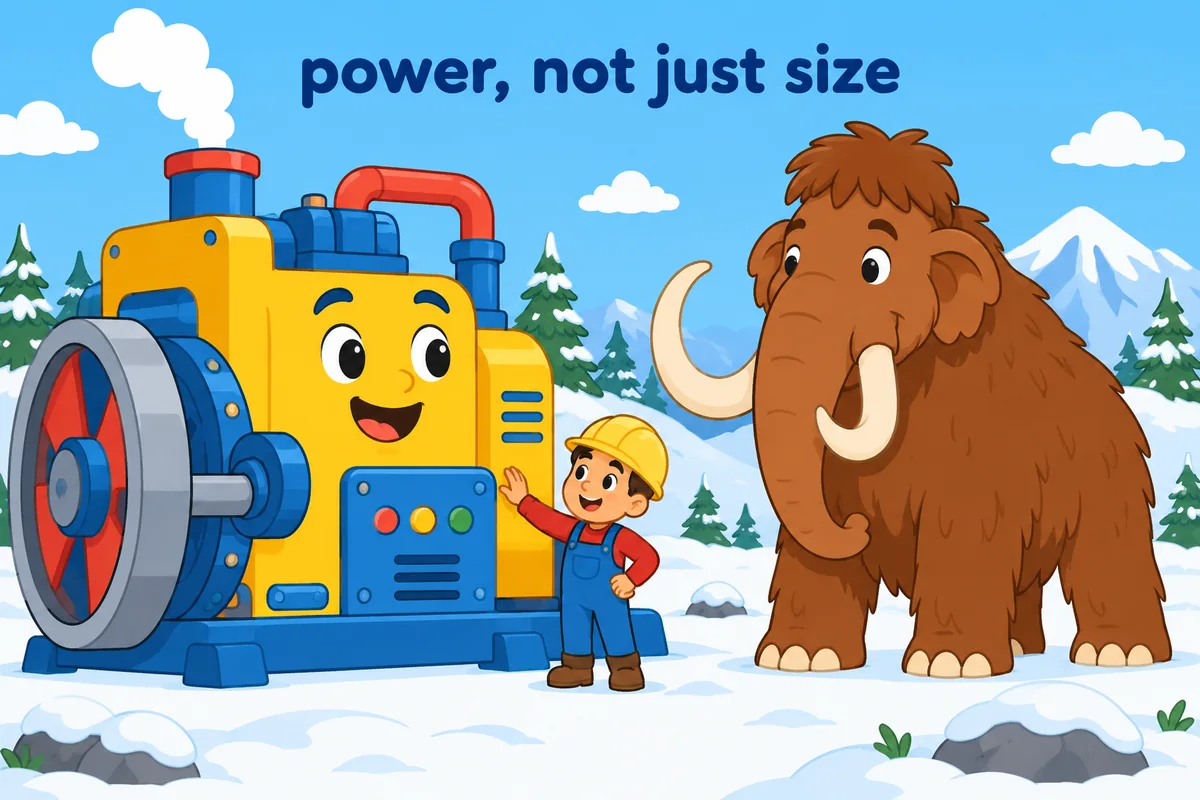
Use behemoth in a sentence for something that dwarfs its surroundings in size or power, and give it an article. The two nuances that decide most sentences are these: behemoth implies power as well as bulk, so a mammoth effort is not a behemoth, and the word stays a countable noun even when it modifies another noun. Reach for it when scale changes the story, and use large when it does not.
Frequently asked questions about behemoth
Is behemoth always a noun?
Yes. Behemoth is a countable noun, though it also works attributively before another noun, as in a behemoth retailer. There is no established verb and no standard adjective; behemothic is rare and best avoided. When you need an adjective, enormous, gigantic or colossal will do the work more safely.
What is the plural of behemoth?
The plural is behemoths, formed by adding -s, as in two behemoths control the market. A few speakers treat it as unchanged, but standard dictionaries and editors expect behemoths. The possessive is behemoth’s, as in the behemoth’s reach, with the apostrophe before the s for a singular noun.
Does behemoth mean evil?
No, though it can carry menace. Behemoth began as the name of a mighty beast, but in modern use it mostly signals overwhelming size or power. A friendly cruise ship can be a behemoth as easily as an intimidating company. Context and tone, not the word itself, decide whether the effect is awe or alarm.
Can a person be called a behemoth?
It happens, but carefully. Calling a person a behemoth usually refers to their power, fame or influence rather than their body, as in a behemoth of the music industry. Applied to physical size it can sound unkind, so writers reserve that use for machines, animals and institutions. Prefer a neutral phrase when the reference is a real person.