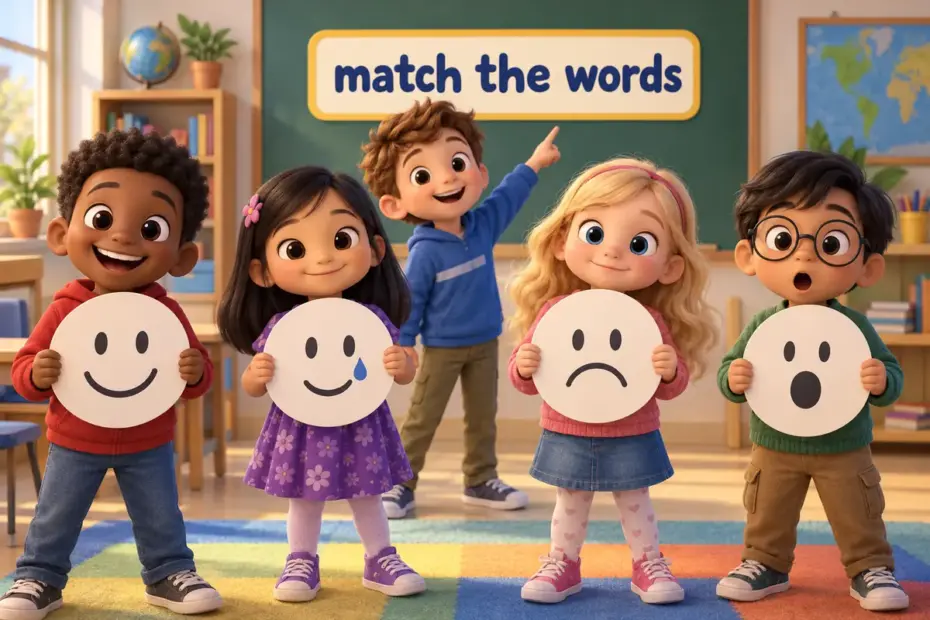
Face emoji meanings describe the feelings that tiny pictures of expressions carry, and they decide the tone of an otherwise plain message. A grinning face reports warmth, a frowning face reports trouble, and a face with tears of joy reports laughter. The words around the face settle which one applies.
Face emoji meanings at a glance
- A face emoji is a small picture that stands in for a facial expression in digital text.
- The same face can read differently in a work chat and in a message to a close friend.
- Repeating a face raises intensity, so three laughing faces read stronger than one.
- Every face carries an official descriptive name that is longer than the nickname people use.
- The commonest mistake is attaching a light face to a serious apology.
What do face emoji mean?
A face emoji copies an expression rather than a single word, so its meaning depends on the expression it copies. A smiling face reports pleasure, a frowning face reports trouble, and a face with tears can report laughing or crying, which the surrounding words settle. A face names a mood rather than an event, so it rarely carries the main information by itself. In a face to face conversation the tone arrives with the voice, which is exactly what a face emoji has to supply in writing.
| Feel | Face | Plain meaning | Everyday example |
|---|---|---|---|
| Happiness | Grinning face | Warm pleasure or agreement | See you at six, grinning face |
| Laughter | Face with tears of joy | Something is genuinely funny | He sent the wrong file again, tears of joy |
| Sadness | Crying face | Disappointment or grief | The trip is cancelled, crying face |
| Anger | Angry face | Frustration at a person or event | Third delay today, angry face |
| Shock | Astonished face | Surprise without judgment | You won the draw, astonished face |
| Puzzlement | Confused face | Mild confusion about a fact | Which form do I sign, confused face |
A face emoji is the wrong choice in a formal report, a legal letter or a first email to a hiring manager. In those settings a plain sentence carries the tone without any risk of reading as flippant, and a face cannot repair an insult or soften a refusal that the words already made firm.
How do you use a face emoji in a sentence?
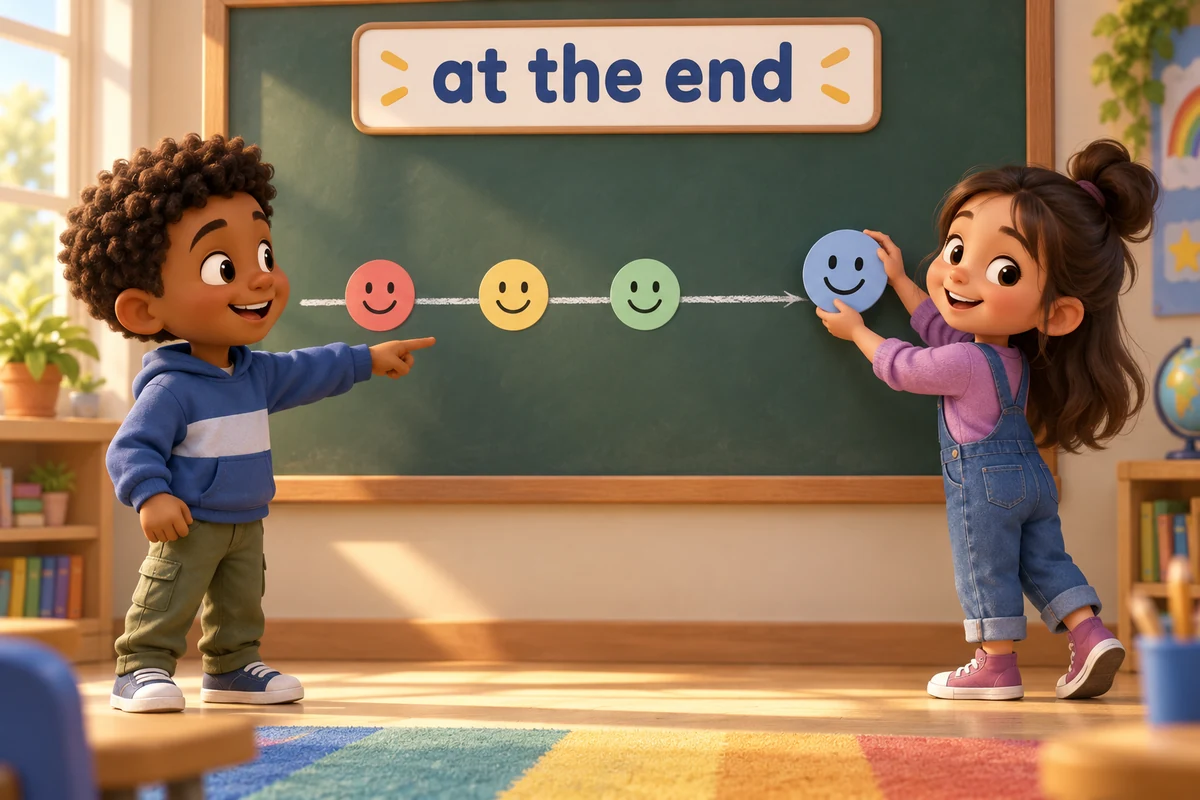
A face emoji usually sits at the end of the clause it colours, and it takes the tone of everything before it. Moved to the middle, it colours only the phrase it trails, and two faces in one line can fight each other, which is why one is usually enough. The plain noun face carries meanings of its own, and face used in a sentence shows how far the word reaches beyond emoji.
| Pattern | Example | What it signals |
|---|---|---|
| Face at the end of a sentence | Got the job, grinning face | The whole message is warm |
| Face after one clause | I finished, relief face, but it took all night | Only the first clause is light |
| Face alone as a reply | Tears of joy face | A reaction to the previous message |
| Repeated face | Thank you, grinning face repeated three times | Extra enthusiasm |
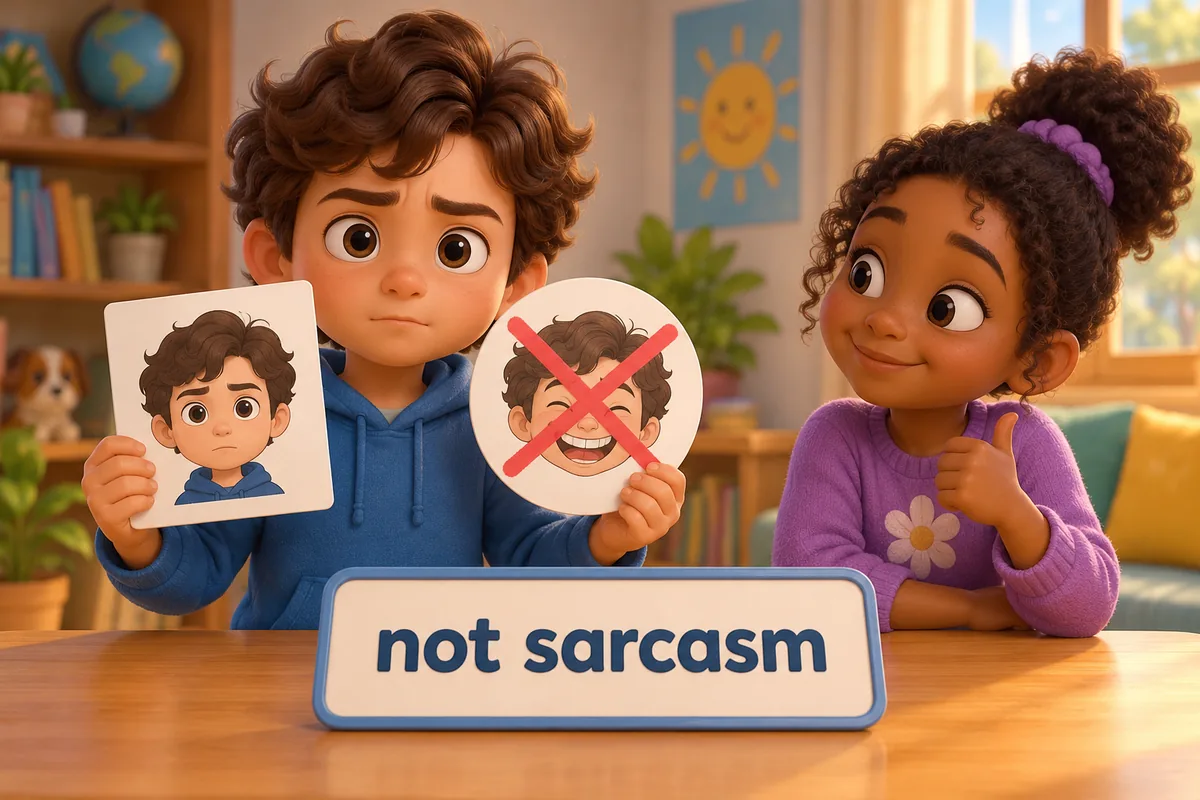
| Face replacing a word | I am not upset, clown face | Sarcasm, so use it with care |
Face emoji meanings across contexts
The same face shifts register from a text to a school email, so read the setting before you send it. Formal writing tolerates one face, personal writing tolerates many, and each line below shows the sentence, the face and the reason it works.
| Context | Sentence | Why it works |
|---|---|---|
| Text to a friend | Running late, sorry, sweat smile face | Casual, and it softens a small apology |
| Group chat | Who ate my lunch, angry face | The face keeps the complaint playful |
| Work chat | On it, will update by noon, slight smile face | Neutral warmth reads as cooperative |
| Email to a teacher | Thank you for the extension, folded hands face | Respectful, and one face is enough |
| Social post | First marathon done, hot face and party face | Shows effort and celebration together |
| Customer support | Sorry for the wait, we fixed it, slight smile face | Friendly without overpromising |
| Personal notes | Exam tomorrow, anxious face | Records a private feeling |
| Opinion column | Markets fall again, grimace face | Signals a stance, not a straight report |
| Message to a client | Happy to adjust the brief, slight smile face | Polite and still professional |
| Message to a landlord | The heater works now, relieved face | Keeps a practical note courteous |
Which face emoji should you use?
Pick the face that matches the exact feeling of the words. A careful choice can even be face saving when a message has to correct someone gently.
| Situation | Best face | Why |
|---|---|---|
| Apologising for a small delay | Sad or pleading face | Warm without drama |
| Sharing good news | Grinning or star-struck face | Matches the mood of the words |
| Replying to a joke | Face with tears of joy | Confirms that you laughed |
| Delivering bad news | No face at all | A face can look flippant |
| Formal complaint | No face at all | Keeps the record serious |
| Thanking a colleague | Slightly smiling face | Friendly but measured |
Choose the face that matches the exact feeling of the sentence, and drop the face entirely when the message is serious.
How face emoji are named and written
Faces travel as characters, but readers meet them through nicknames, shortcodes and formal names that do not always match. Writers describing expressions reach for the adjectives for face when one noun is not enough.
| Form | What it is | Example |
|---|---|---|
| Pictured character | The glyph itself in the message | the grinning face shown in the bubble |
| Formal name | The long descriptive label used in official lists | grinning face |
| Common nickname | The short name people say out loud | the smiley |
| Shortcode | The colon form some apps accept when typing | colon grinning colon |
| Combination | A face joined to an object for a mixed message | face plus fire for a hot take |
Common mistakes with face emoji
Most face emoji errors come from a mismatch between the words and the expression attached to them.
Incorrect: Sorry for your loss, sweat smile face Correct: Sorry for your loss, folded hands face Rule: a light face clashes with grief, so match the weight of the event
Incorrect: I am disappointed, grinning face Correct: I am disappointed, sad face Rule: an upbeat face after bad news reads as sarcasm
Incorrect: Meeting at three, thumbs up face, grin face, star face Correct: Meeting at three, thumbs up face Rule: stacking faces in a work message dilutes the point
Incorrect: Dear Sir, please find the report attached, slight smile face Correct: Dear Sir, please find the report attached. Rule: formal correspondence carries tone in words, not faces
Incorrect: No problem, angry face Correct: No problem, slight smile face Rule: check that the face agrees with the words before sending
Practice using face emoji
Six short tasks test whether you can match a face to a situation and to a register.
- Fill in the blank: The train is late again, blank, and you are only mildly annoyed.
- Choose the better face: for a serious apology, a grinning face or a sad face?
- Correct the error: I lost your book, grinning face.
- Build a sentence: write a work-chat line that thanks a colleague and stays measured, using one face.
- Spot the register: which belongs in an email to a teacher, a thank you with tears of joy, or a thank you with a slightly smiling face?
- Fill in the blank: reply to a joke with blank to show that you laughed.
Answers
- a slightly smiling face, because a mild annoyance calls for a mild face rather than an angry one.
- a sad face, because the words set a serious tone and a grinning face would read as sarcasm.
- I lost your book, sad face, because the corrected face matches the size of the apology.
- Happy to help with the report, I will send it today, slightly smiling face, because one face keeps the note warm but professional.
- the thank you with a slightly smiling face, because a teacher email stays measured while tears of joy suits a friend.
- a face with tears of joy, because that face names laughter directly.
The bottom line
Face emoji meanings rest on one rule: the face should match the feeling of the words it follows. Position matters, so a face at the end of a clause colours the whole clause while a face in the middle colours only the phrase it trails. Repetition raises intensity, and a formal message often needs no face at all. Used that way, the picture supports the sentence instead of replacing it.
Frequently asked questions about face emoji
Do face emoji mean the same thing to everyone?
No, not exactly. A grinning face reads as friendly in most everyday English chats, but the same glyph can signal sarcasm between close friends. Meaning comes from the words, the relationship and the platform, so read the whole message before you decide.
Is it rude to end a work message with a smiling face?
Not by itself, no. A single slightly smiling face after a clear sentence usually reads as warm and cooperative rather than cold. Trouble starts when the face clashes with serious content, or when several faces replace the information the reader actually needs.
How do tears of joy and crying faces differ?
The tears of joy face shows laughter, so it follows a joke or a happy surprise. The crying face shows genuine sadness or frustration. The two look alike at a glance, which is why readers use the surrounding words to tell them apart.
Can a face emoji change the meaning of a sentence?
Yes. Adding an angry face to a neutral line turns it into a complaint, while the same line with a sad face reads as disappointment. The face does not replace the words, but it steers the tone, so choose it deliberately.