
Averse means strongly opposed to something or unwilling to do it, and it almost always appears with to. To use averse in a sentence, name the person first and the disliked thing after to: “She is averse to late meetings.” The adjective is predicative, so it describes a person rather than a thing.
Averse at a glance
- Averse is a predicative adjective meaning opposed or unwilling; its only comparison is more averse.
- It is used with to, never with of or from: averse to risk, not averse of risk.
- The subject is normally a person who feels the dislike, not the thing that causes it.
- Not averse to is a common soft positive, meaning willing or open to something.
- The commonest error is confusing averse with adverse, which describes unfavourable conditions.
What does averse mean?
Averse is an adjective meaning strongly opposed to something or unwilling to do it. The Cambridge entry for averse shows the adjective tied to the preposition to, and that pairing is the whole grammar of the word. A person who is averse to risk avoids it by preference, while disinclined to travel is the weaker cousin that means merely lacking the urge. Averse describes a settled feeling, not a passing mood, which is why it fits traits and policies better than a single afternoon.
| Use | Meaning | Example sentence |
|---|---|---|
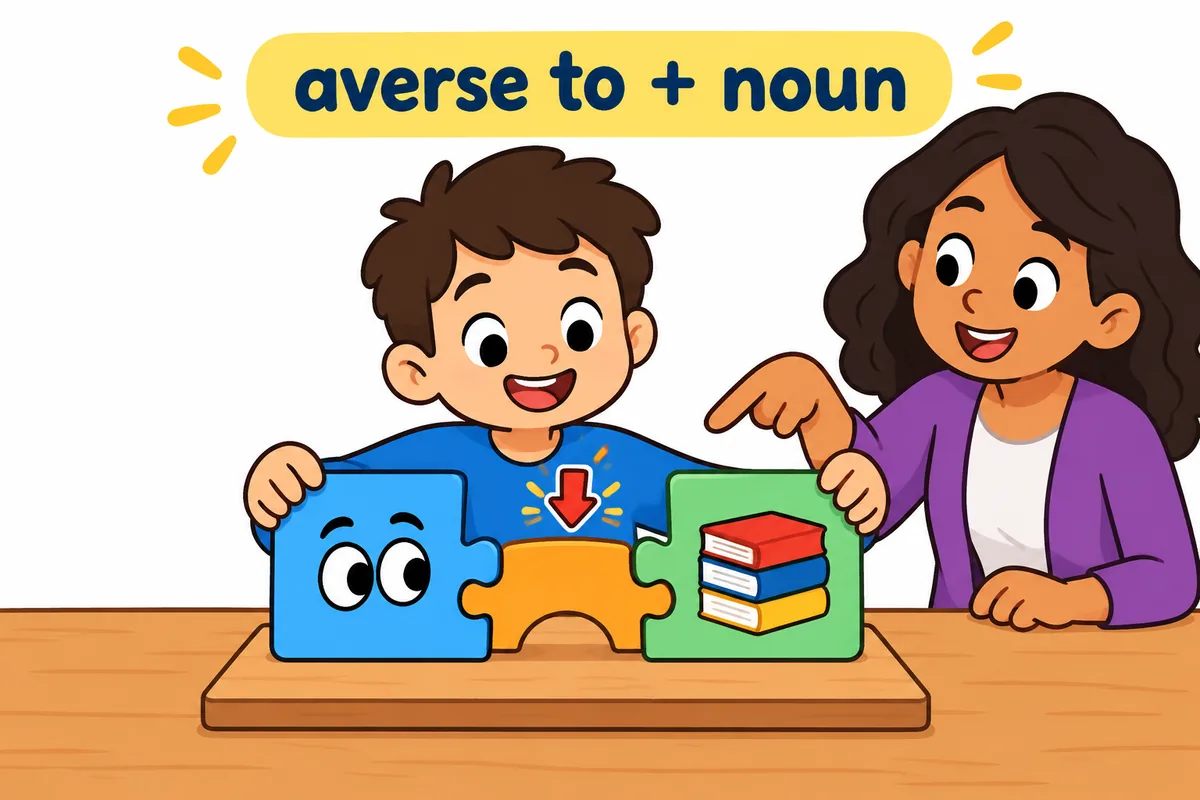
| averse to + noun | Having a strong dislike of something | The manager is averse to unnecessary meetings. |
| not averse to | Mildly willing, often with humour | He is not averse to a second slice of cake. |
| risk-averse | Compound adjective for cautious people or firms | A risk-averse investor holds more cash. |
| averse to + gerund | Unwilling to perform an action | She is averse to working weekends. |
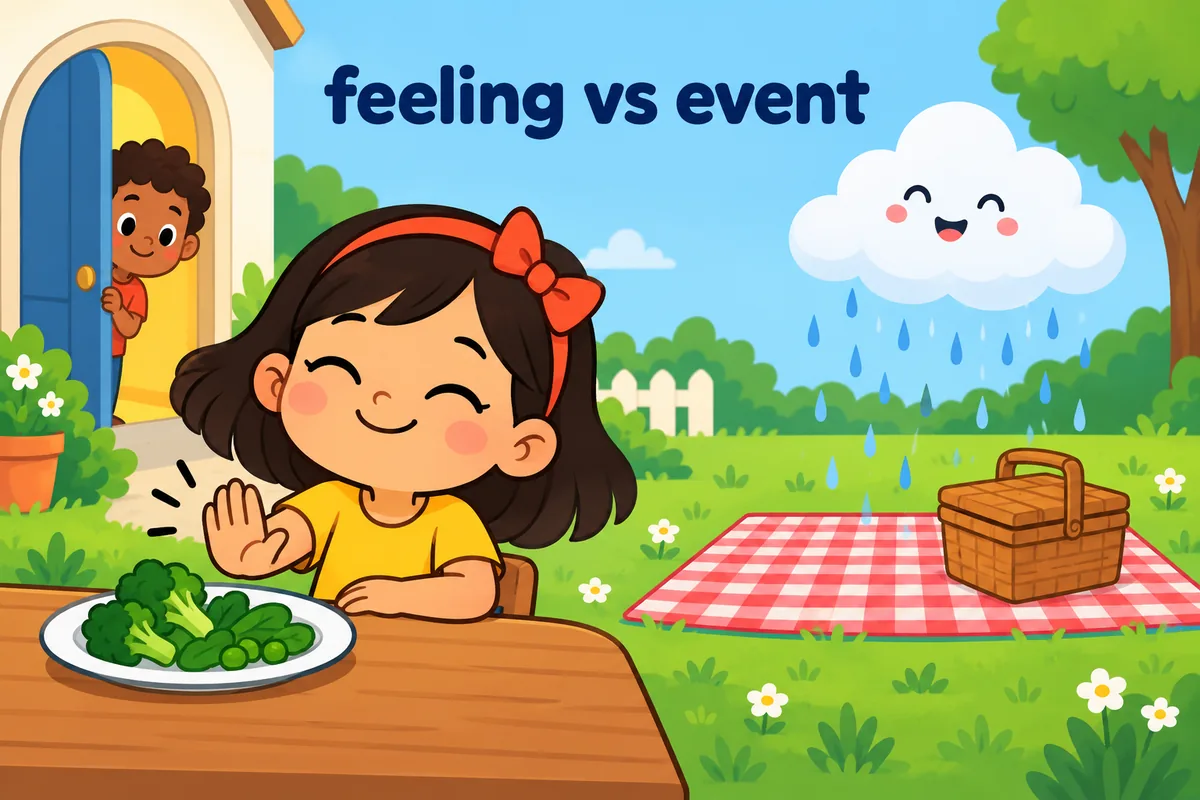
One limitation matters here. Averse is the wrong word for circumstances: a bad reaction is adverse, not averse, and adverse weather is not a disliking of weather. Averse needs a person or group that feels the opposition; it never simply means bad or harmful.
How do you use averse in a sentence?
Averse never takes an object directly; it needs the preposition to, and the choice of the following word decides whether the sentence sounds right. The five patterns below cover almost every real use.
| Pattern | Example | What it signals |
|---|---|---|
| be averse to + noun | They are averse to change. | A settled dislike, stated as a trait. |
| be averse to + gerund | I am averse to signing anything today. | An unwillingness to do a specific act. |
| not be averse to + noun | We are not averse to a compromise. | Openness, softened by understatement. |
| become averse to + noun | Voters grew averse to further spending. | A dislike that developed over time. |
| risk-averse + noun | Risk-averse lenders tightened the rules. | Names caution as a fixed attribute. |
Register separates the word from its friends. Averse to is neutral enough for a report, while reluctant to agree is warmer and more common in speech. The understated form not averse to suits polite writing, especially when the writer is quietly saying yes.
Averse in a sentence: examples across contexts
Averse keeps the feeling with a person or group and changes only its setting. The nine sentences below move from a classroom to a finance desk, and each one keeps the right subject.
| Context | Example sentence | Why this works |
|---|---|---|
| Classroom | The new pupil is averse to speaking first in group work. | States a trait without calling the child difficult. |
| Workplace email | Our team is not averse to shifting the meeting to Friday. | Uses understatement to propose a compromise. |
| News report | Residents remain averse to the proposed bypass. | Summarises a settled public mood in one clause. |
| Policy writing | A risk-averse regulator delays approval. | The compound form names an institutional habit. |
| Conversation | I am not averse to pizza tonight. | The soft positive carries a light, friendly tone. |
| Academic prose | Participants proved averse to long written tasks. | Keeps the feeling with the group, not the task. |
| Finance | Risk-averse savers moved their money into bonds. | The compound links caution to a market behaviour. |
| Sports commentary | The coach is averse to rotating a winning side. | Describes a preference that shapes decisions. |
| Formal request | We would not be averse to extending the deadline. | Turns a firm ask into a courteous suggestion. |
Every sentence keeps the person or group as the subject. Swapping the subject to the thing turns averse into adverse, which is the usual slip. opposed to the plan is a near synonym that carries none of the spelling risk.
Averse vs adverse
Averse and adverse differ by two letters and by one whole job. Averse describes how a person feels; adverse describes how events or conditions turn out.
| Attribute | averse | adverse |
|---|---|---|
| Core meaning | Unwilling or opposed | Unfavourable or harmful |
| What it describes | A person or group | A condition, effect or outcome |
| Typical partner | the preposition to | a noun such as weather or reaction |
| Register | Neutral to formal | Formal, common in reports |
| Example | She is averse to debt. | Debt had an adverse effect. |
Verdict: use averse for the feeling and adverse weather for the outside event, and never let the two swap sentences. When the speaker leans toward something, inclined to agree is the natural opposite of averse.
Word forms and grammar of averse
Averse barely inflects, which is why learners meet it mostly in one fixed shape. The table lists the forms that exist and the ones that do not.
| Form | Part of speech | Example |
|---|---|---|
| averse | adjective | He is averse to waste. |
| averse to | adjective plus preposition | They are averse to any delay. |
| risk-averse | compound adjective | A risk-averse culture slows decisions. |
| averseness | noun, rare | His averseness to ceremony surprised us. |
| aversely | adverb, rare | The offer was aversely received. |
| averse of | non-standard | Do not write averse of risk. |
The adjective is predicative: averse describes a subject that feels something, so it normally follows a linking verb rather than sitting before a noun. For an adjective before a noun, English reaches for loath to complain or unwilling instead. There is no everyday noun meaning a person who is averse, so reluctance fills that gap.
Common mistakes with averse
- Incorrect:
She is averse of change.Correct: She is averse to change. Rule: Averse selects the preposition to, not of. - Incorrect:
The drug had an averse effect.Correct: The drug had an adverse effect. Rule: Harmful effects are adverse; only a person or group can be averse. - Incorrect:
He is averse from hard work.Correct: He is averse to hard work. Rule: Standard modern use takes to; from is a false friend borrowed from the older noun aversion. - Incorrect:
I am averse to eat late.Correct: I am averse to eating late. Rule: The preposition is followed by a noun or gerund, never a bare verb. - Incorrect:
An averse wind delayed the ferry.Correct: An adverse wind delayed the ferry. Rule: Conditions that work against you are adverse, however hostile they feel.
Practice using averse
Six short tasks follow; the answers give the reason, not only the key.
- Fill the gap: The committee seems ______ to raising the fee this year.
- Choose the better word: The delay had an (averse / adverse) effect on sales.
- Correct the error: She is averse of spicy food.
- Build a sentence: use not averse to about trying a new cafe.
- Spot the register: which belongs in a formal report — senior staff are averse to the proposal, or senior staff really hate the proposal?
- Rewrite more warmly: replace averse in He is averse to flying.
Answers
- averse — the subject is the committee, a group that feels the unwillingness, and to follows.
- adverse — the delay is a harmful outside event, so the effect is adverse.
- She is averse to spicy food — the adjective always takes to before its object.
- Model answer: I am not averse to a coffee at the new cafe.
- Senior staff are averse to the proposal — a report keeps the neutral adjective and avoids the casual verb hate.
- Model answer: He is reluctant to fly — reluctant is the warmer everyday choice.
The bottom line
Use averse in a sentence to describe a person or group that is unwilling or opposed, and always pair it with to. The two details that decide most sentences are these: the subject must feel the dislike, which rules out things and conditions, and the everyday alternative, not averse to, turns the same adjective into gentle willingness. When the subject is an event rather than a person, adverse is the word you need.
Frequently asked questions about averse
Is it averse to or averse of?
Standard English uses averse to, as in averse to change. The version with of is a common learner error and is not accepted in careful writing. The reason is that averse mirrors its older noun aversion, which also takes to, so the preposition never varies.
What is the difference between averse and adverse?
Averse means unwilling or opposed and describes a person or group, as in she is averse to debt. Adverse means unfavourable or harmful and describes conditions, as in an adverse reaction. The two words share a Latin source but now do different work, so they cannot be exchanged.
Can averse describe a thing or an event?
No. Averse needs a subject that can feel dislike, so it applies to people, groups and institutions, not to weather, drugs or outcomes. When a thing causes harm or works against you, the correct adjective is adverse. Check whether the subject can have a preference before you choose.
What does not averse to mean?
Not averse to is a polite double negative meaning willing or open to something. In I am not averse to a walk, the speaker is agreeing, not objecting. The form softens a yes and suits a suggestion or a courteous reply rather than a blunt statement of enthusiasm.
Have you ever felt a strong aversion towards something? Averse, a term often used to describe a strong dislike or repulsion towards a particular thing, is a common feeling experienced by many.
When someone is averse to something, they have a deep-seated reluctance or distaste towards it. This feeling can vary in intensity, from a mild discomfort to a strong aversion that influences one’s choices and actions.
7 Examples Of Averse Used In a Sentence For Kids
- I am averse to eating vegetables.
- She is averse to playing in the rain.
- He is averse to wearing a hat.
- We are averse to waking up early.
- They are averse to cleaning their room.
- You are averse to taking a bath.
- The cat is averse to taking a walk outside.
14 Sentences with Averse Examples
- Many students are averse to early morning classes because they prefer to sleep in.
- Some students are averse to participating in group projects as they prefer working alone.
- Several students are averse to studying for subjects they have no interest in.
- It is common for students to be averse to attending lectures that they find boring or unengaging.
- Many students are averse to seeking help from professors or classmates when they are struggling with their studies.
- Some students are averse to volunteering for extracurricular activities due to lack of time or interest.
- Several students are averse to public speaking, making presentations a challenge for them.
- It is not uncommon for students to be averse to using public transportation to commute to college.
- Many students are averse to joining student clubs or organizations, preferring to focus solely on academics.
- Some students are averse to trying new study techniques, sticking to methods they are comfortable with.
- Several students are averse to taking risks when it comes to experimenting with their career choices.
- It is common for students to be averse to taking up leadership roles in college committees or events.
- Many students are averse to networking with professionals or alumni for career opportunities.
- Some students are averse to seeking mental health support, despite experiencing stress and anxiety.
How To Use Averse in Sentences?
Using averse in a sentence is simple once you understand its meaning. Averse means having a strong dislike or opposition to something.
To use averse in a sentence, first identify the subject who is experiencing the dislike or opposition. For example, “She is averse to taking risks.”
Next, think about what they are opposed to or dislike. This could be an action, a situation, or a specific thing. Like, “He is averse to public speaking.”
Remember that averse is typically followed by the preposition “to” when used in a sentence. This indicates what the person is opposed to. For instance, “They are averse to change.”
It’s important to note that averse is an adjective and should be used to describe someone’s feelings or attitudes towards something. You can also use it in a negative context to show a strong disliking towards something.
By following these simple steps and keeping in mind the meaning of averse, you can easily incorporate it into your writing or speech. Practice using averse in various sentences to become more comfortable with its usage.
Conclusion
In summary, being averse to something means having a strong dislike or opposition towards it. People may feel averse to certain foods, activities, or situations due to personal preferences or past experiences. For example, someone may feel averse to spicy foods because they do not enjoy the sensation of heat or discomfort it brings.
Understanding what we are averse to can help us make more informed decisions and avoid unnecessary discomfort. By being aware of our aversions, we can better navigate our preferences and seek out experiences that align with our likes and dislikes. It is important to acknowledge and respect our individual aversions to ensure our well-being and comfort in various aspects of life.


