What Does Energise Mean?
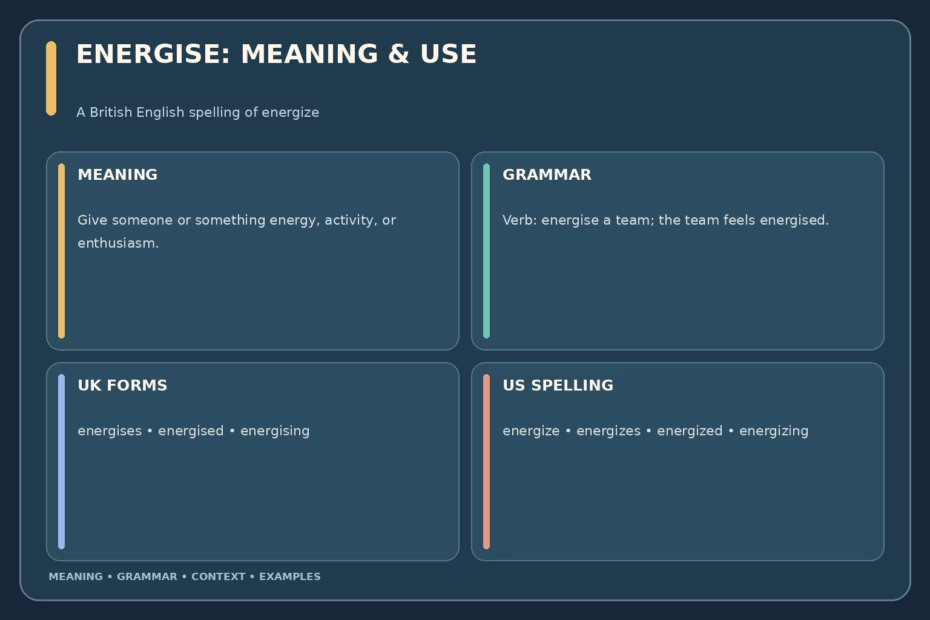
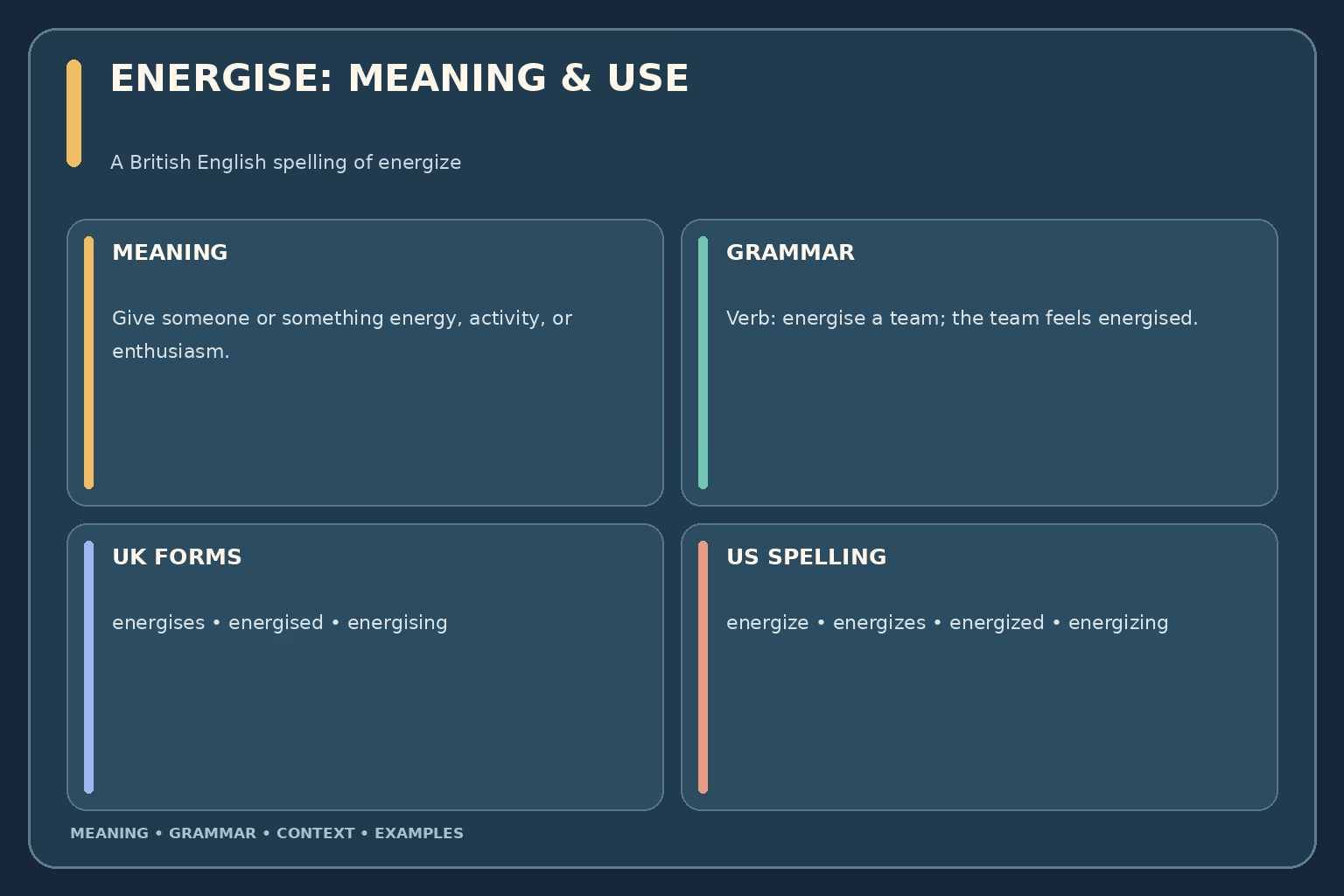
Energise means to give someone or something energy, activity, or enthusiasm. It can describe a person feeling more lively, a group becoming more engaged, or a project gaining momentum. The verb is usually transitive: a person or thing energises someone or something. For example, “The lively discussion energised the class.”
Energise is the usual British English spelling; energize is the usual American English spelling. The meaning is the same. If you are writing for a particular audience or following a style guide, keep the spelling consistent throughout the piece.
How to Use Energise in a Sentence
Use energise with a direct object that receives the boost. That object might be a person, team, audience, campaign, discussion, or system. The cause can be an activity, event, idea, or change:
- “A short walk outside helped energise me before the afternoon meeting.”
- “The new captain’s confidence energised the whole team.”
- “The organisers added live music to energise the festival crowd.”
- “A fresh set of questions can energise a discussion that has gone quiet.”
The word does not always mean that someone becomes physically stronger. It can refer to enthusiasm, attention, activity, or momentum. In a technical context, it can also mean supplying power to an electrical component, such as in “The relay energises the circuit.” The surrounding sentence makes the intended sense clear.
Energise Verb Forms
In British English, the main forms are energise (base form), energises (third-person singular present), energised (past tense and past participle), and energising (the -ing form). In American English, these are usually spelled energize, energizes, energized, and energizing.
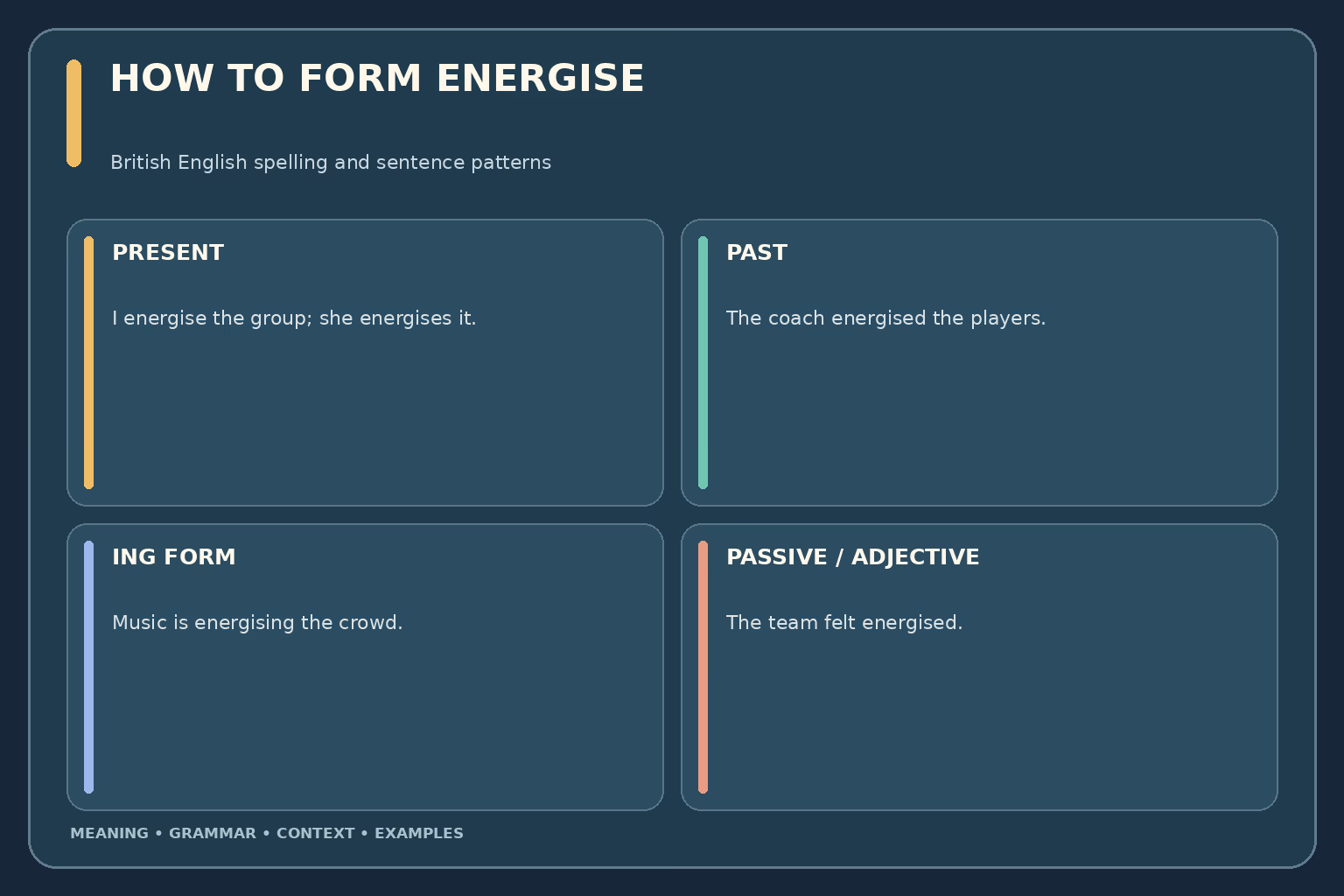
- Base form: “We hope to energise volunteers before the event.”
- Third-person singular: “The speaker energises the audience with a story.”
- Past tense: “The unexpected news energised the campaign.”
- Past participle: “The newly energised group returned to work.”
- -ing form: “A quick game is energising the children.”
Energised can work as an adjective after a linking verb or before a noun: “I felt energised after the break” and “the energised crowd cheered.” In American spelling, write energized. These forms describe a resulting state; they do not change the core meaning of the verb.
Ways to Energise Someone or Something
The best example depends on what receives the energy and what creates the change. In everyday writing, the word often takes a person or group as its object. In work, education, and community settings, it can describe renewed interest or participation. In technical writing, it may have a literal electrical meaning.
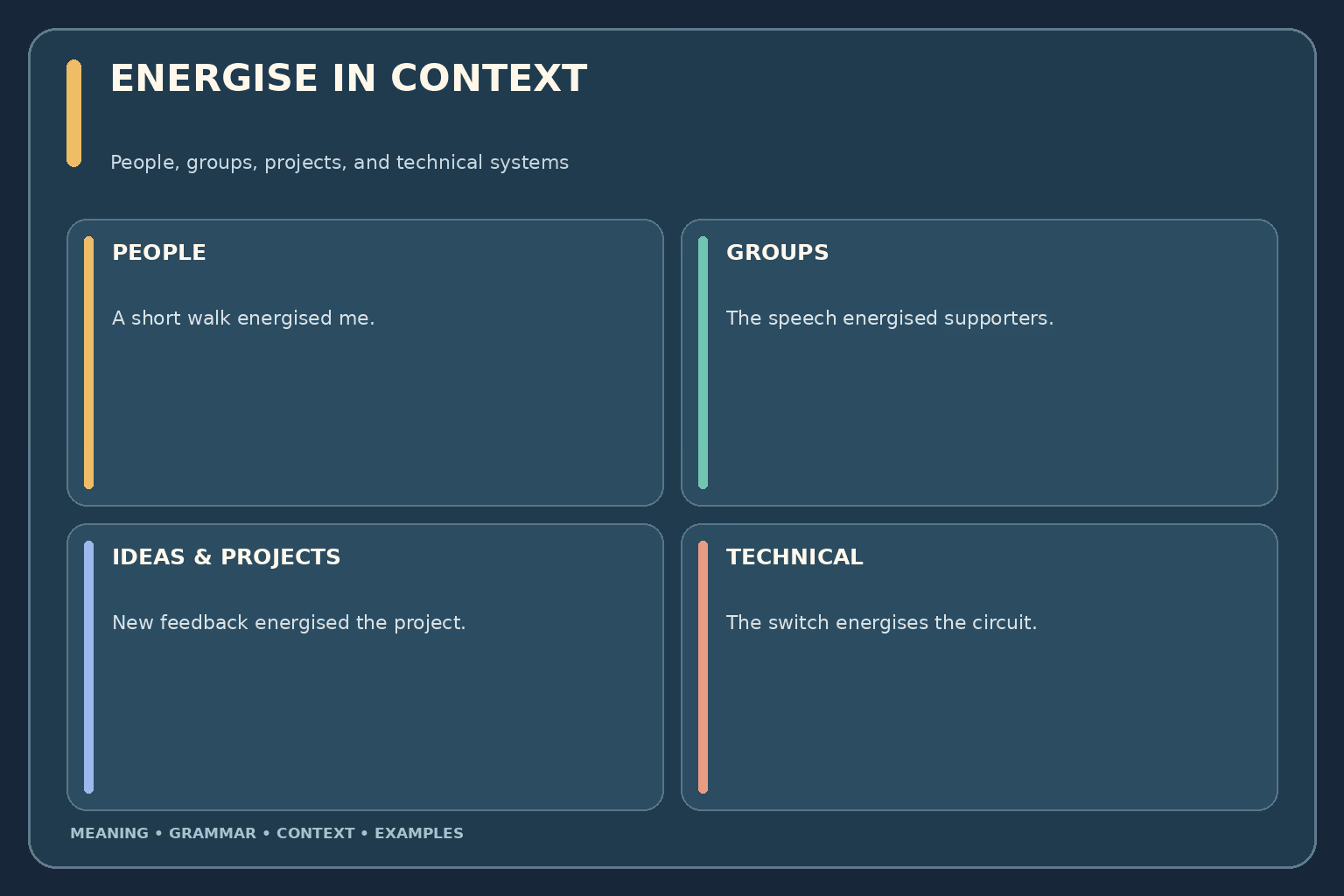
- People: “The brisk walk energised Priya before her long shift.”
- A class: “The teacher used a quick puzzle to energise the pupils after lunch.”
- A team: “Their late goal energised the players and supporters.”
- A campaign: “The volunteers’ new plan energised the local campaign.”
- A discussion: “A surprising example helped energise the debate.”
- A project: “The customer’s feedback energised the design team.”
- A place: “Bright artwork energised the otherwise quiet waiting room.”
- A circuit: “The technician checked the connections before energising the circuit.”
Energise vs. Similar Words
Energise overlaps with several verbs, but each one points to a slightly different effect. Choose the word that describes the change you mean:
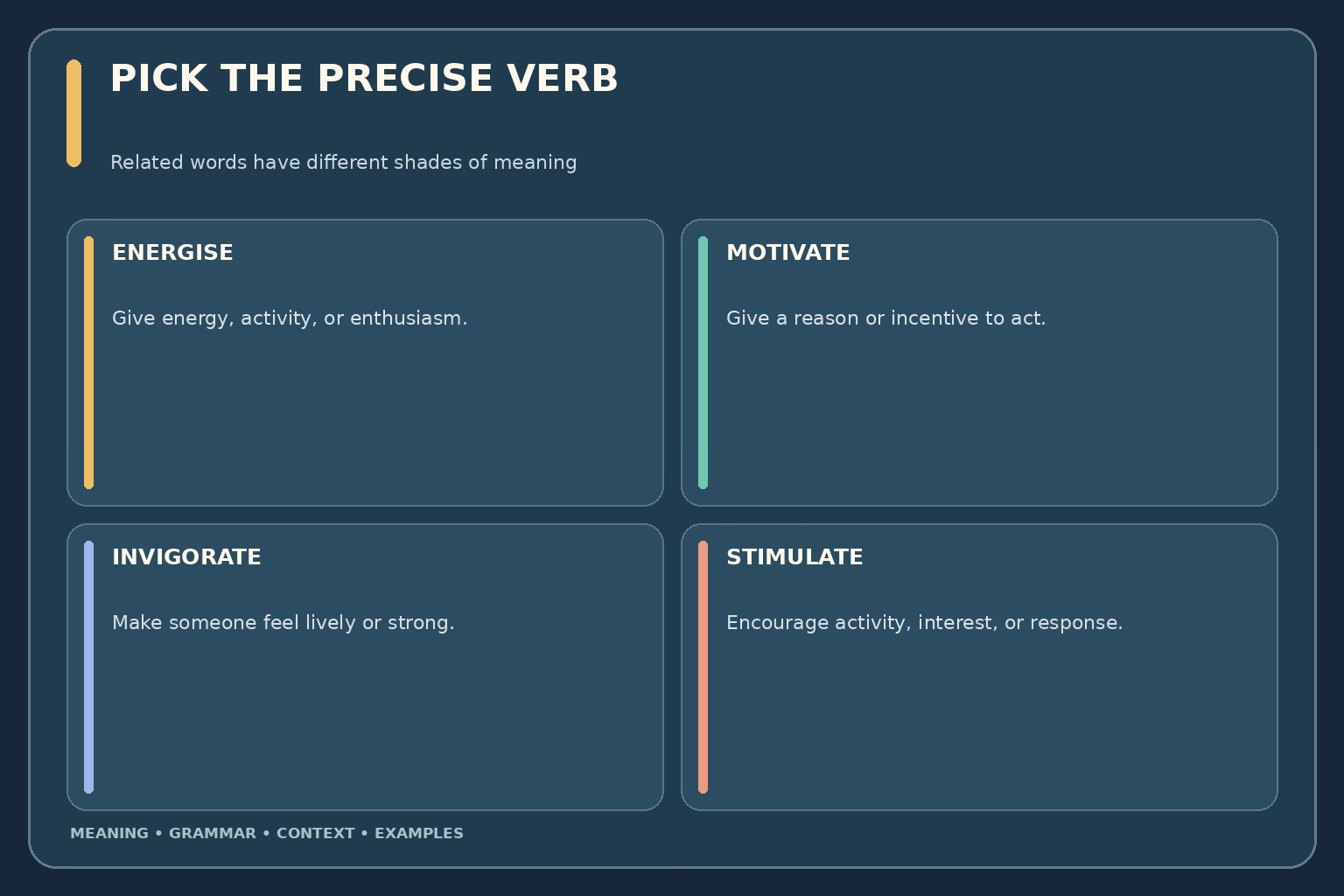
- Energise emphasizes giving energy, enthusiasm, or momentum: “The music energised the crowd.”
- Motivate emphasizes providing a reason or incentive to act: “The clear goal motivated the team to finish.”
- Invigorate often suggests making someone feel lively, refreshed, or strong: “The cool air invigorated us.”
- Stimulate means encouraging activity, interest, thought, or a response: “The question stimulated a useful debate.”
- Inspire emphasizes prompting someone with an idea, example, or feeling: “Her account inspired the volunteers.”
These words can sometimes fit the same situation, but they do not always mean exactly the same thing. A coach may energise a team by building enthusiasm, motivate it with a clear goal, or inspire it through an example. Pick the verb that best matches the cause and result.
More Example Sentences with Energise
- “The opening song energised the audience before the keynote began.”
- “A short break helped energise the researchers for another hour of careful work.”
- “The headteacher hopes to energise pupils by giving them a role in planning the fair.”
- “Fresh evidence energised the conversation between the two historians.”
- “The club’s new schedule has energised attendance at its weekend events.”
- “A change of scenery can energise a writing session when ideas feel slow.”
- “The campaign video energised supporters without overstating its proposal.”
- “The warm-up game energised the children before their drama rehearsal.”
- “Our manager’s practical feedback energises us to improve the next draft.”
- “The colourful display energised the shop entrance.”
- “A clear purpose energised the volunteers throughout the clean-up.”
- “The technician isolated the supply before working on the circuit that energises the panel.”
Quick Tips
- Use energise for British English and energize for American English, unless a house style specifies otherwise.
- Make the recipient of the energy clear: energise whom or what?
- Use energised to describe the resulting state and energising for an action in progress or something that provides energy.
- In technical writing, clarify whether the word means supplying electrical power rather than boosting enthusiasm.
- Choose a more exact verb, such as motivate or stimulate, when that is the meaning you intend.
Frequently Asked Questions
Is energise British or American spelling?
Energise is the usual British spelling. American English generally uses energize. Both spellings refer to the same verb.
What is the past tense of energise?
The British English past tense is energised; the American English form is energized. For example: “The announcement energised the group.”
Can a person be energised?
Yes. A person can be energised by an activity, event, idea, or other influence: “The team felt energised after the break.” The word can also describe groups, projects, discussions, and electrical systems.
What is the difference between energise and energize?
There is no difference in meaning. They are regional spelling variants. Follow the spelling convention used for the rest of your writing.
For the original 21 example sentences and the article’s original explanation, continue below.
Have you ever wondered how to use the word “energize” correctly in a sentence? “Energize” means to invigorate or stimulate with energy, making something lively or active. It can be used to describe actions or processes that bring new life or excitement to a situation.
For instance, you could use the word “energize” to talk about how a cup of coffee can help to energize you in the morning, or how a motivational speech can energize a crowd. Learning how to use “energize” in a sentence can help you effectively convey the idea of revitalizing or stimulating something.
7 Examples Of Energise Used In a Sentence For Kids
- Energise your body by dancing to your favorite music.
- Let’s all jump up and down to energise our spirits.
- Clap your hands and shout out loud to energise your friends.
- Take a deep breath and stretch your arms to energise yourself.
- Run around the playground to energise your mind.
- Stand up tall and do some stretches to energise your muscles.
- Give high-fives to your friends to energise your day.
14 Sentences with Energise Examples
- Energise yourself before an important exam.
- Make sure to energise your mind with positive thoughts before giving a presentation.
- Having a nutritious breakfast can energise you for a long day of classes.
- Taking a quick power nap can energise you for a late-night study session.
- Engaging in a workout routine can help energise your body and mind.
- A cup of green tea can energise you during a study break.
- Listening to your favorite music can energise you while getting ready for college.
- Socializing with friends can energise you after a long day of lectures.
- Setting short goals for the day can energise you to stay focused and productive.
- A quick yoga session can energise you before starting on assignments.
- Planning a fun activity with classmates can energise you over the weekend.
- Meditating for a few minutes can energise you before a busy day at college.
- Reading a motivational book can energise you when feeling demotivated.
- Participating in a college event can energise you with new energy and ideas.
How To Use Energise in Sentences?
To properly use “Energise” in a sentence, you must understand its meaning and context. The word Energise means to give energy or enthusiasm to something or someone. When using Energise in a sentence, it is important to consider the subject you are referring to and how it is being influenced by the action of Energise.
Here is an example sentence using Energise:
“After the long weekend, I needed some coffee to energise myself for the busy workday ahead.”
In this sentence, the speaker is referring to using coffee as a way to give energy and enthusiasm to themselves for the workday. The word Energise is used to convey the idea of feeling refreshed and invigorated.
When constructing a sentence with Energise, consider the subject that is being energized, whether it is a person or thing, and the action that is being taken to provide energy or enthusiasm. You can energise yourself, others, activities, events, or anything that needs a boost of energy.
In summary, when using Energise in a sentence, be clear about what is being energized and how it is being influenced by the action of Energise to convey the idea of giving energy or enthusiasm to something or someone.
Conclusion
In conclusion, using sentences with the keyword “energise” highlights the importance of revitalizing and invigorating activities or actions. These sentences demonstrate ways in which individuals can recharge, motivate themselves, or inject enthusiasm into their daily routines. By incorporating these sentences into our language, we can remind ourselves of the power of energizing activities in boosting productivity and maintaining a positive mindset.
Ultimately, sentences with “energise” serve as a simple yet effective tool for encouraging and inspiring individuals to seek out activities that rejuvenate their energy levels and passion. Whether it’s through exercise, social interactions, or pursuing hobbies, these sentences underscore the significance of revitalizing our spirits to enhance overall well-being and drive.