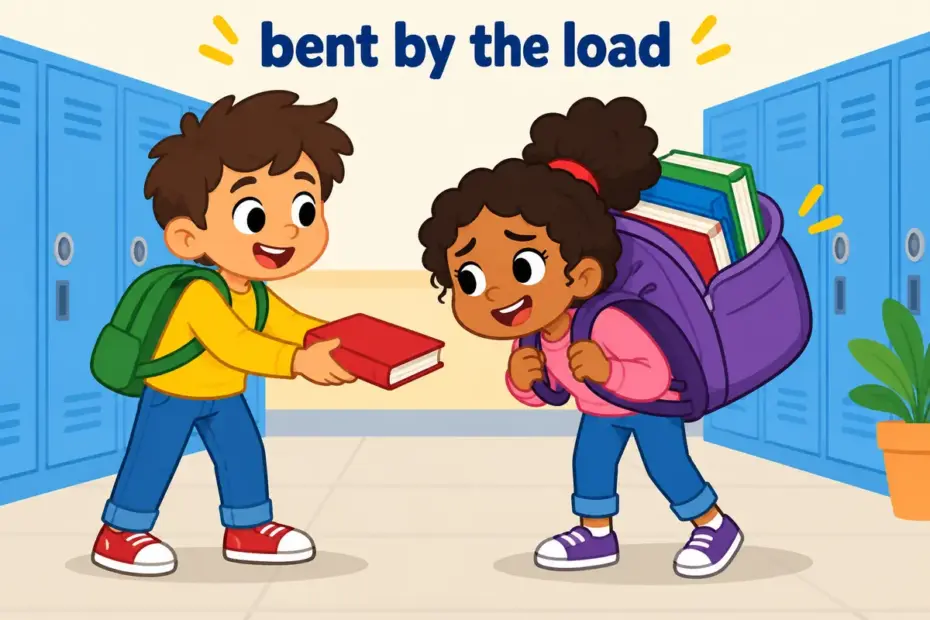
Weigh down means to make something heavy or to burden a person with trouble, work or worry. To use weigh down in a sentence, name the load and the one carrying it: “Debt weighed the family down for years.” The phrase is a transitive phrasal verb, so it always needs an object, and the two words can split.
Weigh down at a glance
- Weigh down is a transitive phrasal verb; its forms are weighs down, weighed down and weighing down.
- It carries a literal sense, to add weight, and a figurative sense, to burden with trouble.
- The object normally sits between weigh and down when it is a pronoun: weigh it down.
- The passive is very common: the team was weighed down by debt.
- The commonest error is leaving out the object, as in a sentence with nothing being weighed.
What does weigh down mean?
Weigh down is a phrasal verb meaning to make someone or something heavy, or to burden them with a load they must carry. The Cambridge entry for weigh down keeps the physical and the emotional senses under one idea: pressure that bends a person or object downward.
| Sense | Plain meaning | Example sentence |
|---|---|---|
| Physical | Add weight so that something presses down | Wet sand weighed down the plastic sheet. |
| Figurative | Burden a person with trouble, debt or worry | Debt weighed the young couple down. |
| Bodily | Make a part of the body heavy or droop | Fatigue weighed down her eyelids before noon. |
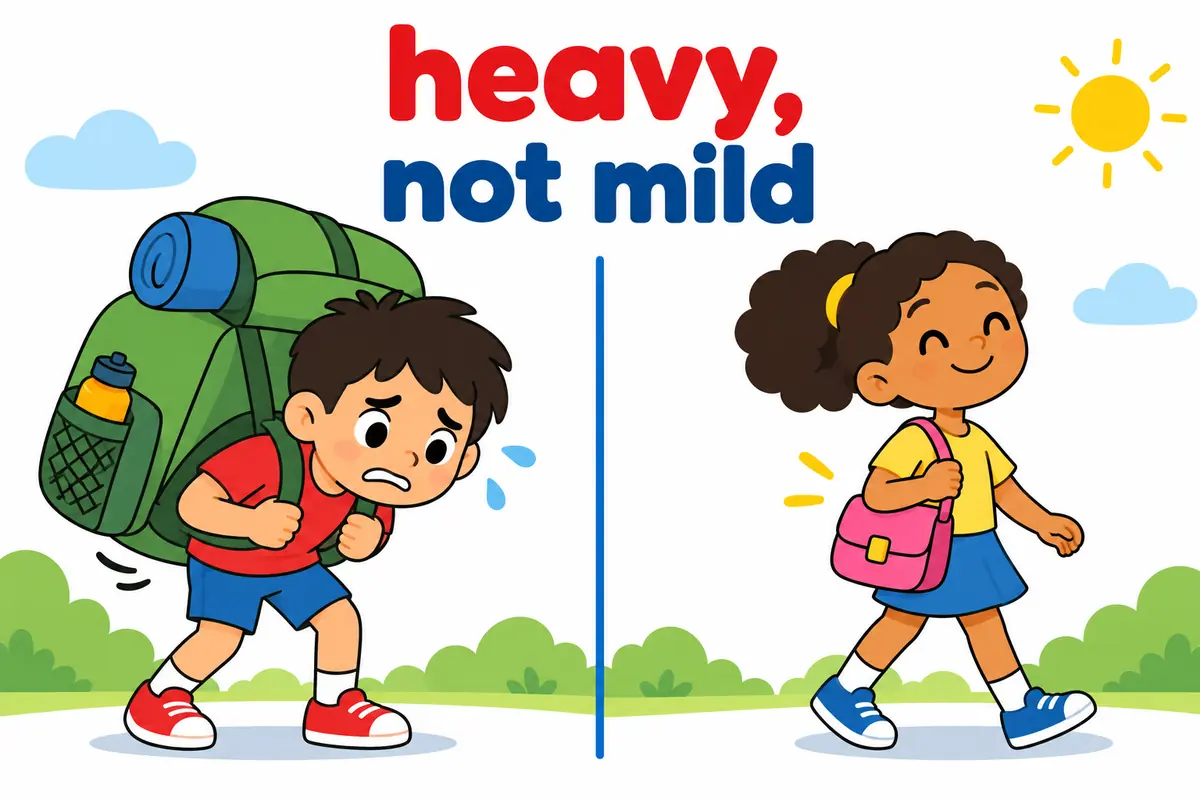
Weigh down is too strong for small annoyances. A late bus does not weigh anyone down; it delays them. Reach for the phrase only when the load is heavy enough to change how a person moves, thinks or copes, and use plain burden or trouble when the pressure is mild.
How do you use weigh down in a sentence?
Weigh down is separable and transitive. A pronoun object always goes between the two words, while a short noun object may go either before or after down. The particle can also strand at the end of a clause.
| Pattern | Example | What it signals |
|---|---|---|
| weigh + pronoun + down | The exam results weighed her down. | A pronoun object must split the phrase. |
| weigh + noun + down | Extra shifts weigh the staff down. | A short noun may sit before down. |
| weigh down + noun | Heavy rain weighed down the branches. | A long object reads better after down. |
| be weighed down by + noun | They were weighed down by grief. | Passive keeps the burden in focus. |
| weigh + object + down with + noun | She weighed the cart down with tins. | Names the source of the extra weight. |
Weigh down in a sentence: examples across contexts
| Context | Example sentence | Why this works |
|---|---|---|
| School | A week of textbooks weighed down the small backpack. | Physical sense with a clear object. |
| Moving house | Two boxes of tiles weighed the trolley down. | Separable form with a noun object. |
| Workplace email | Too many approvals weigh the team down every quarter. | Figurative burden in a work register. |
| News report | Fallen trees weighed down the power lines after the storm. | Journalistic description of damage. |
| Academic writing | Students weighed down by fees often take longer degrees. | Passive with by, common in reports. |
| Finance | Old loans weighed the business down for a decade. | Figurative debt as a physical load. |
| Conversation | You look weighed down; what is on your mind? | Gentle spoken concern about worry. |
| Sport | Fatigue weighed down his legs in the final lap. | Bodily sense tied to performance. |
| Gardening | Heavy fruit weighed the branches down to the fence. | Literal weight causing a bend. |
Weigh down vs burden
Both describe carrying something difficult, but weigh down is the more physical and more informal of the pair.
| Attribute | Weigh down | Burden |
|---|---|---|
| Core meaning | Press or bend under a load | Place a heavy duty on someone |
| Register | Neutral, common in speech and news | More formal, common in law and policy |
| Image | Something physically pressing downward | An obligation carried over time |
| Typical subject | Debt, bags, rain, fatigue | Taxes, rules, responsibility |
| Force | Vivid and emotional | Measured and official |
Choose weigh down when the pressure feels physical and immediate, choose burden when the point is a formal duty that someone must shoulder, and reach for encumber when a single formal word is needed. When the pressure is unjust and lasting, oppress is the stronger verb.
Word forms and grammar of weigh down
Weigh down belongs to the family of verbs built on weigh, and the particle down changes the meaning of each member.
| Form | Part of speech | Example |
|---|---|---|
| weigh down | transitive phrasal verb | The news weighed him down for days. |
| weighed down | past participle adjective | She arrived weighed down with shopping. |
| weighing down | present participle | The wet coat was weighing down the line. |
| weigh in | phrasal verb, intransitive | The coach weighed in on the team selection. |
| weigh up | phrasal verb, transitive | She weighed up the two job offers. |
| weigh (alone) | verb | This crate weighs thirty kilos. |
The bare verb weigh and the phrasal weigh down are not interchangeable. Weigh asks how heavy something is or how carefully you compare options, while weigh down adds the idea of pressure pushing a person or object downward.
Common mistakes with weigh down
- Incorrect:
The debt weighed down.Correct: The debt weighed the family down. The verb is transitive and needs an object. - Incorrect:
It weighed down him.Correct: It weighed him down. A pronoun object must sit between weigh and down. - Incorrect:
He was weighed down from work.Correct: He was weighed down by work. The passive takes by, not from. - Incorrect:
A late bus weighed me down.Correct: A late bus delayed me. Weigh down needs a heavy, lasting burden. - Incorrect:
She weighed up down by the cost.Correct: She was weighed down by the cost. Do not blend weigh up with weigh down.
Practice using weigh down
Work through each item, then compare your answer with the reason given below.
- Fill in the blank: The heavy backpack ______ the hiker down.
- Correct the error: The bills weighed down to the family.
- Choose the better word: Grief (weighed / calculated) her down for months.
- Build a sentence: describe a person carrying too many shopping bags, using be weighed down by.
- Spot the register: which fits a news report, “The bridge was weighed down by debris” or “The bridge had a ton of junk on it”?
- Fill in the blank: Do not let the extra rules ______ you down.
Answers
- weighed: the past tense of the transitive phrase takes the object the hiker before down.
- The bills weighed the family down: weighed down takes an object, so to is wrong.
- weighed: grief is an emotional burden, so the figurative phrase fits.
- Sample: She was weighed down by six bags of shopping.
- The news sentence: the passive weighed down by keeps the formal report tone.
- weigh: the pronoun you must split weigh and down.
The bottom line
To use weigh down in a sentence, give it a clear object and decide whether the load is literal or emotional: rain weighs down a branch, and debt weighs down a family. The phrase is separable, so a pronoun goes between the two words, as in weigh it down. Its passive form, weighed down by, is the most common shape in reports.
Frequently asked questions about weigh down
Is weigh down separable?
Yes. Weigh down is separable, so the object can sit between the two words or after the particle. A pronoun object must split the phrase, giving weigh it down rather than weigh down it. A short noun may go either way, as in weigh the box down or weigh down the box, while a long object reads best after down.
What is the difference between weigh and weigh down?
Weigh alone measures how heavy something is or means to compare options, as in the crate weighs ten kilos or she weighed the choice. Weigh down adds pressure, making a person or object bend under a load. The particle down turns a neutral measurement into a picture of burden pressing downward.
Can weigh down be used figuratively?
Yes, and the figurative use is the more common one. Debt, grief, guilt and responsibility all weigh people down, and the image of a physical load carries the emotional meaning. The literal sense stays alive in sentences about wet sand, heavy fruit or soaked branches that bend toward the ground.
What preposition follows weighed down?
The passive form weighed down takes by to name the source of the burden: weighed down by debt, weighed down by worry. The preposition with also appears when you name the cargo, as in weighed down with parcels. The preposition from is a common slip but is not standard after this phrase.
Have you ever felt like a heavy burden was dragging you down, holding you back from reaching your full potential? This sensation of being weighed down can hinder our progress and dampen our spirits.
To “weigh down” means to oppress or burden someone or something with a heavy load, both physically and mentally. This term is often used to describe the feeling of being overwhelmed or held back by challenges, responsibilities, or negative emotions.
7 Examples Of Weigh Down Used In a Sentence For Kids
- The heavy bag can weigh down my shoulders.
- I don’t want anything to weigh down my kite when I fly it.
- Don’t let the big rock weigh down the small boat.
- The pile of books can weigh down the shelf.
- The big elephant doesn’t weigh down the strong bridge.
- Please don’t let your worries weigh down your heart.
- The heavy raindrops can weigh down the fragile petals.
14 Sentences with Weigh Down Examples
- Weigh down your notes with sticky tabs for easy reference during exam preparation.
- Opt for a lightweight laptop to weigh down your bag less during long days on campus.
- Weigh down your schedule by prioritizing your assignments and study sessions.
- Weigh down your expenses by choosing affordable meal options instead of eating out every day.
- Weigh down your workload by forming study groups to share notes and prepare for exams together.
- Don’t let stress weigh down your mental health; take breaks and practice mindfulness regularly.
- Weigh down the amount of textbooks you carry by utilizing online resources and e-books.
- Balancing a part-time job can weigh down your academic performance if you don’t manage your time effectively.
- Weigh down your social commitments to ensure you have enough time to focus on your studies.
- If you feel overwhelmed, don’t let procrastination weigh down your progress; break tasks into manageable chunks.
- Prioritize self-care activities like exercise and meditation to prevent burnout from weighing down your energy levels.
- Avoid letting fear of failure weigh down your confidence; remember that mistakes are part of the learning process.
- If negative thoughts weigh down your mood, reach out to campus counseling services for support.
- Seek scholarships and financial aid options to weigh down the burden of student loans.
How To Use Weigh Down in Sentences?
To use Weigh Down effectively, begin by following the program’s guidelines for healthy eating and mindful behavior. Make sure to focus on portion control and listening to your body’s hunger cues. Next, incorporate regular physical activity into your routine to aid in weight loss and overall well-being. Remember to track your progress and celebrate your successes along the way to stay motivated. Additionally, utilize the support of the Weigh Down community or a buddy system to stay accountable and encouraged. Lastly, be patient and kind to yourself throughout your weight loss journey, understanding that results may take time. By following these steps and staying dedicated to the program, you can successfully engage with Weigh Down and achieve your weight loss goals.
Conclusion
In conclusion, sentences with the phrase “weigh down” typically describe a situation where something heavy or burdensome is causing difficulty or hindrance. Whether it’s emotional baggage, physical weight, or heavy responsibilities, the image invoked by “weigh down” is one of being held back or burdened by something. This phrase is often used to convey the idea of feeling overwhelmed or constrained by a particular issue or challenge.
By using “weigh down” in sentences, writers are able to vividly capture the sense of pressure or constraint that comes with a heavy burden. Whether it’s a personal struggle or a fictional scenario, this phrase effectively communicates the feeling of being weighed down by something, making it a powerful and relatable expression in both writing and everyday conversation.


