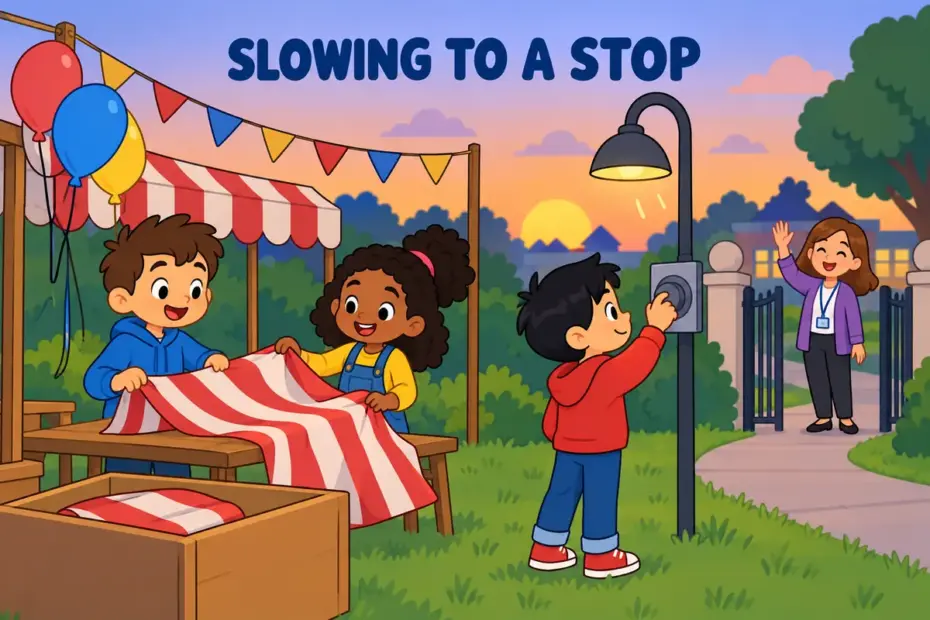
Wind down means to relax after effort or to bring something slowly to an end. To use wind down in a sentence, keep the two words together after the object: “She wound down the meeting early.” The verb is usually intransitive, so a quiet evening can wind down on its own.
Wind down at a glance
- Wind down is a phrasal verb; its forms are winds down, wound down and winding down.
- It has two main senses: to relax gradually, and to bring an activity slowly to an end.
- In the closing sense the object may go between the parts (wind the plan down) or after them (wind down the plan).
- A pronoun object must go in the middle: wind it down, never wind down it.
- The commonest error is confusing it with wind up, which means to finish something or, informally, to tease.
What does wind down mean?
Wind down is a phrasal verb meaning to relax after a period of effort, or to reduce an activity gradually until it stops. The Cambridge entry for wind down keeps the relaxing sense and the closing sense apart, and the difference decides the grammar: one sense takes an object and the other usually does not. In the relaxing sense, wind down simply means to relax after pressure and nothing more.
| Sense | Plain meaning | Example sentence |
|---|---|---|
| Relax gradually | Unwind after effort or stress | I wind down with a short walk after work. |
| Bring to an end | Reduce an operation until it closes | The publisher wound down the magazine over six months. |
| Lose power | Run slower until a machine stops | The old clock wound down before midnight. |
One limitation is worth stating plainly. Wind down suggests something gradual, so it is the wrong verb for an instant stop; a factory that closes overnight is shut, not wound down. It also says nothing about whether the ending was happy or sad, only that it was slow.
How do you use wind down in a sentence?
The verb is intransitive in the relaxing sense and transitive in the closing sense, and that difference controls the word order. The particle may be separated from the verb when an object follows, but a pronoun must sit between the two parts.
| Pattern | Example | What it signals |
|---|---|---|
| subject + wind down (no object) | The party wound down after midnight. | The activity itself slows and stops; nothing is acted on. |
| wind down + object | They wound down the factory over two years. | A formal plan to close or reduce a named thing. |
| wind + object + down | They wound the factory down over two years. | Same meaning; the split form suits a longer or familiar object. |
| wind + pronoun + down | Wind it down before the deadline. | With a pronoun, only the split order is grammatical. |
| wind down + by + gerund | She winds down by reading. | Names the activity that produces the relaxation. |
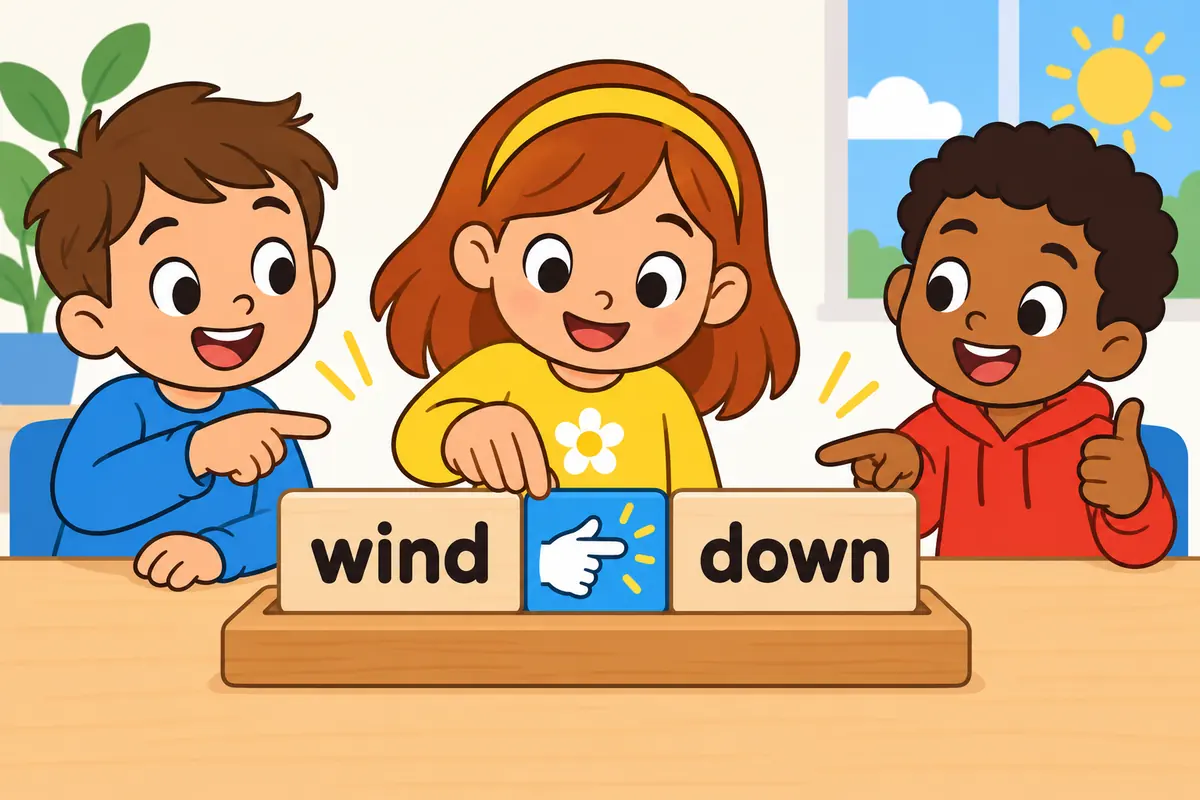
Wind down in a sentence: examples across contexts
The same verb covers a person falling quiet and an institution closing its doors, so context decides the sense. The nine sentences below keep the meaning clear, and each one shows whether an object is present.
| Context | Example sentence | Why this works |
|---|---|---|
| Home routine | I wind down with a mug of tea before bed. | The by phrase names the habit that produces the relaxation. |
| Workplace email | We will wind down the pilot scheme at the end of March. | The object after the particle suits a formal closure plan. |
| News report | The airline is winding down its regional routes. | Names the operation being reduced in a slow, planned way. |
| Business writing | They wound the subsidiary down over three quarters. | The split form keeps a long object from crowding the verb. |
| Conversation | The music wound down and the room went quiet. | Intransitive use, where the activity simply fades. |
| Classroom | We wind down the lesson with a short quiz. | The object is the lesson, and wind down means end calmly. |
| Sports writing | The champions wound down their season with a friendly. | Applies the closing sense to a schedule, not a business. |
| Technical writing | The clock wound down and the hands stopped at nine. | Uses the loss-of-power sense for a machine. |
| Wellbeing article | Racing thoughts need time to wind down at night. | Intransitive use where the mind, not a person, slows. |
One contrast is worth remembering: a machine can break down without warning, but a business winds down over months. The particle down is shared, yet the two verbs describe very different endings. A noise or a storm can subside the way an evening winds down, fading rather than breaking.
Wind down vs wind up
Wind down and wind up are literal opposites in energy. Wind down reduces activity until it stops; wind up increases it, or brings something to a deliberate finish. The informal sense of wind up, to tease somebody, has no partner in wind down at all. The other half of the pair, wind up a meeting, is the formal closing cousin.
| Attribute | wind down | wind up |
|---|---|---|
| Core meaning | Reduce activity slowly | Increase activity, or finish deliberately |
| Direction of energy | Falling | Rising |
| Usual subject | A person, a party, a business | A person, a meeting, a clock |
| Informal sense | None | To tease somebody |
| Typical collocations | wind down for the night, wind down operations | wind up a company, wind somebody up |
| Object pattern | Object may be split or follow | Object may be split or follow |
Verdict: use wind down when energy or activity is falling and wind up when it is rising or being brought to a definite close. If you can replace the verb with slow to a stop, wind down fits.
Word forms and grammar of wind down
The verb inflects through wound down, and the same two words become a hyphenated noun or adjective. The table also marks the past-tense form learners build by mistake.
| Form | Part of speech | Example |
|---|---|---|
| wind down | verb, base form | We wind down at about ten. |
| winds down | verb, third person singular | The office winds down on Fridays. |
| wound down | verb, past and past participle | The scheme wound down last spring. |
| winding down | verb, present participle | They are winding down the project. |
| wind-down | noun and attributive adjective | a wind-down meeting before the holiday |
| winded down | non-standard past tense — do not use | write wound down instead |
Common mistakes with wind down
- Incorrect:
The manager decided to wind down it.Correct: The manager decided to wind it down. Rule: A pronoun object must sit between the verb and the particle. - Incorrect:
The business winded down last year.Correct: The business wound down last year. Rule: The past tense of wind is wound; winded means having had the breath knocked out. - Incorrect:
I need to wind down me after work.Correct: I need to wind down after work. Rule: The relaxing sense is intransitive, so it takes no object. - Incorrect:
The music wound up gradually as the guests left.Correct: The music wound down gradually as the guests left. Rule: Wind up raises energy; wind down lowers it. - Incorrect:
a wind down meetingCorrect: a wind-down meeting. Rule: The noun and its attributive form are hyphenated.
Practice using wind down
Work through the six items, then check the reason rather than only the key.
- Fill the gap: After the exams, the students began to ______ with a quiet film.
- Choose the better word: The chairman (wound up / wound down) the meeting by thanking everyone and closing the file.
- Correct the error: Please wind down it before you leave the office.
- Build a sentence: use wind down the operation about a shop closing slowly.
- Spot the register: which belongs in a company memo — we will wind down the pilot scheme in June, or we will wind it down in June sometime, no rush?
- Rewrite with the noun: The team met to close the project. Use wind-down instead.
Answers
- wind down — the relaxing sense needs no object, and after exams fits the meaning.
- wound down — the chairman reduced the energy and ended the meeting, which is the closing sense.
- Please wind it down before you leave the office — a pronoun must go between the verb and the particle.
- Model answer: The owners will wind down the operation once the stock is sold.
- We will wind down the pilot scheme in June — a memo keeps the object with the verb and drops the vague reassurance.
- The team held a wind-down meeting before the project closed — the noun is hyphenated.
The bottom line
Use wind down in a sentence when activity is falling away, whether a person is relaxing or a business is closing over time. The two points that settle most sentences are these: a pronoun object must sit between the two parts, and the relaxing sense takes no object at all. When the ending is sudden rather than gradual, settle is often the more accurate verb.
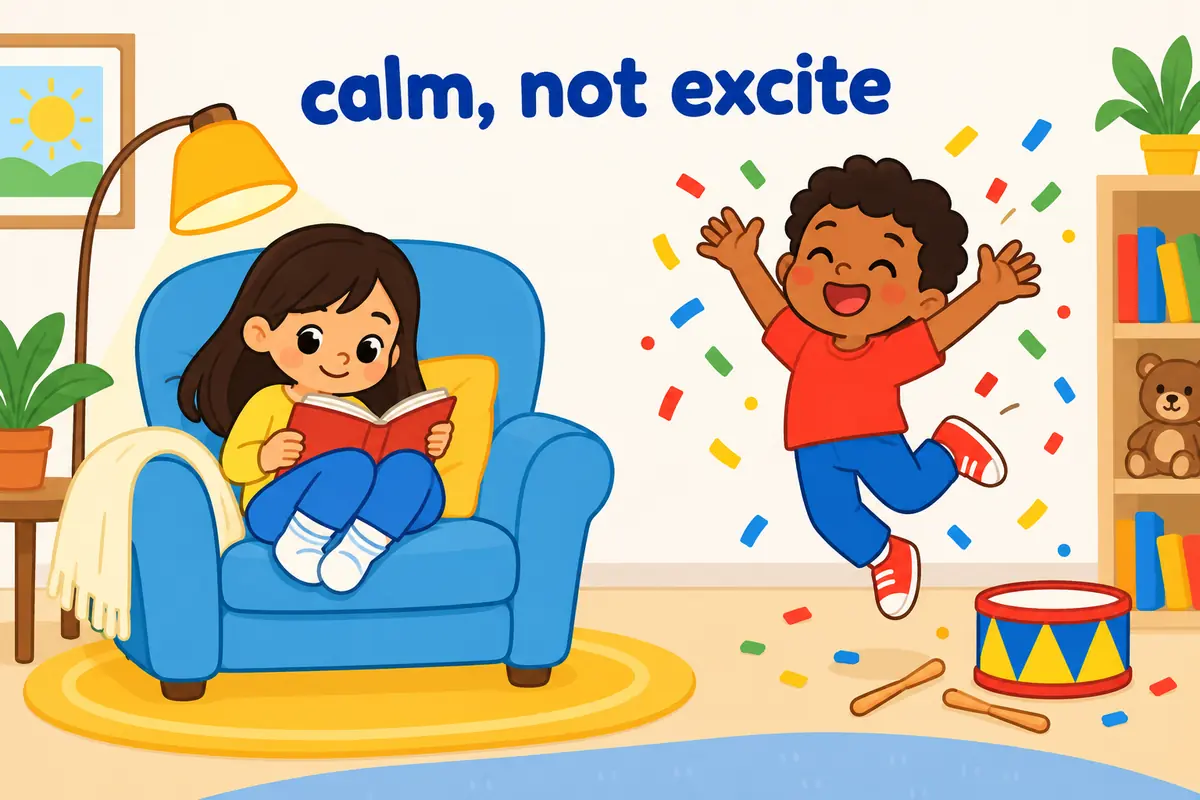
Frequently asked questions about wind down
Is wind down one word or two?
As a verb it is two words, as in I need to wind down. As a noun or when it describes another noun it takes a hyphen, as in a wind-down meeting. The unhyphenated one-word spelling is not standard for either job, so keep the space in the verb.
Can you say wind down it?
No. When the object is a pronoun, it must go between the verb and the particle, so the correct order is wind it down. A full noun object is more flexible: you may say wind down the operation or wind the operation down, and both are standard.
Does wind down mean the same as relax?
In the personal sense it does, and it often implies a gradual process rather than a single act. I wind down after work means I relax step by step. The verb also carries two other senses, closing an operation and losing power, which relax does not cover at all.
What is the past tense of wind down?
The past tense is wound down, not winded down. The confusion comes from the separate verb wind, meaning to knock the breath out of somebody, whose past tense is winded. For the phrasal verb about slowing and closing, always use wound down.
When it’s time to relax and unwind after a long day, many people turn to the practice of “winding down.” This term refers to the process of intentionally slowing down, relaxing, and preparing for rest or relaxation.
During this wind-down time, individuals often engage in calming activities such as reading, listening to music, meditating, or taking a warm bath. It is a crucial part of self-care and can help promote better sleep, reduce stress, and improve overall well-being.
7 Examples Of Wind Down Used In a Sentence For Kids
- Let’s wind down by listening to calming music.
- It’s time to wind down after a day of playing.
- We can wind down by reading a bedtime story.
- Let’s take a deep breath and wind down before bedtime.
- We can wind down by coloring in our coloring books.
- It’s important to wind down before going to sleep.
- Let’s wind down by doing some gentle stretches.
14 Sentences with Wind Down Examples
- After a long day of classes, I like to wind down by listening to some soothing music.
- Before going to bed, I always wind down by writing in my journal.
- To wind down from the stress of exams, I enjoy taking a long walk around campus.
- After a tough workout at the gym, I find it helps to wind down with some yoga stretches.
- When I need to wind down after a hectic week, I schedule a movie night with my friends.
- To wind down from studying for hours, I treat myself to some delicious street food from the nearby stalls.
- On weekends, I usually wind down by exploring local cafes and trying different types of coffee.
- To wind down after a busy day of group projects, I like to spend some time alone in the library reading a good book.
- Whenever I feel overwhelmed with assignments, I always make sure to wind down by meditating for a few minutes.
- After attending back-to-back lectures, I like to wind down by attending a cultural event or workshop on campus.
- To wind down from all the noise on campus, I often escape to the rooftop to enjoy the peaceful evening breeze.
- When the semester gets too stressful, I find solace in organizing my study materials to wind down.
- Before starting my day, I always wind down with a cup of chai and some light reading.
- To wind down from socializing at college events, I spend quiet evenings painting in my dorm room.
How To Use Wind Down in Sentences?
To use Wind Down, simply open the feature on your device, set a bedtime schedule, and choose the activities you want to help you relax before sleep. For example, you can opt to listen to calming music or sounds, read a book, or practice mindfulness exercises. Once everything is set, Wind Down will start to dim your screen and activate “Do Not Disturb” mode at your chosen bedtime, signaling that it’s time to start winding down for the night.
When you receive the prompt to start winding down, make sure to follow through with your chosen activities and try to avoid any stimulating screens or activities that may hinder your ability to relax. This deliberate effort to wind down can help signal to your body and mind that it’s time to prepare for sleep, ultimately improving your sleep quality and overall well-being.
As you get used to using Wind Down, you may start to notice that it becomes easier to transition from the busyness of the day to a more relaxed state before bedtime. Consistency is key, so try to stick to your Wind Down routine each night to establish a healthy sleep pattern. Over time, you should start feeling more rested and rejuvenated in the mornings, thanks to the benefits of using Wind Down to aid in your winding down process.
Conclusion
In sum, the concept of “wind down” is commonly expressed in various activities and situations. Whether it be relaxing after a long day, concluding a meeting, or nearing the end of a project, the phrase conveys a sense of gradually slowing down or coming to a close. It represents a period of transition from activity to rest, signaling a time for relaxation, reflection, and preparation for what comes next.
By incorporating the idea of “winding down” into our daily routines, we can better manage stress, improve focus, and enhance overall well-being. Embracing moments to slow down and relax allows us to recharge and approach the upcoming tasks or challenges with renewed energy and clarity. So, remember to take the time to wind down and prioritize self-care in order to lead a more balanced and productive life.


