List of Sports in the Paralympics: Summer & Winter
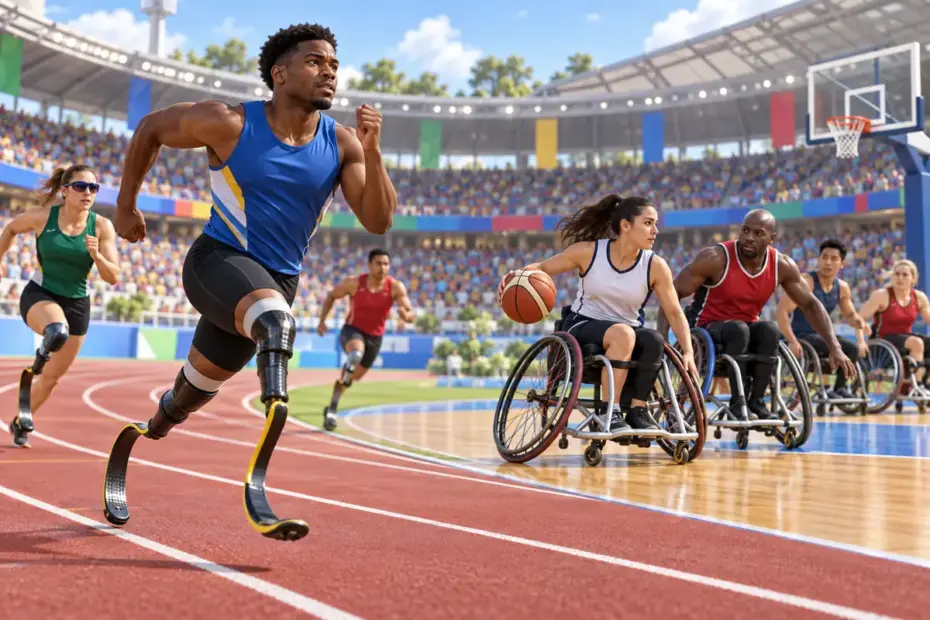
The Paralympic sports list depends on the Games edition: LA28 is scheduled to feature 23 summer sports, including Para climbing, while Milano Cortina 2026 featured six winter sports. The lists below separate summer from winter events, name the LA28 debut sport, and explain why classification is sport-specific.
- LA28 summer programme: 23 sports are scheduled for Los Angeles 2028.
- New for LA28: Para climbing is set to make its Paralympic debut.
- Winter programme: Milano Cortina 2026 featured six sports.
- Counting note: Para cycling is one sport with road and track disciplines.
- Fair competition: classification systems and eligibility rules are sport-specific.
Which sports are on the LA28 Paralympic programme?
The Los Angeles 2028 Summer Paralympics are scheduled to feature 23 sports. The International Paralympic Committee lists Para cycling road and track separately on its page, but they are disciplines within one sport, so the list below counts cycling once. IPC LA28 sports programme and LA28 competition schedule provide the official programme and schedule details.
- Blind football
- Boccia
- Goalball
- Para archery
- Para athletics
- Para badminton
- Para canoe
- Para climbing
- Para cycling (road and track)
- Para equestrian
- Para judo
- Para powerlifting
- Para rowing
- Para swimming
- Para table tennis
- Para taekwondo
- Para triathlon
- Shooting Para sport
- Sitting volleyball
- Wheelchair fencing
- Wheelchair basketball
- Wheelchair rugby
- Wheelchair tennis
What changed since Paris 2024?
Paris 2024 featured 22 summer sports; LA28 is scheduled for 23. Para climbing is the added sport and will make its first appearance at a Paralympic Games in 2028. The IPC says the Para climbing field is planned for 80 athletes and eight medal events. This distinction matters because a sports list is tied to an edition, not a permanent, unchanging set of events. IPC Paris 2024 sports list; IPC LA28 schedule and Para climbing debut.
Which sports were in the Milano Cortina 2026 Winter Paralympics?
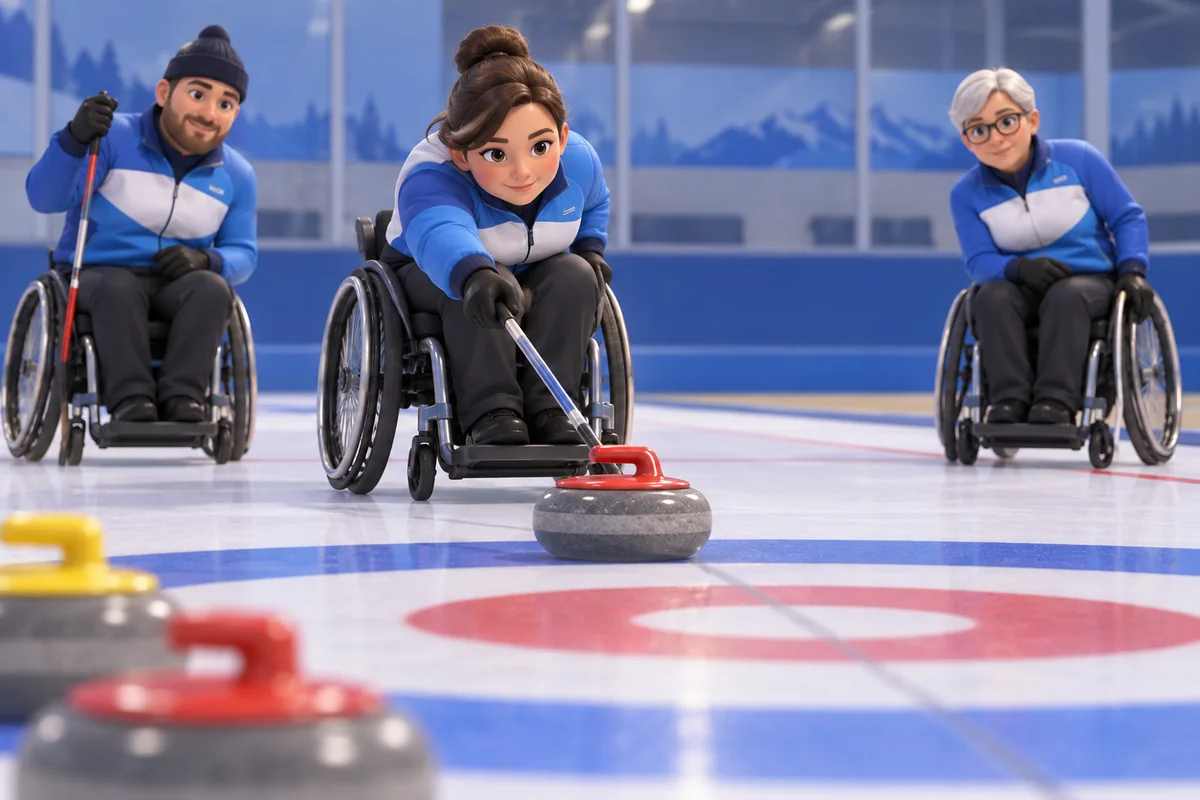
The Milano Cortina 2026 Winter Paralympic programme featured six sports. The list is separate from the LA28 summer programme and includes snow, ice and curling events. The International Paralympic Committee lists the six winter sports as follows: IPC Milano Cortina 2026 sports page.
- Para alpine skiing
- Para biathlon
- Para cross-country skiing
- Para ice hockey
- Para snowboard
- Wheelchair curling
Why are athletes classified by sport?
Paralympic classification is designed to make competition meaningful by reducing the impact an eligible impairment has on results. Each sport has different physical or technical demands, so an impairment may affect one event differently from another. International federations set sport-specific eligibility and minimum impairment criteria, and trained classifiers evaluate athletes under those rules. IPC classification overview.
That means there is no single class system shared across every sport. A class in swimming, for example, should not be treated as interchangeable with a class in wheelchair basketball or Para cycling. The classification page for the governing federation is the right place to check an athlete’s eligibility and class rules for a particular discipline.
Frequently asked questions about Paralympic sports
How many sports are in the LA28 Paralympics?
The LA28 Summer Paralympics are scheduled to include 23 sports. That total counts Para cycling as one sport with road and track disciplines; the official list displays those disciplines separately. Para climbing is the addition that brings the programme beyond the 22 sports featured at Paris 2024.
Which sport will make its Paralympic debut at LA28?
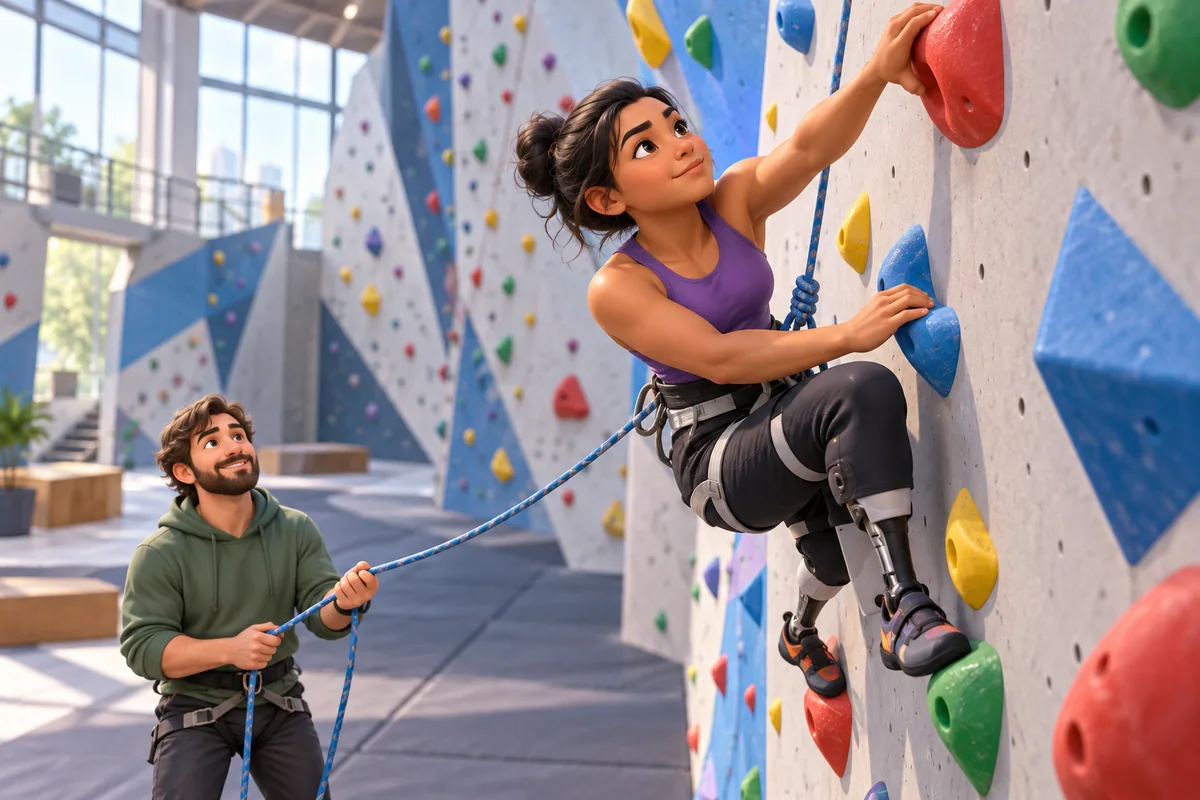
Para climbing is scheduled to make its Paralympic Games debut at Los Angeles 2028. The IPC programme announcement describes 80 athletes and eight medal events. It is one of 23 sports in the summer programme, alongside established disciplines such as Para athletics, boccia and wheelchair basketball.
Are summer and winter Paralympic sports the same?
No. Each Games edition has a separate programme shaped around summer or winter competition. Milano Cortina 2026 featured six winter sports, including wheelchair curling and Para ice hockey; LA28 is a summer programme with 23 sports. The complete list therefore depends on which edition a reader means.
How does Paralympic classification group athletes?
Classification groups eligible athletes into sport classes according to how an impairment affects activities required in that particular sport. The IPC says systems are sport-specific, so eligibility for one Para sport does not automatically establish eligibility for another. Classes are designed to limit impairment’s effect on results.
Updated Paralympic sports list
For a current summer list, use the edition-specific LA28 programme: 23 sports are scheduled, including Para climbing. For winter events, the Milano Cortina 2026 list had six sports. Always name the Games edition when sharing a Paralympic sports list, because the summer and winter programmes differ and the programme can change between editions.
Previously published article
The following article body is included exactly as fetched; its references to Paris 2024 describe that past edition.
The Paralympic Games stand as a testament to the resilience and athletic prowess of athletes with disabilities, offering a global stage for competition across a diverse array of sports. As of the Paris 2024 Paralympic Games, the program encompasses 22 sports, each meticulously adapted to accommodate various impairments, ensuring fair and exhilarating contests.
Summer Paralympic Sports
The Summer Paralympics feature 22 sports, each tailored to meet the needs of athletes with different disabilities. These sports are:
- Para Archery: Athletes with physical impairments compete in precision shooting, utilizing bows and arrows. Competitions are divided into standing and wheelchair categories.
- Para Athletics: Encompassing track and field events, athletes with physical, visual, and intellectual impairments participate in races, jumps, and throws, classified to ensure equitable competition.
- Para Badminton: Debuting at the Tokyo 2020 Games, this sport features athletes with physical impairments competing in singles and doubles matches, with classifications for standing and wheelchair players.
- Boccia: A precision ball sport unique to the Paralympics, designed for athletes with severe physical disabilities, focusing on strategic placement of balls to outscore opponents.
- Para Canoe: Athletes with physical impairments race in canoes or kayaks over 200-meter sprints, classified based on their functional abilities.
- Para Cycling: Includes both road and track events, with athletes using standard bicycles, handcycles, tricycles, or tandem bikes for visually impaired competitors, classified by impairment type.
- Para Equestrian: Athletes with physical or visual impairments participate in dressage events, judged on the harmony between horse and rider, with classifications ensuring fair competition.
- Football 5-a-side: Designed for athletes with visual impairments, this adaptation of soccer features teams of five, with all outfield players blindfolded to ensure equality, and a ball containing a noise-making device.
- Goalball: A team sport for visually impaired athletes, where teams of three attempt to throw a ball embedded with bells into the opponent’s goal, relying on sound and touch.
- Para Judo: Athletes with visual impairments engage in judo matches, with modified rules to accommodate their needs, classified by weight categories.
- Para Powerlifting: Athletes with physical impairments perform the bench press, aiming to lift the heaviest weights, classified by body weight.
- Rowing: Athletes with physical impairments compete in sculling and sweeping events over a 2,000-meter course, using adapted equipment.
- Shooting Para Sport: Athletes with physical impairments participate in rifle and pistol events, focusing on accuracy and control, classified by the type of impairment.
- Sitting Volleyball: Athletes with physical impairments play volleyball on a smaller court with a lower net, requiring at least one buttock to be in contact with the floor when playing the ball.
- Para Swimming: Athletes with physical, visual, and intellectual impairments compete in various swimming styles and distances, classified to ensure fair competition.
- Para Table Tennis: Athletes with physical and intellectual impairments compete in singles and team events, classified into standing and wheelchair categories.
- Para Taekwondo: Athletes with physical impairments engage in Kyorugi (sparring) matches, focusing on kicking techniques, classified by weight and impairment.
- Para Triathlon: Athletes with physical and visual impairments compete in a continuous race of swimming, cycling, and running, classified to ensure fair competition.
- Wheelchair Basketball: Athletes with physical impairments play basketball using wheelchairs, with teams classified based on players’ functional abilities to ensure balanced competition.
- Wheelchair Fencing: Athletes with physical impairments engage in fencing bouts while seated in wheelchairs, classified by the type and extent of impairment.
- Wheelchair Rugby: Athletes with physical impairments participate in a mixed-gender team sport combining elements of rugby, basketball, and handball, played on a hardwood court.
- Wheelchair Tennis: Athletes with physical impairments compete in singles and doubles matches, with the primary adaptation allowing the ball to bounce twice.
Each sport is meticulously adapted to accommodate various impairments, ensuring that athletes compete on a level playing field. The classification system is pivotal in this endeavor, grouping athletes based on the impact of their impairment on sport performance.
Winter Paralympic Sports
The Winter Paralympics feature six sports, each offering unique challenges and requiring specialized adaptations:
- Para Alpine Skiing: Athletes with physical and visual impairments navigate downhill courses, classified into sitting, standing, and visually impaired categories.
- Para Biathlon: Combining cross-country skiing and rifle shooting, athletes with physical and visual impairments compete, with classifications ensuring fair competition.
- Para Cross-Country Skiing: Athletes with physical and visual impairments race over various distances, classified into sitting, standing, and visually impaired categories.
- Para Ice Hockey: Athletes with physical impairments affecting their lower bodies play ice hockey using specially designed sledges, with teams competing in a fast-paced, full-contact sport.
- Para Snowboard: Athletes with physical impairments compete in snowboard cross and banked slalom events, classified based on the type and extent of impairment.
- Wheelchair Curling: Athletes with physical impairments affecting their lower bodies participate in curling matches, delivering stones from a stationary wheelchair position.
These sports are adapted to ensure inclusivity and fair competition, with classification systems in place to group athletes by the impact of their impairments on performance.
Classification System
The Paralympic classification system is designed to ensure fair competition by grouping athletes based on how their impairment affects their ability to perform in a specific sport. Classifications are sport-specific, as the impact of an impairment varies across different sports. For instance, the classification for para swimming differs from para athletics or wheelchair basketball due to the varying physical demands and equipment used. This system ensures athletes compete on a level playing field, promoting fairness and integrity in the competition.
Key Features of the Classification System:
- Impairment Categories: Athletes are grouped into three broad impairment categories:
- Physical impairments: Includes loss of limb, muscle strength, or range of movement.
- Visual impairments: Ranges from partial vision to total blindness.
- Intellectual impairments: Affects cognitive functions impacting sports performance.
- Sport-Specific Classifications: Each sport has its unique classification criteria. For example:
- Para Swimming uses classes S1-S10 for physical impairments, S11-S13 for visual impairments, and S14 for intellectual impairments.
- Wheelchair Rugby assigns point values (0.5 to 3.5) to players based on their functional abilities, ensuring balanced team compositions.
- Regular Evaluations: Athletes undergo evaluations to verify their classification remains accurate, especially if their condition changes over time.
The Growth of Paralympic Sports
Since their inception in 1960 in Rome, the Paralympic Games have grown from a modest event featuring six sports to a global phenomenon. The addition of new sports like para badminton and para taekwondo highlights the evolving inclusivity and diversity of the games. Each sport undergoes rigorous evaluation before being added to ensure it aligns with the Paralympic mission.
The Role of Technology and Innovation
Adaptive technologies have played a transformative role in Paralympic sports, enabling athletes to push boundaries. Some notable advancements include:
- High-tech prosthetics: Used in para athletics and para cycling, enhancing performance.
- Specialized wheelchairs: Designed for speed and agility in wheelchair sports like basketball and rugby.
- Audio and tactile equipment: Helps visually impaired athletes in sports such as goalball and para alpine skiing.
Paralympic Values
The Paralympic Movement embodies values that transcend sports, including:
- Courage: Athletes demonstrate unparalleled bravery in overcoming challenges.
- Determination: The relentless pursuit of excellence.
- Equality: Breaking down barriers for people with disabilities.
- Inspiration: Motivating others to achieve their potential.
Future Prospects of Paralympic Sports
The Paralympics continue to expand, with potential new sports under consideration for future games. Efforts are underway to increase visibility and media coverage, ensuring these athletes receive the recognition they deserve. This growth is accompanied by a push for greater accessibility, aiming to inspire new generations of athletes worldwide.
Conclusion
The list of sports in the Paralympics reflects a commitment to inclusivity, innovation, and excellence. With its broad spectrum of events tailored for athletes of varying abilities, the Paralympics highlight the power of adaptability and human spirit. From classic sports like para athletics to emerging disciplines like para taekwondo, the games continue to inspire millions globally, promoting a world where opportunities are accessible to all.