Adjectives for a Boy: Positive Words and Examples
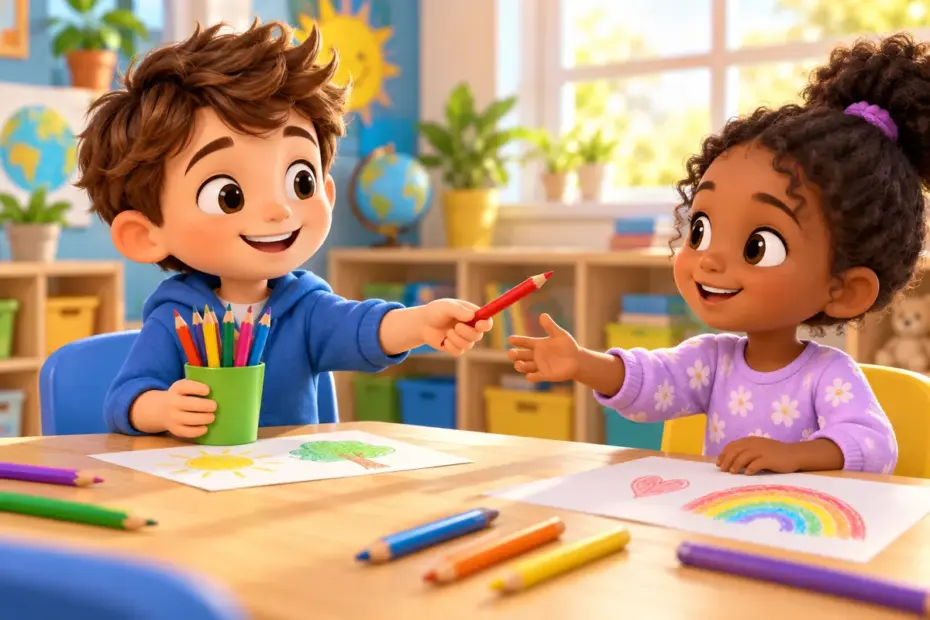
Useful adjectives for a boy include kind, curious, cheerful, thoughtful, energetic, patient, and creative. Choose words that describe the particular person, then support them with an example: “The thoughtful boy saved a seat for his friend.” These adjectives can describe anyone; they are not qualities reserved for boys.
- Adjectives describe a noun or a subject after a linking verb.
- Kind, curious, and thoughtful describe personal qualities.
- Energetic and quiet describe different styles, neither automatically better.
- Describe actions when explaining difficult behaviour.
- Choose two precise adjectives instead of a long string of praise.
Positive adjectives for a boy
For kindness, try considerate, helpful, caring, generous, or thoughtful. For learning, use curious, observant, imaginative, creative, or resourceful. For working with others, choose cooperative, patient, fair, or dependable. Each group answers a different question about the person rather than repeating the vague word good.
A considerate boy thinks about others; a resourceful boy finds ways to solve a problem. Cheerful describes a generally happy manner, while optimistic describes expecting a good outcome. Brave can describe facing something frightening, including asking for help. Select a word whose meaning matches the situation you have actually seen.
Adjectives with meanings and sentence examples
Use the examples as models, then change the detail to suit the person you are describing. A concrete action gives the reader evidence for the adjective. The words below are suitable for character descriptions, classroom writing, or a short message.
| Example sentence | Meaning |
|---|---|
| The kind boy helped his neighbour carry a bag. | Kind: caring about others. |
| A curious boy asked how the telescope worked. | Curious: wanting to learn. |
| The patient boy waited for his turn. | Patient: able to wait calmly. |
| The creative boy invented a new board game. | Creative: producing original ideas. |
| He was dependable and returned the book on time. | Dependable: able to be relied on. |
| The energetic boy enjoyed the long walk. | Energetic: active and full of energy. |
| The quiet boy listened carefully. | Quiet: making little noise; not a lack of ability. |
| He remained determined after his first attempt failed. | Determined: continuing towards a goal. |

Personality, behaviour, and ability are different
Personality words describe a broader tendency: sociable, reserved, adventurous, or easygoing. Behaviour words often fit a particular moment: attentive, restless, playful, or distracted. Ability words point to a skill: articulate, musical, athletic, or inventive. A boy can be reserved and confident, or energetic and considerate, at the same time.
Avoid treating one observation as a permanent identity. “He was distracted during the lesson” reports an occasion more precisely than “He is a distracted boy.” Similarly, “He explained the experiment clearly” gives stronger evidence for articulate than an unsupported compliment. Descriptions become more useful when they leave room for change and context.
Words for appearance and age
For an ordinary description, young, tall, short, curly-haired, or brown-eyed can be useful when those details matter. A fictional character might be a tall, cheerful boy wearing a red coat. Clothing details often identify someone more effectively than a judgement such as handsome or unattractive.
Use appearance words respectfully and sparingly. An adjective should help the reader recognise a person or imagine a scene. Describing a child through an extended ranking of looks adds little to a school report or character sketch. Include the detail because it serves the writing, and balance it with action or personality.
How to describe difficult behaviour fairly
For a specific situation, impatient, careless, distracted, or uncooperative may be accurate. Explain the action rather than piling up harsh labels. “He interrupted twice during the discussion” is more informative than “He was a bad boy.” “He rushed the task and missed two instructions” explains why careless might fit.
A description should be proportionate. One mistake does not establish that someone is dishonest or irresponsible. In constructive feedback, name the behaviour and the next step: “He needs to wait until others finish speaking.” This gives a reader useful information and gives the person a clear action to practise.
Where do adjectives go in a sentence?
An adjective commonly goes before the noun: “a curious boy.” It can also follow a linking verb: “The boy seems curious.” Do not add an English plural ending to the adjective: write “curious boys,” not “curiouses boys.” The noun shows the plural.
Choose adjective forms rather than related nouns or adverbs. “The boy is confident” uses an adjective; “The boy has confidence” uses a noun; “He spoke confidently” uses an adverb. If several adjectives feel crowded, divide the information into two sentences and show one quality through an action.
Build a short character description
- Choose a quality that fits the person.
- Recall a specific action that shows the quality.
- Write the adjective before boy or after a linking verb.
- Check that the wording is accurate and respectful.
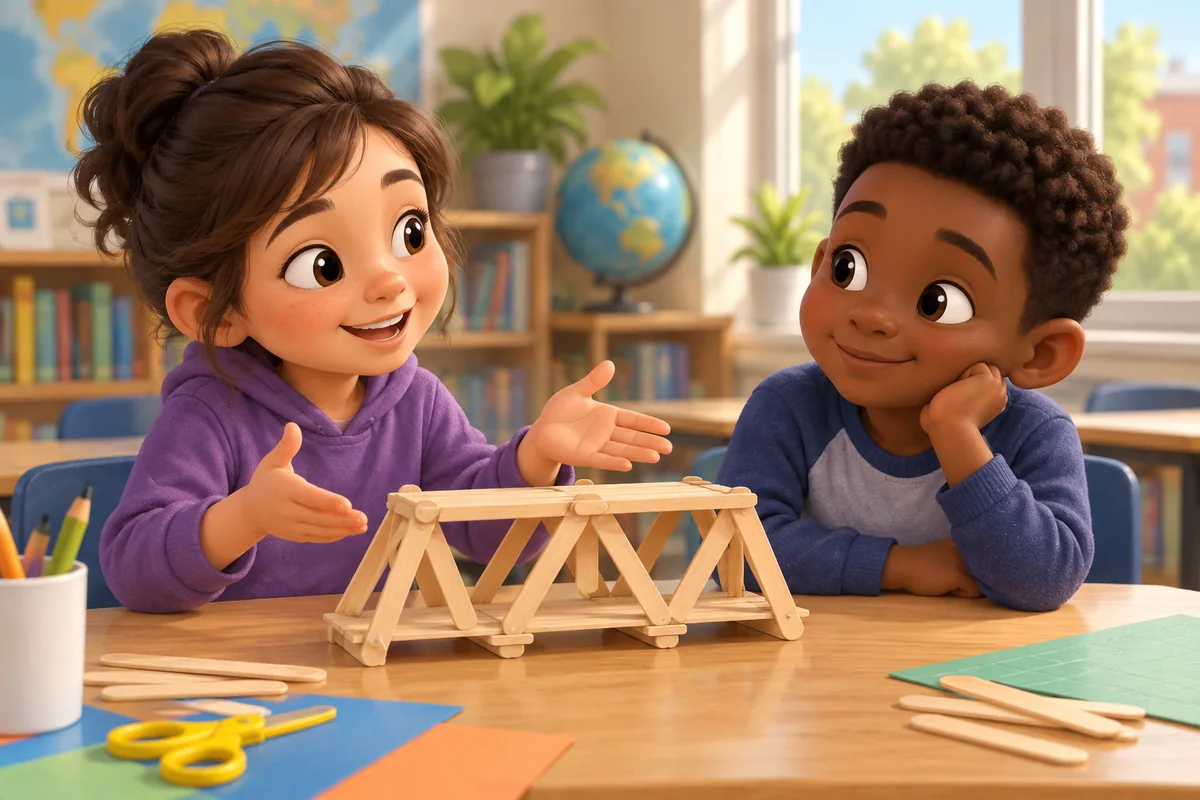
Compare “He is a good boy” with “He is a thoughtful boy who checks whether everyone has a turn.” The second version explains the praise. For a fictional character, choose a quality and then invent a plausible action that reveals it. Let the scene show personality rather than relying on a long list of labels.
Sources and usage references
- Cambridge Grammar: adjective phrases and position: Adjective placement before nouns and after linking verbs.
- Cambridge: personality adjectives: Personality vocabulary and contextual word choice.
Frequently asked questions
What are good positive adjectives for a boy?
Kind, thoughtful, curious, cheerful, patient, creative, and dependable are useful positive choices. Pick the quality that fits the person rather than using all of them together. Add an action that demonstrates it, such as sharing materials or trying a new solution. The same vocabulary can describe people of any gender.
How can I describe a boy in one sentence?
Combine one or two adjectives with a concrete detail: “The curious, cheerful boy asked questions about every animal at the zoo.” This sentence shows both interest and manner. For a more neutral description, mention clothing or an action. Avoid squeezing personality, appearance, age, and every skill into a single crowded sentence.
Is quiet a negative adjective?
Quiet is usually descriptive rather than automatically negative. It may mean someone makes little noise or does not speak often in a particular setting. A quiet boy may also be confident, friendly, or observant. Explain the context if necessary, and do not assume that speaking less means being unhappy or less capable.
Should adjectives for boys differ from adjectives for girls?
The adjectives themselves do not need a gender restriction. Boys, girls, and other people can all be thoughtful, brave, sensitive, creative, or athletic. Choose words from the person’s actual behaviour and interests. This makes a description more accurate than relying on expectations about what a boy or girl ought to be like.
More examples and sentence practice
When it comes to describing boys, there is a wide range of adjectives that can capture their unique qualities and characteristics. From their energetic and adventurous nature to their curious and imaginative minds, boys have a way of bringing excitement and joy into our lives. In this article, I’ll be exploring some of the most fitting adjectives to describe boys, allowing you to better understand and appreciate the wonderful qualities they possess.
From the moment they come into this world, boys exhibit a certain sense of boundless energy that is hard to ignore. They are often described as lively, spirited, and full of vitality. Whether they are running, jumping, or playing sports, boys have a natural zest for life that is contagious. Their enthusiasm and exuberance can light up a room and leave a lasting impression on anyone they encounter.
In addition to their energy, boys are known for their adventurous spirit. They are often described as daring, fearless, and intrepid. Boys have a natural curiosity that drives them to explore the world around them, pushing boundaries and seeking new experiences. Whether they are climbing trees, building forts, or embarking on imaginative quests, boys have an innate sense of adventure that fuels their desire for discovery.
As we delve into the world of adjectives for boys, we will uncover even more captivating and endearing qualities that make them who they are. So, join me as we celebrate the vibrant and exciting world of boys and the adjectives that best capture their essence.
How to Describe Boy? – Different Scenarios
When it comes to describing boys, there are various adjectives that can capture their unique qualities and characteristics. Let’s delve into different scenarios and explore the adjectives that best describe their vibrant personalities.
1. Energetic Boys
Definition:
Boys are known for their boundless energy and enthusiasm. They have an incredible zest for life and are constantly on the move.
Examples:
| Adjective | Description |
|---|---|
| Lively | Full of energy and excitement |
| Spirited | Energetic and enthusiastic |
| Active | Always moving and engaged |
| Dynamic | Vibrant and full of life |
2. Adventurous Boys
Definition:
Boys have a natural sense of adventure and a desire for exploration. They are always seeking new experiences and challenges.
Examples:
| Adjective | Description |
|---|---|
| Daring | Bold and courageous |
| Fearless | Not afraid to take risks |
| Intrepid | Brave and adventurous |
| Curious | Eager to discover and explore |
3. Imaginative Boys
Definition:
Boys possess vivid imaginations and are often lost in their own fantasy worlds. They have the ability to turn the ordinary into the extraordinary.
Examples:
| Adjective | Description |
|---|---|
| Creative | Inventive and imaginative |
| Dreamy | Lost in thoughts and daydreams |
| Imaginative | Able to create vivid worlds |
| Playful | Fond of make-believe and fun |
4. Active Boys
Definition:
Boys are always on the go, engaging in physical activities and sports. They thrive in active environments and enjoy staying physically fit.
Examples:
| Adjective | Description |
|---|---|
| Athletic | Skilled in sports and physical activities |
| Energetic | Full of stamina and vitality |
| Agile | Quick and nimble |
| Robust | Strong and vigorous |
Describing Words for Boy in English
As an expert blogger, I have written numerous articles on various topics, but today I want to focus on an important area of vocabulary: adjectives that can be used to describe boys. These words play a crucial role in helping us capture the unique qualities and characteristics of our young boys. So, let’s dive in and explore some of the describing words for boy in English.
Energetic
Boys are known for their boundless energy and enthusiasm. They are always on the move, ready to take on any challenge that comes their way. Some adjectives that perfectly capture their energetic nature are:
- Active
- Energetic
- Lively
- Dynamic
- Spirited
Adventurous
From climbing trees to exploring new places, boys have a natural sense of adventure. They are never afraid to step out of their comfort zone and try new things. Here are some adjectives that describe their adventurous spirit:
- Brave
- Daring
- Fearless
- Curious
- Adventurous
Imaginative
Boys have a vivid imagination that knows no bounds. They can create whole worlds within their minds and believe in the impossible. Adjectives that describe their imaginative nature include:
- Creative
- Imaginative
- Inventive
- Dreamy
- Playful
Playful
Boys love to have fun and engage in playful activities. They enjoy games, toys, and anything that allows them to let loose and enjoy themselves. Here are some adjectives that capture their playful nature:
- Fun-loving
- Mischievous
- Cheeky
- Playful
- Joyful
By using these describing words, we can paint a more accurate and vivid picture of the vibrant and exciting world of boys. Whether it’s their energy, adventurous spirit, vivid imagination, or playful nature, these adjectives help us understand and appreciate the wonderful qualities that make boys unique. So, let’s celebrate the amazing boys in our lives and the adjectives that best describe them!
Adjectives for Boy
As a teacher, it’s essential to introduce young learners to a range of vocabulary, including adjectives that describe boys. By incorporating these adjectives into their language learning, children can develop a deeper understanding of the qualities and characteristics that boys possess. In this section, we will explore positive and negative adjectives that can be used to describe boys, providing example sentences to help facilitate their understanding.
Positive Adjectives for Boy with Example Sentences
Positive adjectives celebrate the unique qualities and strengths of boys. Here are 12 examples of positive adjectives that can be used to describe boys, along with example sentences:
| Adjective | Example Sentence |
|---|---|
| Energetic | He’s always full of energy and ready to play. |
| Curious | He asks lots of questions and loves to explore. |
| Creative | He has a great imagination and loves to draw. |
| Brave | He’s not afraid to try new things and take risks. |
| Kind-hearted | He’s always willing to help others in need. |
| Determined | Once he sets a goal, he works hard to achieve it. |
| Friendly | He’s always smiling and making new friends. |
| Intelligent | He’s a quick learner and loves solving puzzles. |
| Thoughtful | He always considers other people’s feelings. |
| Caring | He shows empathy and compassion towards others. |
| Confident | He believes in himself and his abilities. |
| Adventurous | He loves exploring new places and trying new things. |
Negative Adjectives for Boy with Example Sentences
While it’s important to focus on positive qualities, it’s also beneficial for children to understand that everyone has flaws. Here are 5 examples of negative adjectives that can be used to describe boys, along with example sentences:
| Adjective | Example Sentence |
|---|---|
| Impulsive | He often acts without thinking about the consequences. |
| Stubborn | He refuses to change his mind or listen to others. |
| Disruptive | He often interrupts class and distracts his classmates. |
| Careless | He tends to be forgetful and loses his belongings. |
| Bossy | He likes to be in control and tell others what to do. |
Teaching children about adjectives for boys can help broaden their understanding of language and cultivate empathy and acceptance. By focusing on positive qualities while acknowledging that everyone has weaknesses, we can encourage children to embrace and celebrate the diverse characteristics and personalities of boys.
Synonyms and Antonyms with Example Sentences
Synonyms for Boy
When it comes to finding the right words to describe boys, there is a wide range of synonyms that can help us express their various qualities. Here are some synonyms for “boy” along with example sentences to help us understand their meanings:
| Synonym | Example Sentence |
|---|---|
| Lad | Tommy is a polite lad who always helps others. |
| Youngster | Emily and her little brother are youngsters who love to play together. |
| Kid | Max is an energetic and adventurous kid who loves to explore. |
| Youth | Daniel is a talented youth who excels in playing the piano. |
| Sonny | My sonny is a kind-hearted and compassionate boy. |
Antonyms for Boy
In addition to synonyms, antonyms can give us a whole new perspective on how to describe boys. Here are some antonyms for “boy” and their example sentences:
| Antonym | Example Sentence |
|---|---|
| Girl | Sarah is a creative and confident girl who loves art. |
| Young man | Alex is no longer a boy, he is now a responsible young man. |
| Man | Mark, a wise and experienced man, always offers valuable advice. |
| Gentleman | William is a well-mannered and respectful gentleman. |
| Male | Jordan, a talented male, is known for his incredible strength. |
By using synonyms and antonyms, we can broaden our understanding of language and help children develop empathy and acceptance by appreciating the diversity of people around them.
Conclusion
In this article, we explored a variety of adjectives that can be used to describe boys. By focusing on positive and negative qualities, we aim to provide children with a well-rounded understanding of the different characteristics that boys can possess. Each adjective was accompanied by example sentences, offering practical usage and context.
Additionally, we introduced synonyms and antonyms for the word “boy,” encouraging children to expand their vocabulary and develop a deeper appreciation for language. By incorporating synonyms and antonyms into their communication, children can enhance their understanding of words and foster empathy and acceptance towards others.
By broadening language understanding, children can better express themselves and relate to others. Our hope is that this exploration of adjectives for boys will not only aid in language development but also promote inclusivity and understanding among children.
Remember, language is a powerful tool that allows us to connect and engage with the world around us. Let’s encourage children to embrace the richness of language and celebrate the diversity of qualities that make each boy unique.


