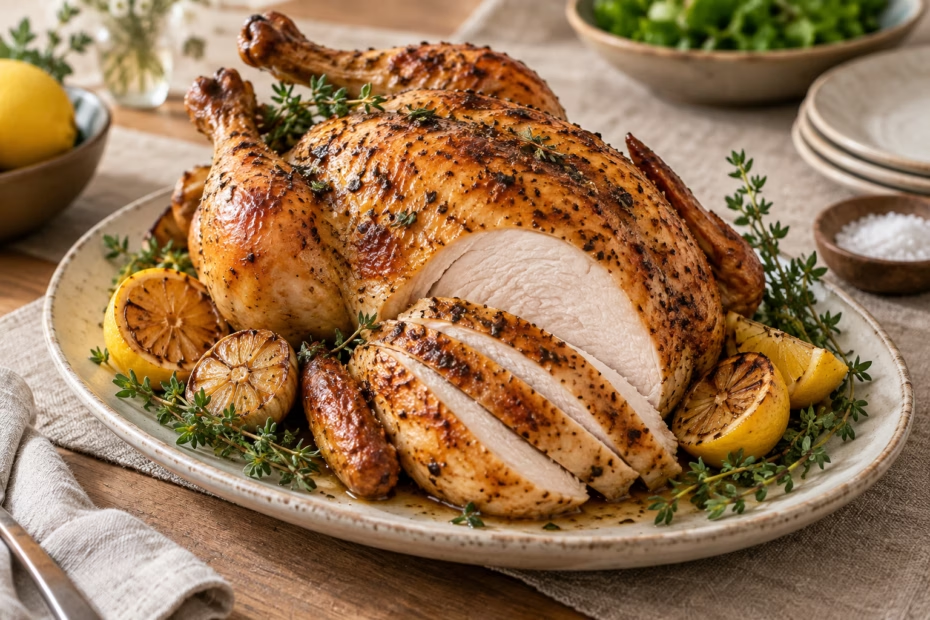
How to Choose the Right Adjective for Chicken
“Chicken” can mean the live bird or the meat served as food, so first decide what you are describing. Words such as curious and alert can describe a bird’s behavior. Words such as tender, crisp, and savory describe cooked chicken. A cooking word such as roasted tells readers how it was prepared; it does not, by itself, tell them how it tastes or feels.
For a useful description, name an observable quality and connect it to the cut, cooking method, seasoning, or eating experience. “The skin was crisp, while the thigh meat stayed tender” gives a reader more information than “the chicken was good.”
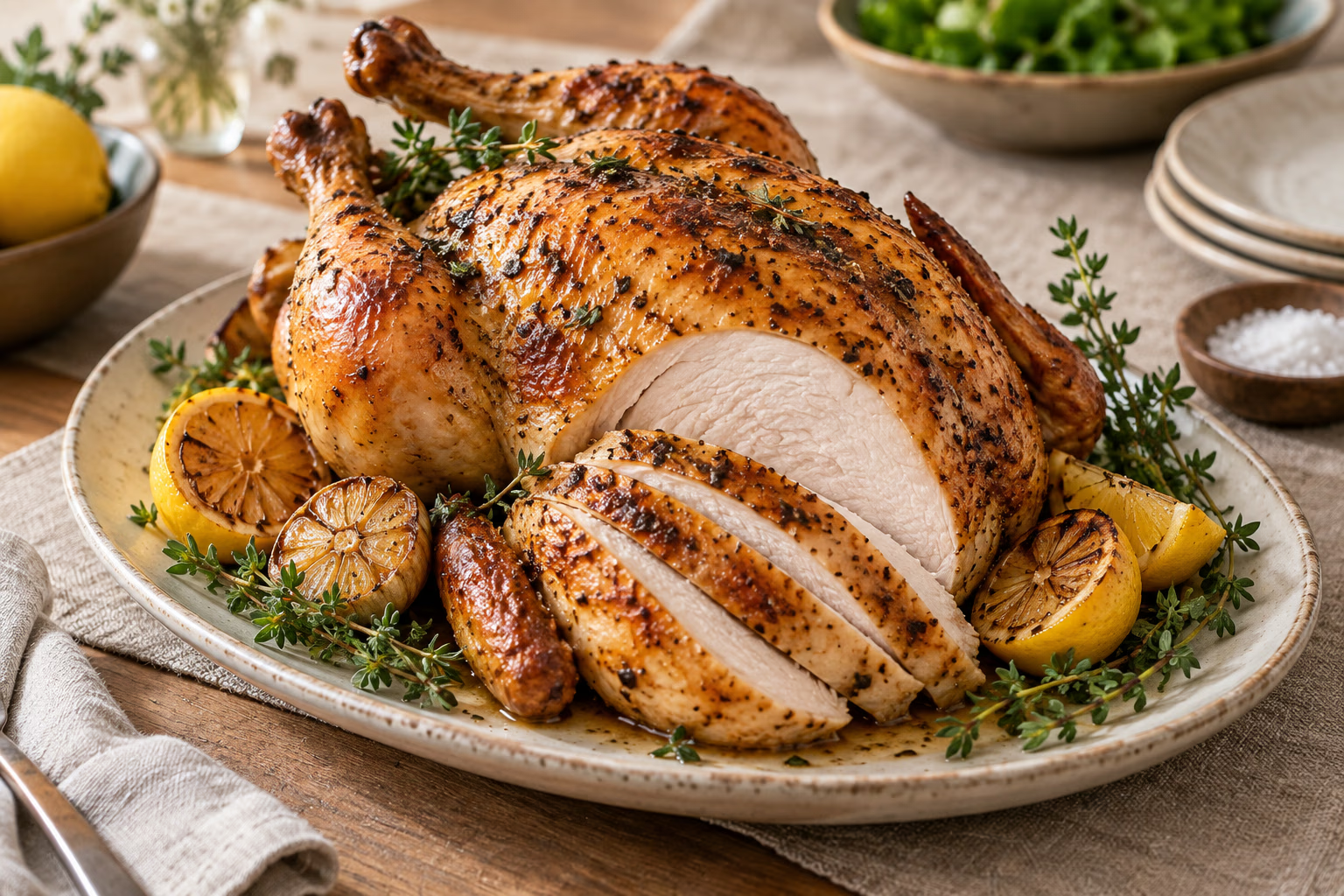
Chicken Adjectives by Flavor, Texture, and Appearance
Flavor and aroma
Savory describes a rich, appetizing taste; mild indicates that the chicken’s own flavor is subtle; and well-seasoned tells readers that salt, herbs, spices, or a marinade are noticeable. Use smoky when grilling or smoking contributes a smoke-like aroma, and herby when herbs stand out. Tangy, peppery, and garlicky identify more specific flavor notes. These words usually describe the finished dish or seasoning, rather than an inherent quality of every chicken.
Example: “The mild chicken took on a tangy flavor from the lemon marinade, while rosemary gave the roast a fragrant, herby aroma.”
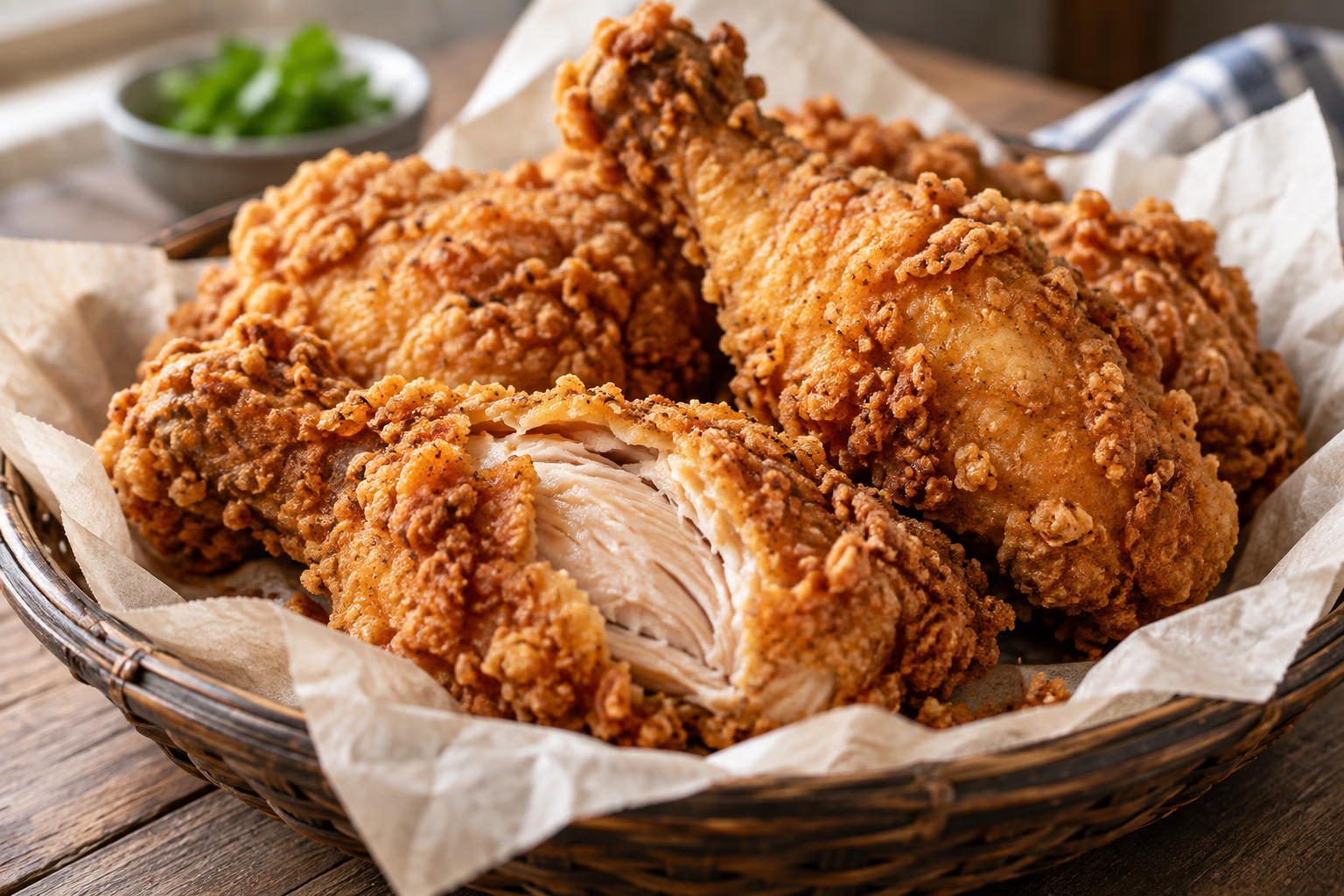
Texture and mouthfeel
Tender means easy to bite or cut; juicy and moist describe a pleasant amount of liquid in the meat. Succulent is a more vivid, often complimentary way to describe tender, juicy food. For the outside, choose crisp or crunchy for a brittle bite and craggy for an uneven coating with ridges. Chicken can be silky in a smooth soup or sauce, or fibrous when its strands are noticeable.
For an unappealing texture, dry signals a lack of moisture, tough suggests difficulty chewing, and rubbery describes an elastic or springy bite. These terms report how a serving feels; texture alone cannot establish whether poultry is safely cooked.
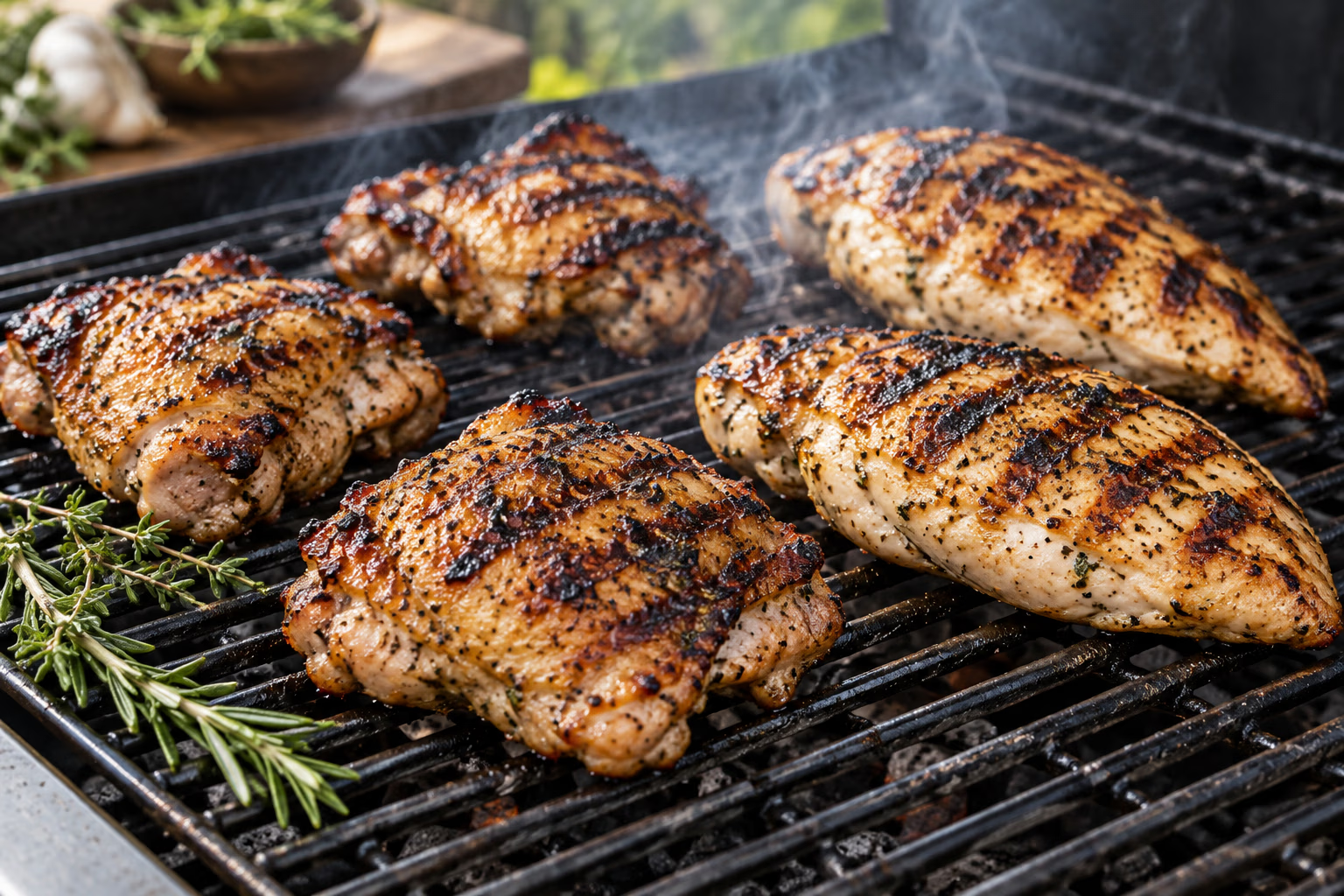
Appearance and preparation
Golden, browned, and charred describe visible surface color, with charred suggesting darkened spots from intense heat. Glazed means coated with a glossy layer, while breaded and battered distinguish two kinds of coating. Roasted, grilled, poached, braised, and fried identify methods of preparation. Add a sensory adjective when you want to say more: “grilled and smoky,” “poached and tender,” or “fried with a crisp crust.”
40+ Descriptive Adjectives for Chicken
Use these words as a menu, review, or writing aid. Not every adjective fits every dish, and several describe a preparation or a personal impression rather than the meat alone.
| What you notice | Adjectives | Example |
|---|---|---|
| Texture | tender, juicy, moist, succulent, crisp, crunchy, chewy, fibrous, dry, tough, rubbery | The braised thigh was tender and succulent, while the skin stayed crisp. |
| Flavor and aroma | savory, mild, rich, delicate, smoky, tangy, peppery, garlicky, herby, aromatic, bland, gamey | Aromatic thyme and pepper made the mild broth savory. |
| Surface and appearance | golden, browned, charred, glazed, glossy, caramelized, pale, crisp-edged | The glaze left the wings glossy and golden. |
| Cooking or serving style | roasted, grilled, fried, baked, poached, braised, shredded, sliced, breaded, battered, marinated | Shredded poached chicken made a delicate filling. |
| Evaluation or mood | appetizing, comforting, satisfying, hearty, simple, elegant, familiar, distinctive | The comforting soup paired tender chicken with a fragrant broth. |
Some entries in the table are participial adjectives or preparation labels: roasted, shredded, and marinated tell what has been done to the chicken. They remain useful in descriptions, but they answer a different question from sensory words such as tender or smoky.
Positive and Negative Chicken Descriptions
Positive descriptions often combine two distinct details: “tender and savory,” “crisp-skinned and juicy,” or “mild with a fragrant herb crust.” Negative descriptions are clearest when they identify a specific problem: “dry breast meat,” “bland broth,” “tough strips,” or “soggy coating.” Avoid stacking several near-synonyms such as delicious, tasty, and yummy; one precise word plus a concrete detail is stronger.
Words such as gamey and bland are subjective evaluations. If you use them in a review, explain the comparison or cause: “The flavor seemed gamey to me beside the mild lemon sauce,” or “The unsalted broth tasted bland.” This makes the description fairer and more informative than treating preference as a universal fact.
Example Sentences for Describing Chicken
- The roast chicken had golden, crisp skin and tender meat.
- A tangy yogurt marinade kept the grilled pieces juicy and added a gentle acidity.
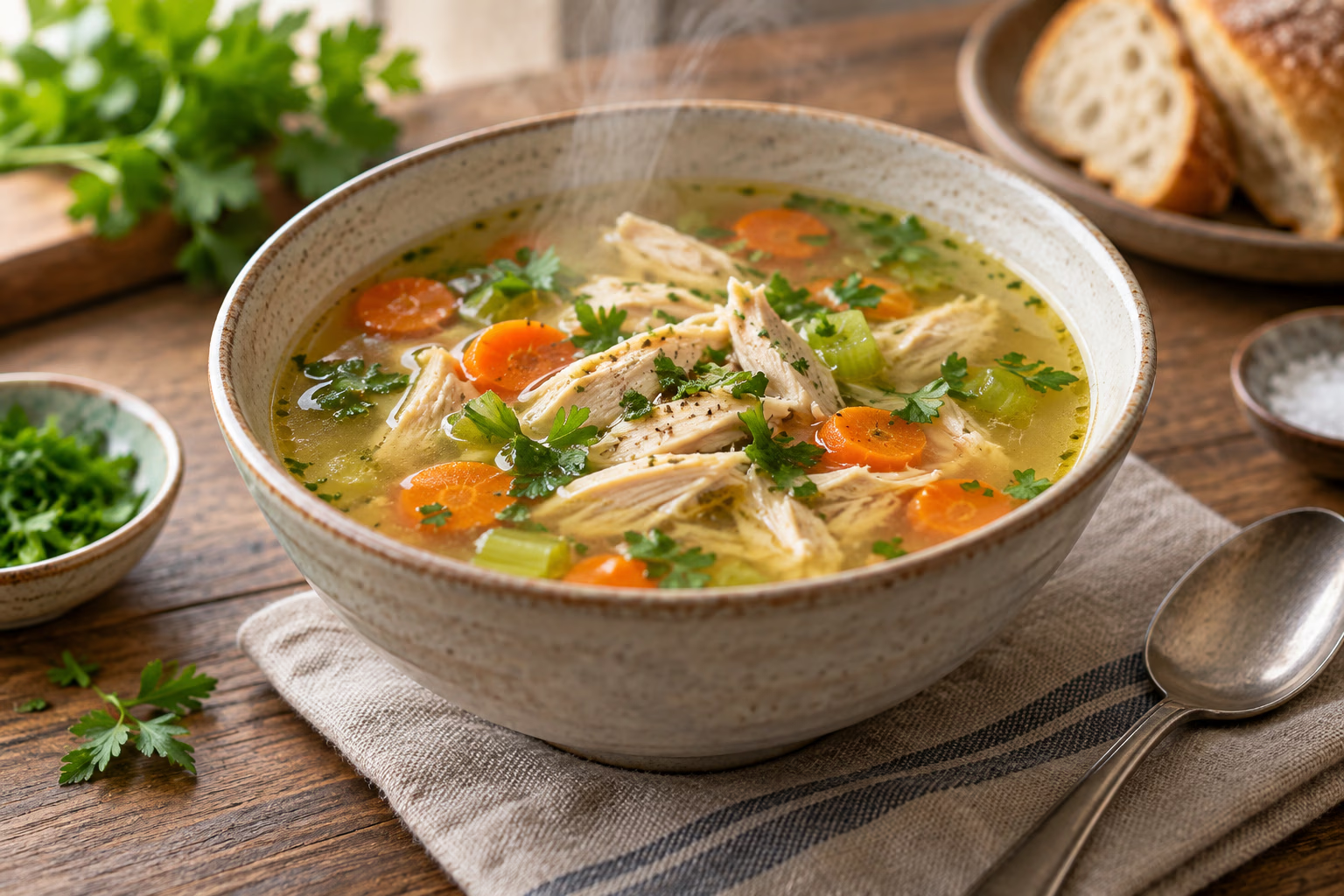
- The chicken soup was mild but aromatic, with a fragrant broth and soft, shredded meat.
- The breaded cutlet was crunchy outside and moist inside.
- The braised chicken was savory and succulent, with a rich pan sauce.
- The chicken tasted bland beside the bright, peppery dressing.
- The reheated breast seemed dry and fibrous, so I sliced it thinly for the salad.
- The chicken was well-seasoned, with a smoky aroma from the grill.
Quick Writing Tip: Describe What You Can Observe
In a restaurant review, recipe note, or menu, pair adjectives with evidence: mention a crisp crust, visible browning, a clear herb aroma, or meat that cuts easily. “The skin was deeply browned and crisp” is more specific than “the chicken looked amazing.” When a word is a matter of taste—such as delicious, rich, or gamey—make clear that it expresses your impression.
Food adjectives also have different grammar patterns. A chicken dish can be savory; the chicken can be roasted; a coating can be crisp; and soup can be made with shredded chicken. Choosing the noun each adjective describes helps readers picture the dish accurately.
Food Safety Note: Don’t Judge Doneness by Adjectives
Words such as juicy, white, tender, or rubbery describe sensory qualities; they are not reliable ways to determine safe doneness. The USDA Food Safety and Inspection Service recommends cooking all poultry, including chicken breasts, thighs, wings, and ground poultry, to an internal temperature of 165°F (73.9°C), measured with a food thermometer. Check the thickest part of a piece, avoiding bone. See the USDA FSIS safe temperature chart for the full guidance.
In short: use tender and juicy for texture, savory or tangy for flavor, golden or crisp for the surface, and a cooking word such as roasted or grilled for preparation. Specific details make a description useful and vivid.

When it comes to describing chicken, there’s a whole world of adjectives to choose from. From succulent and tender to flavorful and juicy, these words can paint a vivid picture of the deliciousness that awaits. In this article, I’ll be sharing a variety of adjectives that can be used to describe chicken, along with examples to help you visualize the mouthwatering qualities of this versatile protein.
One of the most common adjectives used to describe chicken is “moist.” This word perfectly captures the juicy and tender texture that we all crave when biting into a perfectly cooked piece of chicken. For example, you might say, “The roasted chicken breast was incredibly moist and full of flavor.”
Another adjective that often comes to mind when describing chicken is “crispy.” This word is typically used to describe the golden brown and crunchy exterior that can be achieved through various cooking methods such as frying or baking. For instance, you could say, “The fried chicken had a crispy coating that added a delightful crunch with every bite.”
So, whether you’re a fan of moist and tender chicken or prefer it crispy and flavorful, this article will provide you with a range of adjectives to help you accurately describe the delectable qualities of this beloved protein.
How to Describe chicken? – Different Scenarios
When it comes to describing chicken, there are various scenarios that can help us find the right adjectives to accurately depict the delicious qualities of this versatile meat. Whether it’s the texture, taste, or cooking method, each scenario offers unique opportunities to showcase the mouthwatering attributes of chicken. Let’s explore some different scenarios and the adjectives associated with them:
1. Texture:
One way to describe chicken is by highlighting its texture. From tender and juicy to firm and chewy, the texture can greatly influence the overall dining experience. Here are some adjectives to illustrate the variety of textures chicken can possess:
| Adjective | Example Sentence |
|---|---|
| Moist | The roasted chicken was so moist that it practically melted in my mouth. |
| Tender | The grilled chicken breast was incredibly tender and easy to cut. |
| Succulent | The slow-cooked chicken was unbelievably succulent, falling off the bone. |
2. Taste:
Another aspect of chicken that can be described is its taste. From mild and delicate to bold and flavorful, chicken offers a range of tastes that can satisfy every palate. Here are some adjectives that describe the taste of chicken:
- Savory: The roasted chicken was seasoned with aromatic herbs and spices, creating a savory explosion of flavors.
- Juicy: The marinated chicken was juicy and bursting with natural juices.
- Delicious: The crispy fried chicken had a delicious and addictive flavor that left me craving for more.
3. Cooking Method:
The way chicken is cooked can also contribute to the adjectives used to describe it. Whether it’s grilled, baked, fried, or roasted, each cooking method brings its own unique qualities to the dish. Here are some adjectives that showcase the cooking method of chicken:
- Crispy: The crispy fried chicken had a golden brown and crunchy exterior that added a delightful crunch with every bite.
- Smoky: The smoky grilled chicken had a distinct charred flavor, adding a delicious smokiness to the meat.
- Roasted: The roasted chicken had a rich and flavorful exterior, while the meat inside remained tender and juicy.
Describing Words for chicken in English
When it comes to describing chicken, there are plenty of mouth-watering adjectives that perfectly capture its delicious qualities. Whether you want to highlight its texture, taste, or cooking method, here are some descriptive words that will make your chicken dishes sound even more enticing.
1. Moist: Chicken that is cooked just right will retain its moisture, making each bite a delectable experience.
2. Tender: Describing chicken as tender emphasizes that it is easy to chew and melts in your mouth, leaving you craving for more.
3. Succulent: This word suggests juicy, flavorful, and oh-so-delicious chicken that is bursting with savory goodness.
4. Savory: Use this adjective to highlight the rich, full-bodied taste of well-seasoned chicken.
5. Juicy: When chicken is cooked to perfection, it will be juicy, releasing bursts of flavor with every bite.
6. Delicious: A classic go-to word for describing chicken, “delicious” sums up its mouthwatering taste and satisfying flavor.
7. Crispy: Picture golden-brown chicken skin that is delightfully crispy and adds a delightful crunch to every mouthful.
8. Smoky: Infused with the irresistible aroma and taste of smoky flavors, chicken prepared on a grill or over an open fire takes on a whole new level of deliciousness.
9. Roasted: Describing chicken as roasted evokes the image of chicken cooked in an oven, resulting in a flavorful and succulent dish.
To help you better visualize these adjectives, here are a few examples of how they can be used:
| Adjective | Example Sentence |
|---|---|
| Moist | The roasted chicken was moist and tender, practically melting in my mouth. |
| Succulent | The chef’s secret recipe produced succulent chicken that was full of flavor. |
| Crispy | The fried chicken had a perfectly crispy coating that gave it a satisfying crunch. |
| Smoky | The smoky aroma of the grilled chicken drew people in from miles away. |
| Delicious | Grandma’s homemade chicken soup was always a bowl of pure deliciousness. |
Adjectives for chicken
Positive Adjectives for Chicken with 12 Example Sentences
When it comes to describing chicken, there is a wide range of positive adjectives that can accurately portray its delicious qualities. Here are twelve examples of adjectives you can use to describe chicken:
- Moist: The chicken breast was perfectly moist and tender.
- Tender: The slow-cooked chicken fell apart with every bite.
- Succulent: The roasted chicken had a succulent, juicy flavor.
- Savory: The marinade gave the chicken a wonderfully savory taste.
- Juicy: The grilled chicken was juicy and full of flavor.
- Delicious: The fried chicken was crispy on the outside and deliciously tender on the inside.
- Crispy: The chicken skin was perfectly crispy and golden brown.
- Smoky: The barbecued chicken had a rich, smoky flavor.
- Roasted: The herb-roasted chicken had a delightful aroma.
- Flavorful: The seasoned chicken was incredibly flavorful.
- Mouthwatering: The spicy chicken had a mouthwatering kick.
- Tasty: The marinated chicken drumsticks were incredibly tasty.
Negative Adjectives for Chicken with 5 Example Sentences
While chicken is often associated with positive attributes, there are also a few negative adjectives that can be used to describe certain aspects of it. Here are five examples of negative adjectives to describe chicken:
- Dry: The overcooked chicken breast was unfortunately dry.
- Tough: The chicken was tough and difficult to chew.
- Rubbery: The undercooked chicken had a rubbery texture.
- Bland: The unseasoned chicken lacked flavor.
- Gamey: The gamey taste of the chicken was too overpowering.
When it comes to describing chicken, it’s important to use adjectives that accurately depict its qualities. Whether you’re highlighting the positive attributes like moist, tender, and succulent, or acknowledging the negative aspects like dry or tough, choosing the right adjectives can make all the difference in portraying chicken dishes in an enticing manner. Remember to consider the cooking method, texture, and taste when selecting adjectives for the most accurate and engaging descriptions.
Synonyms and Antonyms with Example Sentences
Synonyms for chicken
When it comes to describing chicken, there are several synonyms that can paint a vivid picture of its qualities. Here are a few alternative words that can be used:
- Moist: describes chicken that is juicy and tender.
- Tender: refers to chicken that is soft and easy to chew.
- Succulent: signifies chicken that is juicy and flavorful.
- Savory: describes chicken that has a delicious and appetizing taste.
- Delicious: represents chicken that is highly enjoyable and full of flavor.
- Crispy: refers to chicken with a golden and crunchy exterior.
- Smoky: describes chicken that has been infused with a delicious smoky flavor.
- Roasted: signifies chicken that has been cooked to perfection, resulting in a crispy and flavorful exterior.
- Flavorful: represents chicken that has rich and delectable taste sensations.
- Mouthwatering: describes chicken that is so enticing and delicious that it makes one’s mouth water.
- Tasty: refers to chicken that is appetizing and enjoyable.
Here are some example sentences using these synonyms:
- The succulent chicken dish left me craving for more.
- I love the crispy skin on the roasted chicken.
- The flavorful marinade enhanced the taste of the chicken.
Antonyms for chicken
On the other hand, when we talk about negative attributes of chicken, we can use antonyms to highlight those qualities. Here are a few antonyms for chicken:
- Dry: describes chicken that lacks moisture and tenderness.
- Tough: refers to chicken that is difficult to chew and lacks tenderness.
- Rubbery: signifies chicken that has a tough and elastic texture.
- Bland: represents chicken that lacks flavor and taste.
- Gamey: describes chicken that has a strong and distinct flavor.
Here are some example sentences using these antonyms:
- The chicken was so dry that it made my throat feel parched.
- We were disappointed by the tough and chewy texture of the chicken.
- The chicken had a bland taste, and we added more seasoning to enhance the flavor.
Using these synonyms and antonyms can help create a more descriptive and engaging portrayal of chicken dishes.
Conclusion
Describing chicken dishes with the right adjectives can elevate the dining experience and entice food lovers. In this article, I have explored a range of adjectives that can be used to depict chicken, both positively and negatively. From moist and tender to succulent and savory, these adjectives paint a vivid picture of delicious chicken dishes. On the other hand, negative adjectives like dry and tough caution against overcooking and highlight the importance of proper preparation.
By incorporating synonyms and antonyms, we can further enhance the descriptive power of our language. Whether it’s using synonyms like smoky or roasted to add depth of flavor, or antonyms like bland to emphasize the need for seasoning, these words allow us to create a more engaging portrayal of chicken dishes.
Remember, choosing the right adjectives is crucial in accurately capturing the essence of chicken. So next time you’re writing a menu description or sharing a recipe, consider the impact that well-chosen adjectives can have on your readers’ perception and enjoyment of the dish.


