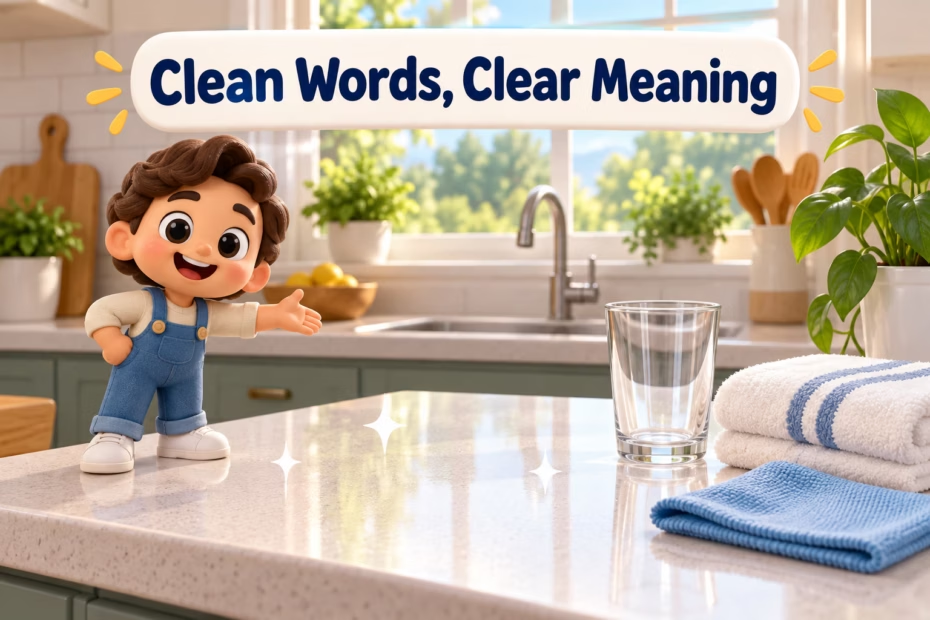
Adjectives for Clean: Words, Meanings & Examples
Adjectives for clean describe different evidence of cleanliness: spotless emphasizes no visible marks, tidy emphasizes order, and gleaming emphasizes reflected light. Choose the word that matches what a reader can observe, and reserve hygiene claims such as sanitary for contexts where they are supported.
- Visible dirt: clean, spotless, unsoiled
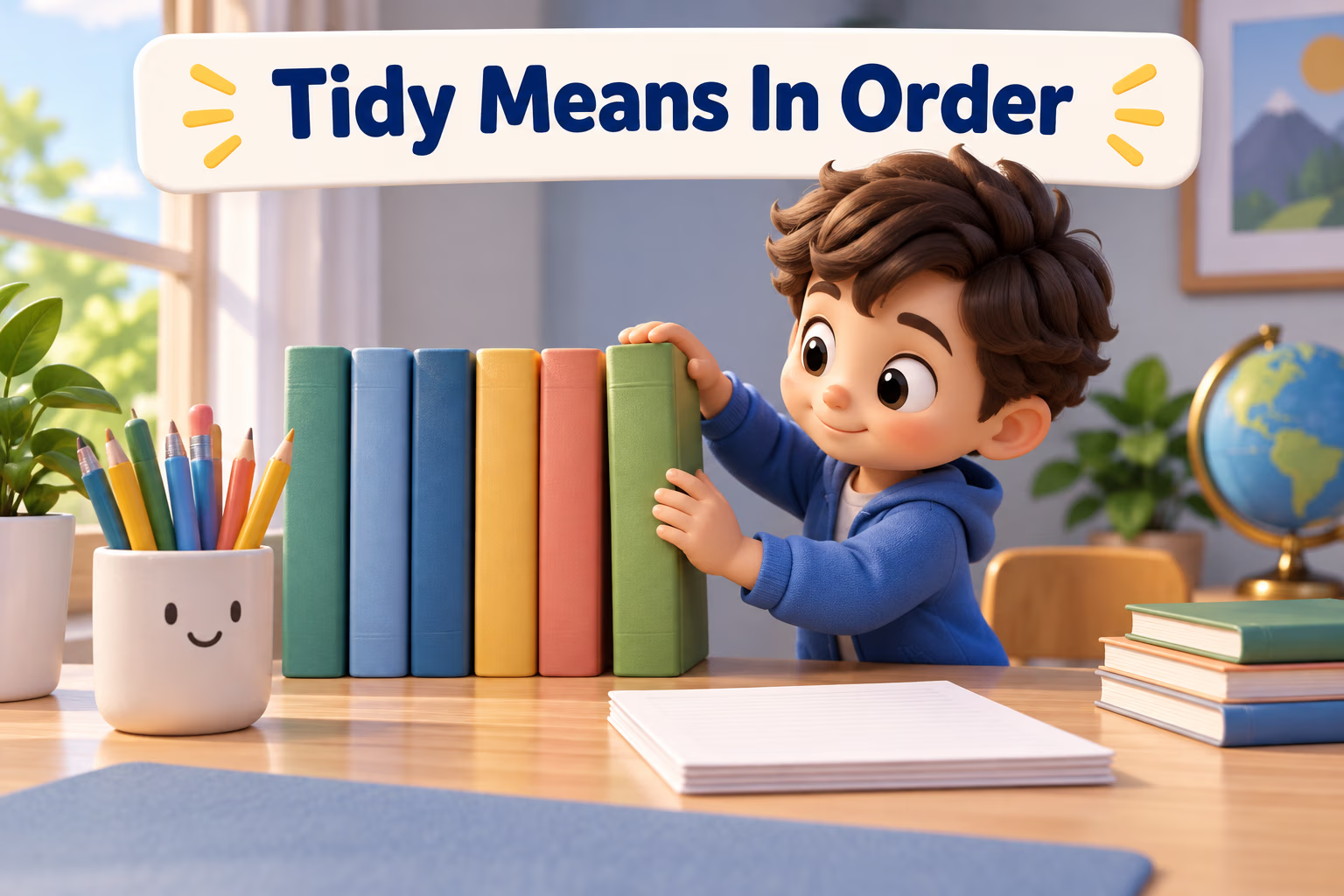
- Order: neat, tidy, organized
- Shine: gleaming, shining, polished
- Hygiene: sanitary, hygienic


How to choose an adjective for clean
Start with the detail you can support, then select the adjective that names it. A quick pattern is adjective + observable evidence: “The counter was spotless, with no crumbs or streaks,” or “The desk was tidy, with every folder in its place.”
| What you mean | Useful adjectives | Example |
|---|---|---|
| No visible dirt or marks | clean, spotless, unsoiled | The glass was spotless under the window light. |
| Order and arrangement | neat, tidy, organized | The neatly arranged tools were easy to find. |
| Brightness after polishing | gleaming, shining, polished | The polished brass handle caught the light. |
| Clean and apparently unused | pristine | The jacket remained in pristine condition. |
| Hygiene conditions | sanitary, hygienic | The kitchen follows hygienic food-handling procedures. |
Cambridge Dictionary’s vocabulary guidance distinguishes extremely clean spotless and immaculate from pristine, which can suggest an object looks unused, and gleaming, which emphasizes brightness. Those connotations make the words useful in different sentences rather than interchangeable synonyms (Cambridge Dictionary).
Note on the original list: The source text below is preserved unchanged. Its entries group together different ideas: neat and tidy describe order, while meticulous describes a person’s careful approach rather than cleanliness itself. Its definition of sanitary as free from germs is too absolute. Visible cleanliness does not establish that something has been sanitized or disinfected; use those terms only when supported by the relevant process and product directions.
When it comes to describing cleanliness, the right adjectives can make all the difference. Whether you’re talking about a spotless kitchen, a pristine bathroom, or a freshly laundered outfit, finding the perfect words to capture that sense of cleanliness can elevate your descriptions to a whole new level. In this article, I’ll be sharing a curated list of adjectives that you can use to describe cleanliness, along with examples to help you see them in action. From sparkling to immaculate, get ready to expand your vocabulary and bring your descriptions to life.
Cleanliness is not just about removing dirt and grime; it’s about creating an environment that feels refreshing and inviting. The right adjectives can help you convey that sense of cleanliness and make your descriptions more vivid and engaging. Whether you’re writing a product review, a travel blog, or simply want to enhance your everyday conversations, having a variety of adjectives for clean at your disposal can make a world of difference. So, let’s dive in and explore the world of descriptive words that will help you paint a picture of cleanliness like never before.
How to Describe clean? – Different Scenarios
Cleanliness can be described in a variety of ways, depending on the context and scenario. Here are some examples of how to describe clean in different situations:
- Home Cleaning
- Personal Hygiene
- Product Reviews
- Environmental
- Workplace
When describing cleanliness, it’s important to choose adjectives that accurately convey the level of cleanliness in each scenario. By using the appropriate words, you can effectively communicate cleanliness in a way that is clear and engaging.
Remember, the right adjectives can make a significant difference in painting a vivid image of cleanliness. Whether you’re writing a product review, a blog post, or simply having a conversation, having a varied vocabulary for describing clean enhances your descriptions and creates a more memorable experience for your readers.
Describing Words for clean in English
When it comes to describing cleanliness, choosing the right adjectives can make all the difference in effectively conveying the level of cleanliness in various situations. In this section, I’ll provide you with a list of describing words for clean that you can use to enhance your descriptions. Let’s dive in!
1. Spotless
- Definition: Completely free from dirt, stains, or any other impurities
- Example: The kitchen counter was spotless, shining in the sunlight.
2. Immaculate
- Definition: Perfectly clean and neat
- Example: Their house was immaculate, with everything in its proper place.
3. Pristine
- Definition: In a clean and untouched condition; unspoiled
- Example: The beach was pristine, with no litter in sight.
4. Meticulous
- Definition: Extremely thorough and precise in making sure things are clean and tidy
- Example: She was known for her meticulous cleaning routines.
5. Sanitary
- Definition: Free from germs and other microorganisms that can cause illness or disease
- Example: The hospital enforces strict sanitary measures to ensure a clean environment.
6. Neat
- Definition: Clean and orderly; free from clutter
- Example: The student’s desk was always neat and organized.
- Definition: Utterly clean, without a single blemish or mark
- Example: The car was washed and waxed to be spotlessly clean.
Remember, when describing cleanliness, it’s important to choose adjectives that accurately depict the level of cleanliness you’re trying to convey. Whether it’s describing a sparkling clean kitchen or a tidy classroom, these adjectives will help you create vivid images and enhance your descriptions.
Adjectives for clean
Positive Adjectives for Clean with 12 Example Sentences
When it comes to describing cleanliness, there are several positive adjectives that can help paint a vivid picture. Here are twelve examples of positive adjectives for clean, along with sentences to illustrate their usage:
| Adjective | Example Sentence |
|---|---|
| Spotless | The kitchen countertops were spotless after I cleaned them. |
| Immaculate | The hotel room was immaculate, not a speck of dust in sight. |
| Pristine | The new car had a pristine exterior, polished to perfection. |
| Meticulous | She was a meticulous housekeeper, leaving no corner untouched. |
| Sanitary | The hospital maintained a sanitary environment to prevent the spread of germs. |
| Neat | The teenager’s bedroom was surprisingly neat, with everything in its place. |
| Tidy | The living room was always tidy, thanks to her regular cleaning routine. |
| Clean-cut | The freshly cut grass gave the lawn a clean-cut appearance. |
| Shining | The silverware sparkled, thanks to the shining polish. |
| Gleaming | The bathroom tiles were gleaming after a thorough scrubbing. |
| Fresh | The linens smelled fresh and clean after being washed. |
| Well-kept | The well-kept garden was a testament to her green thumb. |
These positive adjectives can help convey a sense of cleanliness in various situations, from describing a spotless kitchen to a well-kept garden.
Negative Adjectives for Clean with 5 Example Sentences
While it is important to focus on positive adjectives when describing cleanliness, there are also negative adjectives that can be used to highlight the absence of cleanliness. Here are five examples of negative adjectives for clean, along with sentences to provide context:
| Adjective | Example Sentence |
|---|---|
| Dirty | The dirty dishes piled up in the sink, waiting to be washed. |
| Grimy | The windows were grimy and in need of a thorough cleaning. |
| Stained | The old carpet was stained and needed professional attention. |
| Messy | The children’s playroom was always messy, with toys scattered everywhere. |
| Cluttered | The desk was cluttered with papers, making it difficult to find anything. |
These negative adjectives serve to emphasize the lack of cleanliness in certain situations, whether it be dirty dishes in the sink or a cluttered desk.
By choosing the right adjectives to describe cleanliness, we can create vivid images and enhance descriptions. Whether it’s highlighting the pristine condition of a new car or the meticulousness of a housekeeper, the power of adjectives allows us to bring cleanliness to life.
Synonyms and Antonyms with Example Sentences
Synonyms for Clean
When describing cleanliness, there are several synonyms that can enhance your descriptions. Here are some words that you can use:
- Spotless: My bedroom was spotless after I spent hours cleaning and organizing it.
- Immaculate: The kitchen was immaculate, with every countertop gleaming and every dish put away.
- Pristine: The white sand on the beach was pristine, untouched by footprints or debris.
- Meticulous: She was known for her meticulous cleaning skills, ensuring every nook and cranny was free of dirt.
- Sanitary: The restaurant had strict sanitary protocols, ensuring that all surfaces were properly cleaned and disinfected.
- Neat: The student’s handwriting was always neat and tidy, making it a pleasure to read.
Antonyms for Clean
On the other hand, there are also words that describe the absence of cleanliness. These antonyms can help you create contrasting descriptions. Here are a few examples:
- Dirty: The muddy shoes left dirty footprints all over the freshly cleaned floor.
- Grimy: After a long day of playing outside, the children’s hands were grimy and covered in dirt.
- Stained: The spilled grape juice left a stubborn stain on the otherwise clean tablecloth.
- Messy: His desk was always messy, with papers and stationery scattered everywhere.
- Cluttered: The garage was cluttered with boxes and old furniture, making it difficult to move around.
Choosing the right adjectives is important when it comes to describing cleanliness. By using synonyms and antonyms effectively, you can paint a vivid picture and engage your readers. So whether you’re writing a story, describing a clean living space, or teaching vocabulary to young learners, consider using these adjectives to make your descriptions more interesting and impactful.
Conclusion
In this article, I have provided a comprehensive list of adjectives that can be used to describe cleanliness. From positive adjectives like spotless, immaculate, and pristine to negative adjectives like dirty, grimy, and stained, these words can help create vivid and engaging descriptions. I have also included example sentences to demonstrate how these adjectives can be used in context.
Choosing the right adjectives is crucial when it comes to describing cleanliness. By using descriptive words effectively, we can paint a clear picture in the reader’s mind and make our descriptions more impactful. Synonyms and antonyms can also be employed to create contrasting descriptions and add depth to our writing.
By incorporating these adjectives into our descriptions, we can make them more interesting and captivating. Whether we are writing about a sparkling clean kitchen or a messy room that needs tidying up, the right adjectives can make all the difference.
So, the next time you want to describe cleanliness, remember to choose your adjectives wisely. Use this list as a reference and let your descriptions shine with vivid and engaging language.
Clean, tidy, spotless, and pristine: what is the difference?
Clean is the broad choice for something free from dirt or unwanted marks. Cambridge defines tidy as having things ordered and arranged in the right place, so a tidy desk may still need dusting. Spotless makes a stronger claim about visible marks; immaculate can suggest both exceptional cleanliness and careful order. Pristine often adds the idea that something looks untouched or unused. (Cambridge Dictionary: tidy; Cambridge Dictionary: words for clean and dirty.)
- “The room was clean” gives a general result.
- “The room was tidy” tells readers that objects were put in order.
- “The mirror was spotless” highlights the absence of visible marks.
- “The guest room was immaculate” suggests exceptional cleanliness and neatness.
- “The shoes were pristine” suggests they looked new or untouched.
Do clean and sanitary mean the same thing?
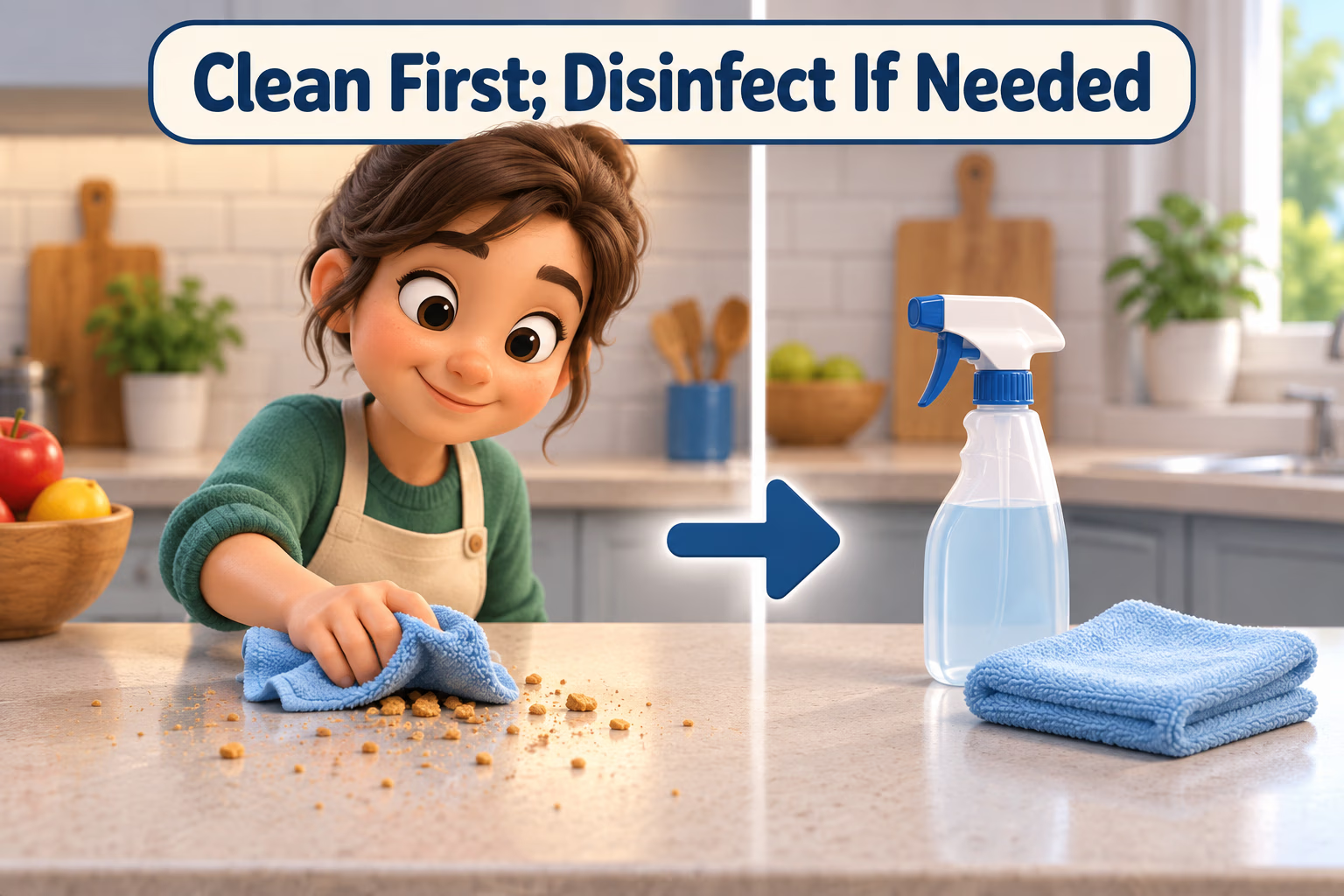
No. Clean usually describes the removal of dirt or impurities; sanitary and hygienic point to conditions related to health and hygiene. The U.S. CDC distinguishes cleaning, sanitizing, and disinfecting: cleaning removes dirt, germs, and impurities; sanitizing reduces germs to levels considered safe by public-health standards; and disinfectants are intended to kill specified germs when used as directed. A surface that looks spotless is not thereby proven disinfected.
For ordinary descriptions, say what you observed: “The counter was clean and dry.” For a hygiene or product claim, follow the relevant procedure and product label. The CDC advises cleaning first because dirt can interfere with sanitizing or disinfecting; the U.S. EPA says to follow registered product claims and label directions, including contact time. Clean the surface according to the applicable instructions to remove visible soil first, then use a disinfectant as its label directs. CDC cleaning and disinfecting guidance; EPA definitions for cleaning, sanitizing, and disinfecting.
How do I describe different kinds of dirt?
Choose a negative adjective that names the problem instead of using unclean for every situation. Grimy suggests a layer of dirt; stained identifies a mark left on material; messy and cluttered describe disorder or too many objects. This distinction helps a reader understand what needs attention.
- grimy: “The window frame was grimy along the lower edge.”
- stained: “A stained napkin needed laundering.”
- messy: “The craft table was messy after the project.”
- cluttered: “A cluttered shelf made the labels hard to see.”
- dingy: “The dim, dingy hallway needed brighter paint and a thorough clean.”
Frequently asked questions about adjectives for clean
What is a stronger word for clean?
Spotless emphasizes the absence of visible dirt or marks. Immaculate can suggest a place or object is exceptionally clean and orderly, while pristine often suggests an unused or untouched condition. Pick the word that describes the evidence rather than choosing the strongest-sounding word automatically.
Is tidy the same as clean?
No. Tidy means arranged neatly or kept in order. A tidy room may still be dusty, while a clean room may have objects scattered around. Use both when both facts matter: “The clean, tidy kitchen had wiped counters and utensils stored in their places.”
Does spotless mean germ-free?
No. Spotless describes the absence of visible marks. It does not verify that a surface is free of microorganisms or has been disinfected. If a hygiene result matters, follow the applicable procedure and product label instead of inferring it from appearance.
When should I use sanitary instead of clean?
Use sanitary when the sentence concerns hygienic conditions, such as a sanitary facility or sanitary food-preparation practice. For a surface that simply has no visible dirt, clean or spotless is more precise. Do not use sanitary as a substitute for a verified safety or disinfection claim.
Sources and further reading
Cambridge Dictionary: words for clean and dirty; U.S. CDC: Cleaning and Disinfecting; U.S. EPA: Cleaning, sanitizing, and disinfecting.


