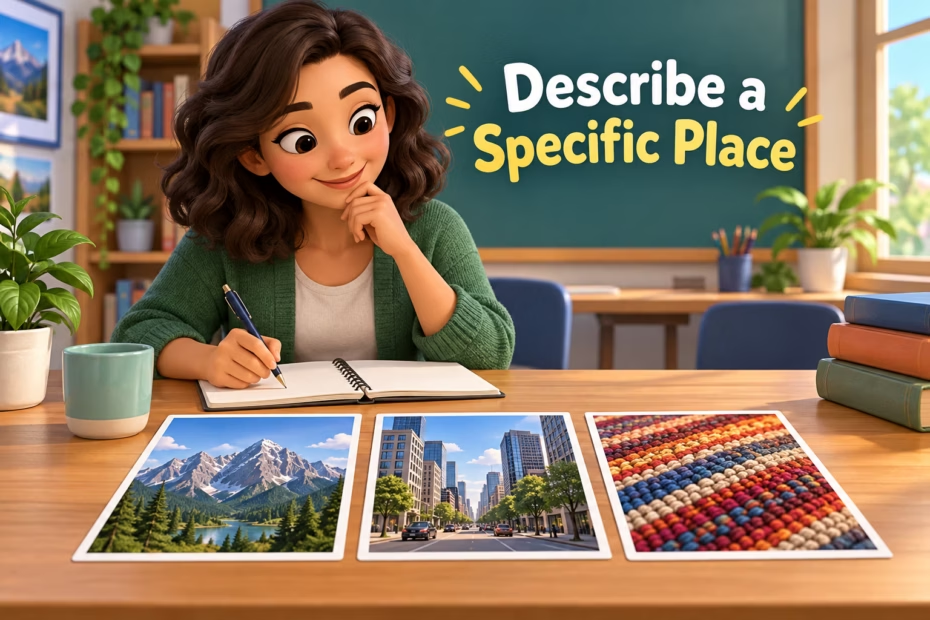
Adjectives for India: Specific Words and Examples
Adjectives for India work best when they describe a named place, landscape, event, artwork, or other subject. Indian is the demonym for a person from India and an adjective meaning related to India or its people; a word such as vibrant should describe a specific scene or tradition rather than imply that every person or region shares one trait.
India is a proper country name, not a quality with synonyms or antonyms. Precise descriptions identify what the adjective modifies: a Himalayan landscape can be mountainous, a market can be bustling, and a particular textile can be intricately patterned.
At a Glance
- Indian can refer to a person from India or describe something related to India or its people.
- Adjectives describe particular places, events, objects, or experiences; they are not synonyms for the country name.
- Country names do not have direct antonyms; conditions such as crowding or pollution must be tied to a specific place and time.
- The Census of India language figures quoted below refer to the 2011 report and its stated reporting threshold.
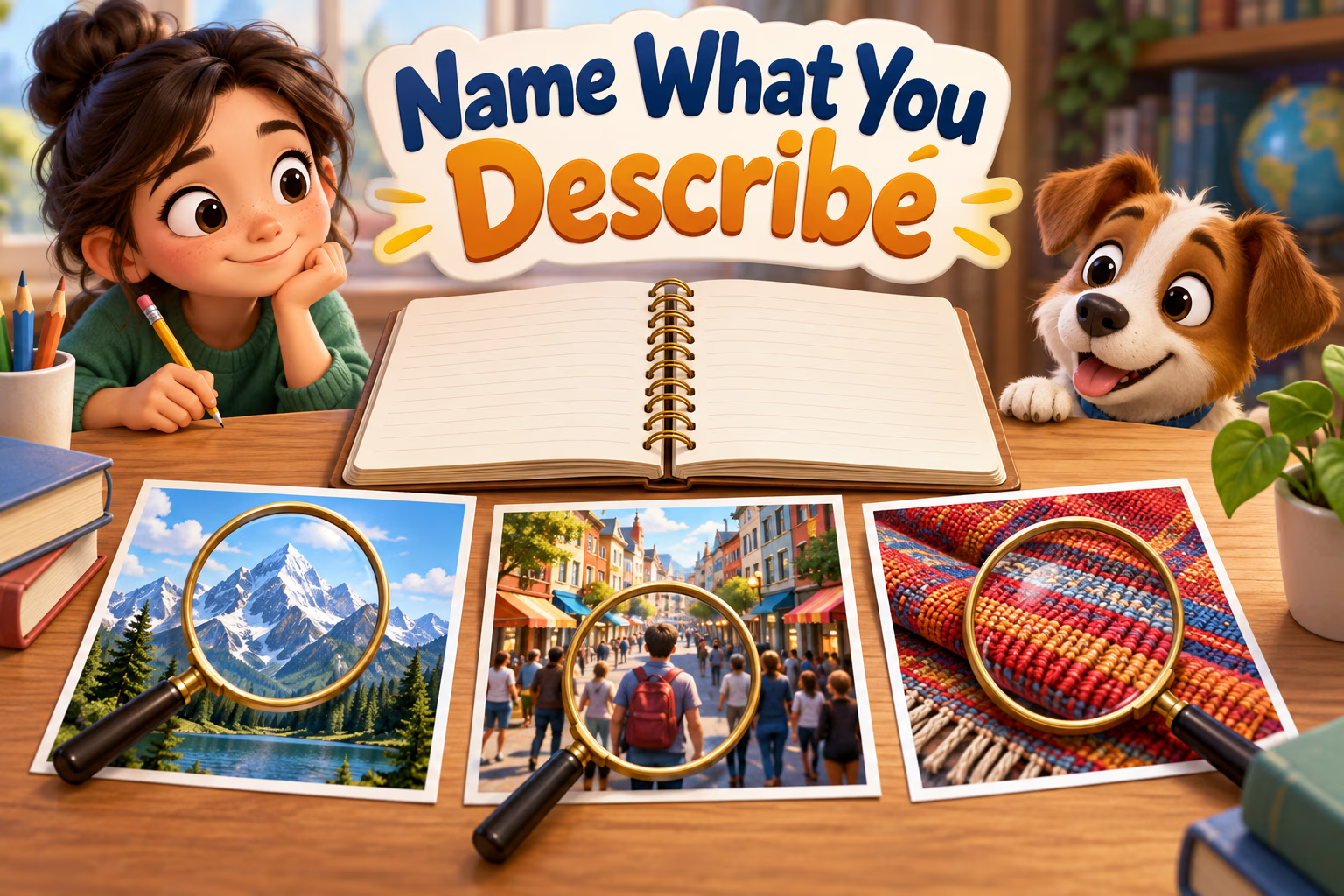
How to choose adjectives for India
Name the subject and the evidence for the description. The adjective should fit the specific location, event, object, or experience rather than stand in for a judgment about an entire country or its people.
| Subject | Possible adjective | Specific example |
|---|---|---|
| A named landscape | mountainous, coastal, arid | The mountainous Himalayan region rises north of the Indo-Gangetic plain. |
| A city or public place | bustling, crowded | The station was crowded during the evening commute. |
| A named artwork or design | intricate, geometric | The museum displayed an intricately patterned textile from a named region. |
| A specific event or experience | colorful, lively, memorable | The neighborhood’s colorful festival procession filled the main street. |
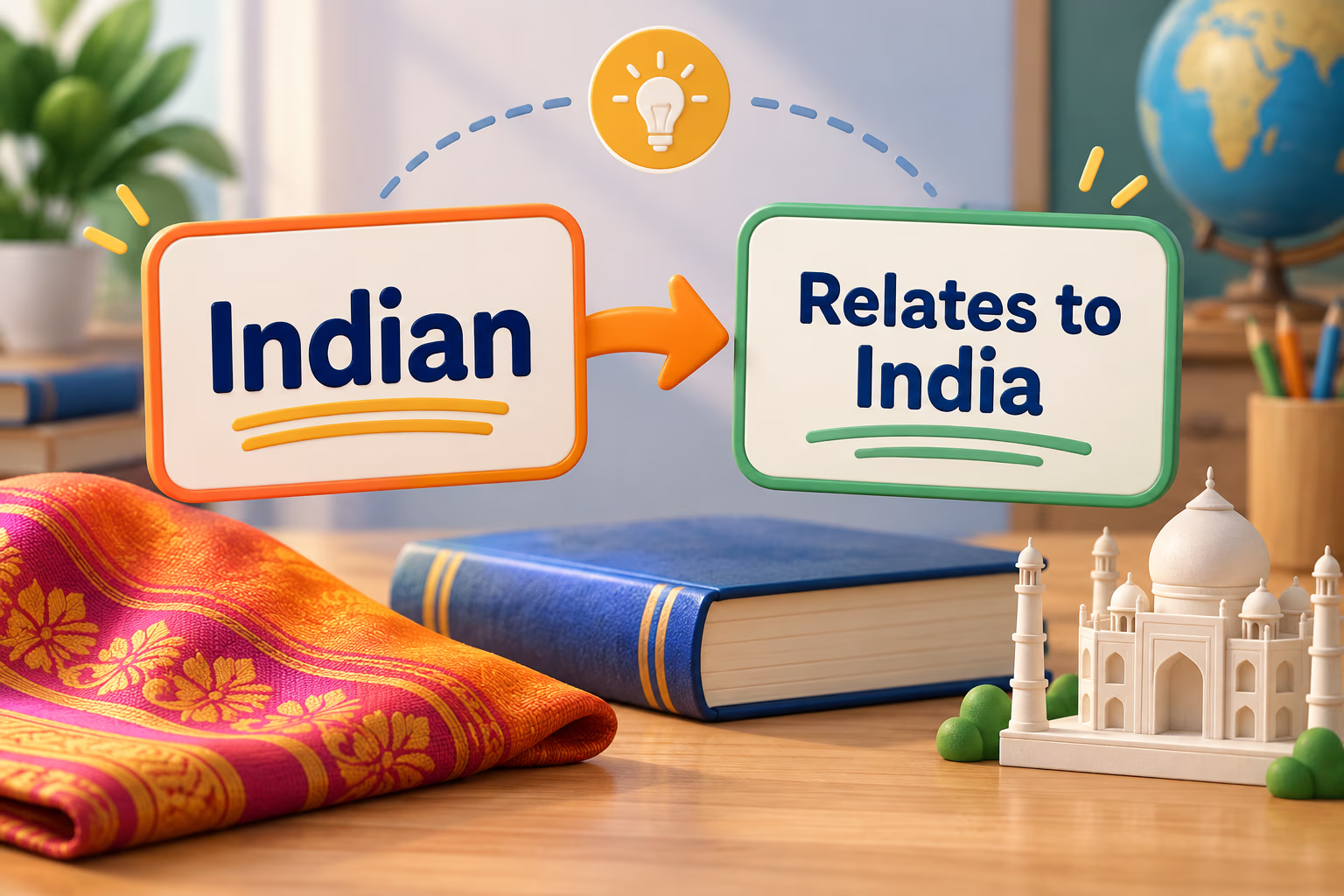
Indian can describe something belonging to or relating to India or its people, and it can be a noun for a person from India. Cambridge Dictionary distinguishes this India-related use. Because the same word also has a separate North American history and usage, make the intended national or regional reference explicit when context could be unclear.
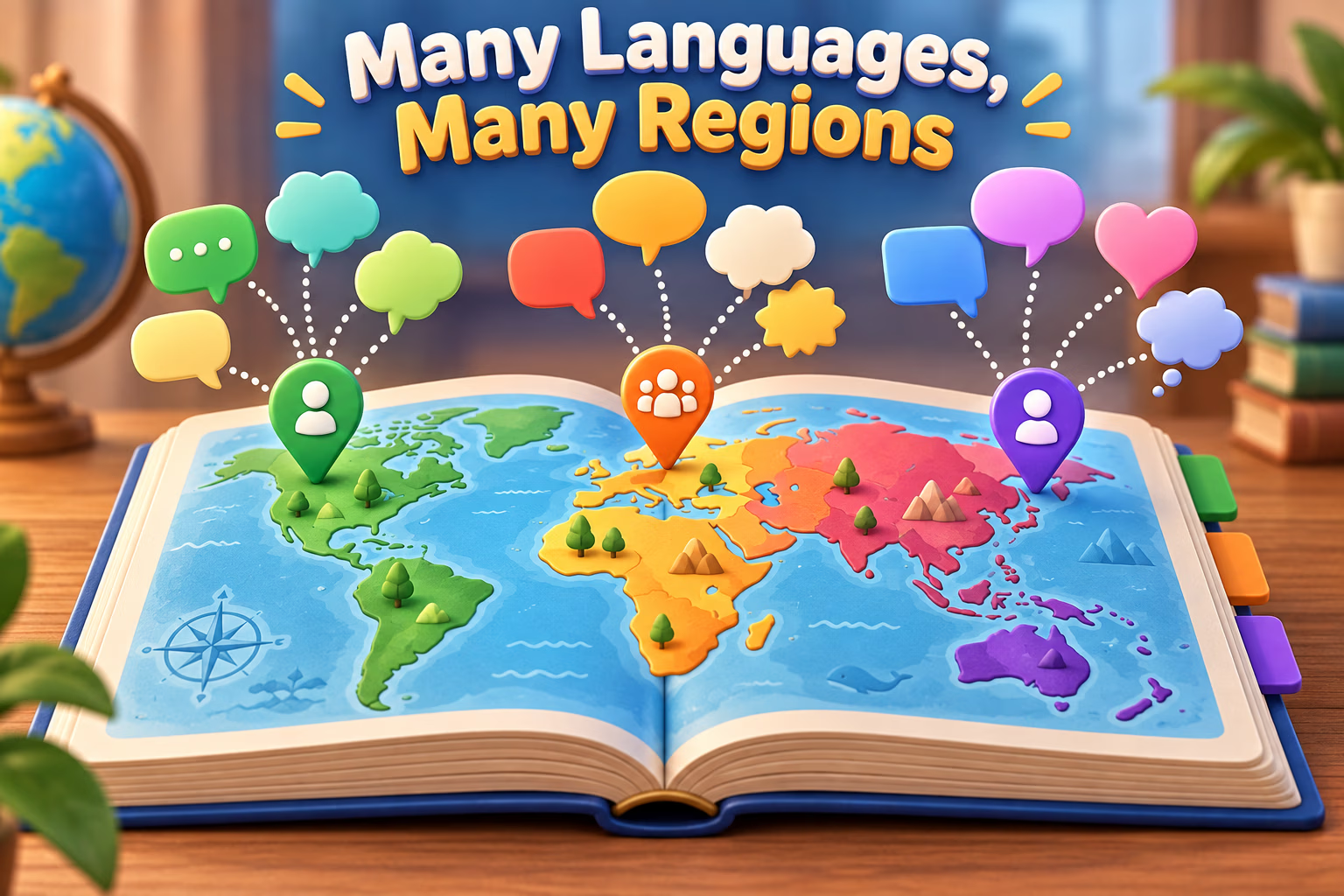
India is multilingual. The 2011 Census of India reports 121 languages and 270 mother tongues with at least 10,000 speakers, while the Constitution’s Eighth Schedule specifies 22 languages. These figures describe the 2011 census classification and scheduled-language list; they do not mean that India has only 22 languages.
Words such as spiritual, exotic, or chaotic can carry a broad outsider judgment when applied to a whole country. If they are relevant, name the specific place, practice, or observed condition and explain what the word describes.
Original adjectives for India examples and lists
How to read the preserved examples: They are retained as language examples, not verified descriptions of every person or region. Broad labels such as “spiritual,” “vibrant,” or “spicy” need a specific subject and context. The original “synonyms” and “antonyms” headings also contain category errors, explained after the source text.
India, a land of vibrant colors, rich traditions, and diverse cultures, is a country that captivates the hearts and minds of millions. From the breathtaking landscapes of the Himalayas to the bustling streets of Mumbai, India offers a tapestry of experiences that are as diverse as they are enchanting. In this article, I’ll take you on a journey through the adjectives that best describe this incredible nation, providing you with examples that showcase the essence of India’s beauty, charm, and uniqueness.
When we think of India, the word “magnificent” comes to mind. With its majestic palaces, ancient temples, and awe-inspiring monuments, India truly exudes grandeur. Take, for instance, the Taj Mahal, a symbol of eternal love and one of the Seven Wonders of the World. Its exquisite architecture and intricate details leave visitors in awe, making it a perfect example of India’s magnificence.
Another adjective that perfectly encapsulates India is “vibrant.” From its bustling markets filled with colorful textiles and spices to its lively festivals that celebrate the joy of life, India is a country that never fails to dazzle and excite. The Holi festival, also known as the Festival of Colors, is a prime example of India’s vibrancy. During this lively celebration, people throw vibrant powders at each other, creating a kaleidoscope of hues that symbolize the triumph of good over evil.
In this article, I’ll delve deeper into these adjectives and many others, providing you with a comprehensive list of words that will help you paint a vivid picture of India. So, join me as we explore the adjectives that best describe this incredible nation and discover the beauty that lies within its borders.
How to Describe india? – Different Scenarios
When it comes to describing India, there are various scenarios that can be used. Let me take you through a few of them:
1. Geographical Description
India, with its diverse landscapes and geographical features, can be described using adjectives that capture its natural beauty. Here are some examples:
- Majestic: India is home to majestic mountains like the Himalayas and the stunning landscapes of Kerala’s backwaters.
- Exquisite: The country boasts exquisite beaches in Goa and the serene beauty of the Andaman Islands.
- Lush: The greenery of the Western Ghats and the tea plantations of Darjeeling create a lush environment that is truly captivating.
2. Cultural Description
India’s rich cultural heritage and traditions make it a fascinating country to describe. Here are some adjectives that can be used:
- Vibrant: India is a vibrant nation, with its bustling markets, colorful textiles, and lively festivals like Holi.
- Intricate: The intricate architecture of ancient temples, such as Meenakshi Temple in Madurai, showcases India’s rich cultural history.
- Spiritual: From the holy city of Varanasi to the tranquil shores of the Ganges River, India is a spiritual land that leaves a profound impact on visitors.
3. Historical Description
India’s history is abundant with tales of valor and grandeur. Here are some adjectives that can be used to describe its historical significance:
- Timeless: The Taj Mahal, a timeless masterpiece, stands as a symbol of love and architectural brilliance.
- Imposing: The magnificent palaces of Rajasthan, like the Amber Fort, leave visitors in awe of their grandeur.
- Enigmatic: The ancient ruins of Hampi and the intricate cave temples of Ellora are enigmatic monuments that fascinate history enthusiasts.
- Spicy: Indian cuisine is known for its bold and spicy flavors, with dishes like biryani and vindaloo gaining popularity worldwide.
- Delectable: The wide range of street food options, like samosas and chaats, offer a delectable culinary experience.
- Varied: From the rich
Describing Words for india in English
India is a country full of rich cultural diversity and breathtaking landscapes. Let me share with you some adjectives that can be used to describe India’s beauty and uniqueness.
Geographical Features:
When it comes to describing India’s geographical features, majestic mountains, lush landscapes, and vibrant coastlines come to mind. The country is home to the mighty Himalayas, which are dotted with snow-capped peaks and offer panoramic views. From the tea plantations in Darjeeling to the backwaters of Kerala, India’s landscapes are diverse and captivating.
Cultural Heritage:
India’s cultural heritage is world-renowned, and it can be beautifully described using adjectives such as colorful, ancient, and enchanting. The country is a melting pot of traditions, festivals, and art forms that have been passed down through generations. From the intricate designs of mehndi (henna) to the vibrant celebrations of Diwali, India’s cultural experiences are truly captivating.
Historical Significance:
India is a land steeped in history, and adjectives like historic, symbolic, and architecturally stunning capture its essence. The country is home to ancient forts, palaces, and temples that bear testament to its rich past. The Taj Mahal, a UNESCO World Heritage Site, stands as a testament to the eternal love of Emperor Shah Jahan for his wife, Mumtaz Mahal.
Cuisine:
No discussion about India is complete without mentioning its tantalizing cuisine. Indian food is known for its bold flavors, spicy delights, and mouthwatering aromas. From the diverse range of curries to the crispy dosas and aromatic biryanis, Indian cuisine offers a culinary adventure for the taste buds.
In Summary:
India is a country that can be described using a wide range of adjectives, from the majestic mountains to the vibrant cultural experiences. Its geographical features, cultural heritage, historical significance, and mouthwatering cuisine make it a truly unique and fascinating destination.
Remember, teaching kids about different countries and cultures can be a fun and educational experience. Use these adjectives in your lessons to help children develop their vocabulary and appreciation for the world around them. Let’s embark on a journey to discover the beauty and diversity of India together.
Adjectives for india
India is a country of extraordinary beauty and rich cultural heritage. Let’s explore some adjectives that can be used to describe this fascinating land.
Positive Adjectives for India
India is an enchanting country that captivates visitors from around the world. Here are some positive adjectives that capture the essence of India:
- Vibrant: India’s colors, festivals, and traditions create a vibrant atmosphere that is truly mesmerizing.
- Majestic: The majestic mountains of the Himalayas provide a breathtaking backdrop to India’s diverse landscapes.
- Lush: From the lush green valleys of South India to the dense forests of the Northeast, India’s landscapes are a sight to behold.
- Exotic: India’s exotic wildlife, such as tigers, elephants, and peacocks, adds to its allure.
- Spiritual: India is known for its spiritual traditions and is home to many sacred sites.
- Ancient: India’s rich history dates back thousands of years, making it a treasure trove of ancient civilizations.
- Intricate: India’s art and craftsmanship showcase intricate designs and meticulous attention to detail.
- Long-standing: India’s cultural traditions and customs have been passed down for generations, creating a sense of a long-standing heritage.
- Flavorful: Indian cuisine is famous for its bold and flavorful spices that excite the taste buds.
- Welcoming: The warm hospitality of the Indian people makes visitors feel welcomed and embraced.
- Melodic: India’s diverse music and dance forms, such as classical Indian music and traditional dances, create a melodic experience for all.
- Fascinating: India’s unique blend of history, culture, and traditions offers a fascinating glimpse into a world unlike any other.
Negative Adjectives for India
While India has much to offer, it’s important to acknowledge that no country is perfect. Here are some negative adjectives that can be used to describe certain aspects of India:
- Overcrowded: India’s bustling cities can often be overcrowded, especially during peak hours.
- Chaotic: The fast pace and chaotic traffic in Indian cities can be overwhelming for some.
- Polluted: India faces challenges related to pollution in some urban areas.
- Poverty-stricken: Despite progress, poverty is still an issue in certain parts of India.
- Inequitable: India, like many countries, faces challenges related to social and economic inequality.
It’s important to note that these negative aspects do not diminish the beauty and cultural richness of India. They simply highlight some of the issues faced by the country as it continues to grow and develop.
Teaching children about different countries and cultures can be a fun and enriching experience. By using these descriptive adjectives, we can help them appreciate the diversity and complexity of India, while also fostering a sense of curiosity and understanding.
Remember, learning about different countries and cultures allows us to broaden our perspectives and embrace the beauty of our diverse world.
Synonyms and Antonyms with Example Sentences
Synonyms for India
When it comes to describing India, there are numerous adjectives that can capture the essence of this incredible country. Here are some synonyms that can be used to paint a vivid picture of India’s beauty, culture, and history:
- Enchanting: India is truly enchanting with its vibrant festivals and diverse landscapes.
- Majestic: The country boasts majestic mountains and captivating historical monuments.
- Bustling: From its bustling cities to its lively markets, India is a place of constant energy.
- Vibrant: India’s colorful traditions, lively dances, and vibrant art make it stand out.
- Exotic: The rich flavors of Indian cuisine and the exotic spices used in its dishes create a sensory experience like no other.
- Timeless: India’s long history and ancient traditions give it a timeless charm.
- Intriguing: The cultural tapestry of India is filled with intriguing stories and traditions.
- Breathtaking: The natural beauty of India’s landscapes, from the Himalayas to its pristine beaches, is truly breathtaking.
Antonyms for India
While India is undoubtedly a remarkable country, it is important to also acknowledge that it faces certain challenges. Here are some antonyms that can provide a balanced perspective:
- Crowded: India’s population density can sometimes make it feel crowded.
- Polluted: Rapid urbanization has led to environmental challenges, including pollution.
- Poverty: Despite its beauty and cultural richness, poverty remains a concern in certain areas.
Example Sentences:
- The enchanting beauty of India’s Taj Mahal leaves visitors speechless.
- The majestic peaks of the Himalayas are a sight to behold.
- Walking through the bustling streets of Mumbai is an experience like no other.
- The vibrant colors of Holi, the festival of colors, fill the air with joy and excitement.
- Indian cuisine is known for its exotic flavors and aromatic spices.
- The timeless traditions of Diwali have been celebrated for centuries.
- Indian history is intriguing, with tales of mighty kingdoms and heroic figures.
- The breathtaking beauty of Kerala’s backwaters is a must-see for any traveler.
It is important to note that while India does face challenges such as overpopulation, pollution, and poverty, these antonyms do not diminish the cultural richness and unique beauty of this incredible country.
Conclusion
In this article, I have explored the various adjectives that can be used to describe the beauty and uniqueness of India. From its breathtaking geographical features to its rich cultural heritage, India offers a plethora of descriptive possibilities. Through the use of synonyms and antonyms, I have provided a comprehensive list of adjectives that capture the essence of this diverse country.
By showcasing example sentences, I have highlighted the different aspects of India that can be described using these adjectives. While acknowledging the challenges that India faces, such as overcrowding, pollution, and poverty, it is important to remember that these do not diminish the cultural richness and unique beauty of the country.
I encourage you to use these adjectives and examples to help children appreciate the diversity and complexity of India. By fostering a sense of curiosity and understanding, we can contribute to a greater appreciation of this remarkable nation.
So, whether you are describing India’s vibrant festivals, ancient temples, or stunning landscapes, these adjectives will help you paint a vivid picture of this extraordinary country. Embrace the power of words and let them transport you to the magical land of India.
Are the adjectives in the original list synonyms of India?
No. Words such as enchanting, majestic, bustling, and vibrant are adjectives used to describe a place, event, or experience; they are not synonyms for the country’s proper name. Name what the adjective describes—for example, “a bustling market in Jaipur”—rather than applying the word to all of India.
Does India have antonyms?
No. A country name does not have a direct antonym. The source’s “antonyms” such as crowded and polluted describe conditions, while poverty is a noun; these are not opposites of India. If a negative description is needed, specify the place, timeframe, evidence, and condition rather than labeling a whole country.
Likewise, overcrowded or polluted may accurately describe a particular location or measurement, but they should not be presented as defining characteristics of a diverse country. Broad positive labels can overgeneralize too. A useful test is to ask: what exact object, location, event, or data point makes this adjective accurate?
Use India’s regional and linguistic diversity precisely
India’s official 2011 census language tables group 121 languages and 270 mother tongues with 10,000 or more speakers, and separately list the 22 languages in the Constitution’s Eighth Schedule. The census report is a dated statistical source, not a count of every language or present-day speaker; use its scope when quoting the numbers. Its detail helps explain why “Indian language” can be too broad when a specific language is known.
Choose more exact phrases such as “a Tamil-language novel,” “a coastal village in Kerala,” or “a crowded market at noon.” These describe an identifiable language, location, or moment instead of implying that one adjective applies uniformly across India.
Sources and further reading
Cambridge Dictionary: Indian; Census of India 2011: Abstract of Speakers’ Strength of Languages and Mother Tongues; Census of India 2011: Language (Paper 1 of 2018).