Adjectives for pink by shade and effect
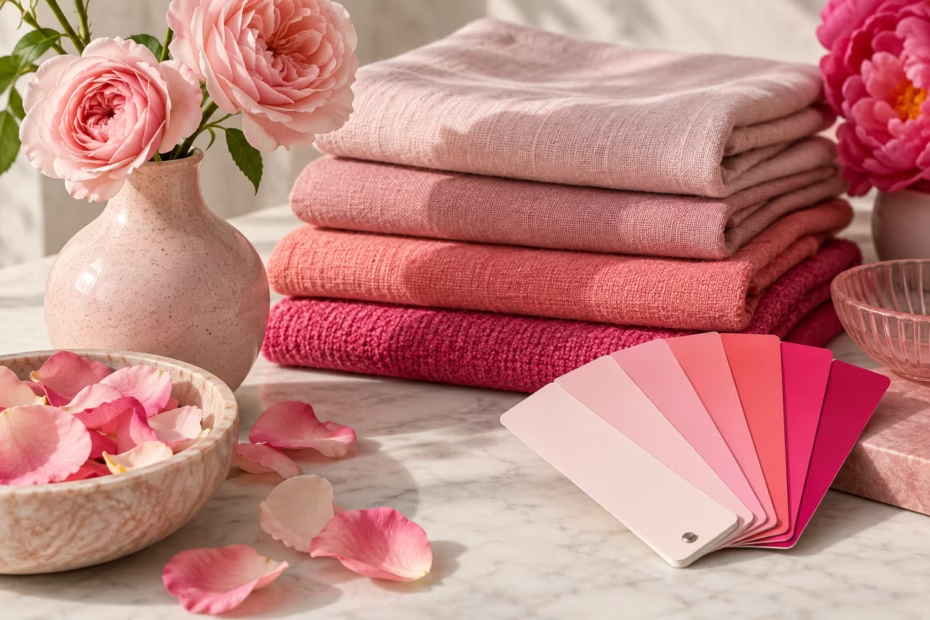
Pink can be described by its lightness, intensity, warmth, or undertone. Use pale, soft, or powdery for lighter pinks; bright, vivid, or electric for saturated pinks; and muted, dusty, or smoky for less saturated shades. The best adjective tells a reader what the color looks like in the specific setting.
| Adjective | Meaning for a pink shade | Example |
|---|---|---|
| blush | Very pale, soft pink | A blush ribbon gave the bouquet a subtle accent. |
| rose | A flower-inspired pink, often medium or deep | The rose glaze looked warmer beside the white plate. |
| powdery | Pale and soft in appearance | Powdery pink curtains filtered the morning light. |
| dusty | Muted, often slightly grayish | The dusty pink coat paired easily with neutral colors. |
| rosy | Pink or rose-colored, sometimes with a warm cast | A rosy wash of paint softened the room. |
| coral | Pink-orange or orange-leaning pink | Coral flowers added a warm note to the display. |
| salmon | A pink-orange shade | Salmon fabric looked warmer than the rose swatch. |
| fuchsia | Strong, vivid pink-purple | The fuchsia sign stood out against the pale wall. |
| hot | Informal word for very bright, saturated pink | Hot pink lettering was easy to spot from across the room. |
| muted | Less intense than a vivid shade | Muted pink paint made a quieter background. |
| sheer | Light or translucent in a material, not a fixed hue | The sheer pink scarf let the pattern beneath show through. |
| iridescent | Appearing to shift color as the viewing angle changes | The iridescent pink shell flashed green in the sun. |
Pink color names and exact digital values
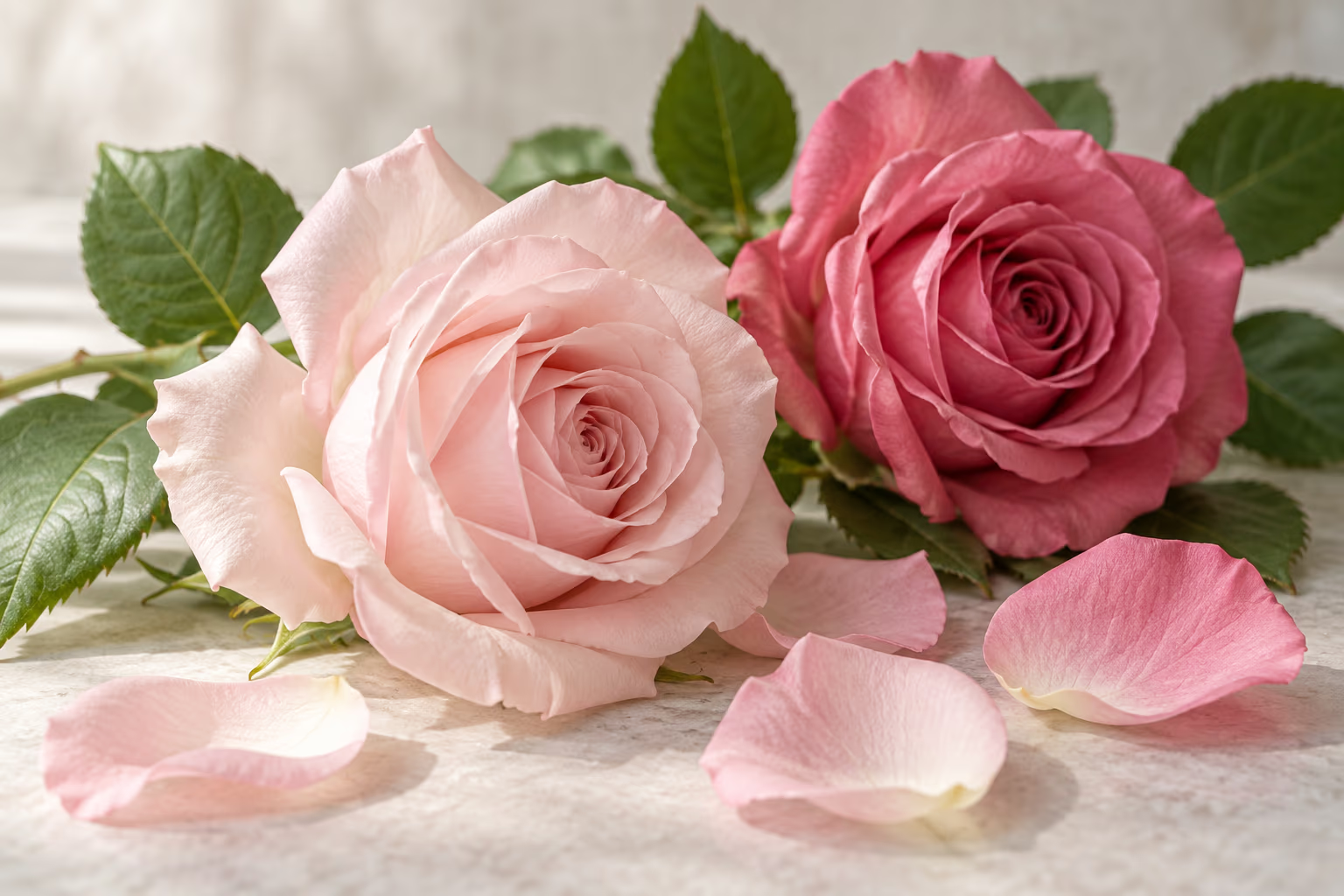
Color names are useful in prose, but names such as rose or blush do not specify one universal digital value. For web design, the W3C CSS Color specification assigns exact sRGB values to named colors. These examples use those CSS values, so they are repeatable on the web:
| CSS color name | Hex value | Plain-language description |
|---|---|---|
| lavenderblush | #FFF0F5 |
Very pale, cool pink |
| lightpink | #FFB6C1 |
Light pink |
| pink | #FFC0CB |
Standard named pink |
| hotpink | #FF69B4 |
Bright, saturated pink |
| deeppink | #FF1493 |
Deep, vivid pink |
| palevioletred | #DB7093 |
Muted pink-red |
| mediumvioletred | #C71585 |
Deep pink-purple |
| fuchsia | #FF00FF |
Bright purple-pink |
| magenta | #FF00FF |
Same CSS value as fuchsia |
| coral | #FF7F50 |
Orange-leaning pink |
| lightcoral | #F08080 |
Muted coral pink |
| salmon | #FA8072 |
Warm pink-orange |
These are standardized CSS keyword values, not universal definitions of how people use names such as “dusty rose” in paint, fabric, or cosmetics. Displays and printed materials can also reproduce color differently.
How to choose a precise pink adjective
- For lightness: pale, light, powdery, or deep.
- For intensity: muted, vivid, bright, or saturated.
- For undertone: cool, warm, coral, or violet-leaning.
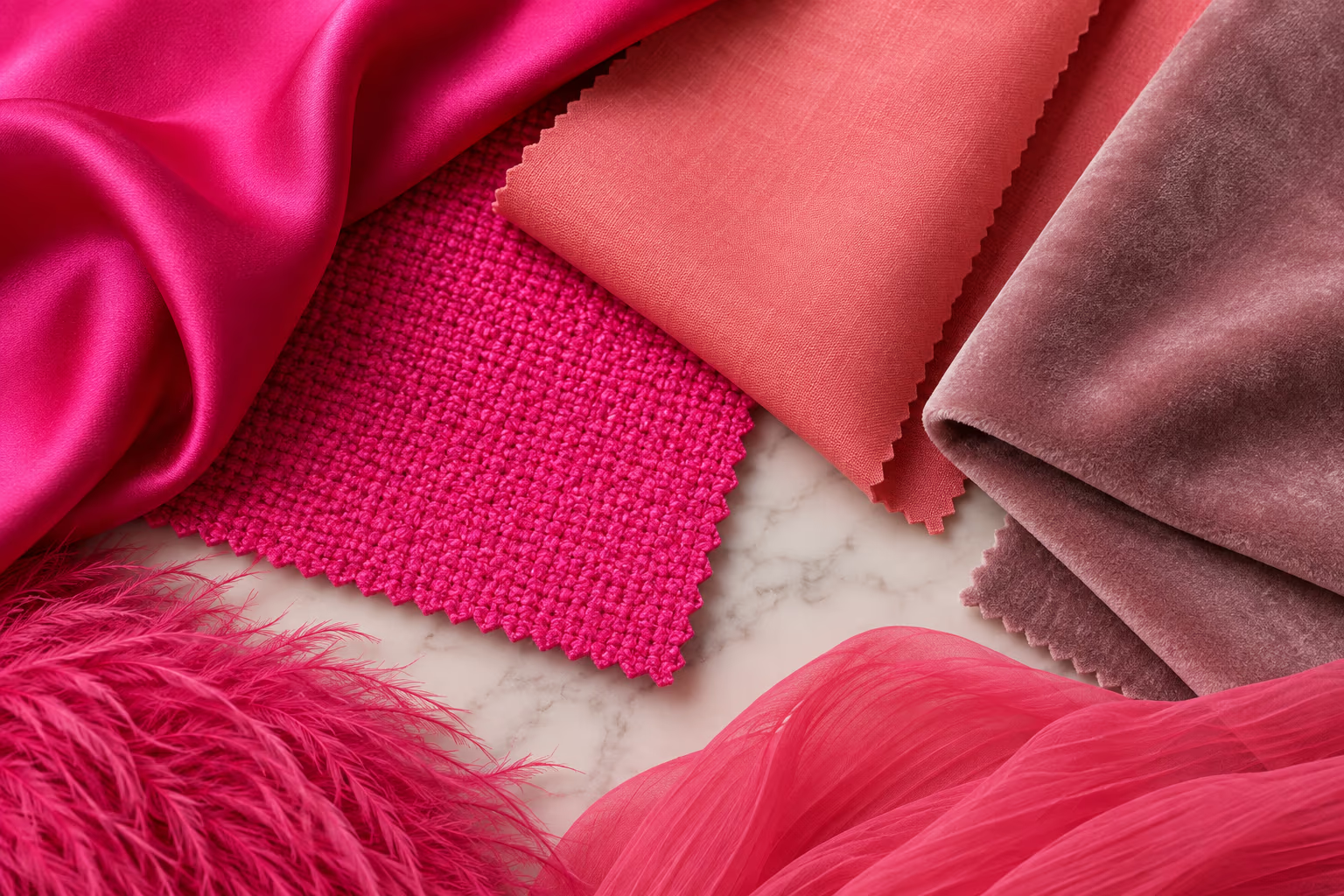
- For texture or finish: matte, glossy, sheer, or iridescent.
Pair two clues when useful: “a muted, dusty rose wall,” “a vivid, cool fuchsia scarf,” or “a pale, warm blush ribbon.” Keep subjective judgments separate from color description. Chic, playful, and sophisticated describe an impression or style; they are not properties every pink object shares. Words such as feminine or childish reflect a writer’s or audience’s interpretation, so use them only when that viewpoint matters.
Are other colors antonyms of pink?
Black, brown, gray, blue, green, and purple are different colors, but they are not antonyms of pink in the way cold is an antonym of hot. For a color contrast, describe the relationship you mean: “pink against deep green,” “a cool blue beside warm pink,” or “light blush next to dark charcoal.” The color wheel and the exact hues chosen determine whether colors contrast, harmonize, or appear complementary; the broad names alone do not guarantee one relationship.
Using pink in accessible design
When color carries information in a chart, form, or interface, pair it with text, a symbol, a pattern, or another visual cue. The W3C Web Accessibility Initiative explains that color should not be the only visual way to identify information, actions, or states, since people may perceive colors differently. Check foreground and background contrast as well, especially for text on pale pink.
Frequently asked questions
What adjectives describe pale pink?
Try pale, light, blush, powdery, delicate, or muted. Add a warm or cool undertone when it helps distinguish the shade.
What is a more precise word than pink?
Use a shade name such as blush, rose, dusty rose, coral, salmon, fuchsia, or hot pink, then qualify its lightness or intensity if needed.
Are magenta and fuchsia different colors in CSS?
They are separate CSS names for the same sRGB value, #FF00FF. In other fields, the words can be used less consistently.
Is pink always a soft or feminine color?
No. Pink ranges from pale to highly saturated and from orange-leaning to purple-leaning. Impressions such as “soft” or “feminine” depend on the context and point of view.
How can I describe pink in a painting or outfit?
Name the shade, intensity, and undertone—for example, “a muted coral pink” or “a vivid cool fuchsia jacket.”
Sources: W3C, CSS Color Module Level 3 (named sRGB values); W3C WAI, Understanding Success Criterion 1.4.1: Use of Color.
Original adjective examples and shade lists
Pink is a color that evokes feelings of sweetness, femininity, and playfulness. It’s a shade that can be found in nature, fashion, and even in our own homes. In this article, I’ll be sharing a list of adjectives that perfectly capture the essence of pink, along with examples to help you visualize how these words can be used.
How to Describe pink? – Different Scenarios
When it comes to describing the color pink, there are a variety of adjectives that can be used to capture its unique qualities. Let’s explore how we can describe pink in different scenarios:
1. Nature:
Pink is a color that can often be found in nature, adding a touch of beauty to the world around us. Here are some adjectives to describe pink in nature:
- Soft: The delicate petals of a pink rose are soft and velvety to the touch.
- Delicate: The wings of a butterfly can feature delicate shades of pink, catching the sunlight as they flutter by.
- Vibrant: Pink flowers, like the blooming cherry blossoms, add a vibrant splash of color to a springtime garden.
2. Fashion:
Pink is a popular color in the world of fashion, often associated with femininity and elegance. Here are some adjectives to describe pink in the context of fashion:
- Chic: A stylish pink dress can make a fashion statement at a formal event.
- Playful: A pair of pink sneakers can add a playful touch to a casual outfit.
- Sophisticated: A blush pink blazer can add a touch of sophistication to a professional ensemble.
3. Home Decor:
Pink can also be incorporated into home decor to create a warm and inviting atmosphere. Here are some adjectives to describe pink in the realm of home decor:
- Cozy: A soft pink throw blanket can make a living room feel cozy and inviting.
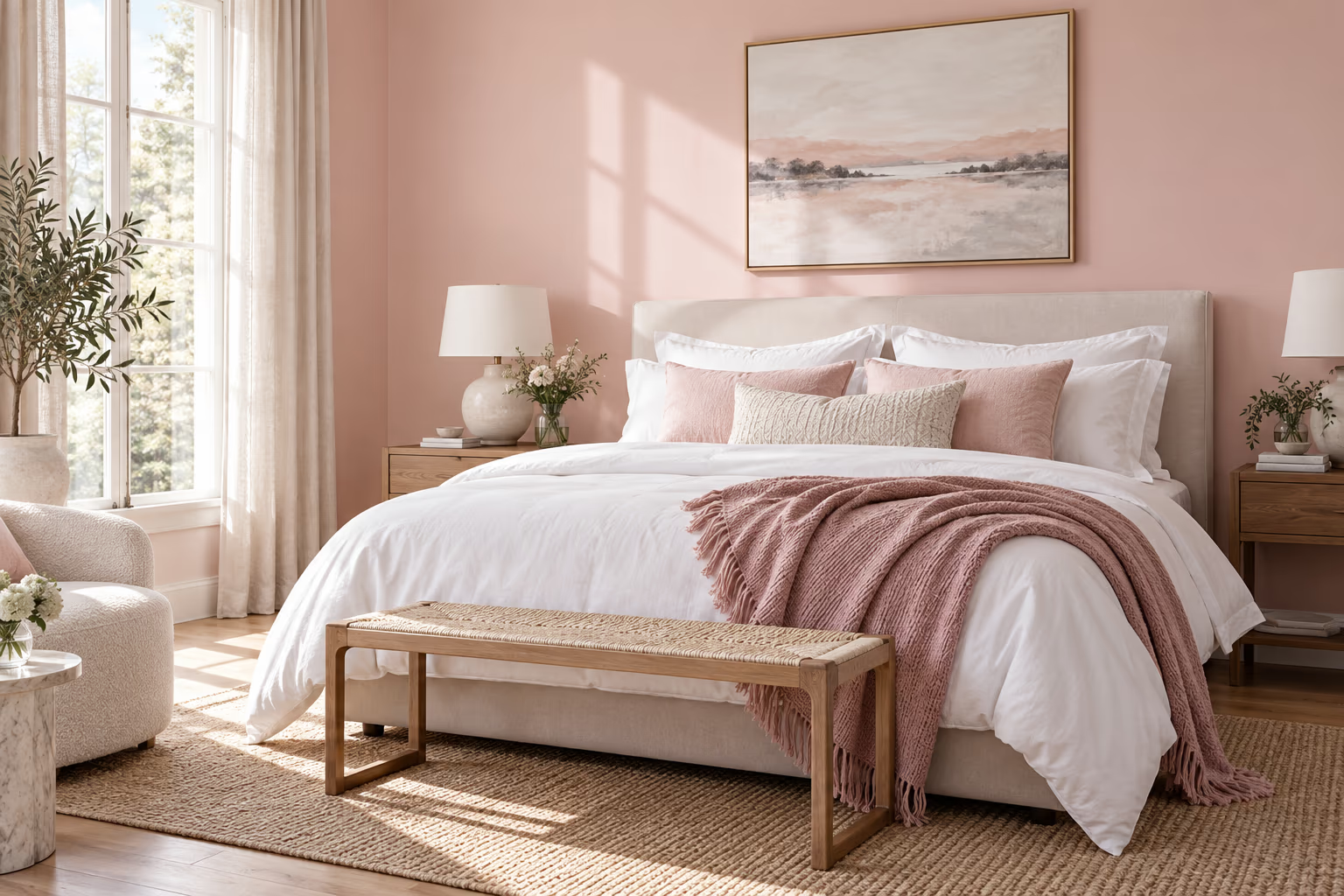
- Serene: A pale pink wall color can create a serene ambiance in a bedroom.
- Whimsical: Pink fairy lights draped across a room can add a whimsical and dreamy feel.
Remember, these adjectives are just a starting point. Feel free to mix and match them to create your own unique descriptions of pink in different scenarios. Whether you’re exploring nature, diving into fashion, or creating a cozy home, pink has a way of adding a special touch.
Describing Words for pink in English
When it comes to describing the color pink, there are a variety of adjectives that can capture its essence and convey different nuances. Let’s explore some of the adjectives commonly used to describe pink:
1. Soft: Pink exudes a soft and gentle quality, reminiscent of delicate flowers or a cotton candy sky at sunset. It’s a color that brings a sense of comfort and tenderness.
2. Delicate: Pink is often associated with things that are delicate and fragile, like a blush on a cheek or the petals of a blossoming flower. It has a subtlety to it that can be described as dainty and refined.
3. Vibrant: While pink may be soft and delicate, it can also be vibrant and eye-catching. Think of hot pink, a bold and energetic shade that demands attention. Pink can be lively, full of life, and brimming with energy.
4. Chic: Pink has a stylish and fashionable side to it. Whether it’s a pastel pink dress or a rose-colored handbag, pink can be described as chic and elegant.
5. Playful: With its whimsical and playful nature, pink can evoke a sense of joy and fun. Pink toys, balloons, and candies often bring a smile to our faces and create a playful atmosphere.
6. Sophisticated: Pink can also have a sophisticated and refined appeal. When used in the right context, such as in upscale fashion or interior design, pink can be seen as luxurious and classy.
7. Cozy: Pink can create a cozy and comforting ambiance. Picture a soft pink blanket or a bedroom adorned with blush hues. Pink has a warm and inviting quality that can make any space feel homely.
8. Serene: Pale shades of pink can have a calming and soothing effect. When used in tranquil settings or peaceful imagery, pink can be described as serene, evoking a sense of tranquility and relaxation.
9. Whimsical: Pink has a whimsical and dreamy quality, reminiscent of fairy tales and fantasy. It can transport us to a magical world, where imagination knows no bounds.
Adjectives for pink
Positive Adjectives for pink with 12 Example Sentences
Pink is a color that evokes various positive emotions and associations. Here are some adjectives that capture the different aspects of pink’s essence and its positive qualities:
- Soft: Pink is known for its soft and gentle hue, reminiscent of cotton candy.
- Delicate: The delicate shade of pink conveys a sense of fragility and grace.
- Vibrant: Pink can also be vibrant and energetic, especially when it has deeper tones.
- Chic: Pink is often associated with style and elegance, adding a chic touch to any outfit or decor.
- Playful: The playful side of pink is seen in its association with toys, bubbles, and whimsical objects.
- Sophisticated: When used in a sophisticated manner, pink can bring an element of refinement to any setting.
- Cozy: The warmth and comfort of pink create a cozy and inviting atmosphere.
- Serene: Lighter shades of pink evoke a serene and peaceful ambiance.
- Whimsical: Pink’s whimsical nature adds a touch of magic and wonder to any situation.
- Joyful: Pink symbolizes joy and cheerfulness, brightening up any space it occupies.
- Nurturing: Pink has nurturing qualities that are often associated with love and tenderness.
- Sweet: Just like its association with sweets, pink brings a sweet and pleasant feel to any setting.
These positive adjectives can be used to craft engaging descriptions of pink and to stimulate creativity. Whether it’s describing a bedroom, a flower, or a piece of clothing, these adjectives will help convey the unique characteristics of pink.
Negative Adjectives for pink with 5 Example Sentences
While pink is predominantly associated with positive connotations, there are also some negative adjectives that can be used to describe it:
- Sickly: In certain contexts, pink can be seen as sickly or overly artificial.
- Gaudy: When used in excess or combined with clashing colors, pink can sometimes appear gaudy.
- Childish: Pink is often associated with childhood and can sometimes be considered too juvenile for certain settings.
- Overwhelming: In large amounts or when surrounded by bright colors, pink may become overwhelming to the eyes.
- Cliché: Due to its popularity, pink may be seen as cliché or predictable in certain situations.
It’s important to note that these negative adjectives don’t diminish the overall appeal and versatility of pink. Instead, they provide a well-rounded perspective on how pink can be perceived in different contexts.
By understanding the range of adjectives that can be used to describe pink, you can better appreciate its versatility and incorporate it into your everyday life in a way that resonates with your personal style and preferences.
Synonyms and Antonyms with Example Sentences
Synonyms for Pink
When it comes to describing the color pink, there are several synonyms that can be used to capture its various shades and tones. Here are some common synonyms for pink:
- Rose
- Blush
- Coral
- Salmon
- Fuchsia
- Magenta
Each of these synonyms offers a slightly different hue of pink, allowing for more precise descriptions. For example, while rose is often associated with a soft and delicate shade of pink, fuchsia leans towards a more vibrant and intense pink tone.
Here are some example sentences that showcase the use of these synonyms:
| Synonym | Example Sentence |
|---|---|
| Rose | The little girl wore a beautiful rose dress to the party. |
| Blush | The walls of the nursery were painted a soft blush color. |
| Coral | The sunset painted the sky in a mesmerizing coral pink. |
| Salmon | Her sweater was a lovely shade of salmon, perfect for autumn. |
| Fuchsia | The flowers in the garden bloomed in various shades of fuchsia pink. |
| Magenta | The artist mixed red and blue to create a stunning magenta hue. |
Antonyms for Pink
While pink is often associated with positive qualities such as delicacy and vibrancy, there are also antonyms that describe colors that contrast with pink. Here are some antonyms for pink:
- Black
- Brown
- Gray
- Blue
- Green
- Purple
These antonyms represent colors that are opposite to the warm and vibrant nature of pink. For example, black presents a stark contrast to the lightness of pink, while gray offers a neutral alternative.
Here are some example sentences that demonstrate the use of these antonyms:
| Antonym | Example Sentence |
|---|---|
| Black | She decided to wear a black skirt instead of the usual pink. |
| Brown | The paint color for the room was a warm shade of brown, not pink. |
| Gray | His car was a sleek and modern gray, far from the traditional pink color. |
| Blue | The little boy loved playing with his blue toy trucks, preferring them over pink ones. |
| Green | The leaves on the tree turned from pink to a vibrant green in the spring. |
| Purple | The artist used purple paint to create a contrasting effect against the pink background. |
Understanding the synonyms and antonyms for pink can help us describe and appreciate the various shades and tones within this versatile color palette. Whether it’s choosing the perfect paint color or discussing fashion choices, having a range of adjectives at our disposal allows us to communicate our preferences and style more accurately.
Conclusion
Understanding the different adjectives that can be used to describe the color pink allows us to appreciate the nuances and variations within this versatile color palette. By exploring synonyms such as rose, blush, coral, salmon, fuchsia, and magenta, we can better convey the specific shade or tone of pink we are referring to. For example, we might describe a vibrant, hot pink as fuchsia, while a softer, pale pink could be referred to as blush.
On the other hand, knowing the antonyms for pink, such as black, brown, gray, blue, green, and purple, helps us understand the contrasting colors that can be used to create dynamic color combinations. For instance, pairing a vibrant pink with a deep purple can create a striking and eye-catching contrast.
By expanding our vocabulary of adjectives for pink, we can communicate more effectively and precisely when discussing this beautiful color. Whether we’re describing a piece of clothing, a flower, or a room decor, having a range of descriptive words at our disposal allows us to capture the essence of pink in all its variations.


