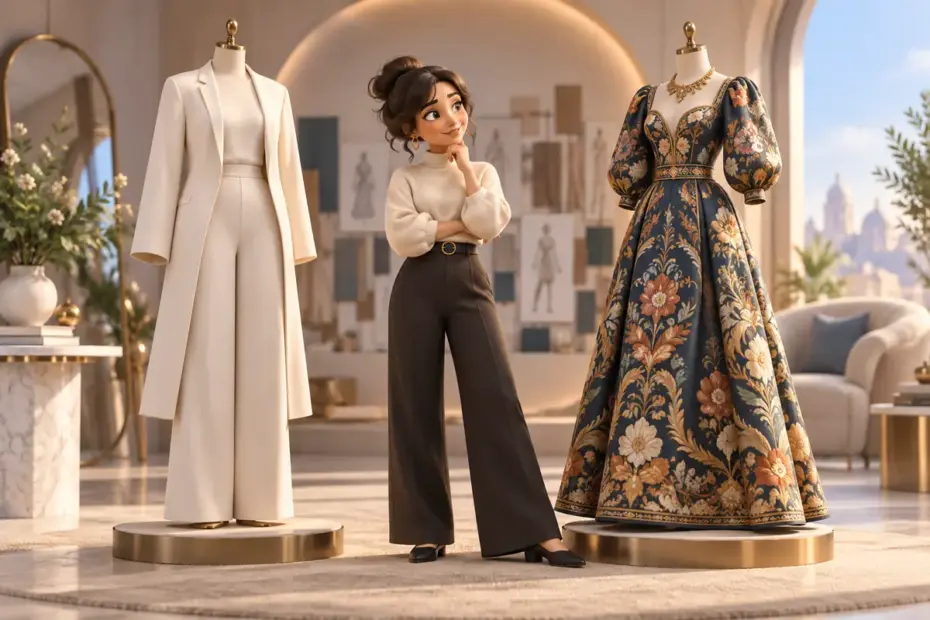
Adjectives for style describe specific qualities, features, or impressions, with choices such as minimalist, ornate, understated. Select a word that matches the detail you want readers to notice, then add a concrete context. The most useful description explains something observable or meaningful rather than stacking several vague compliments together.
At a glance
- Choose an adjective for a specific property rather than general praise.
- Context determines whether a descriptive word fits.
- An adjective can appear before a noun or after a linking verb.
- One precise modifier often works better than several overlapping words.
- Do not treat one adjective as suitable for every meaning of style.
Adjectives for style: words by purpose
| Category | Descriptive words | Example sentence |
|---|---|---|
| Visual character | minimalist, ornate, understated | Her understated style used simple shapes. |
| Tone | formal, casual, playful | The writer adopted a playful style. |
| Distinctiveness | distinctive, conventional, eclectic | The room had an eclectic style. |
| Clarity | concise, direct, elaborate | His concise style suited the report. |
| Period or influence | traditional, contemporary, vintage | The design combined traditional and contemporary styles. |
What does style describe?
Style concerns a characteristic manner of expression, design, appearance, or action. A sentence should identify the domain: writing style, clothing style, or architectural style. A word that suits one domain may be unclear in another. Concise describes writing naturally, while tailored may concern clothing or a deliberately adapted approach.
How do simple and minimalist differ?
Simple is a broad description of limited complexity; minimalist can identify a deliberate reduction of elements or a specific design tendency. An uncluttered object is not automatically an example of a named artistic movement. State the visible features or verified design context when the label carries a more specialized meaning.
How can you avoid vague judgments?
Stylish and elegant express evaluations, while formal, concise, and ornate identify more specific qualities. A sentence can combine evaluation with evidence: “The elegant design used clean lines and a restrained palette.” In a writing review, name sentence length, tone, structure, or diction rather than rely on praise alone.
How do you write a clear example?
- Identify the property or impression the reader needs to understand.
- Choose an adjective from the relevant category.
- Add one action, feature, or context that supports the description.
- Remove modifiers that repeat the same meaning without adding information.
For example, “Her understated style used simple shapes.” connects the adjective to a specific subject. A stronger revision adds a relevant detail about why the description fits. Avoid treating a vivid word as proof of a factual claim; in reporting, the observation or evidence should support the adjective rather than the adjective substituting for evidence.
Sources and usage notes
The Cambridge Dictionary: style establishes the central noun or subject meaning. The grouped words and example sentences are a writing reference rather than a universal description. Choose terms for the individual scene, object, or experience, and check any specialized claim against an appropriate factual source.
Frequently asked questions
Can adjectives follow a linking verb?
Yes. An adjective can follow a linking verb such as is, seems, or feels when the subject and description fit together naturally. The same word may also appear directly before a noun. Check the complete sentence, because changing its position can affect emphasis even when both constructions are grammatical.
How many adjectives should I use together?
Use enough adjectives to identify distinct details, often one or two in a short sentence. Several near-synonyms can blur the description and slow the reader. If more detail matters, add an action or explanatory clause instead of a long string of modifiers that all express the same impression.
What is a common mistake in these descriptions?
Do not treat one adjective as suitable for every meaning of style. Writing, clothing, and architecture need different supporting details. Minimalist can imply a design approach rather than merely a lack of objects. Name the domain and observable features so the description remains specific instead of becoming a vague compliment.
How can I make the description more precise?
Connect the adjective to a visible feature, an action, a stated context, or a relevant measurement. Replace vague praise with the property that actually matters to the reader. A description becomes more informative when the supporting detail explains the word, rather than leaving the reader to infer an unspecified reason.
When it comes to describing style, the right adjectives can make all the difference. They have the power to paint a vivid picture, capturing the essence of a person’s fashion choices or the atmosphere of a particular place. In this article, I’ll be sharing a list of adjectives that are perfect for describing style, along with some examples to illustrate their usage. Whether you’re a fashion enthusiast looking to expand your vocabulary or a writer in need of descriptive words, this guide will help you find the perfect adjectives to bring your descriptions to life.
From elegant and sophisticated to edgy and bold, style is a reflection of our personality and individuality. With the right adjectives, we can convey the nuances and subtleties of someone’s fashion choices, allowing others to visualize the outfits and understand the message they convey. In this article, I’ll be exploring a wide range of adjectives that can be used to describe style, from classic and timeless to trendy and avant-garde. So whether you’re writing a fashion blog or simply want to enhance your descriptive skills, keep reading to discover the perfect adjectives to elevate your style descriptions.
How to Describe style? – Different Scenarios
When it comes to describing style, there are various scenarios that require different approaches. Whether you’re talking about fashion choices, interior design, or a particular atmosphere, using the right adjectives is essential in effectively conveying your message. Let’s explore different scenarios and how to describe style in each of them:
1. Fashion Choices:
- Casual Chic: Effortlessly cool in a perfectly lived-in T-shirt, distressed jeans, and white sneakers. Pops of color in accessories like a statement necklace or vibrant scarf inject personality.
- Elegant Minimalism: Tailored lines and muted tones define the look. A cashmere sweater draped over a sleek midi skirt exudes quiet sophistication. A single pearl earring adds a touch of understated luxury.
2. Interior Design:
- Romantic: Use adjectives like dreamy, intimate, passionate, or enchanting to describe a romantic atmosphere. For example, you might say, “The candlelit dinner created a romantic and intimate setting.”
- Vibrant: When describing a vibrant atmosphere, consider using words such as energetic, dynamic, lively, or colorful. You could say,
Describing Words for style in English
Adjectives play a crucial role in describing style, whether it’s fashion choices or interior design. Using the right adjectives can effectively convey the nuances and subtleties of different styles. Let’s explore some describing words that can help us express style in English:
1. Casual: Relaxed, comfortable, laid-back.
2. Formal: Elegant, sophisticated, polished.
3. Trendy: Fashionable, current, stylish.
4. Modern: Sleek, minimalistic, contemporary.
5. Vintage: Retro, nostalgic, classic.
6. Eclectic: Unique, varied, diverse.
7. Romantic: Dreamy, soft, whimsical.
8. Vibrant: Energetic, lively, bold.
Each of these adjectives carries its own essence, transforming the way we perceive a particular style. Let’s take a closer look at each adjective and its usage in describing style:
- Casual: Casual style is all about comfort and simplicity. It’s perfect for everyday wear or relaxed occasions. For example, a casual outfit can be described as comfortable, laid-back, or relaxed.
- Formal: Formal style is associated with elegance and sophistication. It’s suitable for special events or professional settings. When describing formal style, we can use words like elegant, sophisticated, or polished.
- Trendy: Trendy style reflects the latest fashion trends. It’s all about being fashion-forward and up-to-date. Describing trendy style, we can use words like fashionable, current, or stylish.
- Modern: Modern style embraces a sleek and minimalistic approach. It often incorporates clean lines and contemporary elements. When describing a modern style, we can use words like sleek, minimalistic, or contemporary.
- Vintage: Vintage style refers to fashion or design inspired by past eras. It often evokes a sense of nostalgia and timeless charm. When describing vintage style, we can use words like retro, nostalgic, or classic.
- Eclectic: Eclectic style is characterized by combining different elements from various styles. It’s a unique and diverse approach to design or fashion. Describing an eclectic style, we can use words like unique, varied, or diverse.
Adjectives for style
Positive Adjectives for Style with 12 Example Sentences
When it comes to describing style, there are plenty of positive adjectives that can help us capture the essence of a particular look or design. Here are twelve examples of adjectives that can be used to describe style in a positive light:
- Elegant: The bride walked down the aisle in an elegant lace wedding dress.
- Sophisticated: The businessman’s tailored suit gave him a sophisticated and polished appearance.
- Chic: She always looks effortlessly chic in her designer clothes and accessories.
- Trendy: The teenager’s outfit was right on trend with its bold patterns and vibrant colors.
- Refined: The minimalist home decor has a refined and sleek aesthetic.
- Classy: The classic black dress is a timeless and classy choice for any formal occasion.
- Stylish: He is known for his stylish and fashion-forward wardrobe.
- Polished: The modern office features a polished and professional design.
- Glamorous: The Hollywood actress turned heads in a glamorous sequined gown.
- Sleek: The sports car’s sleek and aerodynamic design made it a sight to behold.
- Fashionable: The fashion influencer is always ahead of the latest trends and looks effortlessly fashionable.
- Cultured: The art gallery showcases a cultured and eclectic mix of paintings and sculptures.
Negative Adjectives for Style with 5 Example Sentences
While positive adjectives can highlight the best aspects of style, it’s also important to consider negative adjectives that can indicate a style that may not be desirable. Here are five examples of negative adjectives for style:
- Outdated: The retro furniture in the living room looked outdated and in need of a refresh.
- Dated: The fashion designer’s collection had a dated and old-fashioned feel.
- Tacky: The gaudy accessories gave her outfit a tacky and cheap appearance.
- Unflattering: The ill-fitting jeans were unflattering and didn’t complement her body shape.
- Clashing: The combination of bright colors and patterns created a clashing and overwhelming effect.
Using the right adjectives to describe style is essential in effectively conveying the nuances and subtleties of different looks and designs. Whether you’re discussing the elegance of a wedding dress or critiquing the outdatedness of a piece of furniture, choosing the appropriate adjectives can help paint a vivid picture in the reader’s mind.
Synonyms and Antonyms with Example Sentences
Synonyms for style
When it comes to describing style, it’s important to have a wide range of vocabulary options. Here are some synonyms that can help you accurately convey different styles:
- Elegant – An elegant style is characterized by grace, sophistication, and refinement. It exudes a sense of luxury and class.
- Sophisticated – A sophisticated style is polished and worldly. It conveys a high level of taste and fashion sense.
- Chic – A chic style is trendy and stylish. It is characterized by effortlessly combining fashionable elements for a polished look.
- Trendy – A trendy style is up-to-date with the latest fashion trends. It represents a modern and fashionable aesthetic.
- Refined – A refined style is characterized by subtle and understated elegance. It is timeless and classic.
- Classy – A classy style is characterized by a sense of taste, elegance, and refinement. It is sophisticated and timeless.
- Stylish – A stylish style is fashionable and visually appealing. It showcases a strong sense of personal flair.
- Polished – A polished style is meticulously put together. It is characterized by attention to detail and a well-groomed appearance.
- Glamorous – A glamorous style is dramatic and captivating. It exudes confidence and attracts attention.
- Sleek – A sleek style is characterized by clean lines and a streamlined aesthetic. It represents a modern and minimalist look.
- Fashionable – A fashionable style is on-trend and reflects current fashion. It showcases a keen eye for trends and personal style.
- Cultured – A cultured style reflects sophistication and artistic sensibilities. It draws inspiration from diverse cultural influences.
Antonyms for style
To effectively describe style, it’s essential to consider both positive and negative adjectives. Here are some antonyms that can indicate a style that may not be desirable:
- Outdated – An outdated style refers to something that is no longer in fashion or considered fashionable.
- Dated – A dated style is old-fashioned and not reflective of current trends or tastes.
- Tacky – A tacky style refers to something that is considered tasteless, gaudy, or cheap-looking.
- Unflattering – An unflattering style does not enhance one’s appearance or bring out their best features.
- Clashing – A clashing style refers to a combination of elements that do not harmonize well together.
Remember, choosing the right adjectives is essential in effectively conveying the nuances and subtleties of different looks and designs. Now, let’s look at some example sentences to see these adjectives in action:
| Sentence Example |
|---|
| Her elegant dress made her the center of attention at the event. |
| The sophisticated interior design of the restaurant impressed me. |
| She always looks so chic in her trendy outfits. |
| The refined furniture added a touch of class to the living room. |
| His polished appearance caught everyone’s eye. |
| The glamorous evening gown made her feel like a movie star. |
| The sleek lines of the new car gave it a modern and stylish look. |
| Their dated fashion choices made them stand out for the wrong reasons. |
| That outfit is a bit tacky and not suitable for the occasion. |
| The clashing patterns of the room design created a chaotic atmosphere. |
Using these synonyms and antonyms for style, you can effectively communicate the desired impression and convey the right message about different looks and designs.
Conclusion
Describing style is an art form that requires the use of carefully chosen adjectives. Throughout this article, we have explored the significance of adjectives in capturing the essence of different looks and designs. By using positive adjectives like elegant, sophisticated, and chic, we can paint a vivid picture of a stylish and fashionable appearance. On the other hand, negative adjectives such as outdated and tacky help us convey a style that may not be desirable.
Choosing the right adjectives is crucial in effectively communicating the desired impression and conveying the right message about different looks and designs. By understanding the nuances and subtleties of adjectives, we can create a language that resonates with our audience and accurately describes various styles.
Remember, style is subjective, and what may be fashionable to one person may not be to another. Therefore, it’s essential to consider the context and the intended audience when selecting adjectives to describe style.
Adjectives play a vital role in capturing the essence of style. By using them thoughtfully and creatively, we can effectively communicate the desired impression and convey the right message about different looks and designs.


