
Adjectives for Thanksgiving: Words and Examples
Adjectives for Thanksgiving can describe a gathering, meal, mood, or message: festive, grateful, cozy, generous, and lively suit different purposes. “A cozy Thanksgiving dinner” describes atmosphere, while “a grateful message” describes expressed thanks. Choose words that fit the actual occasion without assuming everyone celebrates in the same way.
Key facts at a glance
- Atmosphere: Festive, cozy, quiet.
- Feeling: Grateful, reflective, nostalgic.
- Meal: Hearty, savory, homemade.
- Gathering: Lively, welcoming, small.
How do you choose the right descriptive word?
Choose the feature of Thanksgiving you want to describe before choosing an adjective. A word for appearance, behavior, or atmosphere may communicate a different kind of claim. Merriam-Webster: thanksgiving supplies the relevant reference meaning.
Thanksgiving names a holiday when capitalized, while thanksgiving can describe giving thanks more generally. Adjectives should attach to the relevant noun: grateful people, a festive gathering, or a savory dish. Experiences and traditions vary, so a warm personal message need not make claims about every family or community.
Adjectives for Thanksgiving: grouped examples
| Choice or pattern | Meaning or use | Example |
|---|---|---|
| Atmosphere | Festive, cozy, quiet | A cozy dinner brought friends together. |
| Feeling | Grateful, reflective, nostalgic | She wrote a grateful message. |
| Meal | Hearty, savory, homemade | A homemade meal filled the table. |
| Gathering | Lively, welcoming, small | A small gathering suited the family. |

Example sentences for different contexts
- The cozy Thanksgiving gathering included a few close friends.
- She sent a grateful message to the volunteers.
- A hearty meal followed the afternoon walk.
- The quiet dinner gave everyone time to talk.
- Our welcoming gathering included neighbors.
- The reflective conversation focused on the past year.
Each sentence pairs a descriptive word with a specific subject or situation. Use the example as a grammatical model rather than assuming the description applies to every member of the category. A narrower observation is often more accurate than a sweeping description.
How do you keep the description precise?
Thanksgiving names a holiday when capitalized, while thanksgiving can describe giving thanks more generally. Adjectives should attach to the relevant noun: grateful people, a festive gathering, or a savory dish. Experiences and traditions vary, so a warm personal message need not make claims about every family or community.
- Name the particular subject and context.
- Decide which attribute matters to your reader.
- Select an adjective supported by observation or reliable information.
- Add one detail explaining the word choice.
- Remove modifiers that merely repeat the same judgment.
Two adjectives work well when they add different information. Several words that all mean pleasing or impressive usually repeat praise instead. If the adjective implies a measurable feature or an emotional state, use evidence appropriate to that claim rather than inferring it from appearance alone.
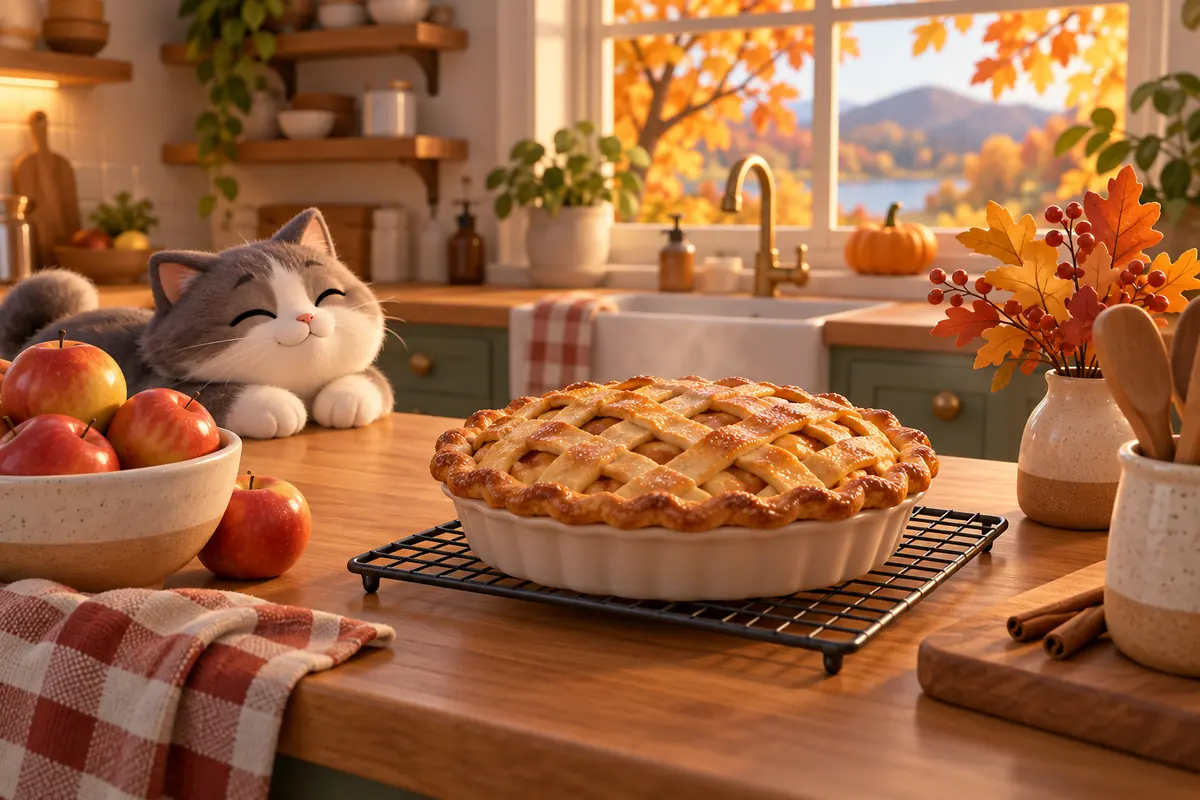
Putting the examples into practice
Use adjectives for Thanksgiving with attention to meaning, context, and grammatical role. Choose an example that matches the idea you want to express, then replace its details with accurate information about your own subject.
Frequently asked questions
Should Thanksgiving be capitalized?
Capitalize Thanksgiving when referring to the named holiday. Lowercase thanksgiving can refer more generally to giving thanks, apart from sentence beginnings. The adjective itself normally remains lowercase inside a sentence, as in “a festive Thanksgiving gathering.” Follow the intended meaning rather than capitalizing every word associated with gratitude or an autumn meal.
Can grateful describe a dinner?
Grateful more naturally describes people, feelings, or a message expressing thanks. “A grateful dinner” is less precise than “grateful guests at dinner.” Choose a noun that can carry the quality directly. For the meal or atmosphere, use a word such as hearty, festive, cozy, or quiet when it fits the actual occasion.
What is a neutral adjective for a gathering?
Small, quiet, informal, or annual can describe a gathering without imposing a positive emotional judgment. Select the word supported by the event itself. Welcoming and festive are more evaluative, so add a detail if you use them. Neutral description is useful when you do not know how every participant experienced the occasion.
Must a Thanksgiving message sound cheerful?
No. A message can be warm, reflective, simple, or considerate without forced cheerfulness. Some recipients may have difficult associations or may not observe the holiday. Match the relationship and context, express thanks honestly, and avoid assuming that everyone has a joyful family gathering or shares the same tradition.
Thanksgiving is a time of gratitude, family gatherings, and of course, delicious food. As we prepare to celebrate this special holiday, it’s the perfect opportunity to explore the power of adjectives in capturing the essence of Thanksgiving. From mouthwatering dishes to heartwarming moments, adjectives help us paint a vivid picture of the Thanksgiving experience.
When it comes to describing the flavors of Thanksgiving, words like “savory,” “succulent,” and “hearty” come to mind. These adjectives perfectly convey the rich and satisfying tastes that we savor during this festive season. Imagine sinking your teeth into a perfectly roasted turkey, its tender meat seasoned to perfection. Or the aroma of freshly baked pies, with their flaky crusts and sweet, aromatic fillings. These adjectives bring the culinary delights of Thanksgiving to life.
But Thanksgiving is not just about food; it’s also about the joyous atmosphere and heartfelt moments shared with loved ones. Adjectives like “grateful,” “joyful,” and “cherished” capture the emotions that fill the air during this special time. Picture a room filled with laughter, as family and friends come together to express their gratitude and create lasting memories. These adjectives remind us of the true spirit of Thanksgiving.
So, join me as we delve into the world of adjectives for Thanksgiving, exploring their power to enhance our descriptions and make this holiday even more memorable. From the delectable dishes to the heartwarming moments, let’s uncover the descriptive words that bring the essence of Thanksgiving to life.
How to Describe thanksgiving? – Different Scenarios
When it comes to describing Thanksgiving, there are many different scenarios that come to mind. Whether it’s the delicious food, the festive decorations, or the heartwarming moments with loved ones, there are plenty of adjectives that can capture the essence of this special holiday. Let’s explore some different scenarios and the adjectives that best describe them:
1. Thanksgiving Dinner:
Thanksgiving dinner is often the focal point of the holiday, and there are endless adjectives to describe the mouthwatering flavors and aromas that fill the air. Here are some examples:
| Adjective | Description |
|---|---|
| Savory | The flavorful taste of roasted turkey |
| Succulent | Juicy and tender bites of honey-glazed ham |
| Hearty | Filling and satisfying helpings of mashed potatoes and gravy |
| Zesty | Tangy and refreshing cranberry sauce |
| Sweet | Decadent pumpkin pie with a hint of cinnamon |
2. Festive Decorations:
Thanksgiving brings about a festive atmosphere, and adjectives can help describe the vibrant decorations that adorn homes and tables. Consider these examples:
- Colorful autumn leaves scattered as table centerpieces.
- Glistening candles casting a warm glow.
- Embellished pumpkins and gourds adding a touch of charm.
- Rustic wooden signs and plaques with heartfelt messages.
3. Heartfelt Moments:
Thanksgiving is a time for cherished moments with loved ones. Use adjectives to describe the emotions and experiences shared during this special holiday:
- Feeling grateful for the love and support of family and friends.
- Sharing joyful laughter and stories around the dinner table.
- Experiencing the nostalgic warmth of traditions passed down through generations.
- Embracing the intimate conversations and connections with loved ones.
- Creating cherished memories that will be treasured for years to come.
Describing Words for thanksgiving in English
During Thanksgiving, there are numerous describing words that can be used to capture the essence of the holiday. These words bring to life the delicious flavors, the festive decorations, and the heartfelt moments shared with loved ones. Let me share some examples of describing words for Thanksgiving in English.
Flavorsome and Delicious
Thanksgiving dinner is known for its mouth-watering and flavorful dishes. Here are some describing words that can be used to paint a vivid picture of the delicious feast:
- Savory – The turkey is roasted to perfection, filling the air with its tempting aroma.
- succulent – The juicy ham melts in your mouth, leaving you craving for more.
- hearty – The mashed potatoes are creamy and rich, the perfect side to complement the main course.
Festive Decorations
Thanksgiving is a time when homes are adorned with beautiful decorations that reflect the spirit of the holiday. Here are a few describing words to capture the beauty of Thanksgiving decorations:
- Colorful – The autumn leaves create a vibrant palette of reds, oranges, and yellows.
- Glistening – The candles shimmer, casting a warm and cozy glow throughout the room.
- Bountiful – The cornucopia overflows with an abundance of fruits and vegetables, symbolizing a season of plenty.
Heartfelt Moments with Loved Ones
Thanksgiving is a time of gratitude and coming together with loved ones. Here are some describing words to portray the heartwarming moments shared during this special holiday:
- Grateful – As we gather around the table, we express our thanks for the blessings in our lives.
- Joyful – Laughter fills the air as stories and memories are shared, creating a cheerful atmosphere.
- Cherished – Each moment spent with loved ones becomes a precious memory that we hold dear.
Remember, these describing words are just a starting point. Feel free to explore the world of adjectives and discover the unique words that best capture your personal Thanksgiving experience.
Now that we’ve explored some describing words for Thanksgiving, let’s move on to another aspect of this festive holiday.
Adjectives for thanksgiving
Positive Adjectives for Thanksgiving
Thanksgiving is a time to celebrate and express gratitude. It’s a holiday filled with warmth, joy, and delicious food. Here are some positive adjectives that capture the spirit of Thanksgiving:
- Bountiful: Thanksgiving is a time of abundance, with tables overflowing with delicious food.
- Grateful: Thanksgiving reminds us to be thankful for all that we have.
- Harmonious: Thanksgiving brings people together in harmony and unity.
- Heartwarming: The holiday is filled with heartfelt moments shared with loved ones.
- Festive: Thanksgiving is a festive occasion with colorful decorations and joyful celebrations.
- Nourishing: Thanksgiving meals provide nourishment to both the body and the soul.
- Generous: Thanksgiving is a time for generosity, where people share their blessings with others.
- Joyful: The holiday is filled with joy and laughter as families and friends gather to celebrate.
- Tasty: Thanksgiving food is known for its delectable flavors and delightful aromas.
- Sincere: Thanksgiving is a time to express sincere gratitude and appreciation.
- Cozy: Thanksgiving is a cozy and comforting holiday, with warm gatherings and cozy sweaters.
- Memorable: Thanksgiving creates cherished memories that last a lifetime.
Negative Adjectives for Thanksgiving
While Thanksgiving is a time for celebration and gratitude, there may be some negative aspects as well. Here are a few negative adjectives that could be associated with Thanksgiving:
- Chaotic: Thanksgiving gatherings can sometimes be chaotic, with lots of people and activities.
- Stressful: The preparations for Thanksgiving, such as cooking and hosting, can be stressful.
- Overwhelming: The abundance of food and activities during Thanksgiving can be overwhelming.
- Lonely: For those who are alone during the holiday, Thanksgiving can be a lonely time.
- Wasteful: Thanksgiving can sometimes result in food waste, which is not ideal.
Remember, while these negative adjectives exist, the overall spirit of Thanksgiving is one of positivity, gratitude, and togetherness.
Let’s embrace the positive adjectives and create a memorable Thanksgiving celebration with loved ones.
Synonyms and Antonyms with Example Sentences
Synonyms for Thanksgiving
Synonyms and Antonyms with Example Sentences
Thanksgiving is a time of gratitude, appreciation, and celebration. Here are some synonyms that capture the spirit of Thanksgiving:
- Grateful – I am grateful for all the blessings in my life.
- Thankful – I am thankful for my family and friends.
- Appreciative – I am appreciative of the kindness shown to me.
- Bountiful – Thanksgiving dinner was a bountiful feast.
- Joyful – The children were joyful as they played games together.
Antonyms for Thanksgiving
While Thanksgiving is generally associated with positive emotions, there may be moments when negative feelings arise. Here are some antonyms that could be associated with Thanksgiving:
- Chaotic – The kitchen was chaotic as everyone was preparing the meal.
- Lonely – Being alone on Thanksgiving can be a lonely experience.
- Ungrateful – It is important to remember to not be ungrateful for the blessings we have.
- Discontent – Some people may feel discontent during the holiday season.
- Empty – The empty chair at the table reminded us of those who couldn’t be with us.
Knowing these synonyms and antonyms can help us better understand and describe our Thanksgiving experiences. It’s important to focus on the positive aspects of Thanksgiving and foster an atmosphere of gratitude and togetherness.
Conclusion
In this article, I have explored a variety of adjectives that can be used to describe Thanksgiving. By using these adjectives, we can enhance our language and express our gratitude in a more meaningful way.
Throughout the article, I have emphasized the importance of focusing on the positive aspects of Thanksgiving. By using words such as “grateful,” “bountiful,” and “joyful,” we can create an atmosphere of appreciation and togetherness.
I have also provided examples of how these adjectives can be used in sentences, allowing you to incorporate them into your Thanksgiving conversations and writing. These examples serve as a guide to help you convey your feelings and experiences during this special time of the year.
As we approach Thanksgiving, I encourage you to embrace these positive synonyms and create a memorable celebration with your loved ones. Let us remember to express our gratitude and appreciation for the blessings in our lives.
So, as you gather around the table this Thanksgiving, remember to sprinkle your conversations with these descriptive words, and let the spirit of gratitude fill the air. Happy Thanksgiving!


