Asinine is an adjective meaning extremely stupid, foolish or absurd, and it describes an action, remark or policy rather than a person’s intelligence. In a sentence, it usually sits before the noun it judges or after the verb be: “The council rejected the asinine proposal.” The word is contemptuous, so it suits sharp criticism more than polite disagreement.
Asinine at a glance
- Asinine is an adjective meaning extremely stupid or absurd.
- It usually judges an action, remark, rule or policy rather than a person.
- It comes before a noun or after a linking verb such as be or sound.
- The noun form is asininity, and the rare adverb is asininely.
- The commonest error is using asinine as an adverb or as a noun.
What does asinine mean?
Asinine is an adjective meaning extremely stupid, foolish or absurd, applied to something a person says, decides or does. The Cambridge entry for asinine gives the sense of being extremely stupid. The word traces to the Latin asinus, a donkey, which explains the tone of stubborn foolishness it still carries. Because it is so blunt, asinine is closer to an insult than to a neutral description.
| Sense | Plain meaning | Example sentence |
|---|---|---|
| Foolish | Lacking good sense | That was an asinine remark. |
| Absurd | So unreasonable it invites ridicule | The new rule is asinine. |
| Stubbornly stupid | Foolish and refusing to listen | His asinine refusal wasted an hour. |
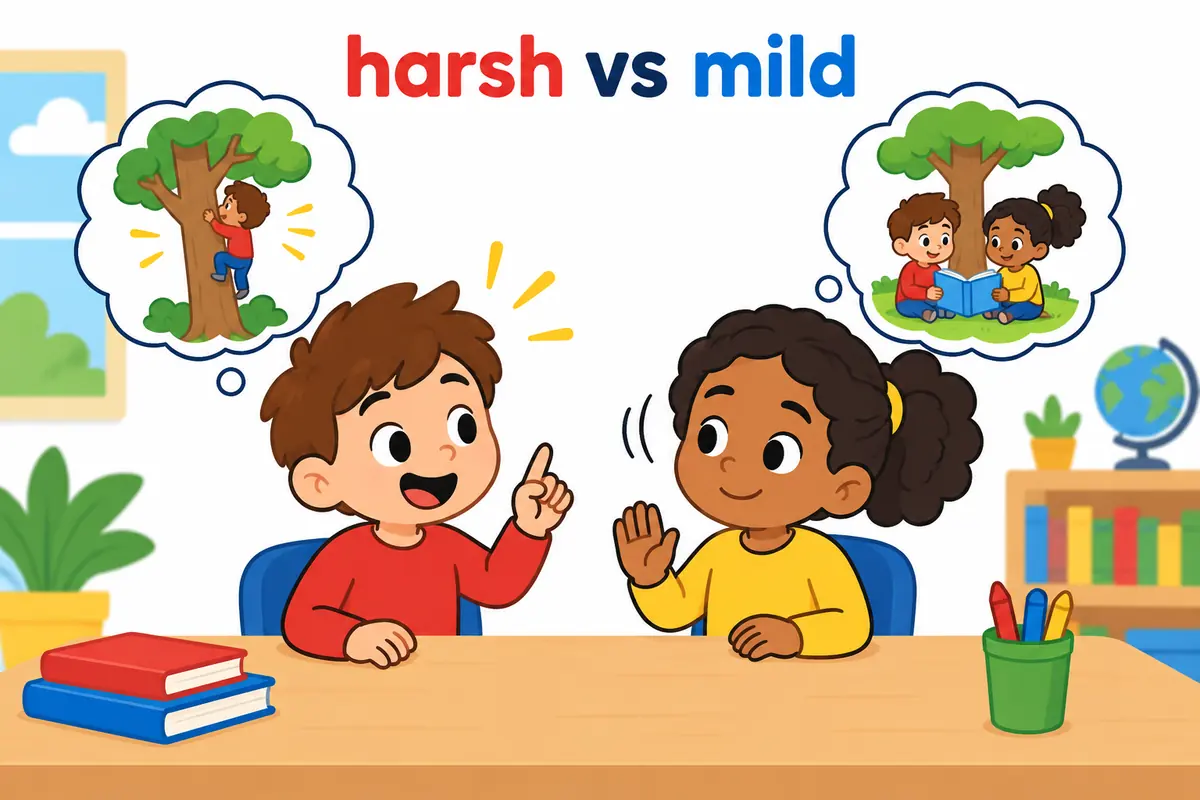
Asinine is a harsh choice. In a message to a colleague, calling a plan asinine closes the discussion, while foolish or ill-advised leaves room to talk. Reserve the stronger word for opinion writing, satire or private frustration. It is also the wrong label for a person’s general intelligence, because the adjective normally targets a single act or statement.
How do you use asinine in a sentence?
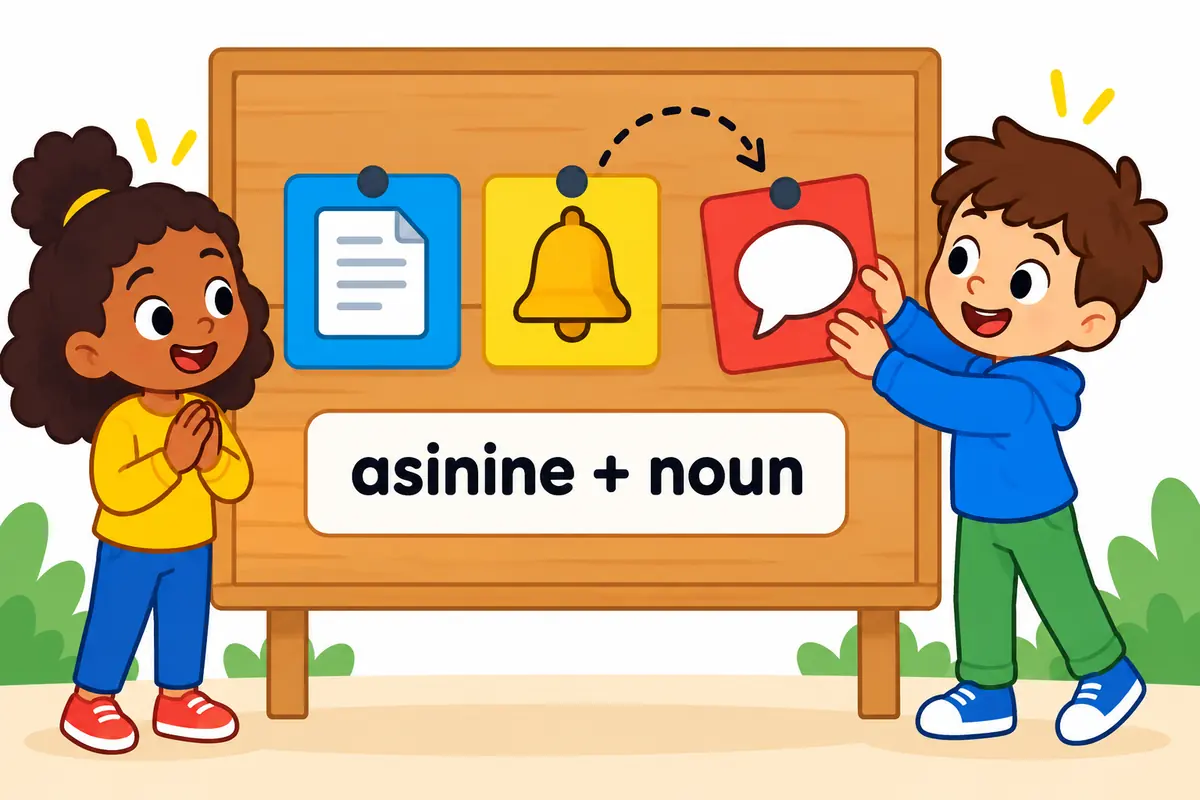
Asinine follows a small number of frames, and each one places the judgement in a slightly different spot. The table below shows the patterns a careful writer uses most.
| Pattern | Example | What it signals |
|---|---|---|
| asinine + noun | an asinine proposal | The adjective judges a thing or idea directly. |
| be + asinine | The whole idea is asinine. | A blunt verdict after a linking verb. |
| sound or seem + asinine | The excuse sounded asinine. | Reports an impression rather than a fact. |
| an asinine thing to do | It was an asinine thing to say. | A fixed frame aimed at an action. |
| asinine + enough to | He was asinine enough to argue. | Shows the degree of foolishness in a clause. |
Notice that every example keeps the word inside a noun phrase or after a linking verb. Asinine never modifies a verb, which is why a phrase such as treated her asinine is a mistake; the adjective has to attach to a noun such as behaviour or treatment.
Asinine in a sentence: examples across contexts
| Context | Example sentence | Why this works |
|---|---|---|
| Classroom | The class agreed that the ban on pencil cases was an asinine rule. | Asinine judges a rule rather than a person. |
| Workplace email | I would avoid the word asinine in a note to a client, however foolish the request seems. | Shows awareness of the word’s blunt register. |
| News report | The columnist called the spending plan asinine and offered no defence of it. | Places the adjective in opinion journalism. |
| Legal writing | An asinine objection, however irritating, still needs a formal reply. | Uses asinine before a noun in a measured legal tone. |
| Conversation | That was an asinine thing to do, and you know it. | The fixed frame targets a specific action. |
| Academic writing | Dismissing the theory as asinine prevents any serious engagement with it. | Shows the adjective after a verb of labelling. |
| Sports report | The manager described the referee’s decision as asinine. | Predicative use after describe something as. |
| Opinion column | It is asinine to blame the weather for a failure of planning. | An impersonal it is frame softens the target. |
| Parenting | Calling a child asinine over one mistake is unfair and unhelpful. | Warns against aiming the word at a person. |
| Literature | The novel’s villain delivers one asinine speech after another. | Uses the adjective to characterise repeated remarks. |
Where the accusation is milder, foolish and silly keep the tone lighter, and absurd shifts the focus from sense to logic. Idiotic matches the strength of asinine but carries a harsher, more clinical edge. Preposterous leans on disbelief, which suits a claim that seems impossible rather than merely foolish.
Asinine vs foolish
Asinine and foolish both criticise a lack of sense, but they differ sharply in force and in warmth.
| Attribute | Asinine | Foolish |
|---|---|---|
| Intensity | Strong and contemptuous | Mild and restrained |
| Usual target | An act, remark, rule or policy | A person or act, often with sympathy |
| Tone | Mocking or scornful | Gentle or neutral |
| Register | Opinion and speech; rarely formal writing | Fits almost every register |
| Can it be affectionate? | No; the word always stings | Yes, as in foolish about love |
Choose foolish when you want to criticise without wounding, and choose asinine when the foolishness is so complete that it invites scorn. The difference is not the meaning but the temperature of the judgement.
Word forms and grammar of asinine
| Form | Part of speech | Example |
|---|---|---|
| asinine | adjective | That was an asinine decision. |
| asininely | adverb (rare) | He behaved asininely at the meeting. |
| asininity | noun | The asininity of the plan amazed everyone. |
| asininities | noun (plural, rare) | The memo listed a string of asininities. |
| asinity | non-standard | Incorrect: the asinity of the rule. Correct: the asininity of the rule. |
| asinal | non-standard | Incorrect: an asinal mistake. Correct: an asinine mistake. |
The adverb asininely exists but is so rare that most editors rewrite the sentence rather than use it. The noun asininity is the safer derived form, and it works well in formal criticism because it names the quality rather than the person.
Common mistakes with asinine
- Incorrect: He is very asinine. Correct: He made an asinine remark. Rule: asinine normally judges an action or statement, not a whole person’s intelligence.
- Incorrect: She solved the puzzle asinine. Correct: She solved the puzzle in an asinine way. Rule: asinine is an adjective and cannot modify a verb; rewrite with a noun phrase.
- Incorrect: The asinine of the plan shocked us. Correct: The asininity of the plan shocked us. Rule: the noun is asininity; asinine is only the adjective.
- Incorrect: The teacher called the young pupil asinine. Correct: The teacher called the young pupil’s excuse asinine. Rule: the word is contemptuous, so aim it at a remark or act rather than a child.
- Incorrect: It was an asinal mistake. Correct: It was an asinine mistake. Rule: the standard adjective is asinine; asinal is not a word.
Keeping asinine out of polite writing
Asinine names a judgement so complete that it closes the door on discussion, and that force is exactly why it needs care. The table below shows which milder words carry the same information without the sting, and the situation each one suits.
| Instead of asinine | Example sentence | When to choose it |
|---|---|---|
| ill-advised | Charging for tap water was ill-advised. | A professional note that questions the decision, not the person. |
| short-sighted | The policy is short-sighted about winter demand. | When the fault is a failure to plan ahead. |
| misguided | The plan was well meant but misguided. | When you want to protect the speaker’s intentions. |
| foolish | It was foolish to ignore the warning. | An everyday judgement that still leaves room to talk. |
| ludicrous | The excuse was ludicrous on its face. | When the absurdity is the point and the audience is receptive. |
| asinine | The proposal was asinine from start to finish. | Opinion writing, satire or private frustration only. |
The noun asininity lets a formal critic name the quality without insulting a person. A review can say the asininity of the scheme was matched only by its cost, which criticises the idea and keeps the writer’s tone controlled. That is often the safer route when the target is a public policy rather than a colleague in the next room.
Practice using asinine
Seven exercises cover the patterns and the common errors. Work through each one before checking the answers.
- Fill in the blank: The committee wasted an hour on an _____ objection.
- Fill in the blank: It is _____ to blame the storm for a decision made weeks earlier.
- Choose the better word: In a note to a new colleague, calling the schedule (asinine / ill-advised) is kinder.
- Correct the error: The manager asinine the whole plan.
- Correct the error: The asinal delay annoyed every passenger.
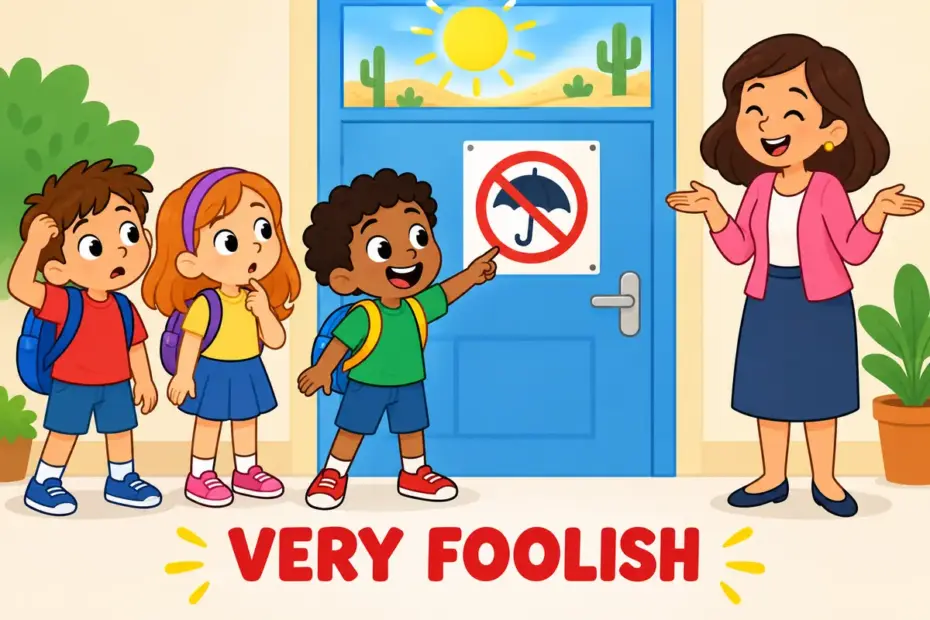
- Build a sentence: use asinine to describe a rule about umbrellas in a desert.
- Spot the register: which sentence belongs in an opinion column? (a) That policy is frankly asinine. (b) I have some small concerns about the policy.
Answers
- asinine. The adjective before the noun objection gives a blunt judgement.
- asinine. The impersonal it is frame keeps the criticism general.
- ill-advised. It criticises the schedule without the sting of asinine.
- The manager called the whole plan asinine. The word is an adjective, so it needs a linking verb.
- The asinine delay annoyed every passenger. The standard adjective is asinine, not asinal.
- Banning umbrellas in a desert is an asinine rule. The adjective sits before the noun rule.
- (a). An opinion column tolerates the blunt, scornful tone that a polite note avoids.
The bottom line
Use asinine in a sentence to call an act, remark or rule extremely foolish, and keep the adjective attached to a noun or a linking verb. Its force is closer to an insult than to neutral description, so it belongs in opinion and private frustration more than in polite professional writing. When the criticism must stay light, foolish or ill-advised says the same thing without the sting.
Frequently asked questions about asinine
Is asinine a swear word?
No, asinine is not profanity, but it is insulting. It signals contempt rather than mere disagreement, so it can damage a working relationship when used carelessly. Many writers treat it as acceptable in opinion pieces, satire and private speech, and as too blunt for a first professional email.
Can you call a person asinine?
Grammatically you can say that a person is asinine, but the usage is risky. The adjective normally targets a single act or remark, so calling someone asinine implies that their judgement, not just their behaviour, is foolish. Aim the word at what a person said or did to keep the criticism precise.
What is the noun form of asinine?
The noun is asininity, as in “the asininity of the proposal.” It names the quality of being foolish, so it works in formal criticism where a direct insult would be out of place. The rarer plural asininities can describe several foolish acts gathered together.
How do you pronounce asinine?
In British English it is usually pronounced ASS-ih-nine, with the stress on the first syllable and a long final vowel. American speakers often say ASS-uh-nine. Both are accepted, and the ending rhymes with the word nine rather than with fine, which is a common slip.