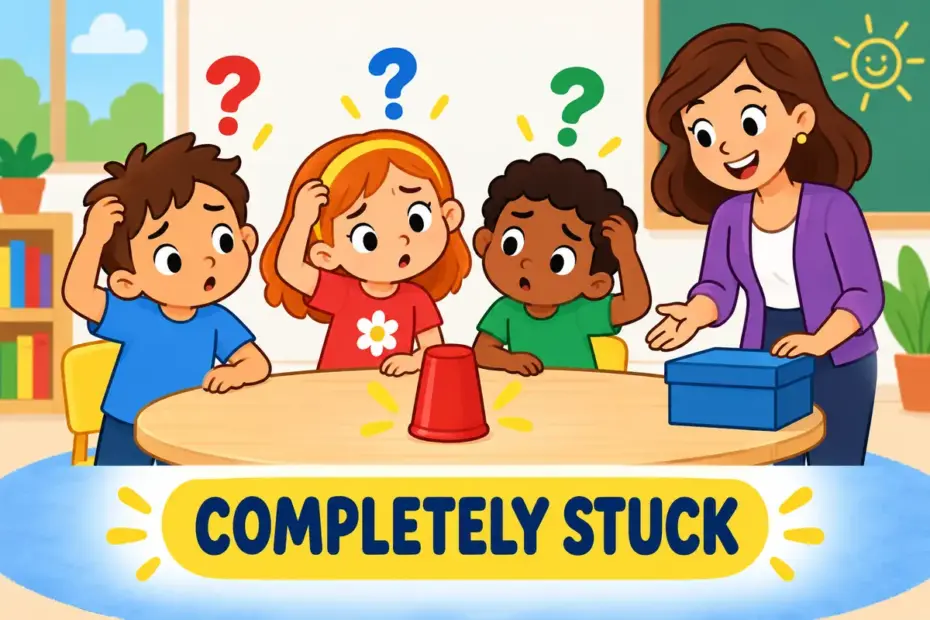
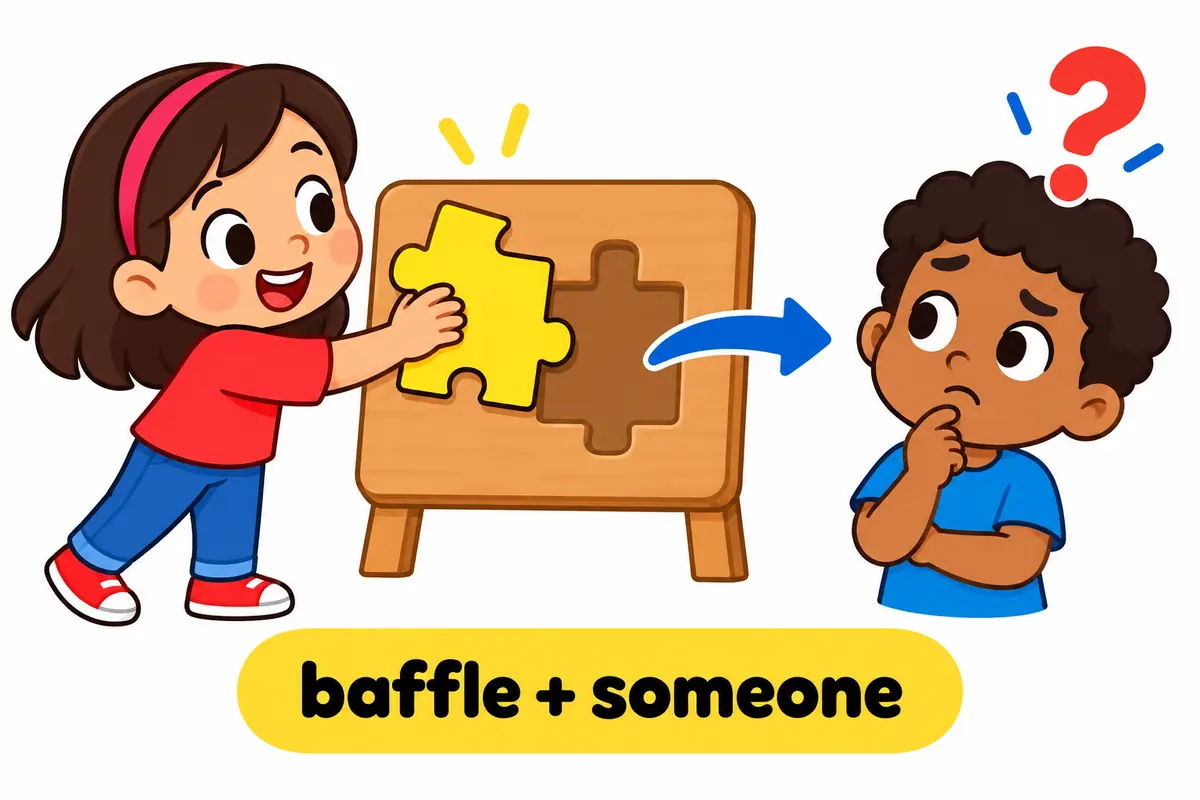
Baffle means to puzzle someone so completely that they cannot explain or solve something, and it can also mean to block a plan or effort. To use baffle in a sentence, make the mystery the subject and the confused person the object: the readout baffled the engineers. The verb is transitive, so something always baffles someone.
Baffle at a glance
- Baffle is a verb; its forms are baffles, baffled and baffling, and its noun is bafflement.
- The two main senses are to puzzle someone completely and to block or frustrate a plan.
- The usual subjects are a puzzle, a result, a question or a mystery.
- The usual objects are people – scientists, police, readers, experts – or attempts and efforts.
- The commonest error is confusing baffle with babble, which means to talk nonsense.
What does baffle mean?
Baffle is a verb meaning to confuse someone so completely that they cannot explain or solve the thing in front of them. The Cambridge entry for baffle records both the puzzle sense and the sense of blocking a plan, and the second one keeps the word close to thwart an effort in formal writing.
| Sense | Plain meaning | Example sentence |
|---|---|---|
| Puzzle completely | Leave someone unable to explain something | The final clue baffled every contestant. |
| Frustrate a plan | Block or defeat an effort | The high wall baffled the floodwater. |
| Noun: flow device | A panel that checks sound or fluid | A sound baffle lined the back of the hall. |
One limitation matters. Baffle is stronger than confuse: it implies that a person is stopped, not merely unsure. It also does not mean to bore or annoy, so a slow film that leaves you restless does not baffle you. A sudden coincidence can bewilder a crowd for a moment without having the lasting force of baffle.
How do you use baffle in a sentence?
Let the puzzle be the subject and the puzzled person be the object, or move the person to the front with be baffled by. Five patterns cover almost every real sentence.
| Pattern | Example | What it signals |
|---|---|---|
| subject + baffle + person | The disappearance baffled the police. | The puzzle does the confusing. |
| be baffled by | We were baffled by the final question. | The person receives the puzzle. |
| baffling + noun | It was a baffling decision. | The participle works as an adjective. |
| baffle + attempts | The ruling baffled attempts to reopen the case. | Formal sense of blocking an effort. |
| it baffles me that | It baffles me that nobody complained. | Informal, reports a personal reaction. |
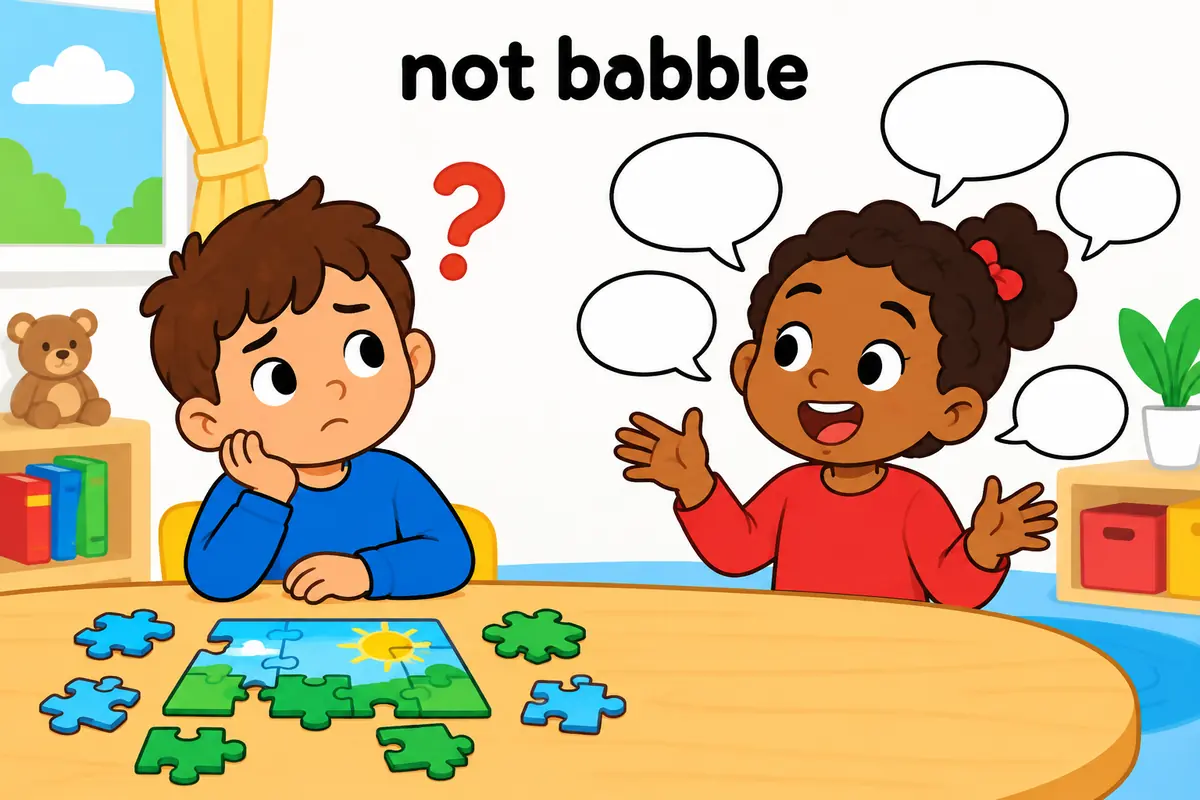
Note the spelling trap: the adjective is baffling with a double f, and the reader who writes baf-fling without both letters has confused the word with babble, which means to talk nonsense.
Baffle in a sentence: examples across contexts
Baffle moves easily between registers, but the puzzle always stays at the centre. The nine sentences below travel from a classroom to a news desk, and each one names the person or thing left stuck.
| Context | Example sentence | Why this works |
|---|---|---|
| Classroom | The trick baffled the whole class until the teacher explained it. | A concrete puzzle makes the meaning visible. |
| Workplace email | The drop in orders has baffled the sales team. | A named group shows who is stuck. |
| News report | Detectives say the missing-hours riddle still baffles them. | Reporting keeps the mystery as the subject. |
| Legal writing | The ambiguity baffled every attempt to enforce the clause. | The blocking sense fits a formal audience. |
| Science writing | The readings baffled researchers for a full season. | A duration shows how strong the confusion was. |
| Sports commentary | A strange formation baffled the visitors in the first half. | The tactic is treated as the puzzle. |
| Product review | The instructions baffled me for an hour. | The first person reports a real experience. |
| History essay | The collapse of the colony baffled later historians. | A long gap shows the puzzle still matters. |
| Conversation | It baffles me how she solved it so fast. | The it baffles me frame is the spoken staple. |
Only the last two sentences use the first person, and that shift marks the point where the verb slides into everyday speech.
Baffle vs confuse
Baffle and confuse describe the same family of feeling, but they sit at different strengths. Confuse covers mild uncertainty; baffle means the person is stopped completely. The mystify a reader pattern sits between the two, adding a sense of deliberate mystery, and a rare fault may perplex an expert for weeks.
| Attribute | baffle | confuse |
|---|---|---|
| Strength | Stops a person completely | Leaves a person unsure |
| Typical subject | A puzzle, result or mystery | Instructions, wording, a map |
| Length of effect | Often lasting until solved | Can clear in a moment |
| Formal register | Common in reports and news | Neutral in all registers |
| Blocking sense | Can mean to block a plan | Never means to block |
| Feeling it names | Amazed and stuck | Muddled and uncertain |
Verdict: choose confuse for a passing muddle, and baffle when the puzzle is deep enough to stop an expert cold.
Word forms and grammar of baffle
Baffle inflects regularly, and its family supplies both an adjective and a noun. The Merriam-Webster entry for baffle lists the noun senses as well. The table below shows the forms learners reach for, together with the relatives that often replace the verb.
| Form | Part of speech | Example |
|---|---|---|
| baffle | verb, base form | The riddle will baffle anyone who rushes. |
| baffles | verb, third person singular | The result baffles the analysts. |
| baffled | verb, past and past participle | The noise baffled the guards. |
| baffling | verb participle and adjective | It was a baffling set of clues. |
| bafflement | noun | The announcement caused open bafflement. |
| baffler | noun, technical | A ceramic baffler controls the flow. |
The adjective baffled describes a person, while the noun bafflement names the state. Both keep the same double f, so a quick spelling check catches most slips here.
Common mistakes with baffle
- Incorrect:
The class was babble by the puzzle.Correct: The class was baffled by the puzzle. Rule: Babble means to talk nonsense; the confused reaction needs baffled. - Incorrect:
The puzzle was baffle to me.Correct: The puzzle baffled me, or I was baffled by the puzzle. Rule: Baffle is a verb, so it takes an object or the passive be baffled by. - Incorrect:
He felt very baffle.Correct: He felt very baffled. Rule: After feel, use the participial adjective baffled, not the base verb. - Incorrect:
The instructions baffled at me.Correct: The instructions baffled me. Rule: The verb never takes at; the person is the direct object. - Incorrect:
Her bafflement was baffled by the news.Correct: Her bafflement deepened at the news. Rule: Bafflement is a noun, so it cannot be baffled; only a person or a plan can.
Practice using baffle
Work through the six items, then check the reasoning rather than only the answer.
- Fill the gap: The locked-room puzzle ______ the detective for three days.
- Choose the better word: The loose wording left us mildly (baffled / confused), but we soon worked it out.
- Correct the error: The strange result was baffle to everybody.
- Build a sentence: use be baffled by about a coded message a classmate cannot read.
- Spot the register: which belongs in a news report – The riddle baffles detectives, or It totally baffles me, honestly?
- Rewrite with the noun: The answer baffled the whole team. Use bafflement instead.
Answers
- baffled – the puzzle is the subject and the detective is the object.
- confused – a mild muddle that soon clears fits confuse rather than the stronger baffle.
- The strange result baffled everybody – baffle is a verb and takes a direct object.
- Model answer: Ravi was baffled by the coded note until he found the key.
- The riddle baffles detectives – a report avoids the first person and filler adverbs.
- The answer caused bafflement across the whole team – the noun needs a verb such as caused.
The bottom line
Use baffle in a sentence when a puzzle stops someone completely, and let the puzzle be the subject with the person as the object. The verb also carries a formal sense of blocking a plan, which is why a ruling can baffle an effort as easily as a riddle can baffle a detective. For a passing muddle, puzzle the reader or confuse is the safer choice.
Frequently asked questions about baffle
Is baffle a strong word?
Baffle is stronger than confuse and weaker than astonish. It says a person is completely stopped by a puzzle and cannot explain it, which is why newspapers use it for unsolved cases. In casual speech, stuck or totally lost often does the same job.
What does baffled mean?
Baffled is the past participle of baffle used as an adjective, so it describes a person who has been left unable to explain something. A baffled engineer is one who has examined the evidence and still cannot account for it, which is stronger than a merely puzzled one.
What is a baffle in a lamp or speaker?
In sound and lighting, a baffle is a panel that checks the flow of sound, air or light. A speaker baffle holds the cone and guides the sound, while a lamp baffle shields the bulb. This noun sense is unrelated to the everyday verb meaning to puzzle.
Does baffle always mean confused?
No. One sense means to block or frustrate a plan, as in a barrier that baffles the floodwater. That use belongs to formal and technical writing. Always check whether the subject is puzzling a person or defeating an effort, because the two senses take different objects.
Have you ever come across a sentence that left you completely puzzled or confused? That’s the kind of sentence that might baffle you.
To baffle means to perplex or confuse someone completely, often due to incomprehensible language or puzzling content.
7 Examples Of Baffle Used In a Sentence For Kids
- The magic trick baffled everyone at the party.
- I was baffled by the riddle and couldn’t solve it.
- The maze in the game baffled me, but I kept trying.
- The new math problem baffled the entire class.
- The mystery book had a plot that baffled me until the end.
- The strange noise coming from the attic baffled us all.
- The teacher’s question baffled the students, but they tried their best to answer.
14 Sentences with Baffle Examples
- The complex equations in the advanced physics class never fail to baffle me.
- The sudden change in the exam pattern baffled all the students in the class.
- The professor’s accent was so thick that it baffled some of the international students.
- The drastic drop in attendance numbers baffled the college administration.
- The multiple choice questions on the test were designed to baffle even the brightest students.
- The conflicting instructions from different professors baffled the students trying to complete their assignments.
- The sudden increase in tuition fees baffled many students who were struggling to pay for college.
- The intricate dance routine for the cultural festival left many students baffled.
- The complex algorithms in the computer science course often baffle students who are new to coding.
- The constantly changing exam schedule baffled students who were trying to plan their study time.
- The long list of required textbooks for the semester baffled students who were already on a tight budget.
- The intense competition for internships baffled many students who were not prepared for the application process.
- The fast-paced lectures in the economics class baffled students who struggled to keep up.
- The sudden power outage during the online exam baffled both professors and students.
How To Use Baffle in Sentences?
To use baffle in a sentence, you can follow these simple steps:
-
Understanding the Meaning: First, make sure you understand the meaning of baffle, which means to confuse or perplex someone.
-
Choose the Right Context: Think of a situation where you want to convey confusion or bewilderment.
-
Construct Your Sentence: Start by selecting a subject and a verb. For example, “The complicated instructions baffled me.”
-
Add Details: To give more context to your sentence, you can include additional information. For instance, “The complicated instructions baffled me, so I asked for help.”
-
Review Your Sentence: Make sure the sentence makes sense and effectively communicates the feeling of being confused or puzzled.
-
Practice Using the Word: Try incorporating baffle into various sentences to get more comfortable with its usage.
-
Seek Feedback: If possible, ask someone to review your sentence to ensure it conveys the intended meaning.
By following these steps, you can effectively incorporate baffle into your writing to express confusion or perplexity. With practice, you will become more confident in using this word in your everyday communication.
Conclusion
In conclusion, the varied examples of sentences using the word “baffle” illustrate its meaning of causing confusion or perplexity. Whether describing a complex scientific theory baffling researchers or a magic trick that baffles the audience, the word conveys a sense of puzzlement and bewilderment. Through these examples, we can appreciate the versatility of “baffle” in communicating a state of being puzzled or mystified.
By examining sentences featuring “baffle,” we see how this word can effectively convey a sense of incomprehension or surprise. Whether used in technical contexts or everyday situations, “baffle” succinctly captures the idea of something being difficult to understand or explain. Its use in various contexts highlights its ability to evoke a sense of confusion and intrigue in different scenarios.


