Skip to content

Confused Words

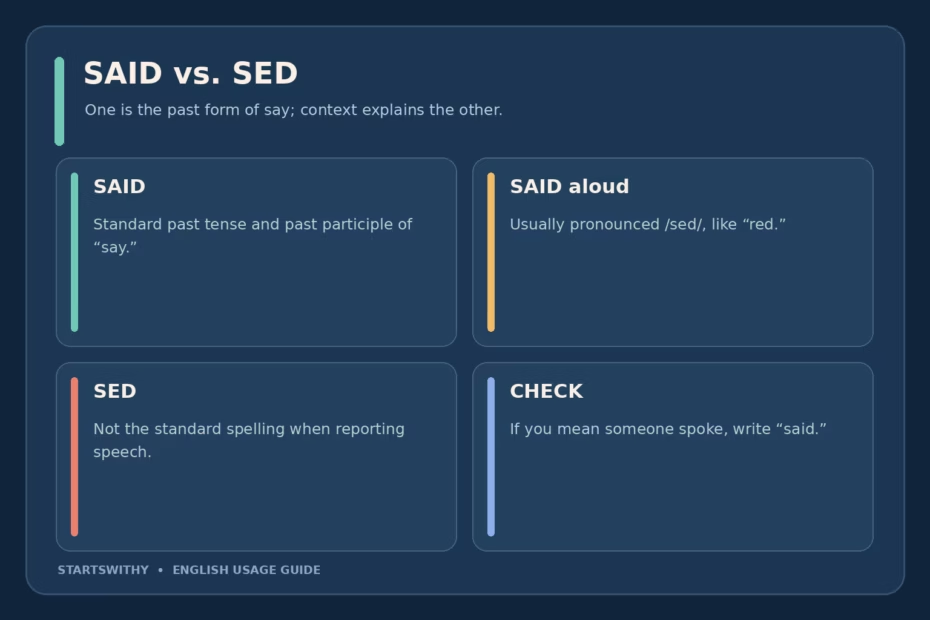
A comparison card: said is the standard past tense of say; sed is not the standard spelling for reported speech.

Said vs. Sed: Correct Spelling and Usage Examples

    Have you ever wondered about the correct usage of “said” and “sed”? As a seasoned writer, I’ve encountered this dilemma countless times. In this text, I’ll guide you through the proper usage of these two words and help you avoid any embarrassing mistakes. We’ll explore the nuances of each word and provide examples to illustrate their appropriate usage. By the end of this article, you’ll have a cle

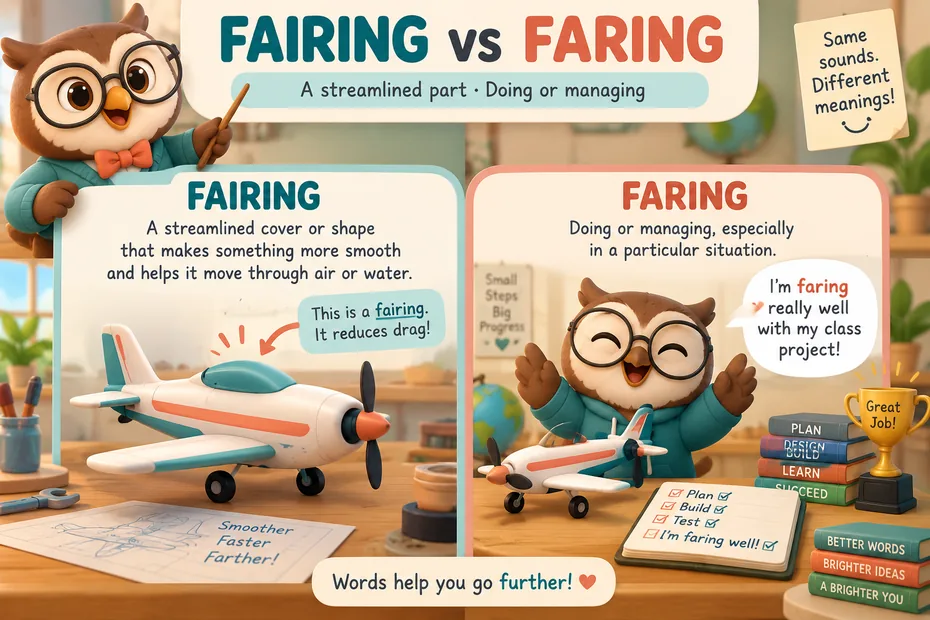
    Fairing names a streamlined part; faring describes doing or managing.

    Understanding the Difference: Fairing vs. Faring – Proper Usage Explained

      Are you confused about when to use “fairing” and “faring” correctly? Well, you’re not alone! In this text, I’ll shed some light on the proper usage of these two commonly misused words. Understanding the difference between “fairing” and “faring” is essential for effective communication, whether you’re writing an email, a blog post, or even a social media caption. So, let’s immerse and unravel the m

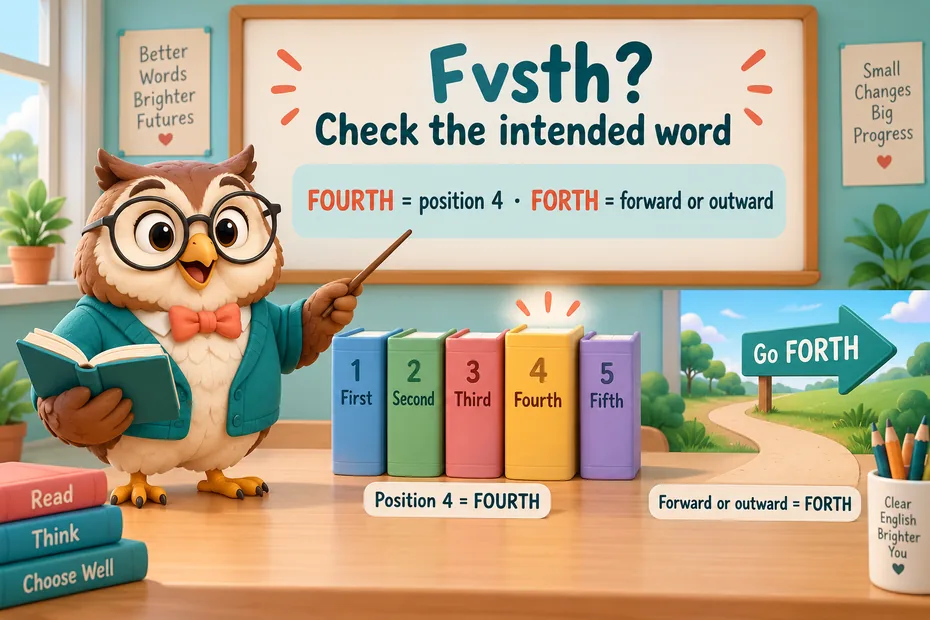
      Check the intended word: fourth is position four, forth means forward or outward.

      Using “fvsth” vs “fourth” Appropriately: Examples and Common Mistakes to Avoid

        Fvsth vs. fourth: check the intended word first Fourth is the standard spelling for position number four, and it can also mean one of four equal parts. The string fvsth in this page’s original title is not a standard spelling for either meaning. It should not be taught as a separate vocabulary word. The intended… Read More »Using “fvsth” vs “fourth” Appropriately: Examples and Common Mistakes to Avoid

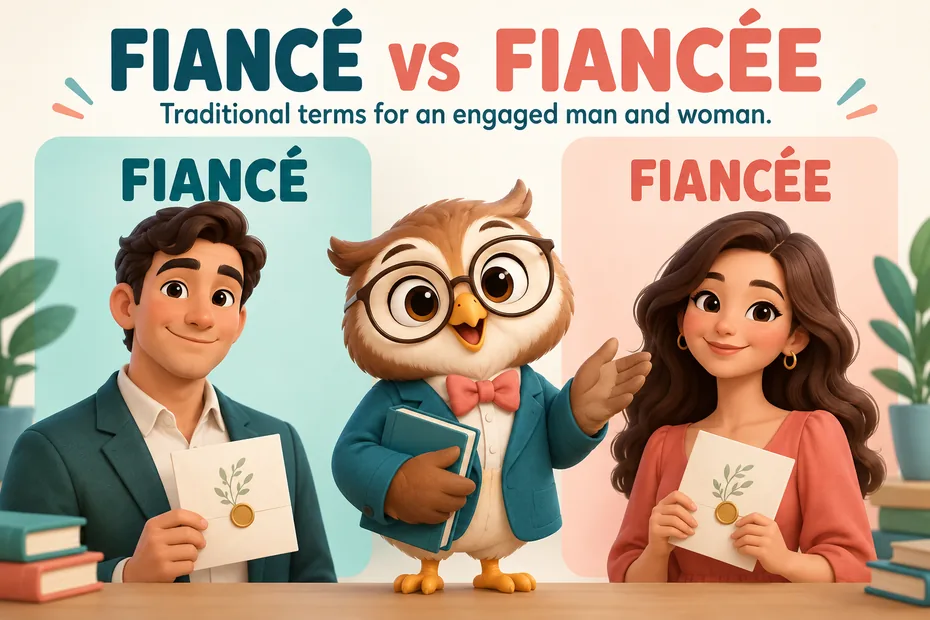
        Fiancé and fiancée are traditional terms for an engaged man and woman.

        Fiance vs Fiancee: How to Use the Terms Appropriately for Effective Communication

          Are you confused about when to use “fiance” and when to use “fiancee”? Well, you’re not alone! As a writer, I have encountered this dilemma countless times, and I understand the importance of using these terms correctly. In this text, I’ll shed some light on the distinction between “fiance” and “fiancee” and provide you with a simple guide to ensure you never mix them up again.
          We’ll explore the o

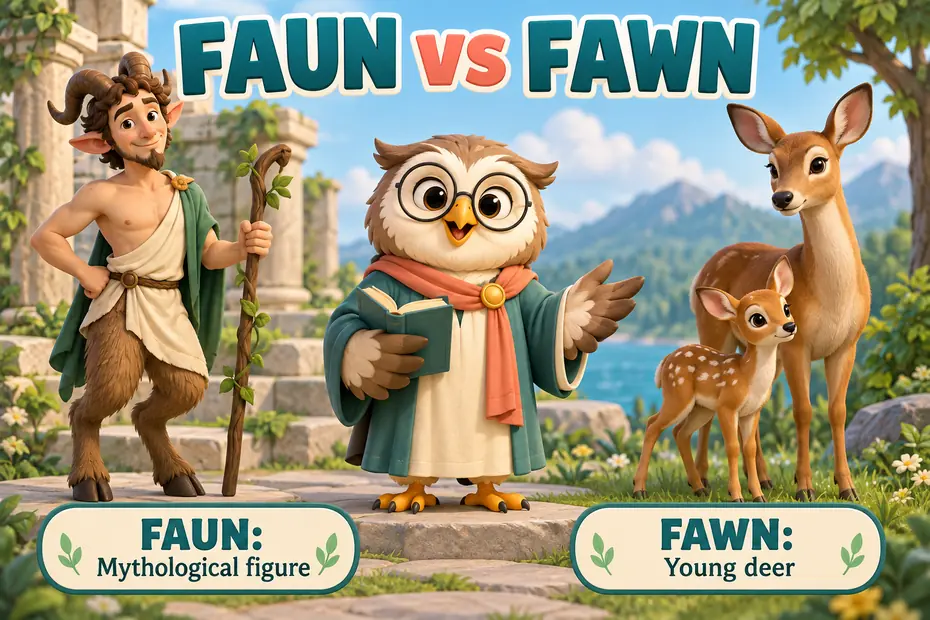
          Faun names a mythological figure; fawn names a young deer.

          Understanding the Difference: Faun vs Fawn and How to Use Them Appropriately

            Have you ever found yourself confused between the words “faun” and “fawn”? Well, you’re not alone! As an experienced writer, I’ve encountered this dilemma countless times. In this text, I’ll shed some light on the difference between these two words and provide you with a simple guide on how to use them appropriately.
            Firstly, let’s clarify the distinction between a “faun” and a “fawn.” A “faun” re

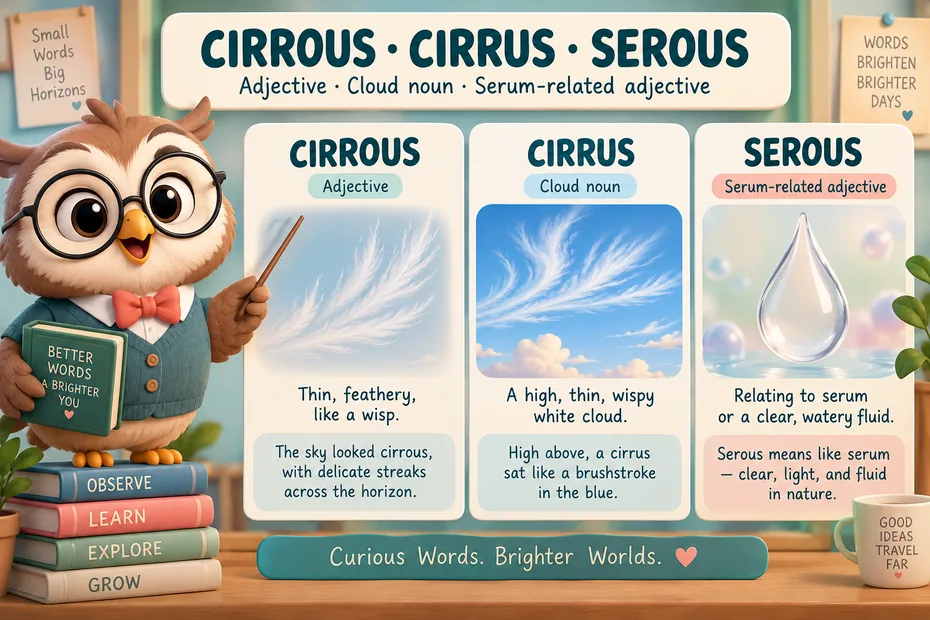
            Cirrous is an adjective, cirrus a noun, and serous a serum-related adjective.

            Understanding the Differences and Proper Usage of Cirrous, Cirrus, and Serous: A Guide

              When it comes to distinguishing between cirrous, cirrus, and serous, it’s easy to get tangled up in the confusion. As an expert in the field, I’ll guide you through the nuances and help you use these terms appropriately. In this text, we’ll explore the differences between cirrous, cirrus, and serous, and provide clear examples to ensure you never mix them up again. Whether you’re a writer, a stude

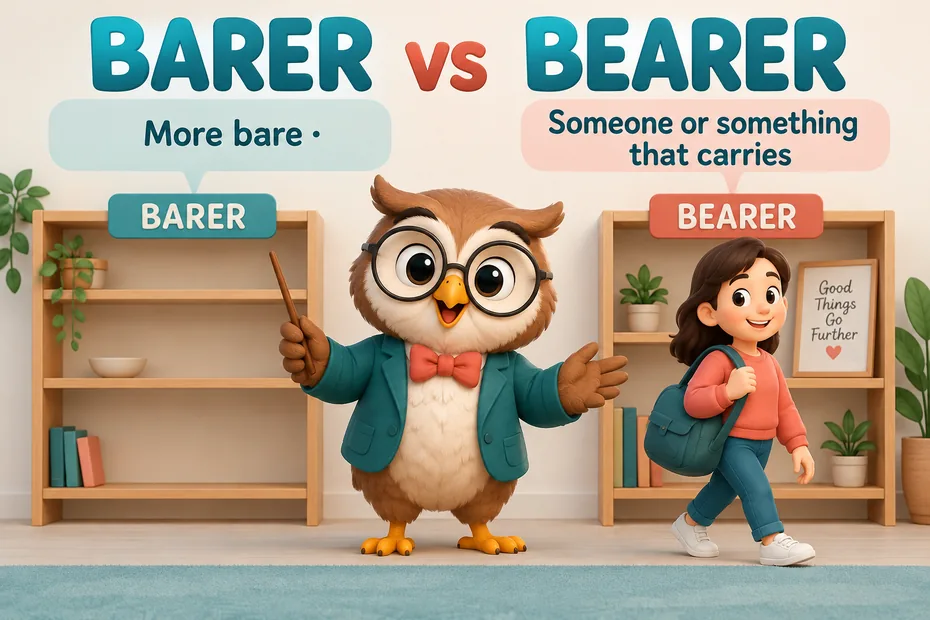
              Barer means more bare; bearer names someone or something that carries.

              Understanding the Difference: Barer vs Bearer and How to Use Them Appropriately

                Hey there! Have you ever come across the words “barer” and “bearer” and wondered what the difference is? Well, you’re not alone! In this text, I’ll investigate into the correct usage of these two terms and help you avoid any embarrassing mix-ups.
                Let’s get down to business. “Barer” and “bearer” may sound similar, but they have distinct meanings and applications. Understanding when to use each one

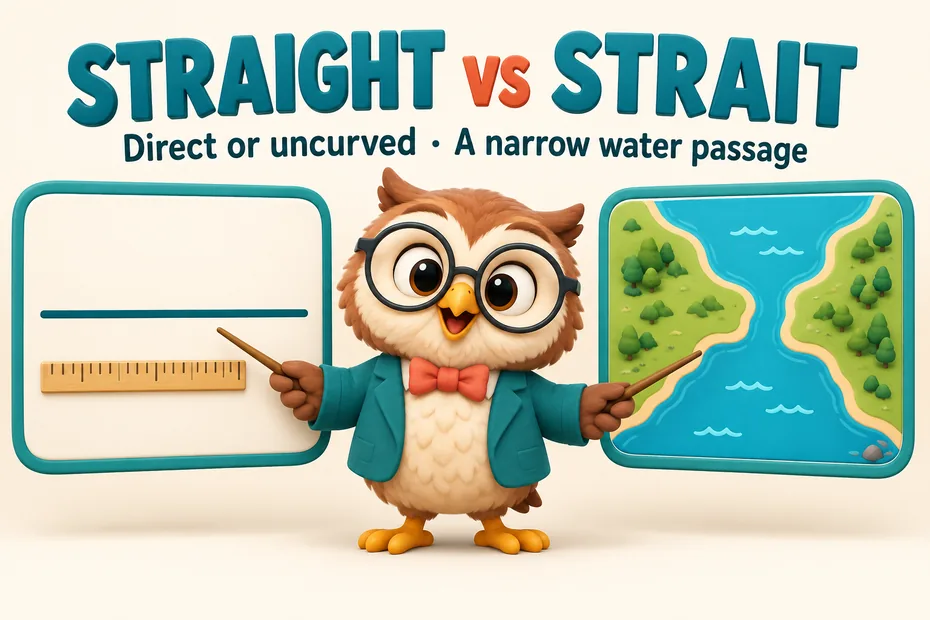
                Straight can mean direct or uncurved; a strait is a narrow water passage.

                Mastering the Difference: Straight vs. Strait – Tips for Using Appropriately

                  Have you ever found yourself confused about when to use “straight” and when to use “strait”? Well, you’re not alone. These two words may sound similar, but they have distinct meanings and should be used appropriately. In this text, I’ll guide you through the differences between “straight” and “strait” and provide you with some helpful tips on how to use them correctly.
                  Firstly, let’s clarify the d

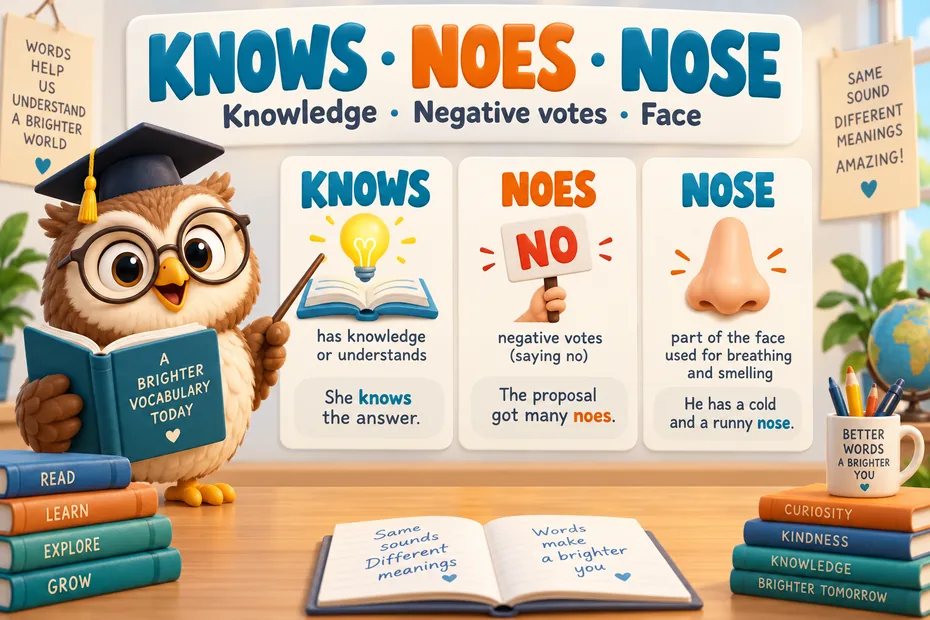
                  Knows means knowledge; noes means negative votes; nose is a facial feature.

                  Knows vs Noes vs Nose: Using “Knows” and “Nose” Appropriately for Effective Communication

                    Have you ever found yourself confused between “knows,” “noes,” and “nose”? Don’t worry, you’re not alone. These three words may sound similar, but they have completely different meanings and uses. In this text, I’ll guide you through the proper usage of “knows,” “noes,” and “nose,” so you can confidently use them in your everyday conversations and writing.
                    Understanding the distinctions between th

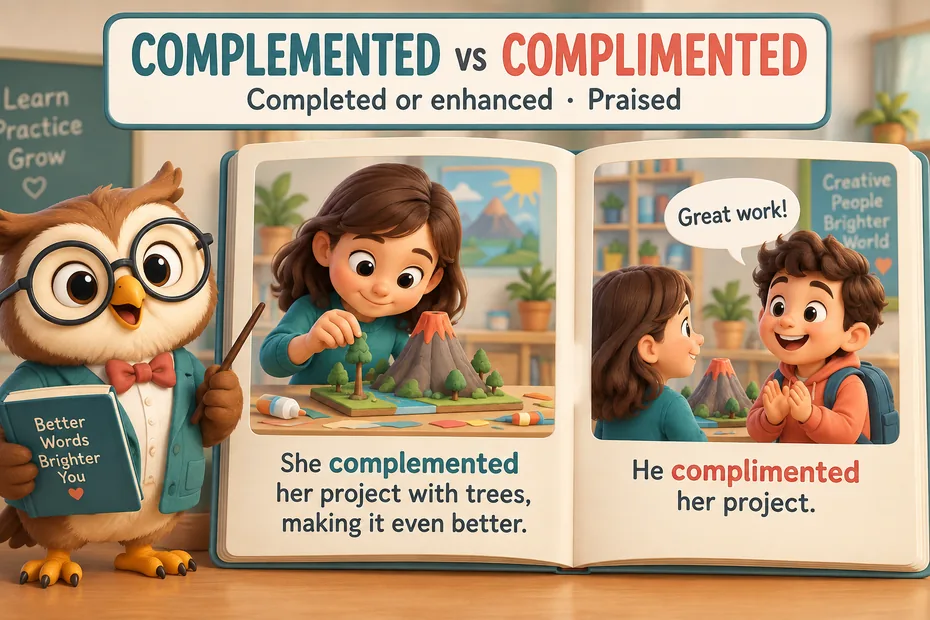
                    Complemented means completed or enhanced; complimented means praised.

                    Using “Complemented” vs “Complimented”: Tips for Appropriate Usage

                      Have you ever found yourself confused between the words “complemented” and “complimented”? Don’t worry, you’re not alone. As a language enthusiast, I’ve often encountered this dilemma and understand how frustrating it can be. In this text, I’ll shed light on the subtle yet significant differences between these two words and provide you with practical tips on how to use them appropriately. By the e

                      An uneven wooden board rests beside sandpaper.

                      Rough vs Ruff: Texture, Collars, and Other Uses

                        When it comes to writing, choosing the right words can make all the difference. One common area of confusion is the use of “rough” and “ruff.” These two words may sound similar, but they have distinct meanings and uses. In this text, I’ll guide you through the proper usage of “rough” and “ruff,” helping you avoid common mistakes and enhance your writing skills. Whether you’re a seasoned writer or