Dynasty means a line of rulers from the same family who pass power down the generations. To use dynasty in a sentence, name the family and the period: “The Ming dynasty ruled for centuries.” The noun is countable, and it can also describe any powerful family that keeps influence for years.
Dynasty at a glance
- Dynasty is a countable noun; its plural is dynasties.
- It means a ruling family that passes power from one generation to the next.
- The adjective is dynastic and the individual ruler is a dynast.
- It appears with a family name: the Ming dynasty, the Tudor dynasty.
- The word extends to long-lasting business and sporting families.
- The commonest errors are the plural spelling and using empire as a synonym.
What does dynasty mean?
Dynasty is a countable noun meaning a sequence of rulers drawn from one family. The Cambridge entry for dynasty records this core sense and the extended use for a powerful family in business or sport. The word stresses bloodline and continuity rather than territory, so a dynasty lasts as long as the family keeps producing rulers. It also names any family that holds influence over several generations, which is why writers speak of a banking dynasty or a football dynasty. When the emphasis falls on the lands a state controls rather than the family that rules it, empire is the better noun, because an empire is defined by its reach and a dynasty by its line of descent.
| Sense | Plain meaning | Example sentence |
|---|---|---|
| Ruling family | One family supplies successive rulers | The Shang dynasty left behind bronze vessels. |
| Family line | Ancestry traced through generations | Historians traced the dynasty across six kings. |
| Extended sense | A long-lasting business or sporting family | The club built a sporting dynasty in the 1990s. |
One limitation is worth stating plainly: dynasty is not a synonym for any long period or any strong leader. A single gifted monarch does not make a dynasty, and a state that changes ruling families every decade does not have one.
How do you use dynasty in a sentence?
Dynasty behaves like most countable nouns, so the grammar centres on determiners, plurals and the name that usually travels with it. The table shows the patterns that sound natural in history writing and beyond.
| Pattern | Example | What it signals |
|---|---|---|
| the + name + dynasty | The Tang dynasty promoted poetry. | a named ruling house |
| a + dynasty + of + noun | They founded a dynasty of clockmakers. | an extended family line |
| dynasty + verb | The dynasty collapsed after the last heir died. | the family as a historical actor |
| found / establish + a dynasty | He founded a dynasty that lasted two centuries. | the start of a ruling line |
| dynastic + noun | A dynastic marriage sealed the peace. | the adjective for family politics |
Notice how often the word travels with a proper name. That name is usually capitalised while dynasty itself stays lowercase, which keeps the phrase tidy on the page.
Two conventions matter when you write about a dynasty. Use the past tense for a house that has ended and the present for one that still rules, so the Ming dynasty ruled while the current dynasty rules. Put the family name before the noun, and keep the noun lowercase, which is the style in most history books and news reports.
Dynasty in a sentence: examples across contexts
| Context | Example sentence | Why this works |
|---|---|---|
| History class | The Qin dynasty unified several warring states. | Names a ruling house and its achievement. |
| Academic writing | Succession rules kept the dynasty in power for three hundred years. | Links the family to a mechanism. |
| News report | The country avoided a dynastic transfer of power. | Uses the adjective for political family rule. |
| Museum label | Bronze work from the late dynasty fills this room. | Points to a period through its ruling family. |
| Business writing | The family built a commercial dynasty across four generations. | Extends the word to business with a clear span. |
| Conversation | They treat their bakery like a little dynasty. | A light, figurative use of the noun. |
| Sports | Coaches rarely sustain a sporting dynasty for a decade. | Shows the extended sense in sport. |
| Documentary script | The dynasty crumbled when its last ruler died childless. | Casts the family as a historical subject. |
| Political comment | Critics warned that a new dynasty was forming. | Applies the word to modern family politics. |
| Genealogy | The dynasty can be traced to a single village elder. | Traces the family line to one ancestor. |
The examples show how far the word reaches beyond palaces. Any family that concentrates power and hands it down can be called a dynasty, and the metaphor works because the core idea is inheritance rather than royalty. A disputed succession can end a dynasty overnight.
Dynasty vs empire
Empire is the noun most often confused with dynasty, and the two answer different questions about the past.
| Attribute | Dynasty | Empire |
|---|---|---|
| Core meaning | A ruling family over time | A large state under one ruler |
| Defined by | Lineage and succession | Territory and control |
| Typical subject | The family and its generations | The state and its conquests |
| Register | Historical and formal | Historical and formal |
| Overlap | One dynasty may rule an empire | One empire may pass between dynasties |
Choose dynasty when the story is about a family handing down power and empire when the story is about land and peoples under one rule, because the two ideas only overlap when a family governs a vast state. A quick test settles most cases: if swapping in the word family still makes sense, the sentence wants dynasty, but if swapping in the word territory still makes sense, it wants empire. Historians often need both words in one sentence, as when a dynasty inherits an empire.
Word forms and grammar of dynasty
| Form | Part of speech | Example |
|---|---|---|
| dynasty | noun, singular | The dynasty ruled for three centuries. |
| dynasties | noun, plural | Several dynasties rose and fell in the region. |
| dynast | noun, a member or founder | The first dynast seized the throne in battle. |
| dynastic | adjective | A dynastic dispute split the court. |
| dynastically | adverb | The two houses were dynastically linked. |
The adjective dynastic is useful because it shifts the focus from the family to the politics of inheritance. A related pair worth keeping apart is lineage, which names the bloodline itself, and reign, which names the rule of one monarch rather than a whole family.
Common mistakes with dynasty
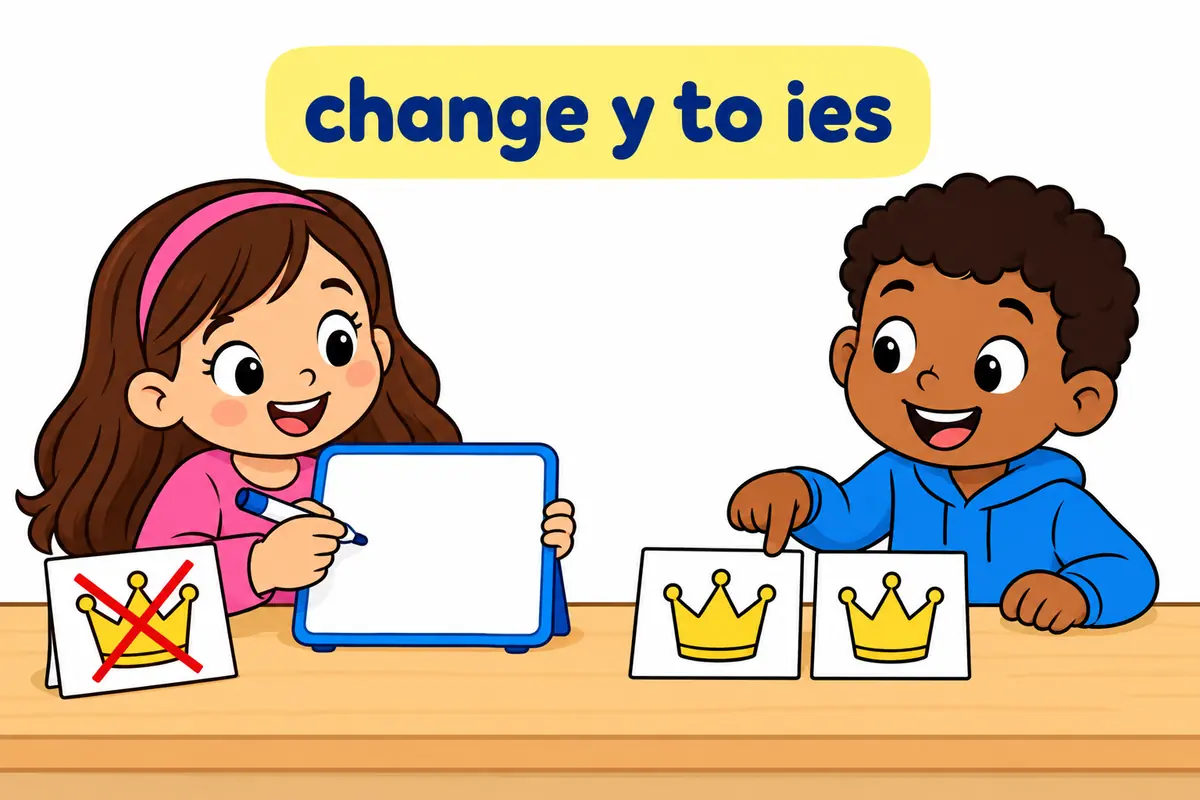
Spelling the plural wrongly. Incorrect: Several dynastys ruled the valley. Correct: Several dynasties ruled the valley. A noun ending in a consonant plus y changes the y to ies in the plural.
Dropping the determiner. Incorrect: Dynasty controlled the salt trade. Correct: The dynasty controlled the salt trade. Dynasty is countable, so a singular noun needs a, the or another determiner.
Treating it as a synonym for empire. Incorrect: The empire passed from father to son for centuries. Correct: The dynasty passed from father to son for centuries. A family line is a dynasty; an empire is a state.
Capitalising the common noun. Incorrect: The Tang Dynasty promoted poetry. Correct: The Tang dynasty promoted poetry. In modern style only the proper name is capitalised, while dynasty stays lowercase.
Using it for one ruler. Incorrect: The queen was a dynasty. Correct: The queen founded a dynasty. A dynasty is a line of rulers, not a single person.
Using the adjective in place of the noun. Incorrect: The dynastic lasted four generations. Correct: The dynasty lasted four generations. Dynastic is an adjective and must describe a noun, as in dynastic rule.
Practice using dynasty
- Fill in the blank: The ______ controlled the silk route for two hundred years.
- Choose the better word: The report described a ruling family, so it referred to the (dynasty / empire) that held the throne.
- Correct the error: Three dynastys ruled in quick succession.
- Build a sentence: describe a family of bakers who passed the business down for four generations, using dynasty in its extended sense.
- Spot the register: which sentence belongs in a history essay, “The dynasty collapsed after a disputed succession.” or “The royal family thing fell apart, pretty messy.”
- Fill in the blank: The adjective form appears in the phrase “a ______ marriage between two royal houses.”
- Choose the better word: The tale follows one king, so say he founded a (dynasty / monarch).
- Correct the error: The Ming Dynasty built the great harbour.
Answers
- dynasty — a named ruling family takes the determiner the.
- dynasty — the focus is the family line, not the territory.
- Three dynasties ruled in quick succession. — the plural changes y to ies.
- The family built a baking dynasty over four generations. — the extended sense covers a business family.
- The first sentence belongs in a history essay. — the second is too casual.
- dynastic — the adjective describes inheritance politics.
- dynasty — one king can found a line, but a monarch is the person.
- The Ming dynasty built the great harbour. — keep the common noun lowercase.
The bottom line
Dynasty is a countable noun for a ruling family that hands power down the generations, and dynasty in a sentence usually carries a family name such as Tang or Tudor. Keep it apart from empire, which names a state, and from reign, which names one monarch’s rule. The plural is dynasties, and the adjective dynastic describes the politics of inheritance.
Frequently asked questions about dynasty
What is the plural of dynasty?
The plural is dynasties. Because the singular ends in a consonant plus y, the y changes to ies when a second item is added. This is the same pattern as city into cities and family into families. A sentence such as two dynasties shared the region is therefore correct, while dynastys is a misspelling.
Is dynasty a proper noun?
No. Dynasty is a common noun, so it stays lowercase even when it follows a name. You write the Qing dynasty and the Tudor dynasty, capitalising only the family name. The word becomes part of a proper name in context, but the noun itself is never capitalised in modern style unless it begins a sentence.
How is dynasty different from empire?
A dynasty is a ruling family traced through generations, while an empire is a large state governed by one supreme ruler. The dynasty answers who rules and passes power down, and the empire answers how much land and how many peoples are controlled. A single dynasty can rule an empire, which is why the two words so often appear together.
Can dynasty refer to a family business?
Yes, in an extended sense. Journalists and historians call a family that holds power in one field for several generations a dynasty, so a banking dynasty or a sporting dynasty is normal usage. The key ideas survive: inheritance, continuity and concentrated influence. The word does not require royalty, only a family line that endures.