Effeminate is a dated adjective for a man or boy whose manner or appearance is traditionally associated with women, and it usually carries criticism. To use effeminate in a sentence safely, note that the word judges a man against a masculine norm, so neutral writing names the specific trait instead.
Effeminate at a glance
- Effeminate is an adjective used almost only of men and boys.
- Its forms are effeminately (adverb), effeminacy and the rarer effeminateness (nouns).
- The core sense is having qualities traditionally coded as feminine.
- The word is dated and normally disapproving, so careful modern writers avoid it about real people.
- The commonest error is applying it to a woman, where feminine is the correct adjective.
What does effeminate mean?
Effeminate is an adjective describing a man or boy whose manner, voice or appearance is traditionally associated with women. The Cambridge entry for effeminate gives the core sense of having qualities thought typical of a woman and marks the word as used of men. A delicate build or a soft voice can be described neutrally, but effeminate adds a judgement: it measures the man against an expectation of how men ought to be.
| Sense | Plain meaning | Example sentence |
|---|---|---|
| Of a man | A man with traits coded as feminine | The old review called the singer effeminate. |
| Of manner or style | Soft, lacking force (rare and literary) | The character spoke with an effeminate drawl. |
| Related noun | The quality of being effeminate | Critics mocked the effeminacy of his gestures. |
Two cautions matter. First, effeminate is not a synonym for gay, and it is not a synonym for transgender; it describes presentation, not identity, and using it to imply either is inaccurate as well as unkind. Second, the word carries a sting: many teachers and style guides now avoid it about a real person, because it treats a man’s femininity as a defect. When you only mean refined or gentle, say that instead, and the sentence loses the insult.
How do you use effeminate in a sentence?
The adjective usually sits before a noun, as in an effeminate manner, and it can follow a linking verb, as in his voice sounded effeminate, though the predicative form sounds more like a direct insult. Effeminate has no neutral meaning when it points at a person; the sentence is always making a judgement, so a writer who wants to describe rather than judge should name the trait itself.
| Pattern | Example | What it signals |
|---|---|---|
| effeminate + noun | an effeminate manner | Attributive use, the commonest pattern. |
| effeminate + man or boy | an effeminate boy | A direct and usually disapproving label on a person. |
| be or sound + effeminate | His voice sounded effeminate. | Predicative use after a linking verb. |
| effeminately + verb | He gestured effeminately. | Rare adverb describing the manner of an action. |
| the effeminacy of + noun | the effeminacy of the character | Noun phrase naming the quality as a subject. |
Effeminate in a sentence: examples across contexts
| Context | Example sentence | Why this works |
|---|---|---|
| Literary description | The novel describes an effeminate young man among the soldiers. | Reports a dated narrative voice rather than endorsing it. |
| Film criticism | Critics called the villain effeminate as well as cruel. | Shows the word carrying a stereotype into a review. |
| Historical writing | Victorian writers used effeminate to police men’s behaviour. | Treats the word as evidence about its era. |
| Voice description | His soft voice was unfairly called effeminate. | Signals that the label was a mistake. |
| Careful contrast | A gentle manner is not the same as being effeminate. | Separates a neutral trait from a loaded label. |
| Academic writing | The study traces how effeminate became a term of abuse. | Formal register with the word as an object of study. |
| Sport report (dated) | Old reports called the dancer effeminate and dismissed him. | Marks the word and its consequence clearly. |
| Plain description | The character is weak in the final act, not effeminate. | Replaces a loaded label with a fairer one. |
| Guidance to writers | Do not call a student effeminate; describe what you actually saw. | An instruction with a reason built in. |
| Register note | Modern criticism prefers feminine as the neutral word. | Positions the adjective against its neutral neighbour. |
Effeminate vs feminine
Feminine and effeminate both point to qualities associated with women, but only one is neutral. Feminine can describe a woman, a style, a voice or a grammatical class, and it carries no judgement. Effeminate is reserved for men and boys and almost always implies that something is wrong, which is why the two words cannot be swapped in careful writing.
| Attribute | Effeminate | Feminine |
|---|---|---|
| Core meaning | A man with traits coded as feminine | Qualities associated with women |
| Who it describes | Men and boys only | Anyone or anything |
| Connotation | Usually critical and dated | Neutral or positive |
| Typical target | A man’s manner, voice or style | A woman, a style, a voice, a noun class |
| What it implies | Failing a masculine standard | No judgement at all |
Describe a woman’s qualities as feminine, and avoid effeminate about a man unless you intend criticism, because it judges him against a norm rather than describing him.
Word forms and grammar of effeminate
| Form | Part of speech | Example |
|---|---|---|
| effeminate | adjective | an effeminate manner |
| effeminately | adverb | He gestured effeminately. |
| effeminacy | noun | the effeminacy of the character |
| effeminateness | noun (rare) | the effeminateness of the portrait |
| more effeminate | comparative | a more effeminate style |
| most effeminate | superlative | the most effeminate figure in the cast |
| of a woman | not used | Say feminine for a woman, never effeminate. |
Common mistakes with effeminate
Incorrect: She is effeminate. Correct: She is feminine. Rule: effeminate is used only of men and boys.
Incorrect: He behaved very effeminate. Correct: He behaved effeminately. Rule: a verb needs the adverb, not the adjective.
Incorrect: The effeminacy manners annoyed them. Correct: The effeminate manners annoyed them. Rule: the noun cannot modify another noun.
Incorrect: He is an effeminate. Correct: He is effeminate. Rule: an adjective cannot stand alone after a linking verb as a noun phrase.
Incorrect: The report offered effeminate as a neutral description. Correct: The report called the man gentle. Rule: effeminate evaluates, so it cannot be a neutral description.
Is effeminate an insult?
About a real man or boy, effeminate is normally heard as an insult, even when the speaker claims to be neutral. The word asserts that his manner fails a masculine standard, and it is the standard, not the manner, that careful readers question. In fiction and history the word is common because authors are reporting a period’s judgement; in a message about a colleague or a report about a student, it is best replaced by the specific quality you actually mean.
The sting belongs to the word’s history rather than to the qualities it names. A high voice, a graceful walk, an interest in fashion and a gentle manner are all ordinary human traits. Naming one of them directly leaves the reader free to judge for themselves, while effeminate does the judging for them.
Describing the same traits without the label
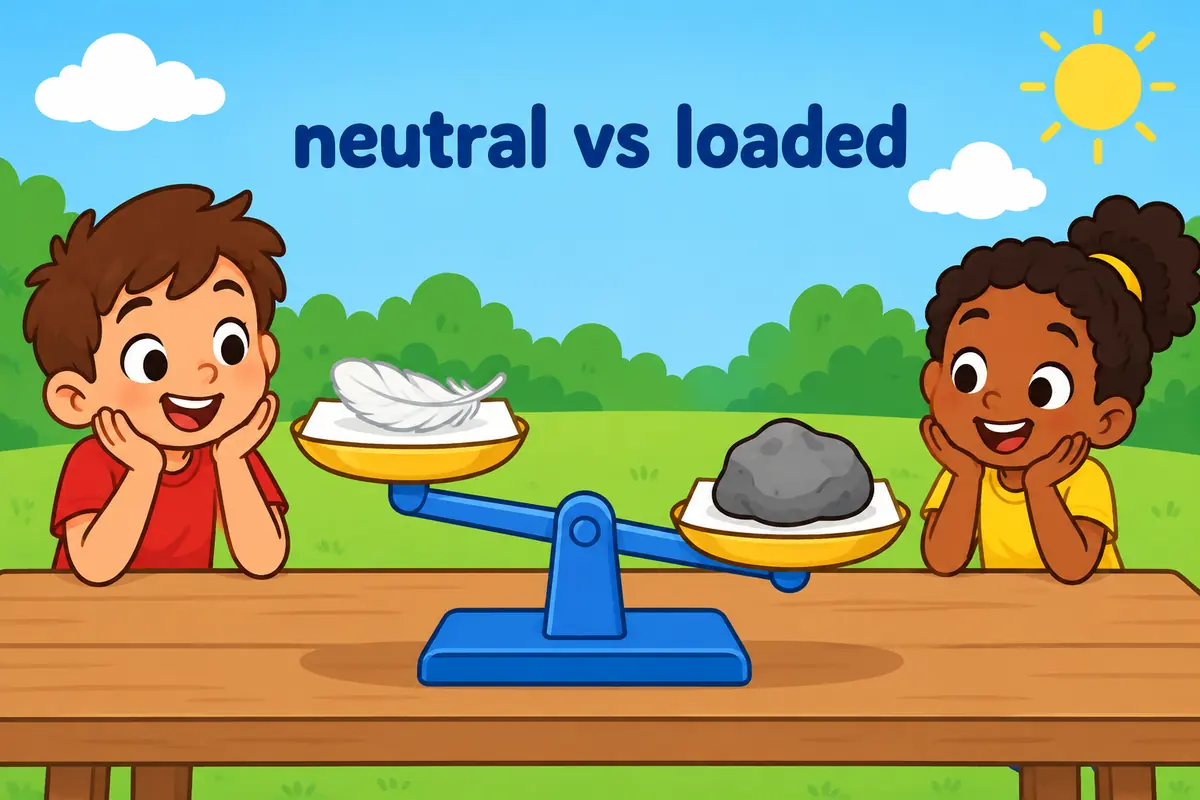
Because effeminate does the judging, the practical skill is replacing it with an observation. The table below pairs the loaded phrasing with the plain phrase a careful writer would choose, and each swap names something the reader can see.
| Loaded phrasing | Neutral phrasing | What changed |
|---|---|---|
| an effeminate voice | a soft, high voice | Names pitch instead of judging. |
| effeminate mannerisms | graceful gestures | Names the movement itself. |
| an effeminate boy | a boy who loves fashion | Names the interest, not the verdict. |
| an effeminate walk | a light, dancing step | Describes how he walks. |
| effeminate tastes | an interest in art and design | States the subject plainly. |
None of the neutral phrases claims that the trait is good or bad; each simply reports it. That is the test to apply whenever the adjective tempts you. If a sentence collapses once the judgement is removed, then the judgement was the whole point, and it probably does not belong in neutral writing about a real person.
Practice using effeminate
- Fill the gap: The old review called the singer ___.
- Fill the gap: Critics mocked the ___ of his gestures. (noun form)
- Choose the better word: Her style is (feminine / effeminate).
- Choose the better word: To describe a man’s slim build without insult, use (delicate / effeminate).
- Correct the error: She is effeminate.
- Build a sentence using effeminate and the noun manner.
- Which sentence is neutral: He has a gentle manner or He is effeminate?
- Correct the error: He behaved effeminate at the party.
Answers
- The old review called the singer effeminate, using the adjective as a label on a man.
- Critics mocked the effeminacy of his gestures, using the noun form of the adjective.
- Her style is feminine, because effeminate is not used of women.
- Describe a man’s slim build as delicate, which carries no judgement.
- She is feminine, because effeminate applies only to men and boys.
- The old portrait shows an effeminate manner, placing the adjective before the noun.
- He has a gentle manner is neutral, because it names a trait instead of judging the man.
- He behaved effeminately at the party, because a verb takes the adverb form.
The bottom line
Effeminate is an adjective for a man seen through a traditional idea of femininity, and it is dated and usually critical. Its forms are effeminately and effeminacy, and it is never used of a woman. When you write effeminate in a sentence about a real person, you are passing judgement rather than describing, so a neutral writer names the trait instead. Use feminine when no criticism is intended.
Frequently asked questions about effeminate
Can effeminate describe a woman?
No. Effeminate is reserved for men and boys, so a woman with the same qualities is described as feminine. Using effeminate of a woman sounds wrong to native speakers, because the word already contains the idea that a man has fallen short of a masculine norm.
What is the noun form of effeminate?
The usual noun is effeminacy, meaning the quality of being effeminate, as in the effeminacy of his gestures. The rarer effeminateness means the same. The adverb is effeminately, as in he gestured effeminately. The adjective itself does most of the work.
Why is effeminate considered dated?
The word belongs to an era when a man’s femininity was treated as a fault, so its judgement now sounds old-fashioned to many readers. Style guides often advise against it about real people. In historical and literary writing it survives because it records how earlier generations spoke and thought.
What is a neutral alternative to effeminate?
Name the trait rather than the verdict. Say a gentle manner, a soft voice, a graceful walk, a delicate build or a love of fashion. Each phrase describes something observable and leaves the reader free to draw their own conclusion, which is exactly what effeminate prevents.