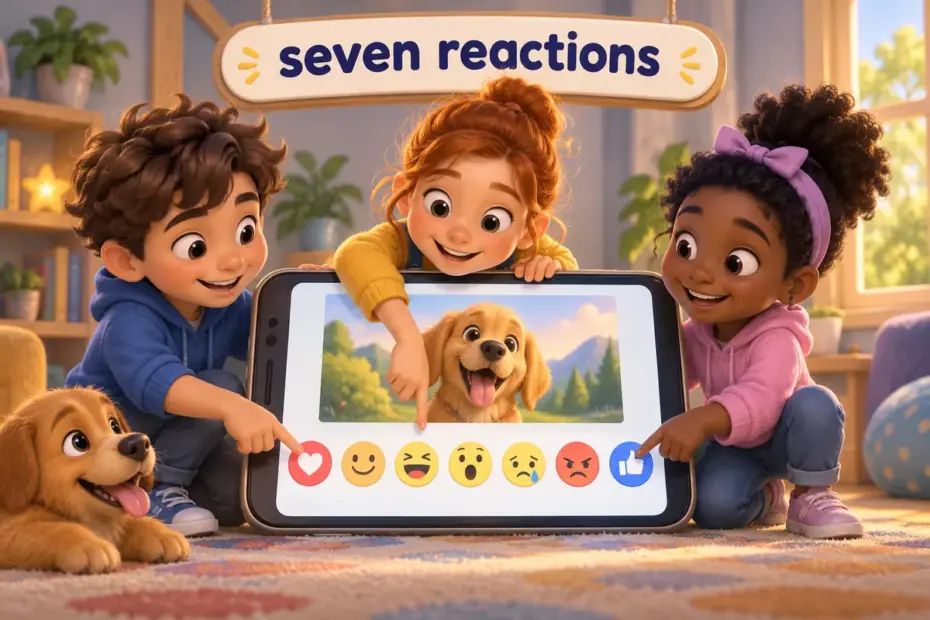
Facebook emoji meanings include the seven reactions people tap under a post, from Like and Love to Sad and Angry, plus the full emoji set in comments and Messenger. Each reaction names a feeling rather than a reply. A Love on a wedding photo reads very differently from a Like on a work schedule.
Facebook emoji meanings at a glance
- A Facebook reaction is a one-tap feeling, while a comment is a written reply.
- The seven reactions are Like, Love, Care, Haha, Wow, Sad and Angry.
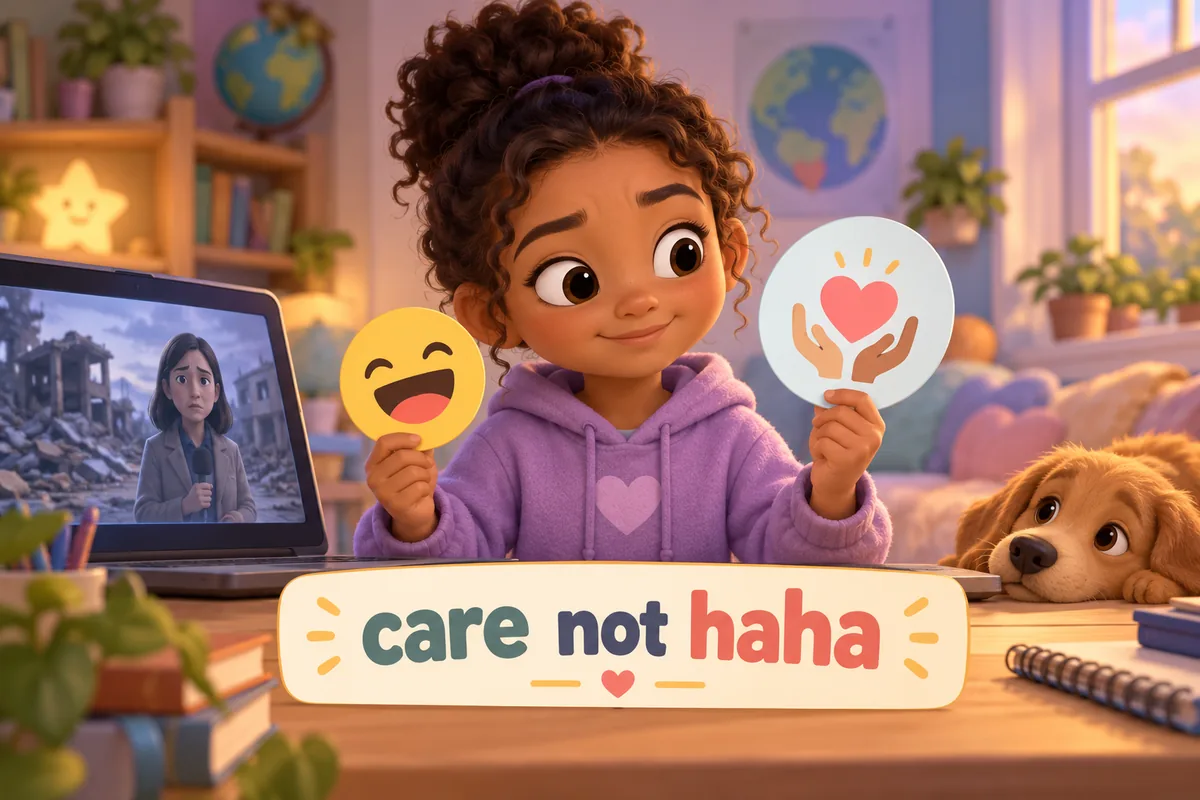
- The Care reaction shows comfort and fits hard news better than Love.
- The same reaction can read as support on one post and as sarcasm on another.
- The commonest mistake is a laughing reaction on a serious update.
What do Facebook reactions mean?
Each reaction names one feeling, so the choice is narrow but exact. A Like acknowledges a post, Love adds warmth, and Care offers comfort, which is why heavy news calls for Care rather than Love. A reaction is rarely taken at face value, because the post above it changes how the same icon reads.
| Reaction | How it shows | What it signals | When to send it |
|---|---|---|---|
| Like | a plain thumb style icon | acknowledgment without strong feeling | a useful link you have read |
| Love | a heart shaped icon | warm support | good news or a family photo |
| Care | a heart hugged by two hands | comfort and concern | a difficult day or an illness |
| Haha | a laughing face icon | the post is funny | a joke or a meme |
| Wow | a surprised face icon | astonishment | surprising or impressive news |
| Sad | a frowning face with a tear | sympathy or disappointment | bad news or a sad update |
| Angry | a red angry face icon | disapproval | injustice or a frustrating event |
Reactions fit light and public moments better than private grief. A bereavement post usually needs a written message, and a reaction alone can look like a shrug to someone who is hurting.
How do you read a Facebook reaction?
A reaction sits under the post, so it answers the post rather than a comment. A brand that hides bad news still has to face the music, and reactions on the post often show how people took it.
| Pattern | Example | What it signals |
|---|---|---|
| One reaction on a post | Love on a wedding photo | Approval of the event |
| Reaction on a news link | Angry on a story about a delay | Shares the poster’s frustration |
| Reaction on a comment | Haha on a comment | You laughed at the commenter |
| No reaction at all | seen but unanswered | You noticed and chose silence |
| Comment plus a reaction | Care plus a short line | Adds words to the feeling |
Facebook reactions across contexts
The same icon shifts meaning with the setting, so read the group before you tap. Polite disagreement can turn into a face off when two people trade angry reactions in public.
| Context | Action | Why it works |
|---|---|---|
| Family news | Love on a new baby photo | Matches the size of the happy news |
| Birthday post | Haha on a joke, with a comment to explain | Keeps the humour clear |
| Sad update | Sad on a hospital post, then a private message | Shows sympathy without guessing words |
| Public complaint | Angry on a late-delivery post | Adds your voice without an argument |
| Work group | Like on a schedule change | Confirms you saw it, nothing more |
| Fundraiser | Care on a charity appeal | Signals concern and support |
| Mixed company | No reaction on a political post | Avoids a public fight |
| Messenger chat | A row of standard emoji after a question | Keeps a private thread light |
| Brand page | Care on a customer complaint | Shows that the business noticed |
Which Facebook reaction should you use?
Match the reaction to the poster’s intent rather than to your own mood about something else.
| Situation | Best reaction | Why |
|---|---|---|
| Good personal news | Love | The warmest of the simple choices |
| Something funny | Haha | Names the laugh |
| Bad news for a friend | Care | Comfort rather than congratulations |
| A cause you support | Care or Like | Shows support without a claim |
| A post you disagree with | No reaction, or a written comment | A bare reaction looks dismissive |
| A work update you have read | Like | Acknowledges without a promise |
Choose the reaction that matches the post, and when the post is heavy, add words instead of a single icon.
How Facebook reaction names are written
The reactions have official names, but people say them as nicknames. Some replies belong in a face to face chat rather than a public reaction row.
| Form | What it is | Example |
|---|---|---|
| Reaction icon | The Facebook reaction beneath a post | the heart icon |
| Standard emoji | The full emoji set in posts and Messenger | a grinning face in a comment |
| Official name | The label Facebook gives each reaction | Love |
| Nickname | The word people say out loud | the heart reaction |
| Shortcode | The colon form some text tools accept | colon heart colon |
Common mistakes with Facebook reactions
Most reaction errors come from tapping the feeling the post gave you instead of the one the poster meant to send.
Incorrect: Angry reaction on a friend’s joke Correct: Haha reaction on a friend’s joke Rule: the reaction should match the poster’s intent, not your mood about something else
Incorrect: Love on a serious health update Correct: Care on a serious health update Rule: a joyful reaction can seem careless on sad news
Incorrect: A wall of reactions and no words on a bereavement post Correct: a short written message on a bereavement post Rule: heavy news needs words, and reactions are too small
Incorrect: Haha on a colleague’s mistake in a work group Correct: no reaction, or a private message Rule: public laughter in a work group can embarrass a colleague
Incorrect: a reaction used to argue a point with no comment Correct: a written comment that argues the point Rule: a bare reaction gives no reason and reads as a shrug
Practice using Facebook reactions
Six short tasks check whether you can match a reaction to a post and to a setting.
- Fill in the blank: a friend shares news of a new job, and the warmest simple reaction is blank.
- Choose the better reaction: for a grief announcement, Love or Care?
- Correct the error: a Haha reaction on a serious hospital update.
- Build a sentence: write the reaction and one comment you would add to a charity appeal.
- Spot the register: which fits a work group, a Like reaction on a schedule change, or an Angry reaction on the same post?
- Fill in the blank: on a joke post, blank names the laugh.
Answers
- Love, because a new job is happy news and Love is the warmest of the quick reactions.
- Care, because grief calls for comfort and a joyful reaction would look careless.
- Replace it with a Care reaction and a short message, because heavy news needs comfort and words rather than laughter.
- A Care reaction plus the line happy to donate this week, because the reaction shows concern and the comment commits.
- the Like reaction, because a work group stays calm and an Angry reaction would look like a public complaint.
- a Haha reaction, because that reaction names laughter directly.
The bottom line
Facebook emoji meanings come down to one tap that names a feeling, so the reaction should match the poster’s intent. Love warms good news, Care comforts hard news, and Haha names a laugh, while a heavy or private moment usually needs a written line. When in doubt in a mixed group, a Like is the safest acknowledgment and silence is safer still on a heated post.
Frequently asked questions about Facebook emoji
What is the difference between Like and Love?
Like acknowledges a post without strong feeling, so it suits a schedule change or a link you found useful. Love adds real warmth and suits good news such as an engagement or a birth. The two sit side by side, so the warmer tap is a deliberate choice.
What does the Care reaction mean?
Care shows comfort and concern rather than celebration, so it fits illness, a hard week or a loss. It became a common choice because it lets people offer sympathy without writing a message they might phrase badly. Send Care with a short line when you know the person well.
Are Facebook reactions the same as emoji?
Not quite. The reactions are a fixed set of seven feelings that Facebook designed for one-tap replies. Emoji are the full keyboard set used in posts, comments and Messenger. People still call the reactions emoji, which is where the two overlap.
Is the angry reaction rude?
It can be. On a news story or an injustice, Angry shares the poster’s frustration and reads as support. Aimed at a person in a mixed group, it looks like a public attack, so a private message usually serves better.