Figurative in a Sentence: Meaning and Examples
Figurative describes language that goes beyond a word’s ordinary, literal meaning to suggest an image or idea. For example, in “After the long hike, my legs were lead,” the legs are not made of metal; the sentence figuratively says they felt heavy. Use figurative most often before a noun, as in figurative language or figurative meaning.
Figurative Meaning vs. Literal Meaning
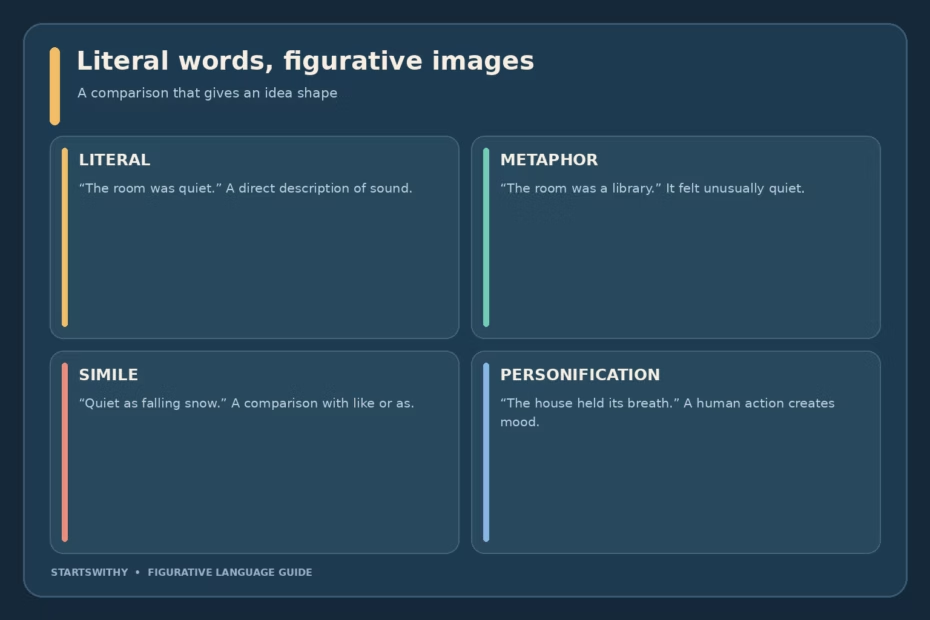
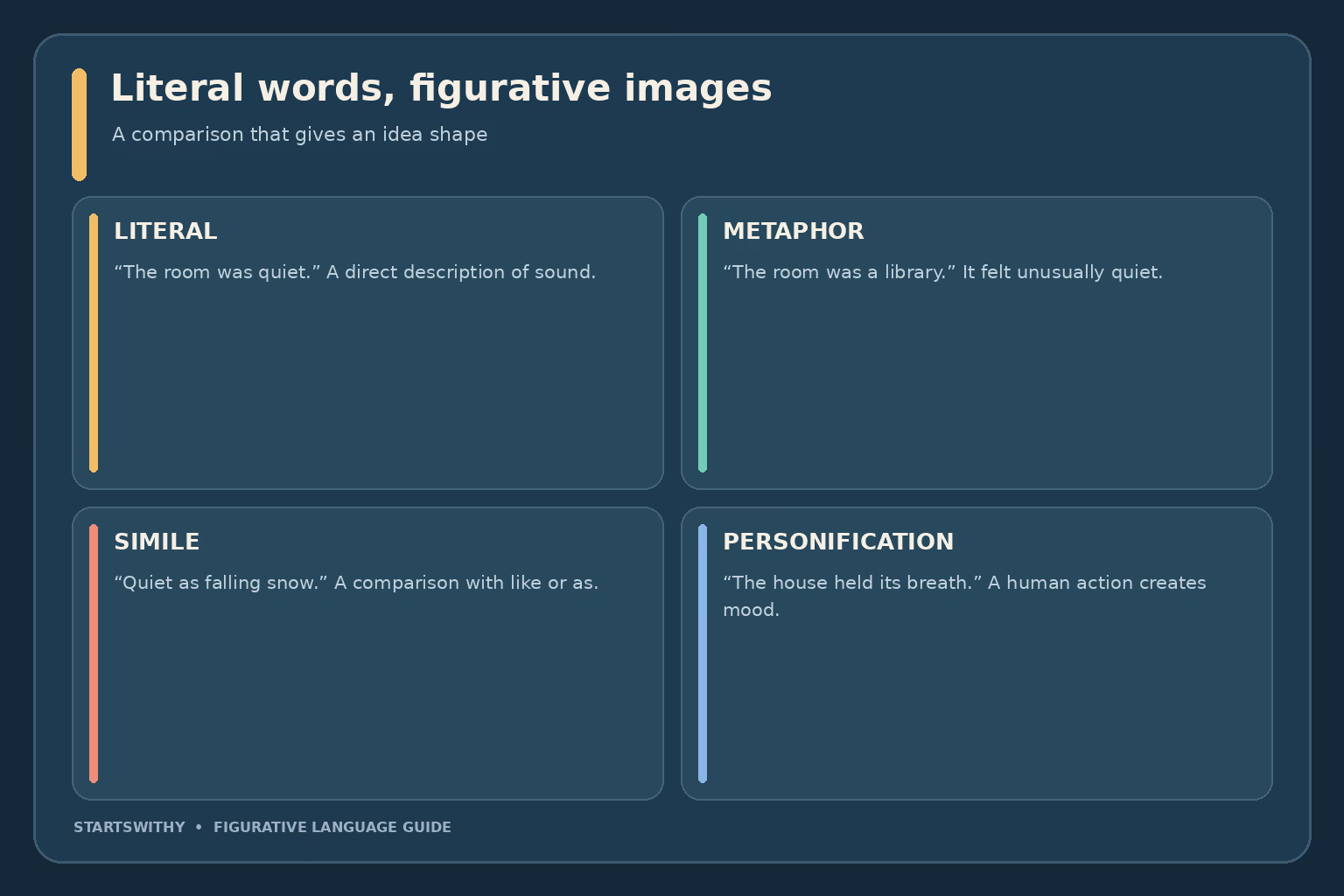
A literal sentence means what its words directly say: “The classroom was noisy” reports sound. A figurative sentence invites the reader to understand a comparison or implied meaning: “The classroom was a beehive” compares its busy activity to a hive. The clue is whether the words make sense as a direct physical description in context. Figurative language is not necessarily false; it communicates through association, emphasis, or imagery.
Oxford Learner’s Dictionaries describes figurative language as language used differently from its usual meaning to create a mental picture. The adjective can also describe representational art, but this guide focuses on words and sentences.
Figurative in a Sentence: 12 New Examples
- Figurative language turns “The news made her happy” into “The news put a spring in her step.”
- Calling the quiet library “a haven” is a figurative way to describe how peaceful it feels.
- In the sentence “The deadline crept closer,” figurative language gives time a human action.
- “His apology opened a door” is a figurative expression for creating a chance to reconcile.
- The phrase “a mountain of homework” is figurative; it emphasizes that the work feels like a lot.
- When the speaker says “I have told you a million times,” the number is figurative hyperbole, not an exact count.
- The poet uses figurative language when she calls the moon “a lantern in the dark.”
- “The old floorboards groaned” is a figurative sentence that personifies the boards.
- In “Her voice was velvet,” the figurative comparison suggests a soft, smooth sound.
- The coach’s phrase “We’re at a crossroads” is figurative because the team must choose between directions.
- To make the scene more vivid, the writer replaced a plain description with a figurative image.
- Readers use context to work out the figurative meaning of “That test was a breeze.”
Common Types of Figurative Language
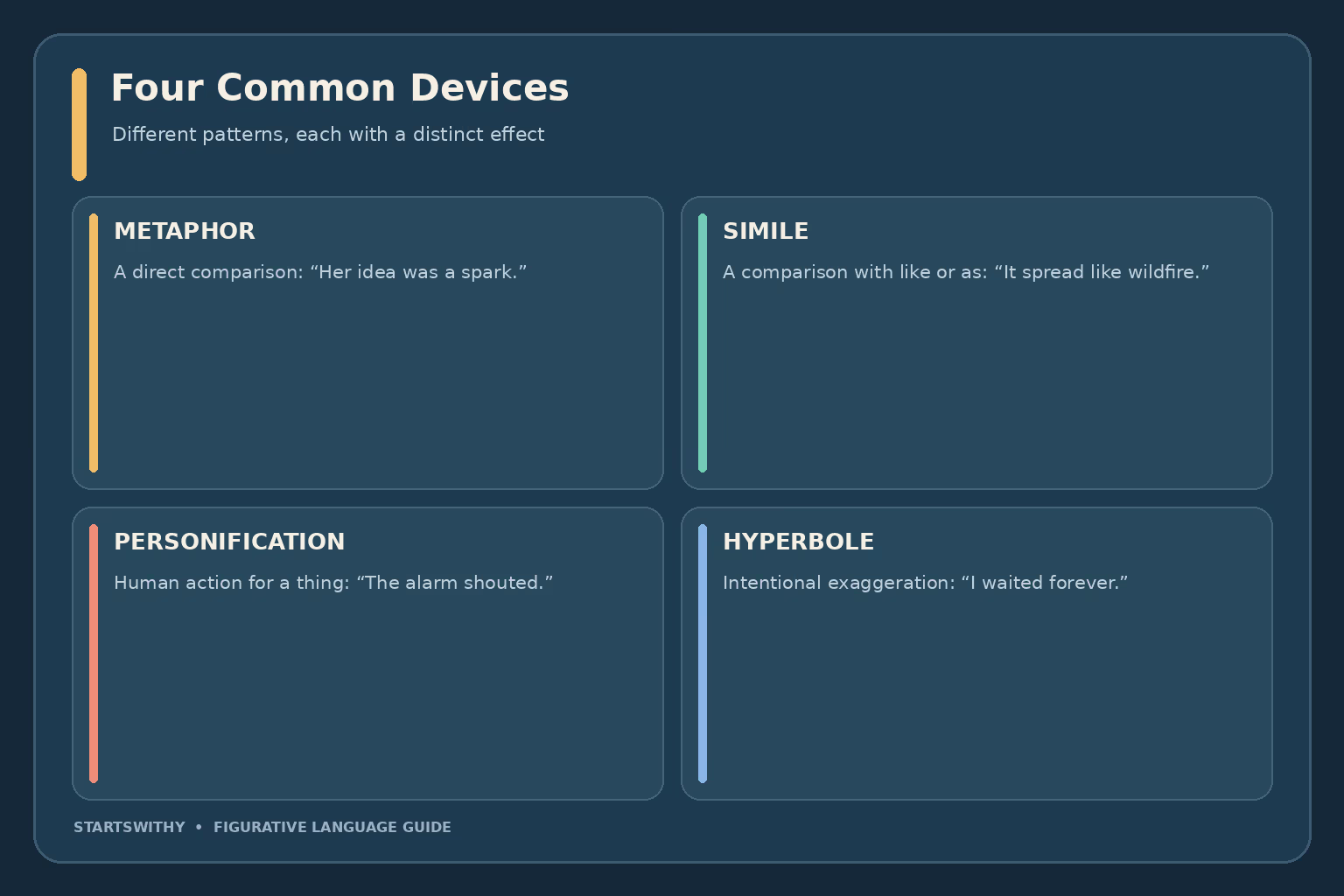
- Metaphor: A direct comparison, such as “The hallway was a river of students.” The students are not water; the image emphasizes their steady movement.
- Simile: A comparison signaled by like or as, such as “The puppy slept like a curled-up comma.”
- Personification: A description that gives a nonhuman thing a human action or quality, as in “The alarm clock yelled at dawn.”
- Hyperbole: Deliberate exaggeration for emphasis, such as “This backpack weighs a ton.”
- Idiom: A familiar expression whose meaning is not simply the literal meaning of its individual words, such as “break the ice,” meaning to make a social situation more relaxed.
These categories can overlap, and a sentence can use more than one device. The label matters less than the effect: identify what the expression asks readers to picture and what idea that picture conveys.
How to Use Figurative Correctly
Figurative is an adjective, so it usually describes a noun. Common combinations include figurative language, figurative expression, figurative comparison, and figurative meaning. To describe how someone speaks or writes, use the adverb figuratively: “She was speaking figuratively.”
For a natural sentence, place the adjective next to the idea it describes: “The author chose a figurative image,” or “The phrase has a figurative meaning.” Avoid attaching it awkwardly to the end of an example. The sentence “The stars looked like tiny diamonds” already contains a simile; calling the stars themselves “figurative” does not explain the comparison as clearly as “The sentence uses figurative language.”
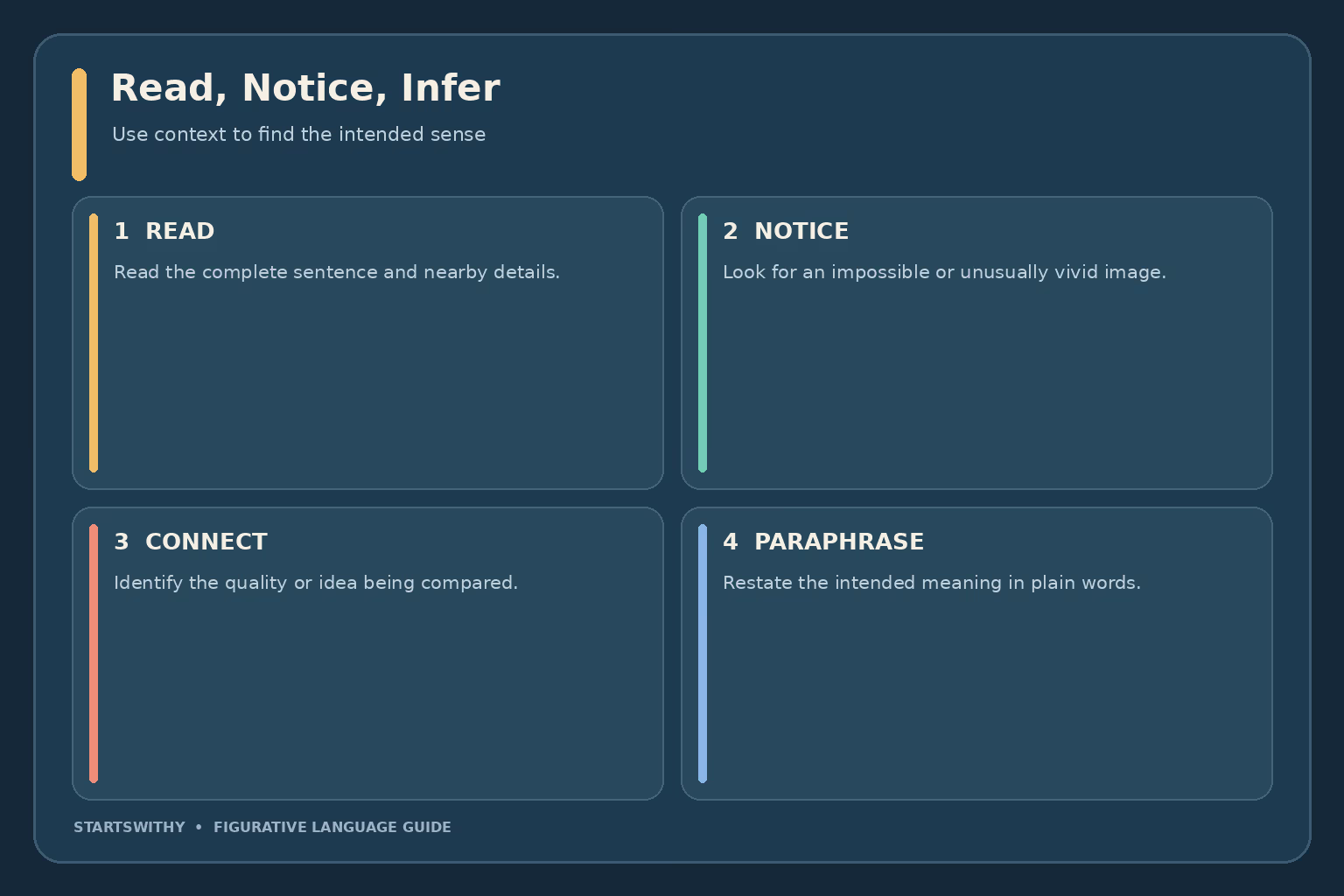
How to Recognize a Figurative Sentence
- Read the whole sentence. Nearby details often signal whether a phrase is meant literally or figuratively.
- Check the literal picture. Ask whether the subject could physically do or be what the words claim. If not, the writer may be using a figure of speech.
- Find the comparison or emphasis. Decide what quality is shared: speed, warmth, noise, difficulty, or another trait.
- Paraphrase the intended meaning. “The city never sleeps” can mean that activity continues late into the night, not that a city is a person.
- Keep the image clear. A fresh, relevant comparison helps; too many unrelated images in one sentence can distract readers.
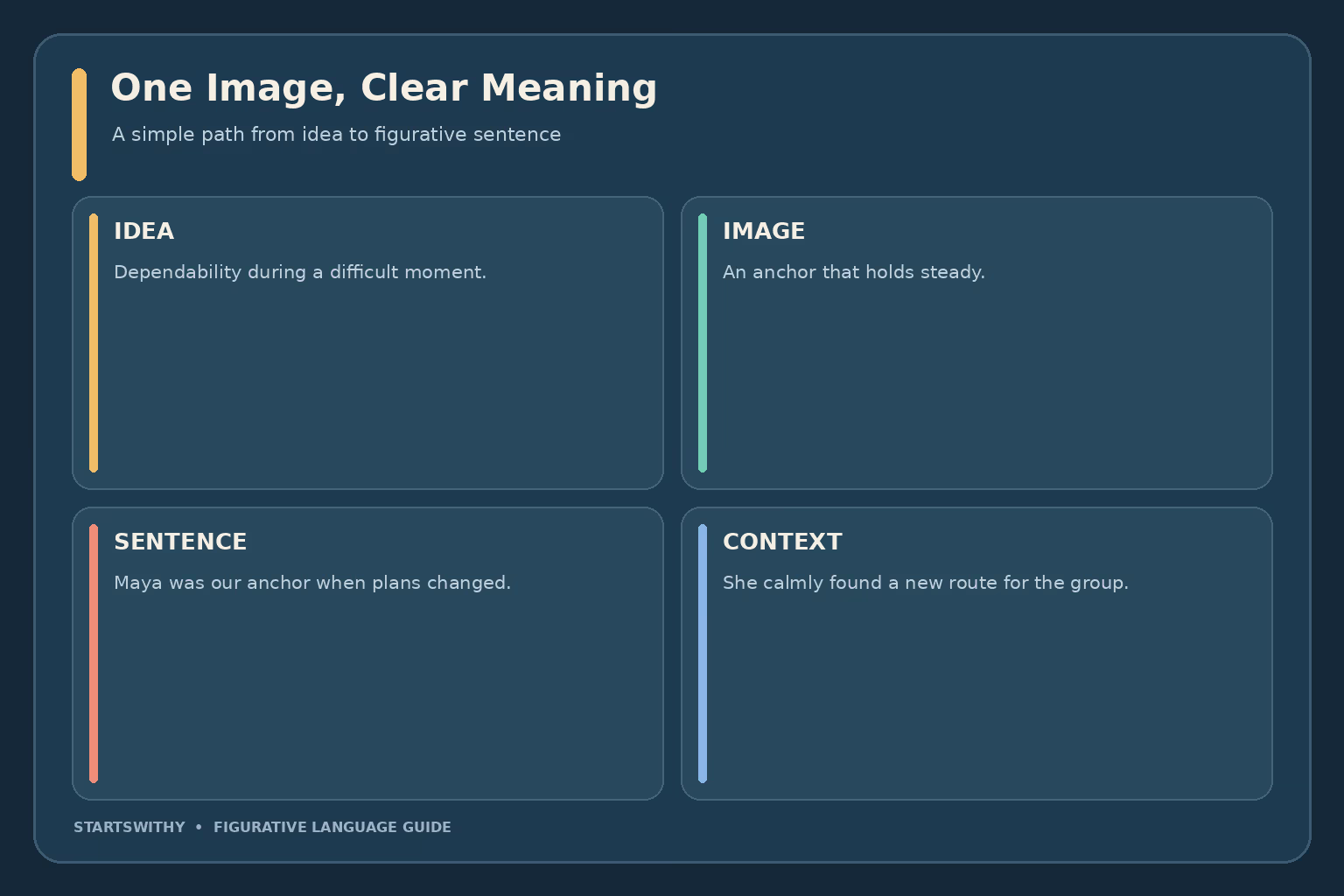
Build a Clear Figurative Sentence
Start with the idea you want the reader to understand, then choose one image that makes it easier to picture. If you want to show that a friend is dependable, you might write, “When plans changed, Maya was our anchor.” The anchor image suggests steadiness. A short surrounding detail can make the connection clearer: “When the schedule fell apart, Maya was our anchor, calmly finding a new route.”
Finally, read the sentence aloud and check that the comparison fits the tone and audience. A familiar image can make an explanation immediate, while an original image can make a description memorable. If the reader has to guess too long, add context or use a more direct phrase.
Original Illustration
The original examples and their illustration are preserved below.
Frequently Asked Questions
What does figurative mean in a sentence?
It means that a word or expression is being used beyond its ordinary literal sense to suggest an image or idea. In “The kitchen was an oven,” oven figuratively describes intense heat.
Is figurative the same as metaphorical?
They are closely related, but figurative is broader. A metaphor is one kind of figurative language; similes, personification, hyperbole, and idioms are other common kinds.
What is the difference between figurative and literally?
Literal describes the direct, basic sense of words. Figurative describes an intended nonliteral sense. For example, “I literally carried the box” says the action happened; “I carried the whole team” may figuratively mean that one person did most of the work.
How do you use figurative in a sentence?
Use it as an adjective before a noun: “The figurative phrase made the description memorable.” Use figuratively when modifying a verb: “He meant the warning figuratively.”
Have you ever come across a sentence that seemed to mean something entirely different from what the words were actually saying? This form of expression is known as figurative language.
Figurative language uses words in a non-literal way to create vivid imagery or convey deeper meanings. It includes various literary devices such as metaphors, similes, personification, and hyperbole.
7 Examples Of Figurative Used In a Sentence For Kids
- The stars looked like tiny diamonds in the sky, figurative.
- The sun was as bright as a lamp, figurative.
- The wind whispered secrets in the trees, figurative.
- The flowers danced in the breeze, figurative.
- The cat’s tail moved like a waving flag, figurative.
- The moon is a silver boat sailing in the night sky, figurative.
- The raindrops were like little tears falling from the sky, figurative.
14 Sentences with Figurative Examples
- Figurative language can enhance the impact of your writing by using metaphors and similes.
- Understanding the use of figurative language is essential for interpreting poems and literary works.
- Incorporating figurative language in your essays can add depth and creativity to your arguments.
- Literature classes often focus on analyzing the figurative language used by authors to convey deeper meanings.
- In academic writing, it is important to recognize and utilize figurative language to engage readers.
- By mastering the use of figurative language, students can effectively communicate complex ideas.
- College lectures may include discussions on the significance of figurative language in various types of texts.
- Professors often encourage students to use figurative language in their presentations to make their points more impactful.
- Engaging with figurative language can help students develop their critical thinking skills and interpret texts more effectively.
- When analyzing literary texts, it is crucial to pay attention to the author’s use of figurative language to uncover underlying themes.
- The use of figurative language in storytelling can transport readers into the world created by the author.
- By practicing writing with figurative language, students can enhance their creativity and expression.
- Examining how poets employ figurative language can deepen one’s appreciation for the artistry of their work.
- By experimenting with different forms of figurative language, students can refine their writing style and develop a unique voice.
How To Use Figurative in Sentences?
Figurative language is a powerful tool that adds depth and imagery to writing. One common type of figurative language is a figurative expression, which uses words in a non-literal way to create a specific effect. To use figurative language in a sentence, follow these steps:
-
Identify the figurative word or phrase you want to use. This could be a metaphor, simile, personification, or any other type of figurative language. For example, “The sea was a blanket of shimmering diamonds.”
-
Understand the meaning behind the figurative expression. In the example sentence, the sea is not literally a blanket or made of diamonds, but the phrase conveys the idea of beauty and sparkles.
-
Contextualize the figurative expression in your sentence. Make sure the figurative language fits well with the rest of your writing and enhances the imagery you want to portray. For instance, “As the sun set, the sky turned into a canvas of fiery colors.”
-
Revise and edit your sentence to ensure that the figurative language flows smoothly and effectively communicates your intended message. Practice using different types of figurative expressions to enhance your writing skills.
By following these steps, beginners can learn how to use figurative language effectively in their writing to create vivid and captivating descriptions.
Conclusion
In this article, I have provided several examples of sentences with figurative language. Figurative language is a powerful tool that helps writers create vivid imagery and convey complex ideas in a more engaging and creative way. By using metaphors, similes, and other forms of figurative language, writers can evoke emotions, paint vivid pictures, and make their writing more impactful.
Whether it’s comparing two unlike things with a metaphor or painting a picture with words using a simile, figurative language adds depth and richness to writing. It allows readers to connect on a deeper level with the text and enhances the overall reading experience. By incorporating figurative language into their writing, authors can bring a new dimension to their storytelling and leave a lasting impression on their audience.