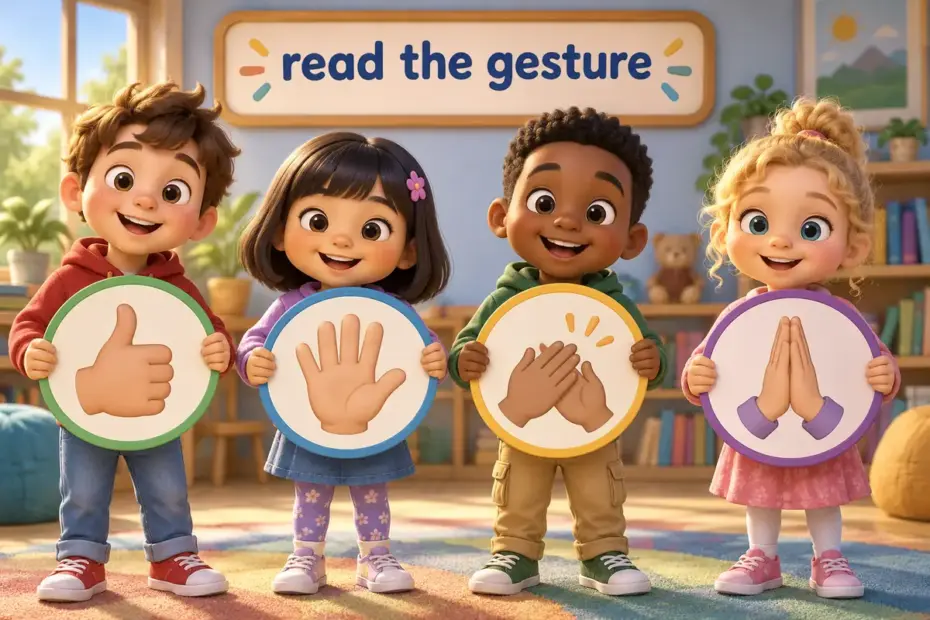
Hand emoji meanings change with the gesture, because a thumbs up approves, folded hands thank or plead, and a waving hand greets. The same shape can be warm in one chat and sarcastic in another. A clapping pair is the quickest way to applaud a message in text.
Hand emoji meanings at a glance
- A hand emoji stands for a gesture, and each gesture carries its own social meaning.
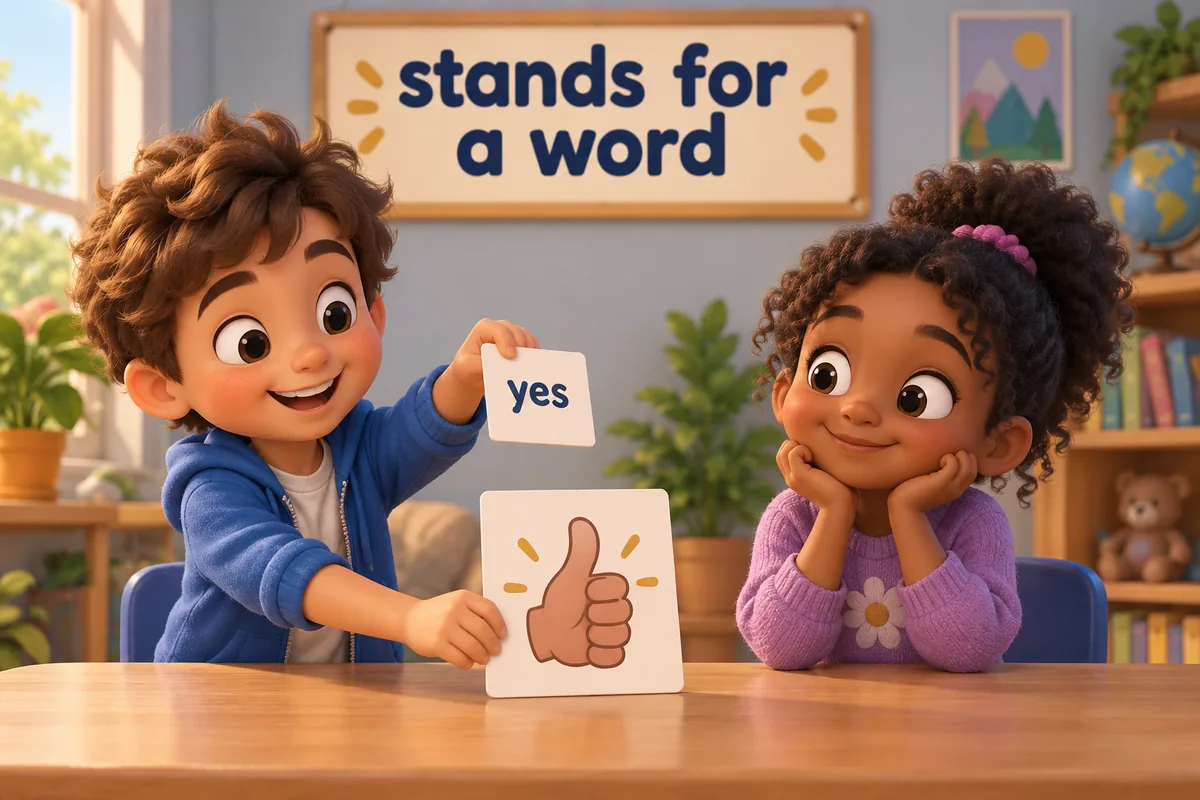
- A thumbs up approves, agrees or confirms that a task is done.
- Folded hands thank, greet or ask, so the words around them decide which.
- A thumbs down is blunt and reads as a public vote against a point.
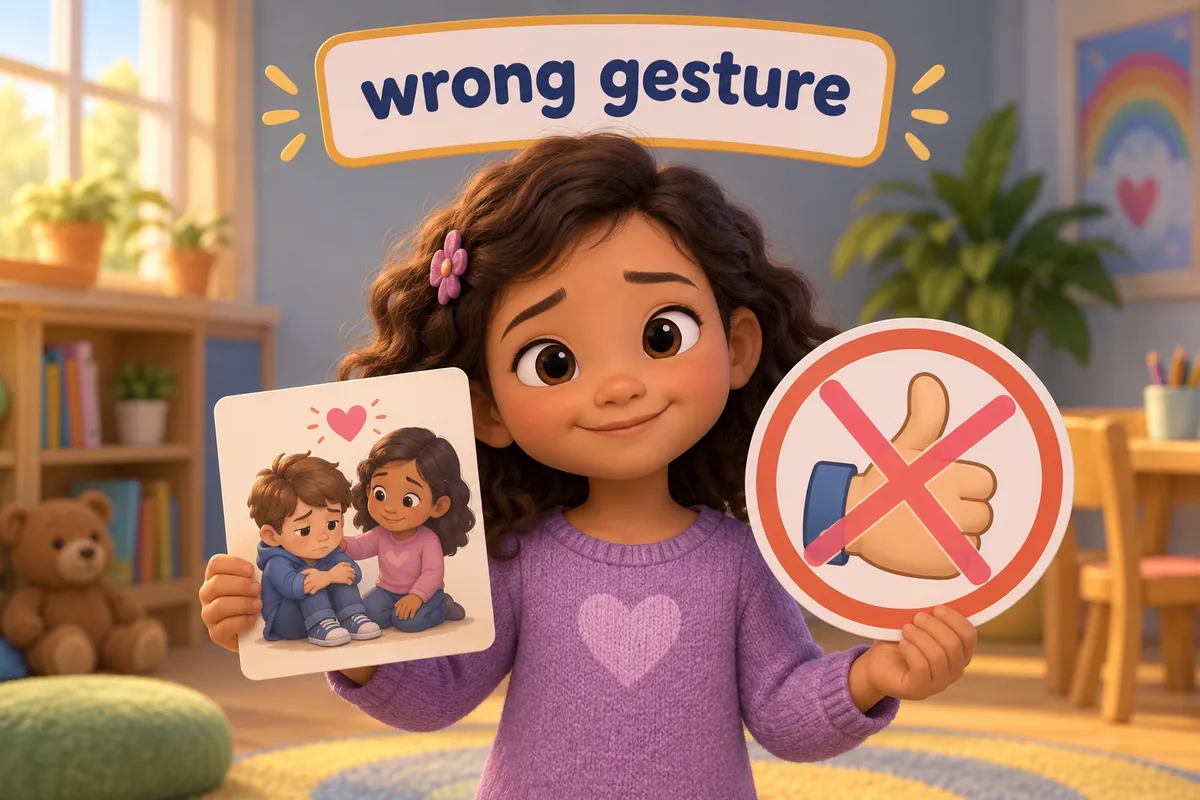
- The commonest mistake is using a thumbs up as a reply to bad news.
What do hand emoji mean?
A hand emoji copies a real gesture, so its meaning travels with the gesture rather than the shape. A thumbs up agrees, an OK sign says fine, and raised hands celebrate, while folded hands can thank or plead depending on the sentence. A thumbs up is the handiest reply at hand when words would slow a message down.
| Gesture | Emoji | Plain meaning | Everyday example |
|---|---|---|---|
| Thumbs up | thumb raised | approval, agreement or done | Send the file tonight, thumbs up |
| Thumbs down | thumb lowered | disapproval or a no vote | The plan is too costly, thumbs down |
| OK sign | finger and thumb ring | fine, correct or approved | Answers checked, OK sign |
| Clapping | two open palms | applause or emphasis | Great result, clapping hands |
| Raised hands | two hands up | celebration or welcome | We won the match, raised hands |
| Folded hands | palms pressed | thanks, greeting or a plea | Please reconsider, folded hands |
| Waving hand | palm side to side | hello or goodbye | Morning everyone, waving hand |
| Crossed fingers | two fingers crossed | hoping for luck | Wish me luck, crossed fingers |
Hand emoji are a poor fit for a formal report, a job application or a legal letter, where a gesture can look overfamiliar. They also fail when the hands do the talking and no words carry the actual instruction. In a message to a stranger, a single hand can even read as abrupt, so a short sentence usually does the job better.
How do you use a hand emoji in a sentence?
A hand emoji usually replaces a short phrase such as yes, thanks or well done, so it sits where that phrase would go. Learners who travel pick gestures up first hand and then overuse them at home.
| Pattern | Example | What it signals |
|---|---|---|
| Hand replaces a word | Meeting confirmed, thumbs up | Yes, agreed |
| Hand after a request | Can you check this, folded hands | A soft plea or thanks in advance |
| Hand alone as a reply | clapping hands | Applause for the previous message |
| Two hands for intensity | clapping hands repeated three times | Enthusiastic praise |
| Hand with a number | Countdown to launch, crossing fingers and one | Hope tied to a date |
Hand emoji meanings across contexts
The same gesture shifts meaning with the setting, so read the group before you send. Asking for a favour is not the same as going cap in hand, and a light face keeps the request friendly.
| Context | Sentence | Why it works |
|---|---|---|
| Text to a friend | On my way, thumbs up | Confirms without a full reply |
| Work chat | Task done, thumbs up | Signals completion cleanly |
| Group chat | Who is in for Friday, raised hands | Invites a show of support |
| Email to a colleague | Thanks for the help, folded hands | Warm but still brief |
| Social post | First swim of the year, raised hands | Matches the celebration |
| Customer support | Thanks for your patience, folded hands | Polite close to a thread |
| Classroom note | Spelling test tomorrow, crossing fingers | Shares a shared hope |
| Message to a client | Happy to send the draft, thumbs up | Agreement without pressure |
| Peer review | Great edit, clapping hands | Names the praise directly |
| Appointment reminder | See you at ten, thumbs up | Confirms a booking in one tap |
| Formal complaint | no hand emoji at all | Keeps the record serious |
Which hand emoji should you use?
Match the gesture to the job the message has to do, from greeting to refusal.
| Situation | Best gesture | Why |
|---|---|---|
| Confirming a plan | Thumbs up | Clear agreement in one tap |
| Thanking someone | Folded hands | Reads as gratitude in a short line |
| Congratulating a team | Clapping hands | Names applause directly |
| Rejecting a proposal | No hand emoji, with words | A thumbs down looks dismissive |
| Replying to bad news | No hand emoji | A cheerful gesture would clash |
| Welcoming a group | Waving hand | A friendly opener |
Choose the gesture that matches the message’s job, and drop the hands when the content is serious.
How hand emoji are named and written
The clap and the raised hands work hand and glove to show applause, but each gesture keeps its own official name.
| Form | What it is | Example |
|---|---|---|
| Pictured gesture | The hand shape shown in the message | a raised thumb |
| Official name | The long label used in official lists | thumbs up |
| Nickname | The short name people say | the like hand |
| Skin tone variant | The same gesture in a chosen skin tone | a waving hand with a tone |
| Combination | A hand joined to another symbol | clapping hands beside a trophy |
Common mistakes with hand emoji
Most hand emoji errors come from a gesture that fights the words next to it.
Incorrect: Sorry to hear that, thumbs up Correct: Sorry to hear that, folded hands Rule: a gesture of approval clashes with sympathy
Incorrect: Please help me, thumbs up Correct: Please help me, folded hands Rule: a plea needs a softer gesture than agreement
Incorrect: Well done everyone, thumbs down Correct: Well done everyone, clapping hands Rule: the gesture should match the praise in the words
Incorrect: Dear Sir, report attached, thumbs up Correct: Dear Sir, please find the report attached. Rule: formal writing carries tone in words, not gestures
Incorrect: I disagree, thumbs up Correct: I disagree, and here is why Rule: a positive gesture cannot express a serious objection
Practice using hand emoji
Six short tasks test whether you can match a hand gesture to a message and a register.
- Fill in the blank: the report is ready, blank, and you want to confirm completion.
- Choose the better gesture: for a thank-you note, thumbs up or folded hands?
- Correct the error: Sorry for the delay, thumbs up.
- Build a sentence: write a group-chat line that invites people to a match and shows support with one hand emoji.
- Spot the register: which fits a client email, a thumbs up after an update, or folded hands after an update?
- Fill in the blank: to wish a friend luck before an exam, send blank.
Answers
- a thumbs up, because the gesture confirms completion in one tap.
- folded hands, because that gesture expresses gratitude while a thumbs up only agrees.
- Sorry for the delay, folded hands, because an apology needs a softer gesture than approval.
- Who is coming to the match, raised hands, because the gesture invites a show of support.
- folded hands, because gratitude reads as polite in a client email while a thumbs up can seem brisk.
- crossed fingers, because that gesture names the hope for luck.
The bottom line
Hand emoji meanings follow the gesture they copy, so a thumbs up agrees, folded hands thank or plead, and a clapping pair applauds. Match the gesture to the job of the message, keep it soft for requests and apologies, and leave the hands out of formal writing. One clear gesture usually beats a row of them. Read the relationship and the setting first, because the same thumb can confirm a plan for a friend and seem brusque to a stranger.
Frequently asked questions about hand emoji
What does a thumbs up really mean?
A thumbs up usually means agreement, approval or done. In a work chat it confirms that a task is complete, and in a group it shows that you are in favour. In some cultures and older generations it can read as abrupt, so a short word beside it helps.
Do folded hands mean thank you or please?
Both. Folded hands can offer thanks, greet someone or make a plea, and the sentence decides which. After help, it reads as gratitude. Before a request, it reads as please. On its own it is ambiguous, so pair it with a few words.
Is a thumbs down rude?
It can be. A thumbs down is blunt because it gives a verdict with no reason. In a friendly poll it is fine as a no vote, but aimed at a person or an idea in a mixed group it looks dismissive, so a written reason usually works better.
Why are there several clapping gestures?
Apps show the clapping pair and raised hands as separate characters, and each carries a slightly different tone. Clapping hands praise a result or a person, while raised hands celebrate a shared win or welcome a group. The choice changes the mood of the line.