Skip to content

Latest English Guides

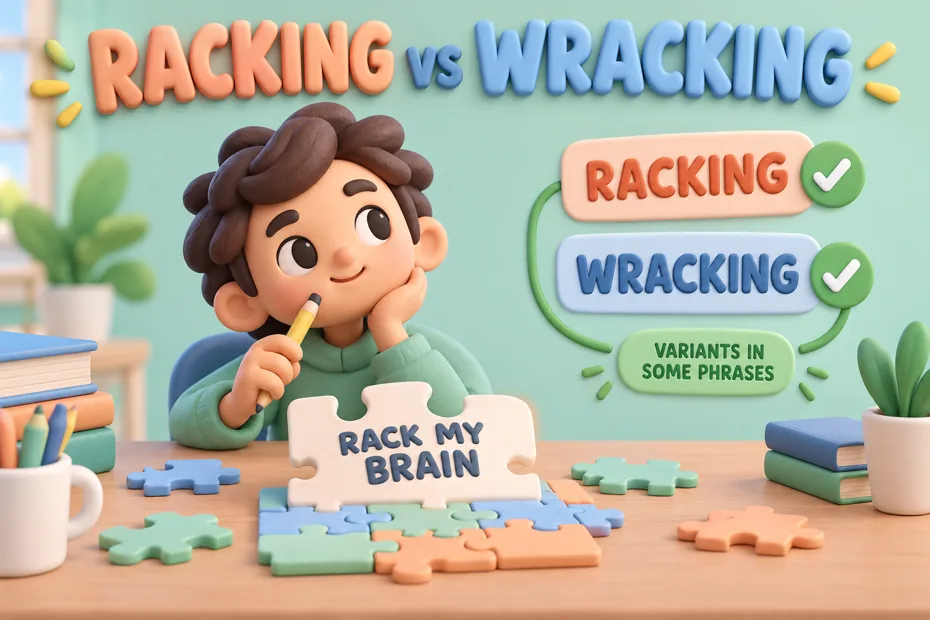
Student considers rack my brain with racking and wracking variant cards

Understanding the Difference between Racking and Wracking: Using Appropriately for Effective Communication

    Have you ever found yourself confused about whether to use “racking” or “wracking” in your writing? Well, fear no more, because in this text, I’ll provide you with a clear understanding of when and how to use these two words appropriately. As a seasoned writer, I’ve encountered this dilemma countless times, and I’m here to shed some light on the subject for you.
    In the following paragraphs, I’ll e

    Travelers fated to meet contrasted with an author being feted

    Fated vs. Feted: How to Use These Words Appropriately for Effective Communication

      Have you ever found yourself confused between “fated” and “feted”? These two words may sound similar, but their meanings couldn’t be more different. In this text, I’ll guide you on how to use these words appropriately, so you can avoid any embarrassing mix-ups in your writing.
      “Fated” refers to something that is predetermined or destined to happen. It carries a sense of inevitability, as if it was

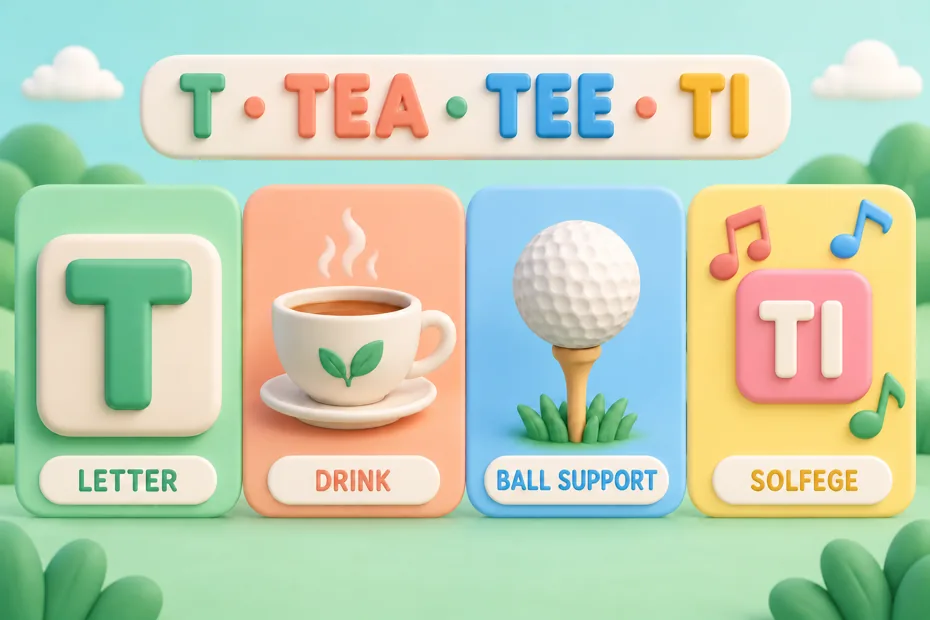
      T alphabet letter, tea drink, tee ball support, and ti music syllable

      Mastering the Differences: Using “t,” “tea,” “tee,” and “ti” Appropriately

        Have you ever found yourself confused about when to use “t,” “tea,” “tee,” or “ti”? As an expert in language and communication, I’ve encountered this dilemma countless times. In this text, I’ll guide you through the proper usage of these terms, helping you avoid common mistakes and communicate more effectively.
        We’ll start by examining the differences between “t,” “tea,” “tee,” and “ti” and their

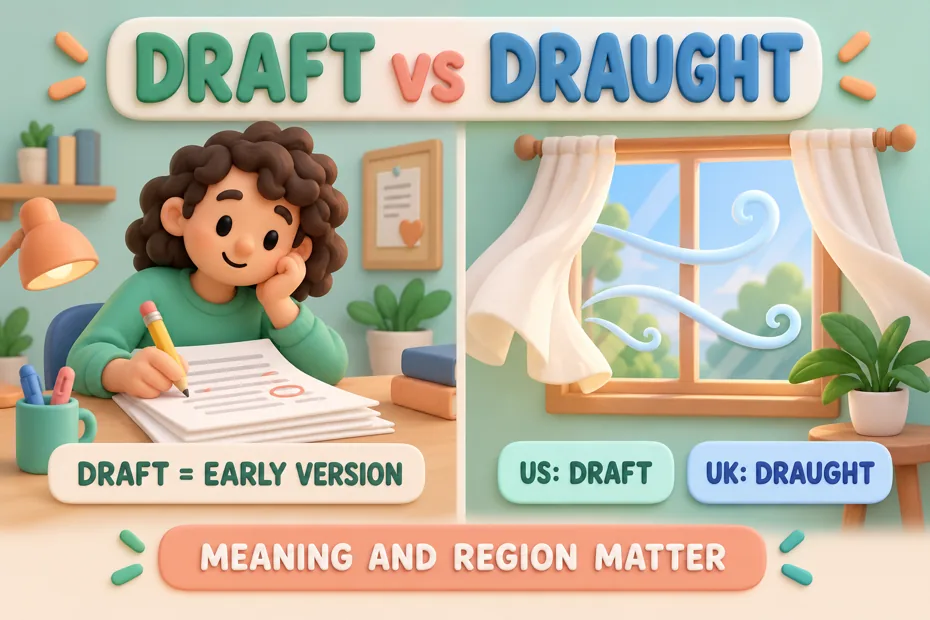
        Writer edits draft while breeze illustrates American draft and British draught

        Draft vs Draught: Proper Usage and Tips on How to Use Them Appropriately

          Draft versus draught: meaning and region decide Draft is the usual spelling for a preliminary written version in American and British English. For a current of air, drink drawn from a cask, or load-pulling animal, American English usually uses draft, while British English commonly uses draught. The spellings share pronunciation; draught is not pronounced like… Read More »Draft vs Draught: Proper Usage and Tips on How to Use Them Appropriately

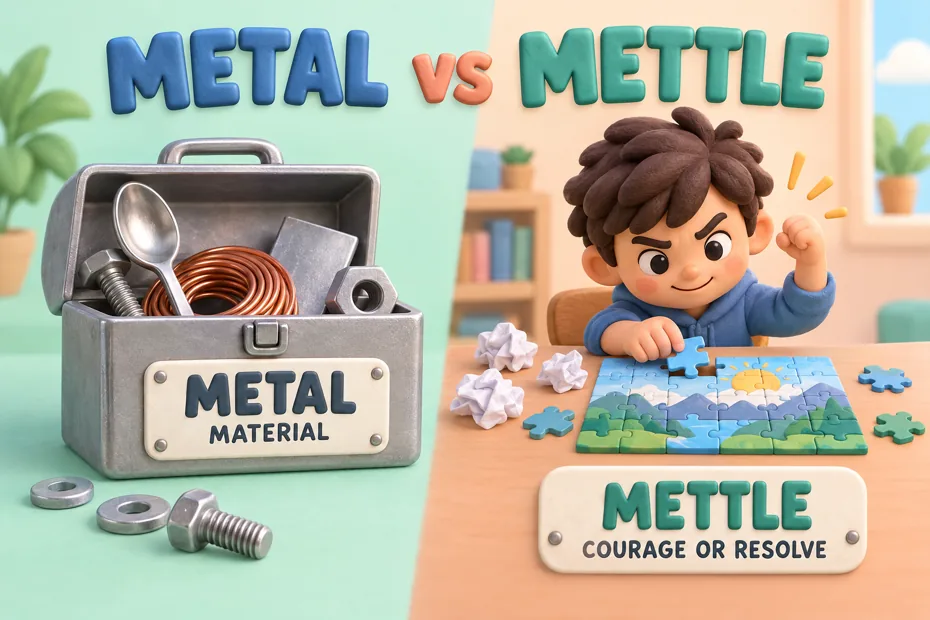
          Metal toolbox and materials contrasted with a determined puzzle solver showing mettle

          Using Metal vs Mettle Appropriately: A Guide to Understanding the Difference

            When it comes to writing, choosing the right words can make all the difference. One common confusion that often arises is the distinction between “metal” and “mettle.” These two words may sound similar, but they have entirely different meanings. In this text, I’ll investigate into the nuances of these terms and provide you with a clear understanding of how to use them appropriately. Whether you’re

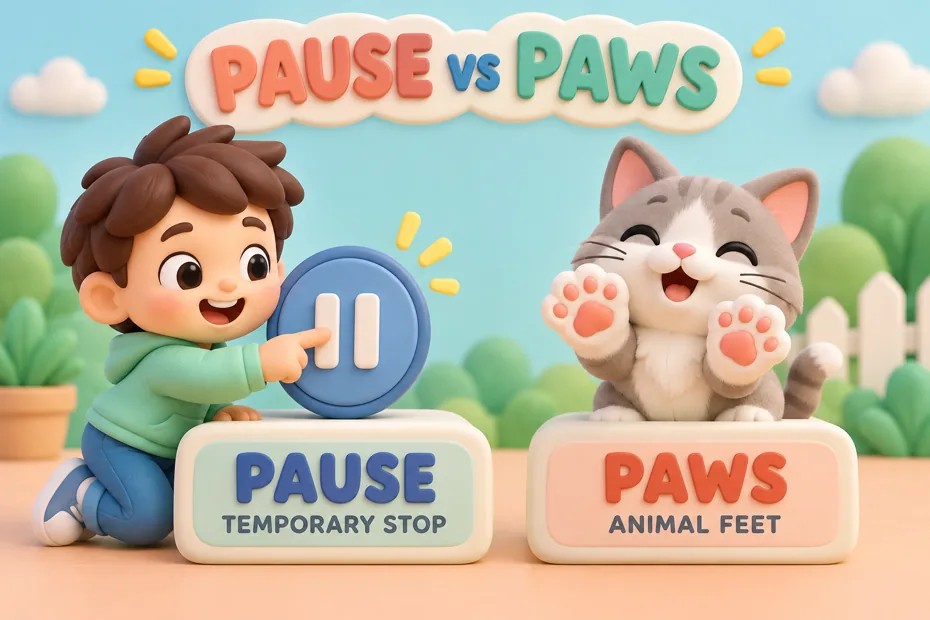
            Child presses pause icon beside kitten showing paws

            Using “Pause” and “Paws” Appropriately: Understanding the Difference and Correct Usage

              Hey there! Have you ever found yourself in a situation where you weren’t sure whether to hit the pause button or unleash your inner animal with some paws action? Well, you’re not alone! In this text, I’ll guide you through the subtle yet significant difference between “pause” and “paws” and how to use them appropriately in various contexts.
              We’ll explore the meanings and usages of these two words,

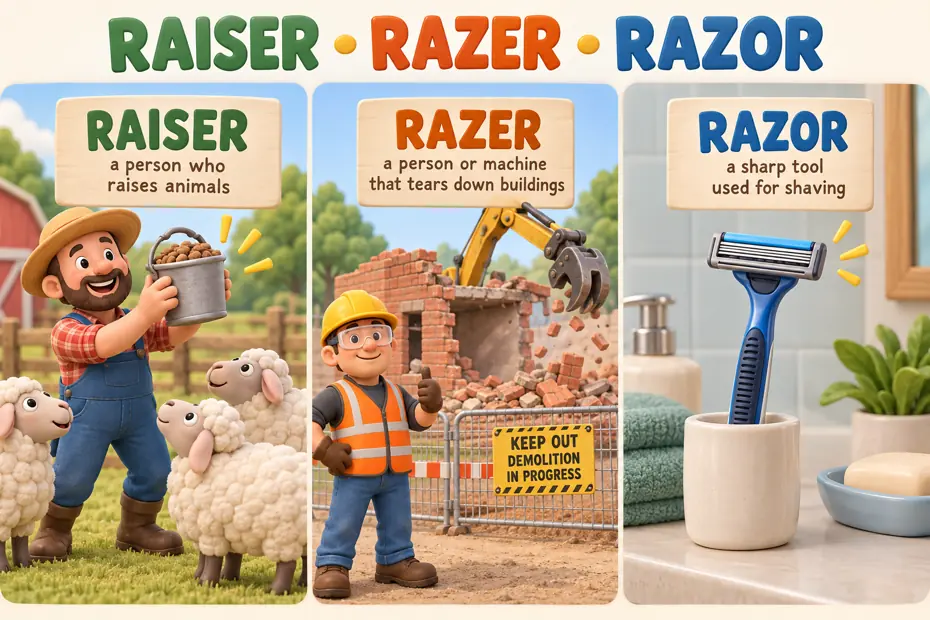
              Sheep farmer, demolition worker, and shaving razor illustrate raiser razer razor

              Mastering the Differences: Raiser vs Razer vs Razvs and How to Use Them Appropriately

                Are you confused about the difference between “raiser,” “razer,” and “razvs”? Well, I was too, until I delved into the world of these terms and discovered their true meanings. In this text, I’ll guide you through the intricacies of these words and help you understand how to use them appropriately. Whether you’re a language enthusiast or simply looking to enhance your vocabulary, this article will

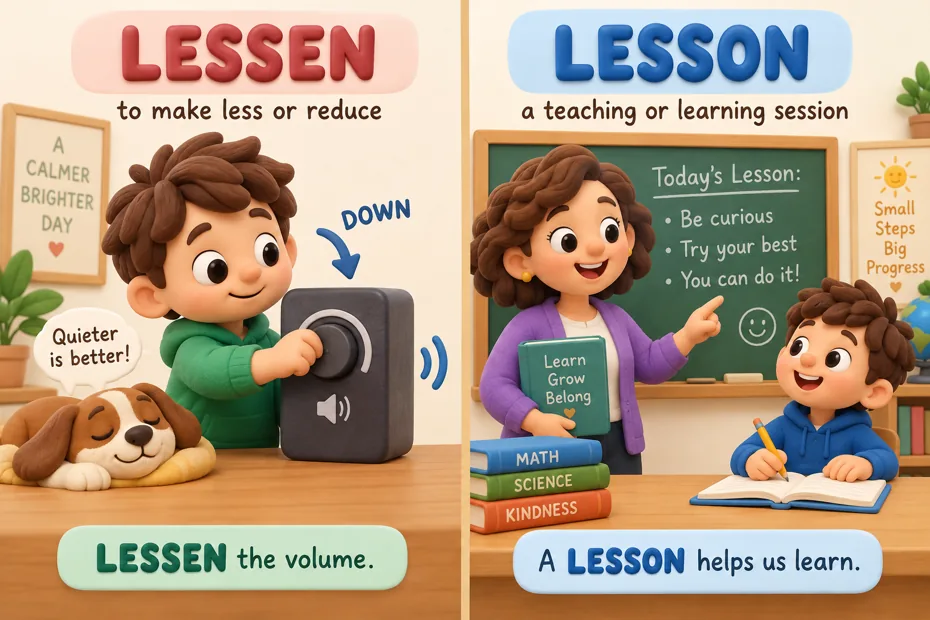
                Child reduces speaker volume while teacher gives lesson

                Choosing Between “Lessen” and “Lesson”: Using them Appropriately to Enhance Communication

                  Ever found yourself confused between “lessen” and “lesson”? You’re not alone! In this text, I’ll clarify the difference between these two words and help you use them appropriately.
                  “Lessen” is a verb that means to reduce or make something smaller in size, amount, or intensity. It’s often used when talking about decreasing the severity of a situation or minimizing the impact of something. On the ot

                  3D animated teacher points to a board reading HOUSE vs HOWS vs HOW’S beside a cozy home.

                  House vs. Hows vs. How’s: Meanings and Examples

                    Hey there! Are you confused about when to use “house,” “hows,” or “hows” in your writing? Well, you’re not alone! As a language enthusiast and seasoned writer, I’ve come across this common dilemma countless times. In this text, I’ll guide you through the proper usage of these words, helping you avoid embarrassing grammar mistakes and ensuring your writing is on point.
                    We’ll start by exploring the

                    A compact camera taking a photograph in a classroom; the English device spelling is camera.

                    Camara vs. Camera: Meaning, Spelling & Examples

                      Are you confused about the difference between “camara” and “camera”? Well, you’re not alone. As a professional photographer, I often come across people using these terms interchangeably. In this text, I’ll clarify the proper usage of “camara” and “camera” and help you avoid any embarrassing mix-ups.
                      Firstly, let’s address the common misconception that “camara” is the correct spelling. It’s actuall

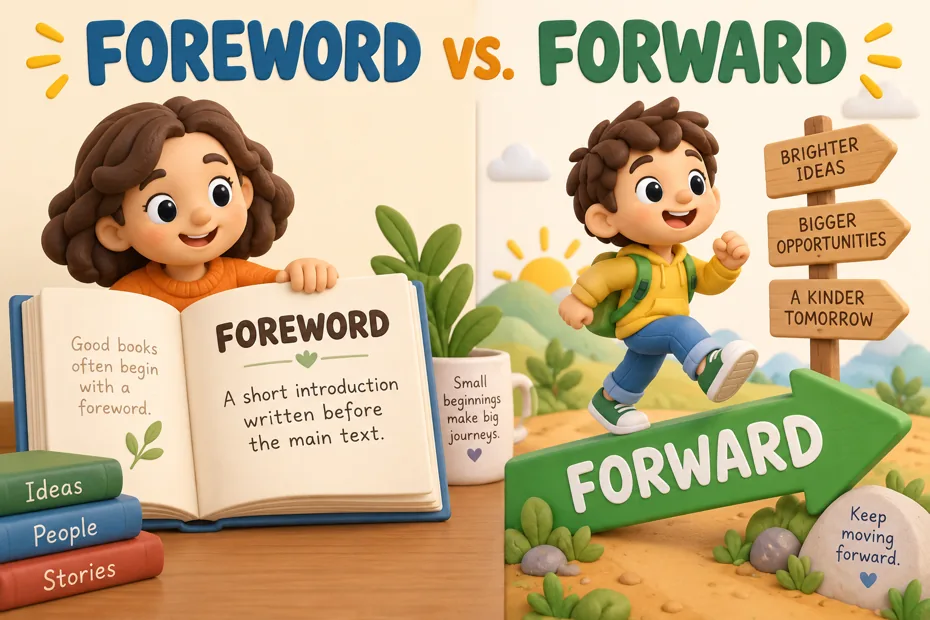
                      Book foreword beside child moving forward on arrow

                      Navigating the Proper Usage of “fvseward vs fvsewvsd vs fvsward” for Effective Communication

                        Correcting the spellings: foreword vs. forward Foreword names introductory comments at the beginning of a book, often written by someone other than its author. Forward commonly means ahead or toward the front, and as a verb it can mean send onward. The original title’s “fvseward,” “fvsewvsd,” and “fvsward” are unexplained spellings; do not learn them… Read More »Navigating the Proper Usage of “fvseward vs fvsewvsd vs fvsward” for Effective Communication

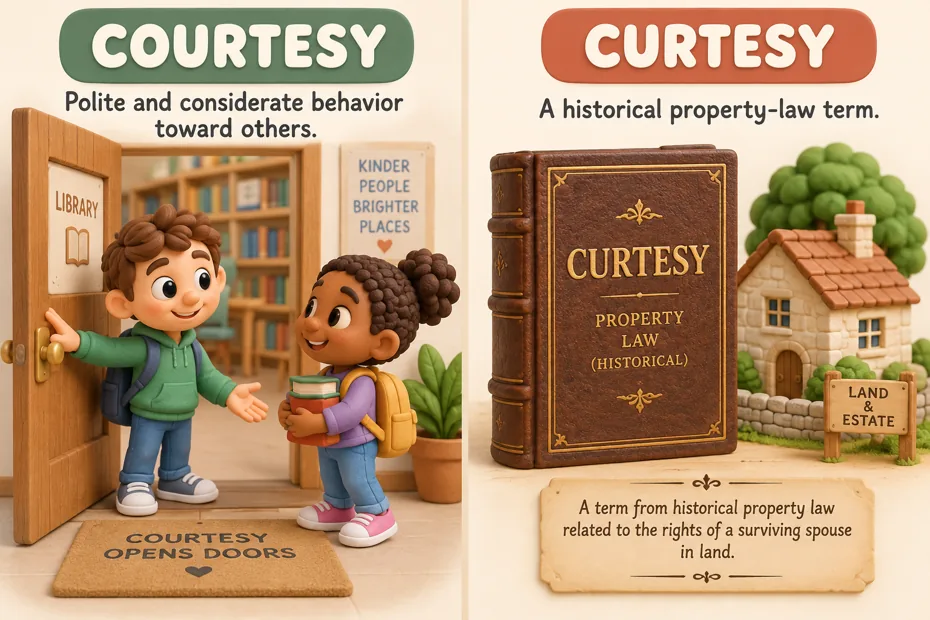
                        Child holds door beside historical curtesy law book

                        Courtesy vs Curtesy: Understanding the Difference and Using Them Appropriately

                          Courtesy vs. curtesy: manners or a historical legal term? Courtesy usually means politeness, considerate behavior, or a favor offered out of consideration. Curtesy is a specialized historical property-law term concerning a husband’s interest in his deceased wife’s real property under particular common-law conditions. Use courtesy for manners and everyday favors; reserve curtesy for the legal… Read More »Courtesy vs Curtesy: Understanding the Difference and Using Them Appropriately

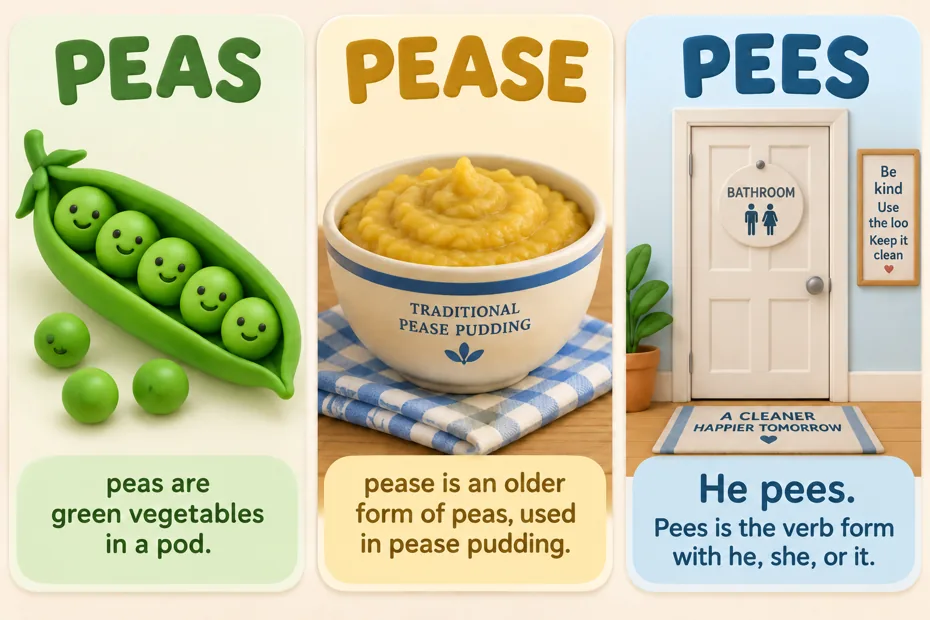
                          Peas pod, pease pudding, bathroom door compare spellings

                          Understanding the Differences: Peas vs Pease vs Pees – How to Use Them Appropriately

                            Are you ever confused about when to use “peas,” “pease,” or “pees”? Well, you’re not alone. In this text, I’ll guide you through the proper usage of these similar-sounding words and help you avoid common mistakes. Understanding the differences between “peas,” “pease,” and “pees” is essential for effective communication, whether you’re writing an academic paper, a professional email, or simply enga