In the professional environment, the way we describe and perceive our coworkers significantly shapes our workplace experiences and relationships. Positive descriptors not only highlight the strengths and qualities of our colleagues but also foster a supportive and affirming work atmosphere.
In this article, we delve into a collection of positive words that can be used to describe coworkers. From ‘dependable’ and ‘innovative’, to ‘collaborative’ and ‘driven’, these words illuminate the diverse abilities and virtues that coworkers can possess.
Ideal for anyone looking to acknowledge their colleagues’ efforts, leaders striving to create a positive team culture, or professionals drafting recommendation letters, this exploration will provide an enriching vocabulary to appreciate and affirm the contributions of coworkers. So, let’s journey into this world of uplifting descriptors, and discover the power of positive words in cultivating a harmonious and productive workplace.
How to Choose a Positive Word to Describe a Coworker
Choose a word that matches work behavior you have actually observed, then support it with a clear example. For instance, call someone reliable when you can point to an agreed deadline they met or a delay they raised early. A descriptor is a useful starting point, not proof of a person’s overall character or a guarantee of a particular team result.
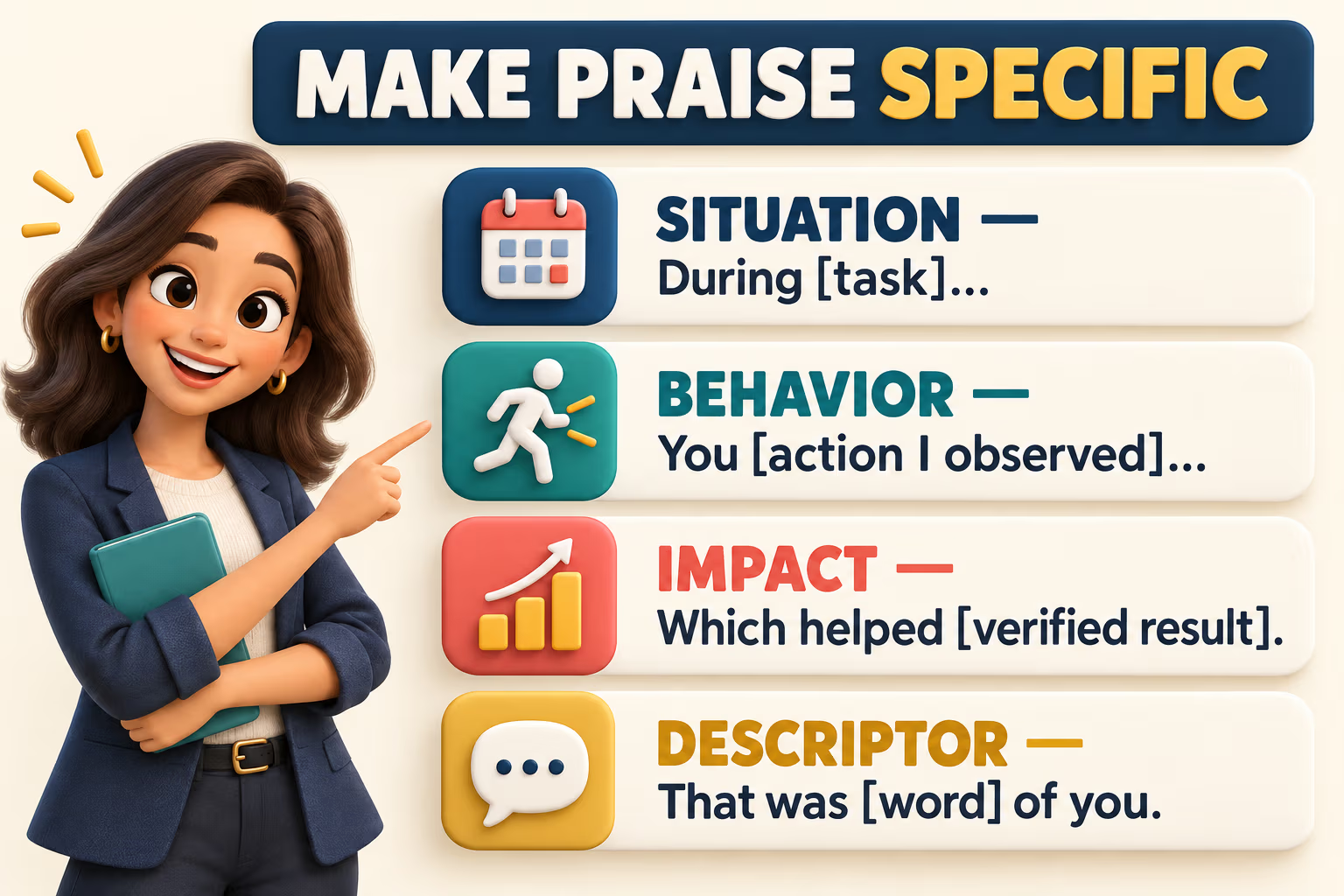
When giving workplace feedback, the U.S. Office of Personnel Management recommends making it specific, timely, and actionable, and describes a Situation–Behavior–Impact model. The CIPD evidence review also cautions that feedback may help or harm performance depending on how it is delivered. These principles make a word more useful when you explain the situation, the action you noticed, and a result you can verify.
Pick evidence: name a real task, action, or contribution.
Choose a fitting word: use a descriptor that matches that example.
Keep the claim fair: avoid assumptions, absolutes, and demographic labels.
Positive Words to Describe Coworker’s Performance
Describing coworkers in a positive light can foster a harmonious working environment, enhance team spirit, and promote effective communication. This article will delve into an array of positive words that can be used to describe coworkers, highlighting their qualities, contributions, and the value they add to the team.
Approachable: An approachable coworker is friendly and easy to talk to. They make themselves accessible, encouraging open communication and collaboration.
Brilliant: Brilliant coworkers are exceptionally intelligent or talented. They bring unique insights and ideas to the table, driving innovation and excellence.
Committed: Committed coworkers show dedication to their work and the team. They’re dependable and consistently make valuable contributions.
Diligent: Diligence is a virtue in any work environment. Diligent coworkers display meticulous attention to detail, ensuring tasks are completed thoroughly and accurately.
Efficient: Efficient coworkers are proficient at managing their tasks and time. They execute their responsibilities effectively, often making significant contributions to productivity.
Flexible: Flexible coworkers can adapt to changes and unexpected situations. They’re open to new ideas and can adjust their strategies or processes as needed.
Generous: Generous coworkers share their time, knowledge, and resources. They are often willing to help others and contribute to a supportive and collaborative work environment.
Honest: Honesty is a highly valued trait in any coworker. Honest coworkers are transparent, straightforward, and reliable, fostering trust within the team.
Innovative: Innovative coworkers think outside the box. They bring fresh ideas and creative solutions, often leading to improvements and progress.
Joyful: Joyful coworkers maintain a positive and cheerful attitude. They contribute to a pleasant working environment and can boost the team’s morale.
Knowledgeable: Knowledgeable coworkers possess a deep understanding of their field. They can provide valuable insights and advice, making them an excellent resource for the team.
Loyal: Loyal coworkers support their team and the organization. They are dependable, trustworthy, and often contribute to a stable and secure working environment.
Motivated: Motivated coworkers are driven and enthusiastic. Their passion and dedication can inspire others and boost overall productivity.
Nurturing: Nurturing coworkers support the growth and development of others. They provide guidance, share knowledge, and help create a positive and enriching work environment.
Optimistic: Optimistic coworkers maintain a positive outlook. They can see the silver lining in challenges and are often a source of motivation and inspiration.
Proactive: Proactive coworkers take the initiative. They anticipate needs, identify opportunities, and act before being asked.
Reliable: Reliable coworkers can be counted on to fulfill their responsibilities. They meet deadlines, uphold their commitments, and consistently deliver high-quality work.
Supportive: Supportive coworkers provide help and encouragement. They’re there for their team members, offering assistance, advice, or a listening ear when needed.
Trustworthy: Trustworthy coworkers uphold their commitments and display high ethical standards. They are honest, dependable, and foster a sense of trust within the team.
Understanding: Understanding coworkers show empathy and compassion. They respect others’ feelings and perspectives, contributing to a harmonious and inclusive work environment.
Versatile: Versatile coworkers can handle a variety of tasks and roles. They are adaptable and can adjust to changing demands or situations.
Wise: Wise coworkers provide sound advice and judgment. Their experience and insight can be invaluable, particularly when facing challenges or making strategic decisions.
eXperienced: Experienced coworkers have a wealth of knowledge and skills acquired over time. They can provide guidance, mentorship, and valuable insights based on their past experiences.
Youthful: Youthful coworkers, irrespective of their age, bring energy, fresh perspectives, and enthusiasm to the team. They are open to new ideas and can infuse a sense of dynamism into their work. Use carefully: If you mean energy or openness to ideas, name that observed behavior; the Home Office inclusive-language guide recommends referring to age only when it is relevant.
Youthful: Youthful coworkers, irrespective of their age, bring energy, fresh perspectives, and enthusiasm to the team. They are open to new ideas and can infuse a sense of dynamism into their work.
Zealous: Zealous coworkers are passionate and fervent about their work. Their enthusiasm can be infectious, inspiring others to strive for excellence.
Turn a Coworker Descriptor Into Specific Praise
A simple way to make a compliment clearer is to connect the situation, an observed behavior, and its actual impact. Fill in the brackets with details you know to be true: “During [project or task], you [specific action I observed], which helped [verified result]. That was [descriptor] of you.” This keeps the praise about work someone did instead of relying on a vague personality label.
Descriptor
Evidence you could mention
Reliable
Met an agreed deadline or raised a delay early.
Supportive
Offered relevant help or shared information someone needed.
Innovative
Suggested or tested a specific solution.
Diligent
Checked a defined part of the work and caught a concrete issue.
Approachable
Made time to listen or responded respectfully when asked.
These are examples of evidence, not promises about the effect of a compliment. Name an outcome only when you know it happened, and use “I noticed” or “I appreciated” when describing your own perspective. If you are writing about a whole group rather than one colleague, see our guide to positive words to describe a team.
How to Use the A–Z Vocabulary List
This A–Z section is a broad vocabulary reference, not a list of words to use as compliments. It includes positive work descriptors alongside critical terms, neutral role or situation words, and identity descriptors. Words such as arrogant, hostile, and discriminatory describe concerns, not strengths; mentor names a role, and overworked names a situation. Terms such as young, old, female, male, and white refer to age or identity rather than job performance. Avoid using demographic labels as praise; the Home Office inclusive-language guide advises referring to age only when it is relevant. Choose a behavior or result when you want to recognize someone’s work.
List Of Positive Words to Describe Coworkers
A, B
Able
Accomplished
Accountable
Accurate
Active
Adaptable
Adept
Advocate
Agile
Agreeable
Alert
Ambitious
Amiable
Amusing
Analytical
Approachable
Arrogant
Articulate
Assertive
Astute
Attentive
Attractive
Autonomous
Bold
Boring
Brave
Bright
C
Calm
Caring
Chaotic
Charismatic
Cheerful
Cheery
Clever
Collaborative
Committed
Compassionate
Competent
Confident
Conscientious
Considerable
Considerate
Consistent
Controlled
Creative
Curious
Customer-Focused
D
Decent
Decisive
Dedicated
Demanding
Dependable
Detailed
Detail-Oriented
Difficult
Diligent
Diplomatic
Discerning
Disciplined
Discriminatory
Disrespectful
Diverse
Driven
Dynamic
E
Easygoing
Easy-Going
Effective
Efficient
Eloquent
Empathetic
Empowering
Encouraging
Energetic
Engaged
Engaging
Enthusiastic
Excellent
Experienced
F
Fair
Faithful
Fellow
Female
Flexible
Focused
Former
Friendly
Fun
Funny
G, H
Generous
Giving
Goal-Oriented
Hard-Working
Helpful
Honest
Hostile
I
Impactful
Inclusive
Incompetent
Independent
Industrious
Inflexible
Influencer
Innovative
Innovator
Insightful
Inspiring
Instinctive
Intimidating
Intuitive
J
Jealous
Kind
Knowledgeable
Leader
Least
Likable
Logical
Loyal
M
Male
Mentor
Meticulous
Micromanaged
Modest
Motivated
Motivating
Multi-Talented
N, O
Negative
New
Nurturing
Observant
Old
Open-Minded
Optimistic
Organised
Organized
Overworked
P
Particular
Passionate
Patient
Perceptive
Persistent
Personable
Polite
Positive
Practical
Preferred
Proactive
Problem-Solver
Procedural
Productive
Professional
Punctual
R
Rational
Reliable
Resilient
Resourceful
Respectful
Results-Driven
S
Self-Assured
Self-Confident
Self-Disciplined
Self-Starter
Skilled
Skillful
Sociable
Solution-Driven
Stagnant
Steadfast
Strategic
Strategist
Stressful
Supportive
T
Talented
Team Player
Team-Player
Tech-Savvy
Thoughtful
Toxic
Transparent
Trustworthy
U
Unappreciative
Understaffed
Understanding
Unethical
Uninspiring
Unorganized
Unproductive
Unprofessional
Unsafe
Unsupportive
Upbeat
V, W, Y
Valuable
Versatile
Visionary
Welcoming
White
Willing
Young
Frequently Asked Questions
How do I praise a coworker without sounding generic?
Name a specific action and its real context. “You were helpful” is broad; “You shared the updated schedule before the handoff, which helped me prepare the client notes” gives the coworker a clear example of what you appreciated.
Which positive words work in a performance review?
Choose job-relevant words such as accurate, collaborative, diligent, or reliable only when you can support them with examples tied to the person’s responsibilities or agreed goals. Specific evidence makes a review clearer than a string of adjectives.
Can one positive descriptor improve performance on its own?
No word guarantees better performance or morale. Feedback is more useful when it is accurate, relevant, and delivered in a way the recipient can understand; a label without context may be vague or unhelpful.
Should I describe a coworker as young or old?
Usually not when the purpose is to recognize work. Refer to age only when it is relevant to the subject, and choose a work-focused description such as experienced, adaptable, or curious only if it accurately reflects an observed contribution.
Conclusion
In conclusion, the language we use to describe our coworkers can significantly influence our work relationships and team dynamics. Positive words not only highlight a coworker’s strengths and accomplishments but also acknowledge their contributions and value to the team. Using positive words can foster a more supportive, collaborative, and appreciative work culture, where everyone feels valued and motivated. From “Approachable” to “Zealous”, these words provide a rich vocabulary for acknowledging and appreciating your coworkers.
Remember, every team member plays a unique role in the success of the team and the organization, and acknowledging their contributions can enhance team cohesion, motivation, and performance.
Robin founded StartsWithy in 2022 to make English words easier to understand and use. Robin oversees our 30,000+ guides, checks meanings and grammar against trusted dictionaries such as Cambridge, Oxford Learner’s and Collins, and is accountable for every correction we make.