
7 Examples Of Waken Used In a Sentence For Kids
- Waken up, it’s time to play outside.
- We will waken the flowers by giving them water.
- The sun will waken us in the morning.
- Waken the butterflies by opening the window.
- Birds waken early to sing their songs.
- Let’s waken up the sleepy puppy.
- The alarm clock will waken us for school.
14 Sentences with Waken Examples
- Waken up early to catch the first bus to the college campus.
- Make sure to waken your roommate before leaving for the morning lecture.
- It’s important to waken your classmate if they oversleep for an exam.
- Don’t forget to waken yourself up for the early morning cricket match.
- Waken your study group members for the all-night study session before the final exams.
- Waken your friends for the practice session for the college cultural fest.
- It’s essential to waken up on time for the presentation rehearsal.
- Set multiple alarms to ensure you waken up in time for the online classes.
- Don’t hesitate to waken your friends for the impromptu midnight snack run.
- Waken up early on weekends for the trekking trip with the college adventure club.
- Integrate a habit of wakening up early for a productive day ahead.
- Make it a routine to waken up early for yoga and meditation sessions in college.
- Plan your schedule to waken up early to hit the college gym before classes.
- It’s crucial to waken up early to prepare for the college debate competition.
How To Use Waken in Sentences?
To use the word “Waken” in a sentence, you must understand that it is a verb meaning to wake up or rouse from sleep. Here is an example sentence that demonstrates the correct usage of Waken:- “The sound of the birds chirping outside the window helped waken Sarah from her deep slumber.”
How to use waken correctly
Waken means either to become awake or to cause someone to wake from sleep. Oxford Learner’s Dictionaries labels it formal and gives the examples “The child had just wakened” and “I was wakened by a knock.” In everyday conversation, wake or wake up is usually more natural; waken can suit a more literary tone. Oxford accepts both waken (up) and waken somebody (up).
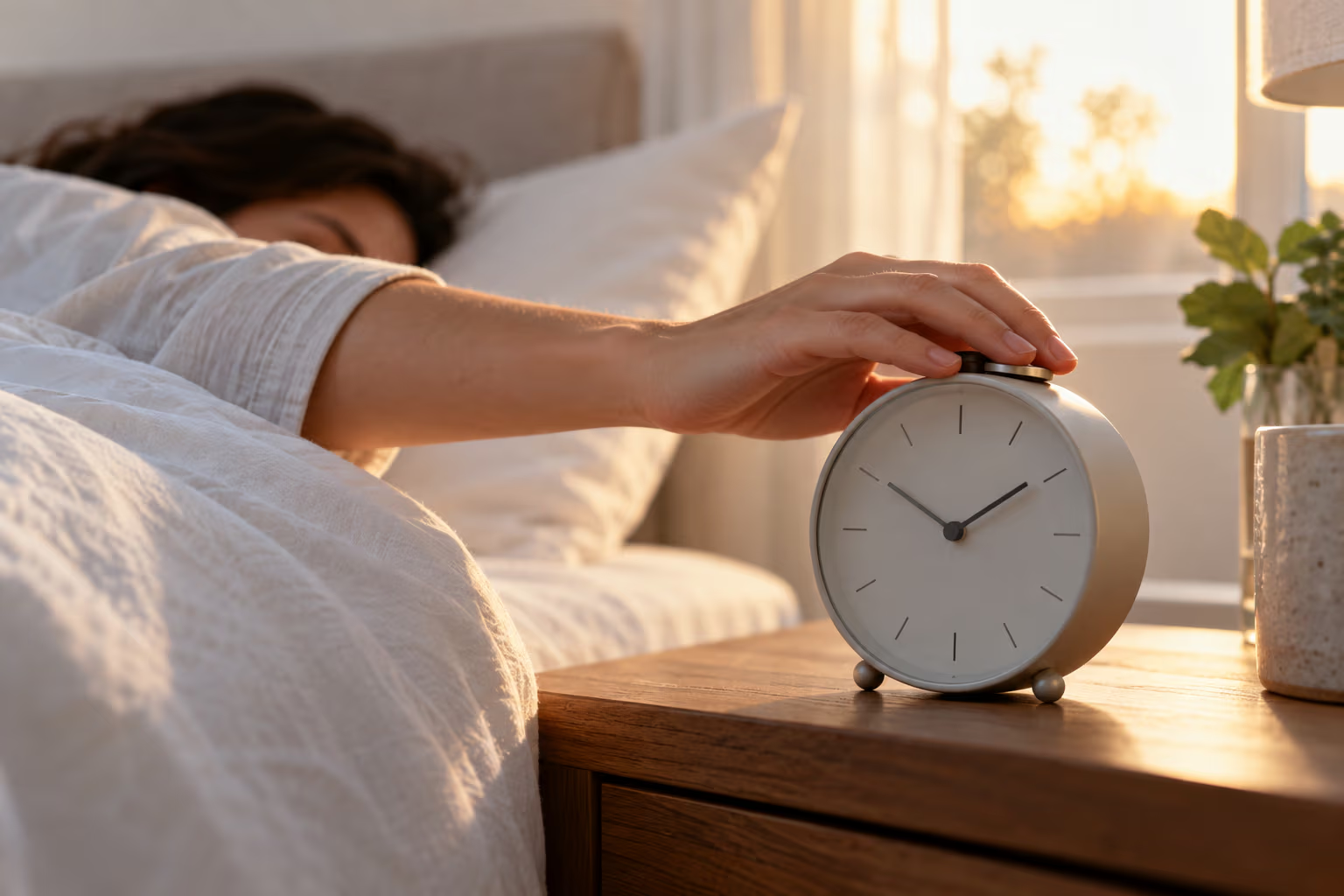
Use it with or without an object
Waken can be intransitive, with no object: “I wakened before sunrise.” The subject becomes awake. It can also be transitive, taking the person or thing that is roused: “The alarm wakened the whole household.” The passive form puts the person who wakes first: “Maya was wakened by the phone.” These patterns help you decide whether your sentence needs a direct object.
The word also appears in figurative writing when something stirs a feeling, thought, or memory. “The old song wakened memories of summer” does not describe anyone leaving sleep; it means the song brought those memories back to mind. Oxford lists this figurative use as well. A sentence such as “We will waken the flowers by watering them,” from the children’s examples above, is personification: it treats flowers as if they were sleeping. Use that image in playful writing, but describe watering or blooming directly when you mean the literal action.

Waken, wake, and their verb forms
The original article calls waken irregular. That label is inaccurate: Oxford lists the regular forms waken, wakens, wakened, wakened, wakening. Do not confuse the verb waken with wake, whose forms are commonly wake, wakes, woke, woken, waking. Cambridge also records waked as an alternative past form for wake. The forms differ because these are related but distinct verbs.
| Form | Example |
|---|---|
| Present | Birds waken at first light. |
| Third-person singular | The dawn chorus wakens the campers. |
| Past / past participle | A loud crash wakened me. / I had wakened early. |
| -ing form | The noise was wakening the baby. |
For reference, the Oxford Learner’s Dictionaries entry for waken gives its forms and explains its formal register. The Cambridge Dictionary entry for wake shows the related verb’s alternative past forms.

Quick examples and questions
- Becoming awake: “After a short nap, he wakened refreshed.”
- Rousing someone: “The neighbor’s dog wakened us before dawn.”
- Figurative: “The photograph wakened a long-forgotten memory.”
Is “waken up” correct? Yes. Oxford includes both waken up and waken somebody up, though wake up is more common in ordinary conversation.
Is “wakened” or “woke” the past tense of waken? Use wakened for waken. Woke is a common past form of the separate verb wake.
Can waken describe a thought or feeling? Yes. In figurative use, it can mean to stir or bring a memory, feeling, or interest to life.
Choose waken when its formal tone suits your sentence; choose wake or wake up for the more familiar everyday phrasing.


