Yen vs desire is a choice of register and grammar, so pick yen for a strong informal craving and desire for neutral or formal writing. Yen is a noun from casual speech that names one intense longing, while desire is a noun and a verb used across every register.
Yen and desire at a glance
- Yen is a countable noun meaning a strong longing or craving, almost always followed by for.
- Desire is a noun and a verb meaning a wish or want of any strength.
- Yen belongs to informal speech and lively writing; desire works in neutral and formal prose.
- Yen stresses intensity and a personal object; desire stresses the fact of wanting.
- The commonest error is writing desire where the sentence needs the informal punch of yen, or using yen as a verb.
What do yen and desire mean?
Yen is a noun meaning a strong, sometimes restless longing for something, and the Cambridge entry for yen records it as informal, usually in the pattern a yen for something. Desire is a broader word recorded as both a noun and a verb in the Cambridge entry for desire, and it names a wish or want of any degree, from a mild preference to a burning need. The two overlap in meaning but differ in strength, grammar and tone.
| Word | Part of speech | Plain meaning | Example sentence |
|---|---|---|---|
| yen | noun, informal | A strong, specific longing | She has a yen for mountain air. |
| desire | noun | A wish or want of any strength | His desire for a quieter life grew each year. |
| desire | verb, transitive | To want something | They desire a fair decision. |
One limitation is worth stating. Yen cannot be used as a verb in standard English, so a sentence such as they yen for peace is not accepted usage; use long for or yearn for instead. Desire, by contrast, is never colloquial, and in relaxed speech most people say want, so desire can sound stiff in a text message.
Yen vs desire: the master comparison
Five criteria decide almost every choice between the two words. The table sets the values side by side, because the point is not that one word is better but that each fits a different job.
| Criterion | yen | desire |
|---|---|---|
| Part of speech | Noun only | Noun and verb |
| Register | Informal, conversational | Neutral to formal |
| Strength | Strong and often restless | Any strength, from mild to intense |
| Typical pattern | a yen for something | desire for something; desire to do; to desire something |
| Typical object | A personal, specific want | Anything, concrete or abstract |
| Connotation | Warm, human, slightly playful | Broad, serious, sometimes clinical |
| Frequency | Rare, mostly in speech and columns | Common across all writing |
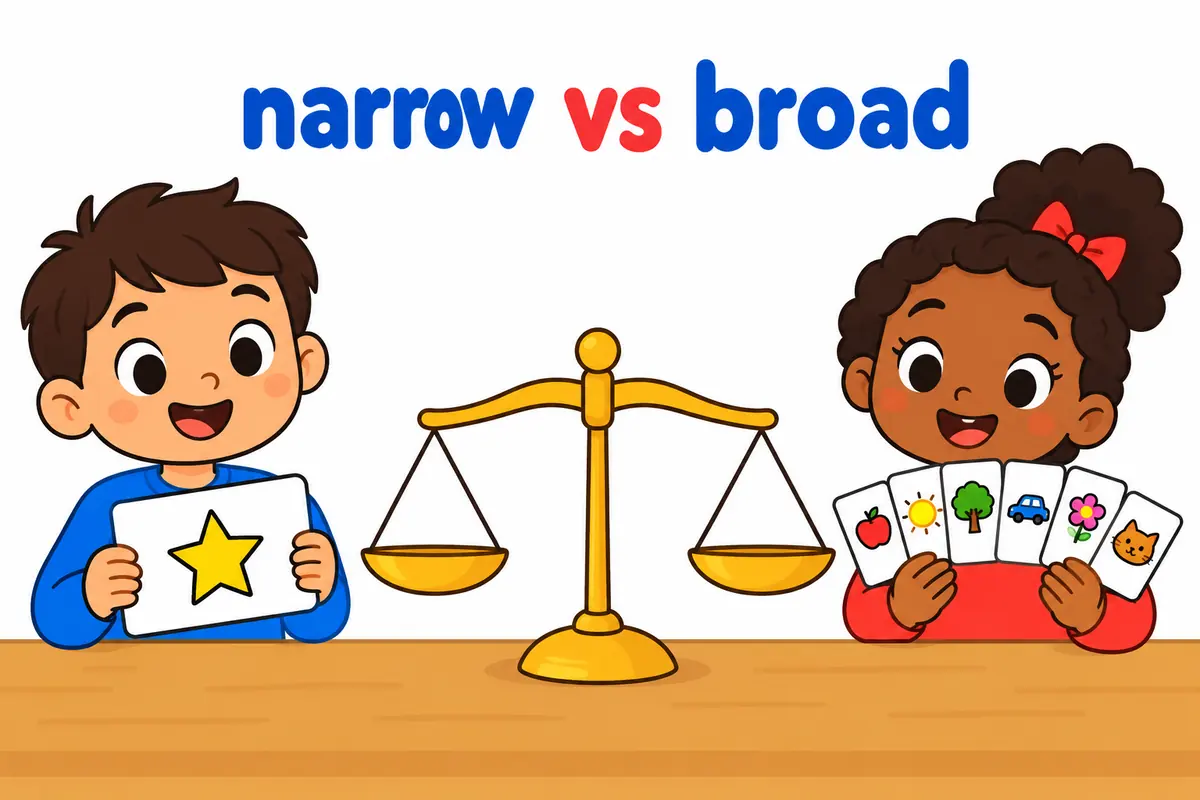
Read down the middle column and yen is narrow: one part of speech, one register, one level of intensity. Read down the right column and desire is wide: two parts of speech and a range of strengths. That asymmetry, more than any definition, explains why the two words are so often compared.
How do you use yen and desire in a sentence?
Yen takes the fixed frame a yen for, and the article is almost always a or the. Desire is more flexible: it can follow for or an infinitive, and as a verb it takes a direct object. The patterns below keep both words grammatical.
| Pattern | Example | What it signals |
|---|---|---|
| a yen for + noun | He has a yen for adventure. | A strong personal longing. |
| a yen to + verb | She had a yen to travel alone. | The same longing, phrased as an action. |
| desire for + noun | Their desire for change was clear. | A neutral statement of a wish. |
| desire to + verb | He felt a desire to explain. | A wish directed at an action. |
| desire + object (verb) | The committee desires a quick decision. | Formal use of the verb. |
| be desired | The outcome is widely desired. | Passive, common in formal prose. |
Notice that yen never appears without its article in these patterns, so a bare yen for without a sounds translated. When the longing is calm and general rather than sharp, longing or yearning often fits better than either word.
Yen vs desire in a sentence: examples across contexts
The seven sentences below show where each word belongs. The first three make the informal strength of yen clear, and the rest place desire in registers where yen would sound out of place.
| Context | Example sentence | Why this works |
|---|---|---|
| Conversation | I have a real yen for a long holiday. | An informal setting suits the strong noun. |
| Diary | A yen for the coast pulled her out of the city. | Personal writing welcomes the warm tone. |
| Column | City dwellers have a yen for a slower week. | Lively but standard journalistic prose. |
| Academic prose | The study measured workers’ desire for shorter hours. | A neutral noun in a formal frame. |
| Business writing | We desire a written reply by Friday. | The verb suits formal correspondence. |
| Legal notice | Nothing in this clause affects any prior desire of the parties. | Desire as a broad legal noun. |
| News report | The public desire for reform has not faded. | A general, serious subject noun. |
Swap yen into the academic or legal sentences and the tone collapses, which is the surest sign that register, not meaning, is doing the work here.
Which should you use?
Match the word to the situation rather than to a rule about formality. In a message to a friend, choose yen when the feeling is strong and specific, as in a yen for proper coffee. In an essay or report, choose desire, because it stays neutral and works as a verb when the sentence needs one. In a formal request, desire is the courteous verb, as in we desire a prompt reply. When the longing is gentle or general, choose desire for its breadth, or reach for craving and appetite when the want is physical.
Word forms and grammar of yen and desire
Yen has almost no grammatical range, while desire inflects freely. The table lists both, including the forms learners build by mistake.
| Form | Part of speech | Example |
|---|---|---|
| yen | noun, singular | He felt a yen for the open road. |
| yens | noun, plural, rare and informal | Her passing yens rarely lasted a week. |
| yen | verb, non-standard | They yen for peace – use long for instead. |
| desire | noun and verb, base form | She could not hide her desire to help. |
| desires | noun plural, verb third person singular | The report desires fewer meetings. |
| desired | past tense, past participle, adjective | The desired result arrived late. |
| desiring | present participle | Anyone desiring a seat should write in. |
The plural yens is rare and sounds playful, so it belongs in light writing only. The verb yen is the form to avoid: standard English keeps yen as a noun and uses wish or long for the verb role.
Common mistakes with yen and desire
- Incorrect:
He yen for a quiet weekend.Correct: He has a yen for a quiet weekend. Rule: Yen is a noun, so it needs a verb and an article, never a bare verb slot. - Incorrect:
She felt a strong desire for a pizza right now.Correct: She felt a strong yen for a pizza right now. Rule: A sudden, informal craving takes yen; desire sounds oddly formal for a snack. - Incorrect:
The board wished to yen a new policy.Correct: The board desired a new policy. Rule: Only desire works as a transitive verb, so yen cannot take an object. - Incorrect:
They had yen for freedom.Correct: They had a yen for freedom. Rule: The count noun needs an article; yen for without a is a common slip. - Incorrect:
We desire that you improve immediately.Correct: We desire an immediate improvement. Rule: The formal verb reads best with a noun phrase rather than a that-clause.
Practice choosing between yen and desire
Work through the six items, then check the reasoning rather than only the answer.
- Fill the gap: After a month indoors, she had a ______ for open air.
- Choose the better word: The applicant expressed a (yen / desire) to work abroad in the covering letter.
- Correct the error: He yens for a fresh start.
- Build a sentence: use a yen for about a child who wants snow.
- Spot the register: which belongs in a legal letter – the parties desire an early hearing, or the parties have a yen for a quick chat?
- Rewrite with desire: She really wanted a calmer routine. Use desire as a noun.
Answers
- yen – the strong, informal longing after time indoors fits the noun.
- desire – a covering letter is formal and takes the neutral word.
- He has a yen for a fresh start – yen is a noun and cannot act as a verb.
- Model answer: The child had a yen for snow and checked the window every morning.
- The parties desire an early hearing – a legal letter avoids the informal yen.
- She felt a desire for a calmer routine – the noun takes for and stays neutral.
The bottom line
Use yen for a strong, informal longing and desire for a neutral wish or any verb use, which is the whole answer to yen vs desire. Two details settle most cases: yen is a noun that needs an article and the frame a yen for, while desire works as both a noun and a verb across every register. When the feeling is gentle, want or wish is often the plainer choice.

Frequently asked questions about yen and desire
Is yen more formal or less formal than desire?
Yen is less formal than desire. Yen belongs to conversation, diaries and lively columns, while desire fits academic, business and legal writing. A friend might have a yen for cake, but a committee would state a desire for a decision. The formality gap is the first thing to check.
Can yen be used as a verb?
Not in standard English. Yen is a noun, so writers pair it with have or feel, as in have a yen for the sea. When a verb is needed, English uses long for or yearn for. Using yen as a verb is a common mistake that marks a learner.
Does desire mean something stronger than yen?
No. Desire covers any strength of wish, from mild to intense, while yen always suggests a strong, specific longing. That is why a mild preference takes desire and a sharp craving takes yen. Strength and formality pull in opposite directions, so the choice depends on both.
What other words are close to yen and desire?
Craving, longing and yearning all sit near this pair. Craving suggests a physical want, longing suggests sadness, and yearning suggests a deep ache. Yen is livelier and more informal than all three, while desire is the broadest and most neutral of the group.