Skip to content
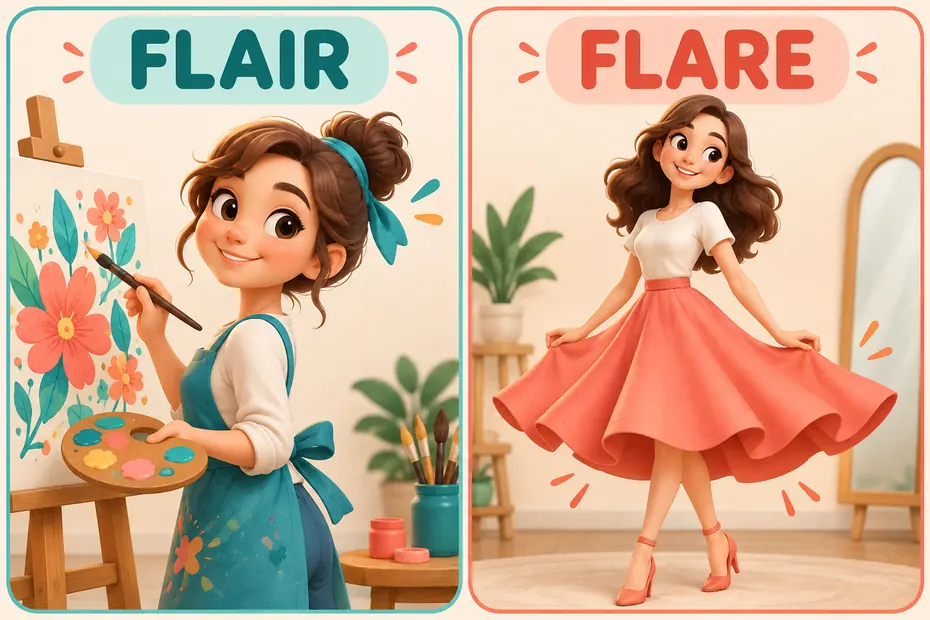
Flair concerns talent or style; flare can describe outward spreading.

Understanding the Distinction: Flair vs. Flare and How to Use Them Appropriately

    Have you ever been confused about when to use “flair” and when to use “flare”? Well, I’ll help you clear up the confusion once and for all. In this text, I’ll discuss the differences between “flair” and “flare” and provide you with some tips on how to use them correctly.
    Many people often mix up these two words, but they actually have distinct meanings and uses. Understanding the nuances between “

    Dies can mean stops living; dyes concerns coloring.

    Dies vs Dyes: Understanding the Proper Usage to Avoid Confusion

      Have you ever found yourself confused between “dies” and “dyes”? I know I have! In this text, I’ll guide you through the proper usage of these two words, so you can confidently express yourself without any mix-ups. Whether you’re a writer, a student, or simply someone who wants to improve their language skills, understanding the difference between “dies” and “dyes” is essential. So, let’s immerse

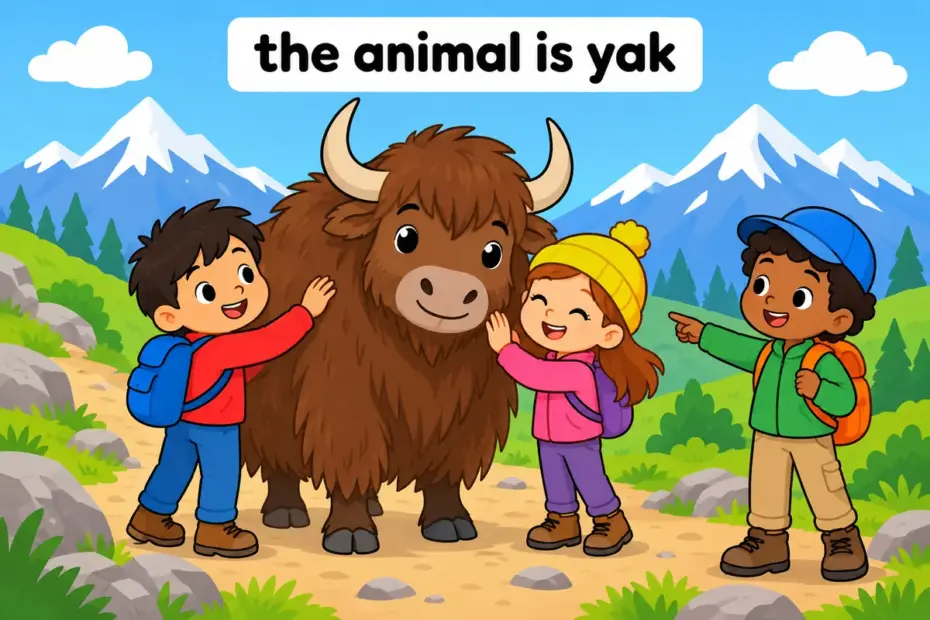
      Cartoon children pet a shaggy yak on a mountain path, showing that the animal in yack vs yak is always spelled yak.

      Yack vs Yak: Which Spelling to Use and When

        Have you ever found yourself confused between “yack” and “yak”? Don’t worry, you’re not alone. These two words may sound similar, but they have different meanings and uses. In this text, I’ll guide you through the proper usage of “yack” and “yak” so you can avoid any embarrassing mix-ups. Whether you’re a seasoned writer or just someone looking to improve their vocabulary, understanding the nuance

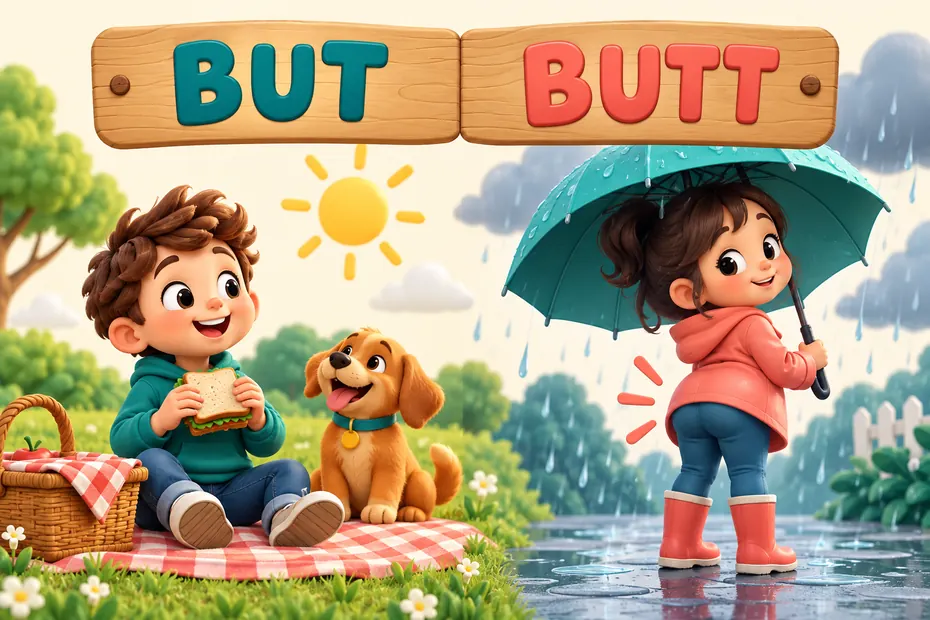
        But connects contrast; butt can name the backside.

        But vs Butt: Understanding Proper Usage for Effective Communication

          Hey there! As a language enthusiast, I’ve always found the nuances of English fascinating. One such pair of words that often causes confusion is “but” and “butt.” While they may sound similar, they have completely different meanings and uses. In this text, I’ll guide you through the proper usage of “but” and “butt” to help you avoid any embarrassing mix-ups.

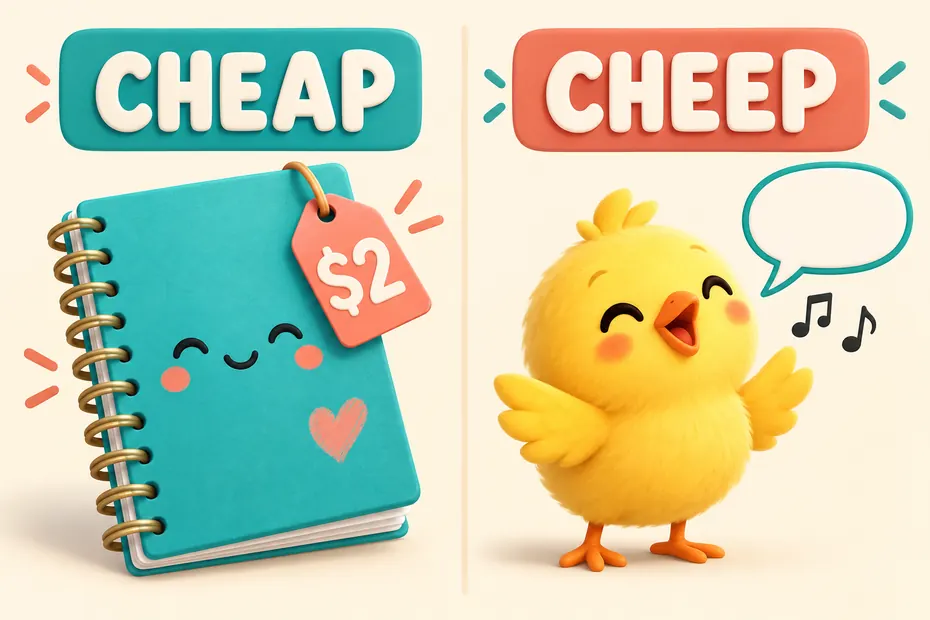
          Cheap concerns price or worth; cheep concerns a small shrill sound.

          Mastering the Difference Between Cheap and Cheep: Using Them Appropriately

            Hey there! Have you ever found yourself confused between the words “cheap” and “cheep”? Don’t worry, you’re not alone. In this text, I’ll be diving into the nuances of these two words and how to use them appropriately.
            We often hear the word “cheap” being used to describe something that is low in cost. But, did you know that “cheep” is a completely different word with a different meaning? It’s eas

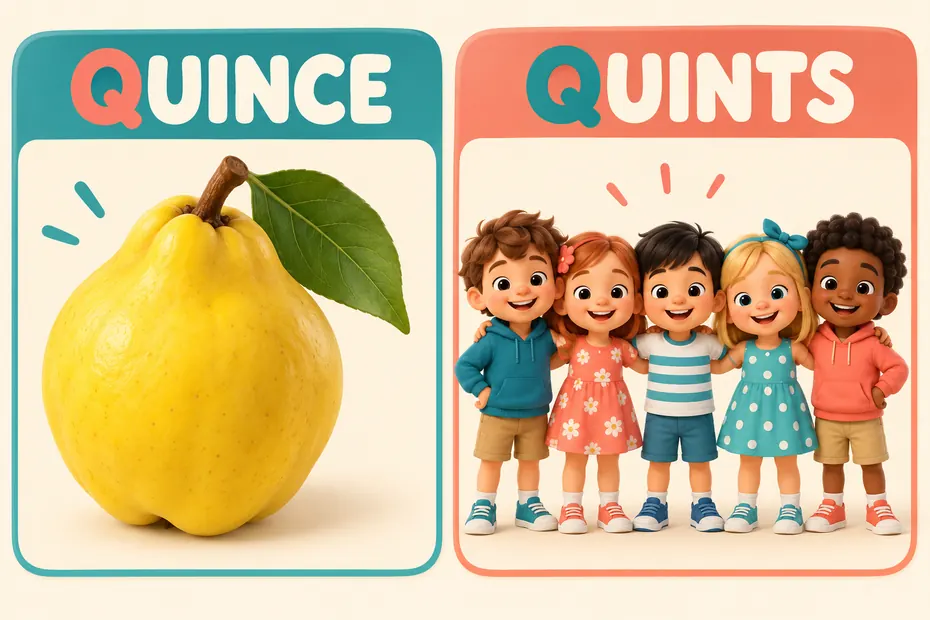
            Quince names a fruit or tree; quints commonly names quintuplets.

            Understanding the Difference Between Quince and Quints and Using Them Appropriately

              Quince vs Quints: Fruit, Siblings and Clear Spelling Quince names a fruit or the tree bearing it. Its fruit plural is quinces. Quints commonly means quintuplets: five offspring from one pregnancy. One member of that group is a quint. These words can sound very similar, but the sentence’s meaning and singular-or-plural grammar distinguish them. Clarification… Read More »Understanding the Difference Between Quince and Quints and Using Them Appropriately

              Epic describes a heroic story; epoch identifies a period.

              Understanding the Difference Between Epic and Epoch: Importance of Using the Correct Term Appropriately

                When it comes to discussing time periods, the terms “epic” and “epoch” are often used interchangeably. But, as an expert in the field, I can confidently say that there is a distinct difference between the two. In this text, I’ll investigate into the nuances of these terms and shed light on how to use them appropriately.
                First, let’s clarify the definitions. An epic refers to a long narrative poem

                Leaches describes extraction through liquid; leeches usually names worms.

                Understanding the Difference Between Leaches and Leeches: How to Use Them Appropriately

                  Are you confused about the correct usage of “leaches” and “leeches”? Don’t worry, I’ve got you covered. In this text, I’ll investigate into the differences between these two commonly misused words and provide you with the tools to use them appropriately.
                  Leaches, spelled with an “a,” refers to the act of draining or extracting, while leeches, spelled with an “e,” are blood-sucking worms. Understan

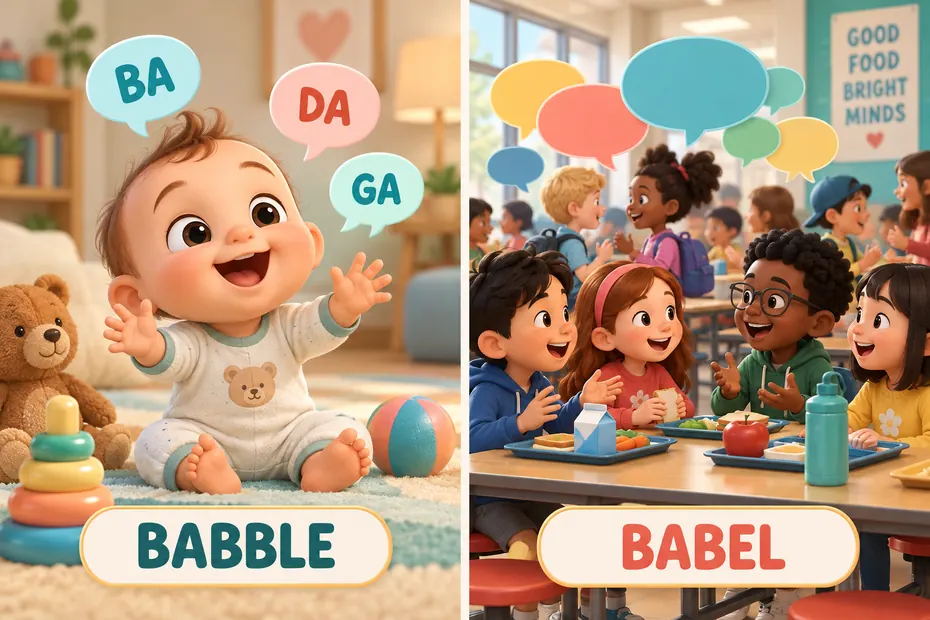
                  Babble can name or describe chatter; babel describes noisy confusion.

                  Babble vs Babel: Understanding and Using them Appropriately for Accurate Communication

                    Have you ever been confused about when to use “babble” and when to use “babel”? Well, I’ll clear up the confusion for you in this text. As a language enthusiast, I’ve come across these two words countless times and understand the subtle differences between them. In this guide, I’ll explain the appropriate usage of “babble” and “babel” and provide examples to illustrate their correct contexts. Whet

                    Firs names trees, furs can name garments, and furze means gorse.

                    Firs vs Furs vs Furze: When and How to Use Each Appropriately

                      Are you confused about when to use “firs,” “furs,” or “furze”? Don’t worry, I’ve got you covered. In this text, I’ll break down the differences between these commonly confused words and provide you with some simple guidelines for using them appropriately. Whether you’re a writer, a student, or just someone who wants to improve their language skills, understanding the nuances of these words is esse

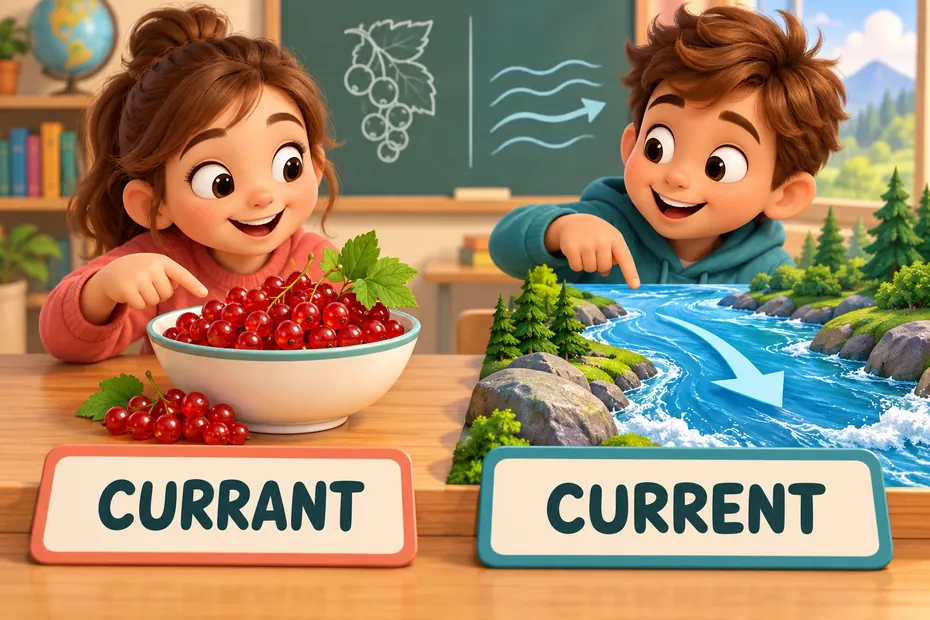
                      Currant names fruit; current can describe a flow.

                      Currant vs Current: How to Use Each Appropriately in Writing

                        Have you ever found yourself confused between the words “currant” and “current”? Don’t worry, you’re not alone. These two words may sound similar, but they have distinct meanings and are used in different contexts. In this text, I’ll guide you through the proper usage of “currant” and “current” so you can confidently use them in your writing.
                        First, let’s clarify the difference between the two. “C

                        Presence means being there; presents can mean gifts.

                        Mastering the Art of Presence vs Presents: The Key to Meaningful Connections and Relationships

                          When it comes to building meaningful connections, the power of presence should never be underestimated. In a world where material possessions often take center stage, it’s crucial to remind ourselves of the importance of being truly present in our interactions. In this text, I’ll investigate into the fascinating dichotomy of presence versus presents and explore how we can use them appropriately to

                          Mind can concern thought; mined is a form of mine.

                          Mastering the Mind vs Mined: Using Appropriately for Effective Communication

                            Have you ever found yourself confused between the words “mind” and “mined”? Don’t worry, you’re not alone! In this text, I’ll guide you on how to use these words appropriately and avoid any embarrassing mix-ups. Understanding the difference between “mind” and “mined” is crucial for effective communication and writing. So, let’s immerse and explore the nuances of these words, and how to use them co